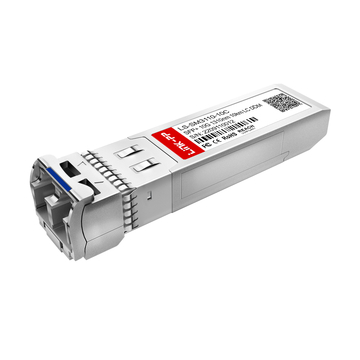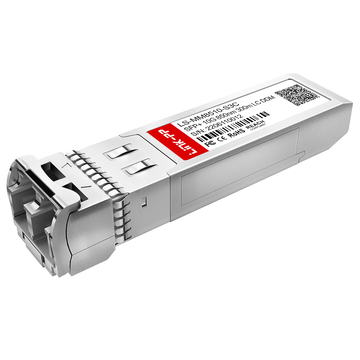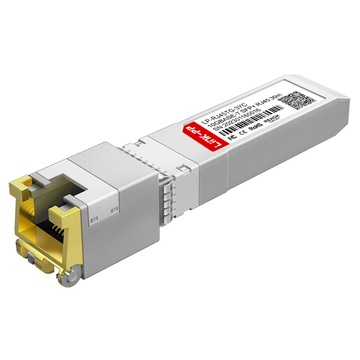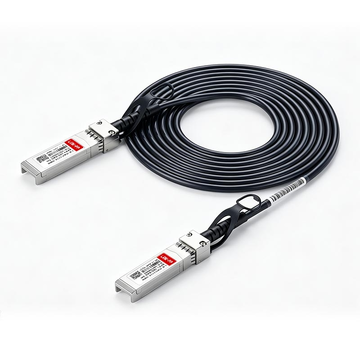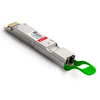





























The rapid growth of 10GbE adoption in modern data centers has significantly changed how access layer networks are designed and deployed. As enterprises move toward higher bandwidth applications, virtualization, and cloud-driven workloads, the demand for flexible and cost-efficient connectivity options continues to increase. In many environments, traditional fiber-only architectures are no longer the only approach, especially in short-reach access scenarios where copper cabling remains widely available and practical.
Against this background, 10G SFP to RJ45 transceiver modules have become an important solution for bridging fiber-based switch infrastructure with copper Ethernet endpoints. These modules allow SFP+ ports on switches to support 10GBASE-T connectivity over standard RJ45 interfaces, enabling compatibility with existing twisted-pair cabling. In data center access layers—where servers, storage devices, and top-of-rack switches must be efficiently interconnected—this type of flexibility plays a key role in simplifying migration paths and improving deployment adaptability.
This article provides a structured overview of when 10G SFP to RJ45 is appropriate in data center access layer environments, and how it fits into modern network design decisions. The following key areas will be covered:
- Core technical understanding of 10G SFP to RJ45 modules and how they operate within 10GbE systems
- The role of access layers in data center architectures and why copper connectivity is still relevant
- Practical deployment scenarios where 10G SFP to RJ45 is most effective, including short-reach server access and hybrid networks
- Key advantages and limitations, including power consumption, thermal behavior, and performance trade-offs
- Comparisons with alternative 10GbE solutions such as DAC and fiber optic transceivers
- Important engineering considerations for compatibility, cabling, and long-term reliability
🔋 Understanding 10G SFP to RJ45 Technology
10G SFP to RJ45 technology enables a direct bridge between SFP+ switch ports and copper Ethernet networks, allowing 10GbE connectivity over standard RJ45 cabling. In practical terms, it provides a way to use existing twisted-pair infrastructure (such as Cat6a) while still operating at 10Gbps speeds, making it a flexible option in data center access layer deployments where short-reach connections dominate.
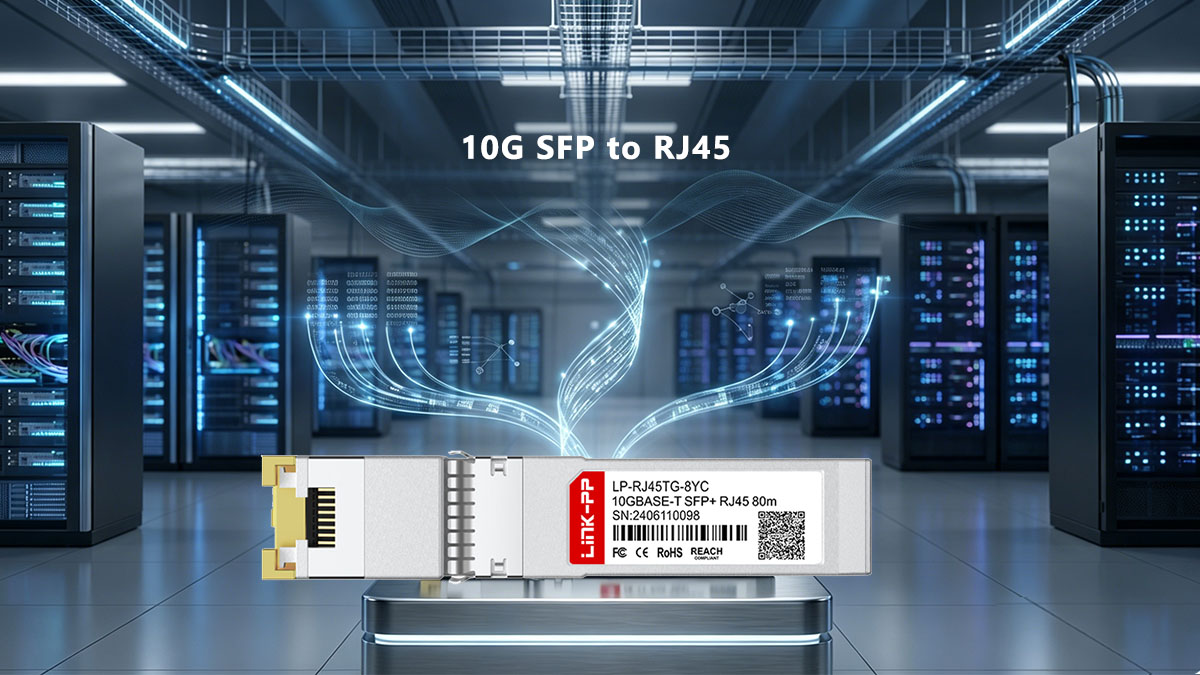
What Is a 10G SFP to RJ45 Module?
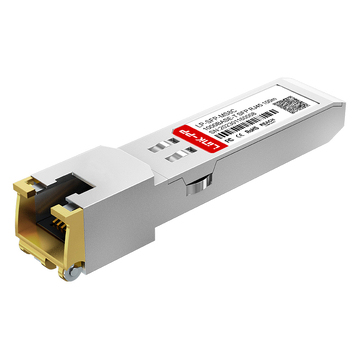
A 10G SFP to RJ45 module is a copper module designed to plug into an SFP+ port and convert it into a 10GBASE-T Ethernet interface. It allows network devices to communicate over standard RJ45 copper cabling instead of fiber optics or direct-attach copper cables.
From a deployment standpoint, it is primarily used to extend the usability of existing SFP+ switch ports in environments where copper endpoints are already widely deployed. This makes it especially relevant in access layer scenarios with short-distance server-to-switch connections.
Key functional characteristics include:
- Support for 10GBASE-T Ethernet over RJ45 interface
- Compatibility with SFP+ slots on enterprise and data center switches
- Operation over Cat6a/Cat7 cabling for reliable 10Gbps transmission
- Backward compatibility with 1GbE and 100MbE devices in many implementations
These characteristics make it a practical bridge technology between modern high-speed switching infrastructure and legacy copper-based network endpoints.
How 10GBASE-T Differs from Fiber-Based 10GbE
10GBASE-T and fiber-based 10GbE both deliver 10Gbps throughput, but they differ significantly in how data is transmitted and where each solution is best applied. Understanding these differences is essential when selecting connectivity for data center access layers.
In general, 10GBASE-T is optimized for flexibility and short-reach copper environments, while fiber is designed for longer distances and higher electrical efficiency in high-density networking.
Key differences include:
- Transmission medium
- 10GBASE-T: Electrical signals over twisted-pair copper
- Fiber: Optical light transmission through fiber strands
- Deployment distance
- Copper: Typically up to 100m depending on cable quality
- Fiber: Can extend from several hundred meters to kilometers
- Power and thermal profile
- Copper: Higher power consumption due to signal processing
- Fiber: Lower power usage per port
- Infrastructure dependency
- Copper: Works with existing structured cabling systems
- Fiber: Requires dedicated optical cabling infrastructure
- EMI resistance
- Copper: More sensitive to electromagnetic interference
- Fiber: Fully immune to EMI effects
These differences explain why 10G SFP to RJ45 is often selected for access layer connectivity rather than long-haul or high-density backbone links.
Core Components and Internal Architecture
The internal design of a 10G SFP to RJ45 module is significantly more complex than optical transceivers due to the nature of high-speed copper transmission. It must convert SFP+ electrical signals into stable 10GBASE-T Ethernet signaling while maintaining signal integrity over twisted-pair cables.
In essence, the module integrates advanced signal processing hardware within a compact form factor to ensure stable 10Gbps copper communication.
Core components typically include:
- High-performance PHY chipset
Converts and manages 10GBASE-T Ethernet signaling between switch and copper medium - Digital Signal Processor (DSP)
Performs echo cancellation, noise suppression, and signal equalization for stable transmission - Power regulation system
Manages higher energy requirements compared to fiber modules and ensures stable operation - Thermal management design
Uses metal housing and internal heat dissipation structures to control temperature under load - Auto-negotiation logic
Enables compatibility with multiple Ethernet speeds depending on connected devices - Diagnostic monitoring (DDM) functions
Tracks temperature, voltage, and link status for operational visibility
These internal components collectively enable reliable 10GbE performance over copper, but also explain why these modules typically generate more heat and consume more power compared to fiber-based SFP+ solutions.
🔋 The Role of Access Layers in Modern Data Centers
The data center access layer is the first connectivity point where servers, storage systems, and edge devices connect to the switching fabric. In modern architectures, its primary role is to provide high-density, low-latency, and scalable connectivity between compute resources and the broader network. This layer is where technologies like 10G SFP to RJ45 are most commonly evaluated, because it directly determines how efficiently endpoints are integrated into the 10GbE environment.
What Defines the Data Center Access Layer?
The data center access layer is the lowest switching tier in a typical leaf-spine or three-tier architecture, responsible for aggregating traffic from servers and forwarding it upstream to aggregation or spine switches. It acts as the direct interface between physical compute resources and the data center network fabric.
In practical terms, this layer is designed to optimize port density and short-reach connectivity, ensuring that each server or device can be connected with minimal latency and maximum bandwidth efficiency.
Key functional characteristics include:
- Direct connectivity to servers, storage systems, and edge devices
- High port density to support large numbers of endpoints per rack
- Low-latency switching to handle east-west traffic efficiently
- Aggregation of traffic toward higher-tier network layers
- Support for mixed-speed environments SFP 1G, SFP+ 10G, and beyond)
This structure makes the access layer the most dynamic part of the data center network, where cabling flexibility and interface compatibility become critical design considerations.
Why Copper Connectivity Still Matters
Copper connectivity, including solutions like 10G SFP to RJ45, remains relevant in modern data centers because not all environments require long-distance fiber links. In many access layer deployments, server-to-switch distances are short, and existing copper infrastructure is already widely available.
In these scenarios, copper provides a practical balance between performance and deployment efficiency, especially when upgrading from legacy Gigabit Ethernet environments.
Key reasons copper remains important include:
- Existing infrastructure reuse
Many data centers already have extensive Cat6 or Cat6a cabling installed - Short-reach efficiency
Most server connections in access layers are within 10–30 meters - Simplified deployment
Copper cabling is easier to install, terminate, and manage compared to fiber - Cost efficiency in targeted upgrades
Avoids full fiber re-cabling in environments undergoing gradual migration - Broad device compatibility
Supports a wide range of servers, switches, and network appliances
Because of these advantages, copper-based 10GbE continues to play a significant role in access layer design, particularly in hybrid network environments where fiber and copper coexist.
Common Access Layer Connectivity Challenges
While access layers are designed for flexibility and scalability, they also introduce several technical challenges that influence the choice of connectivity technologies such as 10G SFP to RJ45 modules. These challenges often stem from mixed environments, evolving bandwidth requirements, and physical infrastructure constraints.
In most real-world deployments, access layer engineers must balance performance, compatibility, and operational efficiency simultaneously.
Common challenges include:
- Mixed-speed network environments
Supporting coexistence of 1GbE, 10GbE, and higher-speed links within the same rack or switch - Migration complexity
Gradually upgrading from legacy copper-based Gigabit Ethernet to 10GbE without disrupting operations - Power and thermal constraints
Managing heat output in densely populated switch environments, especially with copper-based 10G modules - Cable management limitations
Maintaining structured cabling in high-density racks while supporting frequent changes - Interface compatibility variability
Ensuring SFP+ ports can support both fiber optics and copper modules depending on deployment needs
These challenges highlight why access layer design is not purely about bandwidth, but also about operational flexibility and long-term scalability planning.
🔋 When to Use 10G SFP to RJ45 in Data Center Access Layers
10G SFP to RJ45 is best used in data center access layers where short-reach connectivity, existing copper infrastructure, and flexible port utilization are more important than long-distance fiber scalability. In practice, it is most effective in server-to-switch links, hybrid network environments, and incremental 10GbE upgrades where full fiber migration is not required or not yet justified.
Server Connectivity in Short-Reach Deployments
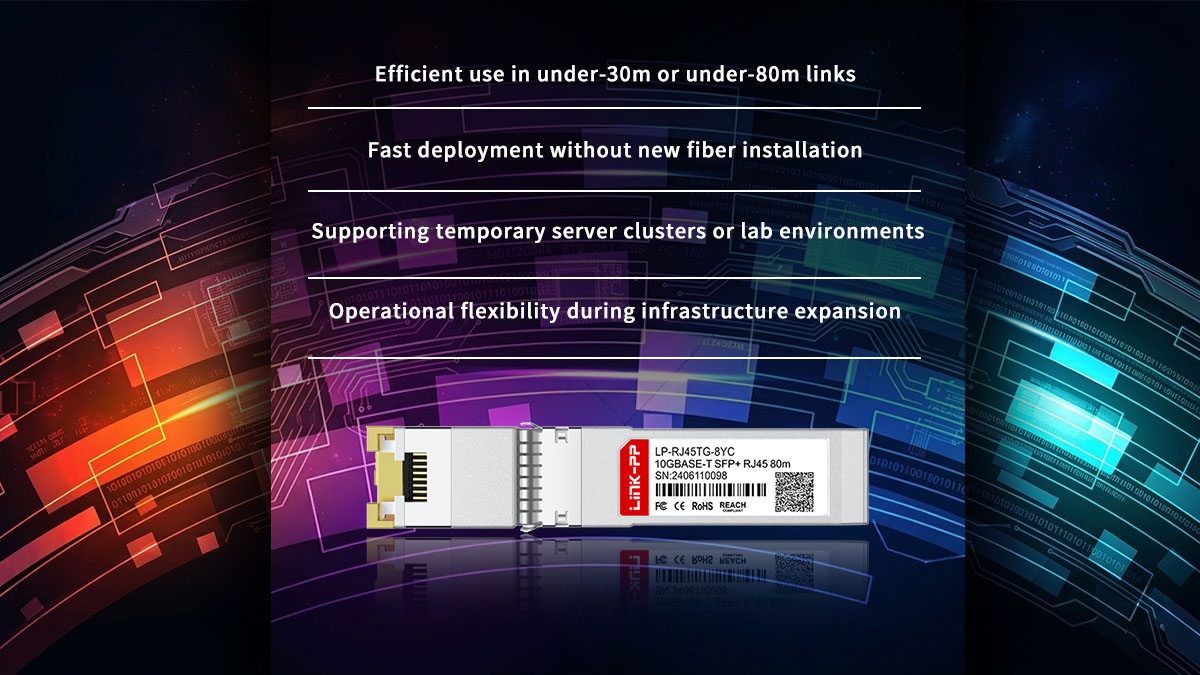
10G SFP to RJ45 is primarily used for direct server-to-switch connections within the same rack or adjacent racks. In these short-reach scenarios, copper cabling provides a practical and efficient way to deliver 10Gbps connectivity without introducing fiber complexity.
This approach is especially suitable when link distances remain within typical copper Ethernet limits, ensuring stable performance with Cat6a or higher cabling.
Typical use cases include:
- Top-of-rack switch connections to nearby physical servers
- Virtualization hosts requiring stable 10GbE access links
- Storage nodes in hyper-converged infrastructure (HCI) clusters
- Lab or staging environments with short-distance connectivity needs
In these deployments, 10G SFP to RJ45 enables high-speed connectivity while maintaining a familiar and easy-to-manage copper cabling structure.
Hybrid Copper-Fiber Network Environments
10G SFP to RJ45 is also commonly used in hybrid environments where fiber and copper coexist within the same access layer. This is particularly relevant in data centers undergoing phased upgrades from 1GbE to 10GbE or from copper-heavy to fiber-optimized architectures.
In such environments, flexibility is more important than uniformity, and RJ45-based 10GbE provides a transitional bridge between legacy and modern systems.
Typical scenarios include:
- Mixing fiber uplinks with copper-based server access ports
- Gradual migration from Gigabit Ethernet switching infrastructure
- Environments where only selected racks require 10GbE upgrades
- Integration of new high-performance servers into legacy networks
This hybrid approach allows network operators to extend infrastructure lifecycle while progressively increasing bandwidth capacity without full physical redesign.
Edge Data Centers and Enterprise Server Rooms
10G SFP to RJ45 is particularly valuable in edge data centers and enterprise server rooms where space, cost, and operational simplicity are key constraints. These environments often prioritize practical deployment over long-distance scalability.
In these cases, copper-based 10GbE helps reduce complexity while still delivering sufficient performance for localized workloads.
Common deployment contexts include:
- Branch office server rooms with limited rack space
- Edge computing sites supporting distributed applications
- Retail or industrial environments with localized IT infrastructure
- Small-scale enterprise data centers with constrained cabling systems
In such environments, the simplicity of RJ45 connectivity often outweighs the benefits of fiber, especially when network distances remain short and predictable.
Temporary Expansion and Rapid Network Scaling
10G SFP to RJ45 is also widely used in temporary or rapidly evolving network environments where speed of deployment is critical. It allows new servers or network segments to be integrated quickly without waiting for fiber installation or structured cabling redesign.
This makes it useful in scenarios where infrastructure needs to scale on demand or change frequently.
Typical applications include:
- Temporary compute clusters for testing or simulation workloads
- Rapid deployment of additional server capacity during peak demand
- Proof-of-concept environments for new applications or services
- Short-term infrastructure expansion during migration projects
In these cases, copper-based 10GbE provides operational agility, enabling faster deployment cycles while maintaining adequate performance for access layer traffic.
🔋 Advantages of Using 10G SFP to RJ45 Modules
10G SFP to RJ45 modules are widely adopted in data center access layers because they provide a practical balance between performance, flexibility, and infrastructure compatibility. In environments where short-reach 10GbE connectivity is required, they enable efficient use of existing copper cabling while maintaining compatibility with modern SFP+ switching platforms.
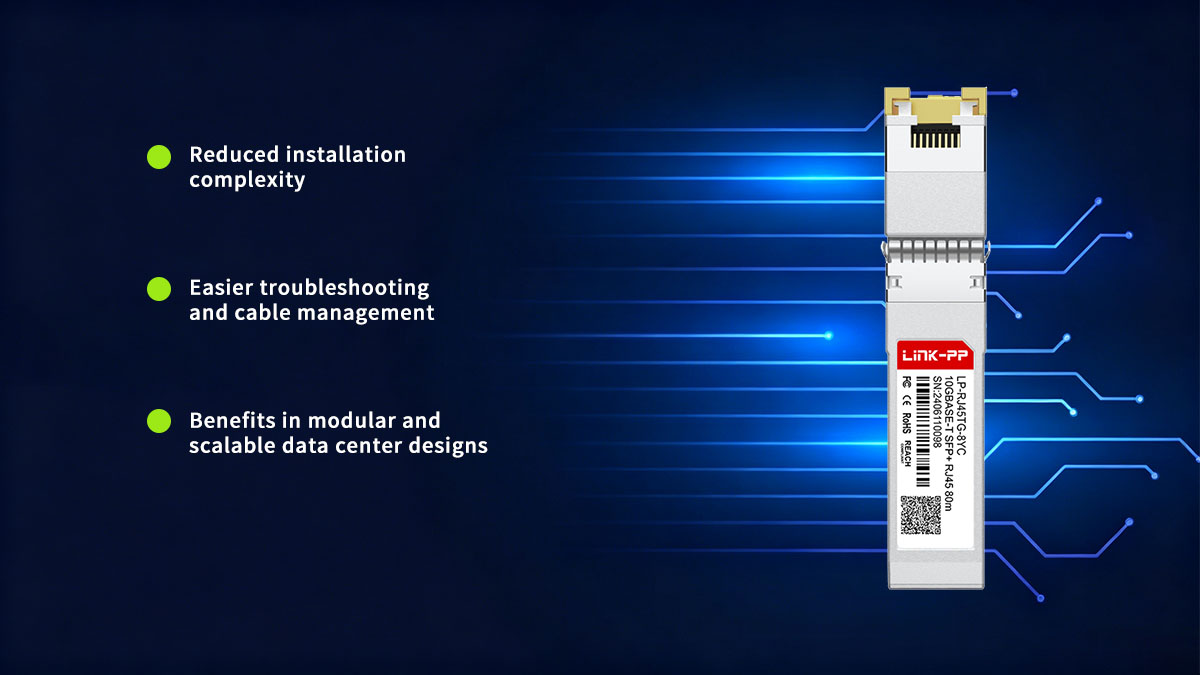
Leveraging Existing Ethernet Cabling
10G SFP to RJ45 is especially valuable in environments where structured copper cabling is already deployed. Instead of introducing new fiber runs, existing Cat6 or Cat6a infrastructure can be reused to support 10GbE connectivity.
This approach is particularly effective in access layer upgrades where minimizing physical re-cabling is a priority.
Key benefits include:
- Reuse of installed Cat6/Cat6a cabling infrastructure
- Reduced disruption during network upgrades
- Faster integration of new 10GbE endpoints
- Simplified transition from 1GbE to 10GbE networks
By extending the lifecycle of existing cabling, RJ45-based 10GbE helps organizations improve bandwidth capacity without major physical redesign.
Simplified Network Upgrades
10G SFP to RJ45 modules support a gradual and controlled migration path toward higher-speed networking. Instead of requiring a full switch or fiber overhaul, operators can upgrade selectively at the port level.
This makes incremental modernization more practical and operationally manageable.
Typical advantages include:
- Step-by-step migration from Gigabit Ethernet to 10GbE
- No immediate need for fiber termination or optical patching
- Reduced dependency on specialized fiber installation skills
- Easier coordination between network upgrade phases
This flexibility is particularly useful in enterprise environments where downtime must be minimized and infrastructure changes are implemented in stages.
Port Flexibility and Interface Utilization
A key advantage of 10G SFP to RJ45 modules is the ability to convert standard SFP+ ports into copper Ethernet interfaces. This increases the versatility of existing switch hardware without requiring additional dedicated RJ45 switching platforms.
In practice, this enables more efficient port utilization in mixed network environments.
Key points include:
- Conversion of SFP+ ports into RJ45-based 10GbE interfaces
- Support for diverse endpoint device types within the same switch
- Flexible allocation of copper or fiber ports depending on requirements
- Better adaptation to mixed server and storage connectivity needs
This flexibility helps optimize switch hardware usage in access layer deployments where workload requirements may vary across racks or clusters.
Deployment Efficiency in Dense Environments
In high-density access layer configurations, operational simplicity is critical. 10G SFP to RJ45 modules reduce complexity by allowing standardized copper cabling practices to be used alongside SFP+ switching infrastructure.
This simplifies both installation and ongoing maintenance.
Practical advantages include:
- Easier cable management using familiar Ethernet patch cords
- Faster installation compared to fiber termination workflows
- Simplified troubleshooting due to standardized RJ45 interfaces
- Reduced operational complexity in rack-level deployments
As a result, these modules are particularly effective in environments where rapid provisioning and straightforward maintenance are important operational requirements.
🔋 Limitations and Technical Trade-Offs
10G SFP to RJ45 modules provide strong flexibility in access layer deployments, but they also introduce several technical trade-offs that must be considered. These limitations are mainly related to power consumption, thermal behavior, and signal processing complexity compared to fiber-based or DAC alternatives.
Power Consumption Considerations
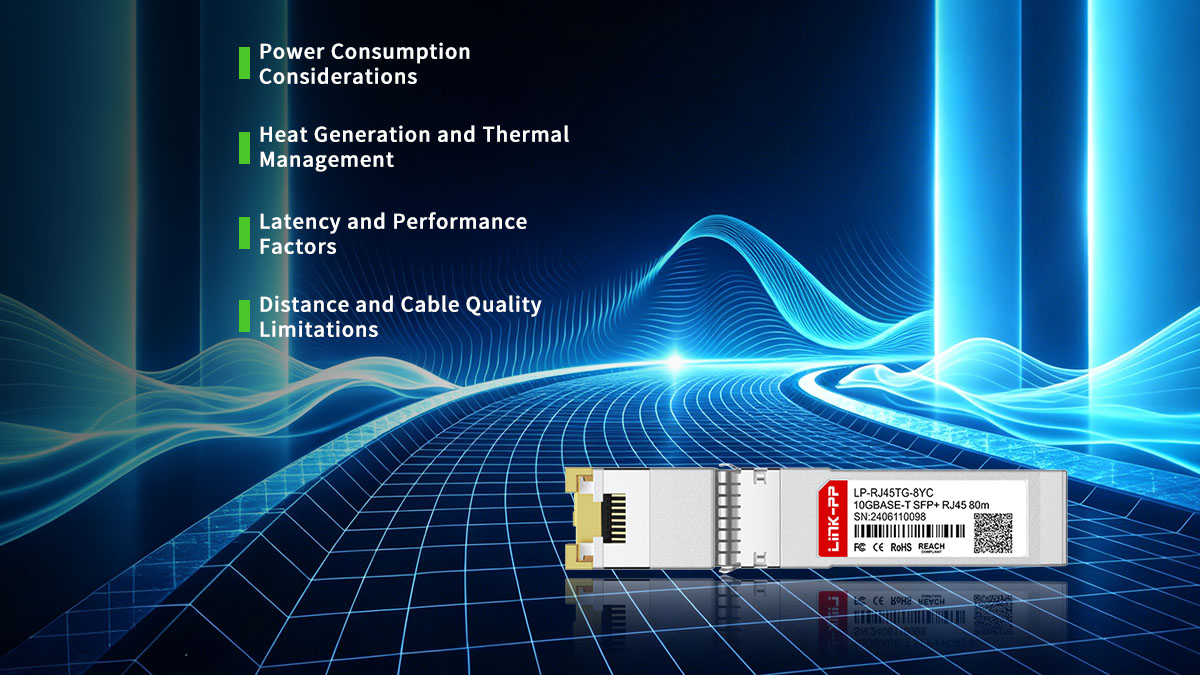
10G SFP to RJ45 modules generally consume more power than optical SFP+ transceivers or DAC cables because they require complex signal processing to maintain 10GBASE-T transmission over copper.
This higher power demand directly affects switch power budgets, especially in dense access layer deployments where many ports may be active simultaneously.
Key considerations include:
- Higher per-port power usage compared to fiber SFP+ modules
- Increased cumulative power load in multi-port deployments
- Greater dependency on switch power headroom planning
- Potential limitations in high-density switch configurations
In practice, power efficiency becomes a key factor when evaluating large-scale deployment of RJ45-based 10GbE interfaces.
Heat Generation and Thermal Management
Because 10GBASE-T signaling requires intensive digital processing, 10G SFP to RJ45 modules generate significantly more heat than fiber-based alternatives. This thermal output must be carefully managed within the confined space of switch SFP+ cages.
Without proper airflow design, excessive heat can impact module stability and overall system reliability.
Important thermal aspects include:
- Elevated operating temperatures under sustained traffic loads
- Increased demand on switch cooling systems and airflow paths
- Risk of thermal throttling or performance instability in dense deployments
- Sensitivity to rack-level ventilation design
As a result, these modules are often deployed with careful consideration of switch thermal specifications and port density limitations.
Latency and Performance Factors
Although 10G SFP to RJ45 supports full 10Gbps throughput, it typically introduces slightly higher latency compared to fiber or DAC solutions. This is due to additional signal encoding, decoding, and error correction processes required for copper transmission.
While the latency difference is generally small for most enterprise workloads, it can still be relevant in performance-sensitive environments.
Key performance characteristics include:
- Additional processing delay from PHY and DSP operations
- Slightly higher latency compared to direct-attach copper (DAC)
- Comparable throughput under stable cabling conditions
- Potential sensitivity to cable quality and environmental noise
For latency-sensitive applications, this trade-off should be carefully evaluated during design planning.
Distance and Cable Quality Limitations
10G SFP to RJ45 performance is highly dependent on copper cabling quality and installation standards. Unlike fiber optics, which maintain consistent signal integrity over long distances, copper-based transmission is more sensitive to physical and environmental factors.
Proper cabling selection and installation are essential to ensure stable operation.
Key limitations include:
- Reliable operation typically up to 100 meters depending on cable category
- Requirement for Cat6a or higher for full 10Gbps performance
- Increased susceptibility to electromagnetic interference (EMI)
- Performance degradation with poor-quality or improperly terminated cables
These factors make structured cabling design and adherence to installation standards critical in ensuring stable access layer performance when using RJ45-based 10GbE modules.
🔋 Comparing 10G SFP to RJ45 With Other 10GbE Connectivity Options
10G SFP to RJ45 is one of several ways to implement 10GbE connectivity in data center access layers. While it offers strong flexibility in copper-based environments, it must be evaluated alongside alternatives such as SFP+ DAC and fiber optic transceivers to determine the most suitable deployment method for specific scenarios.
10G SFP to RJ45 vs SFP+ DAC
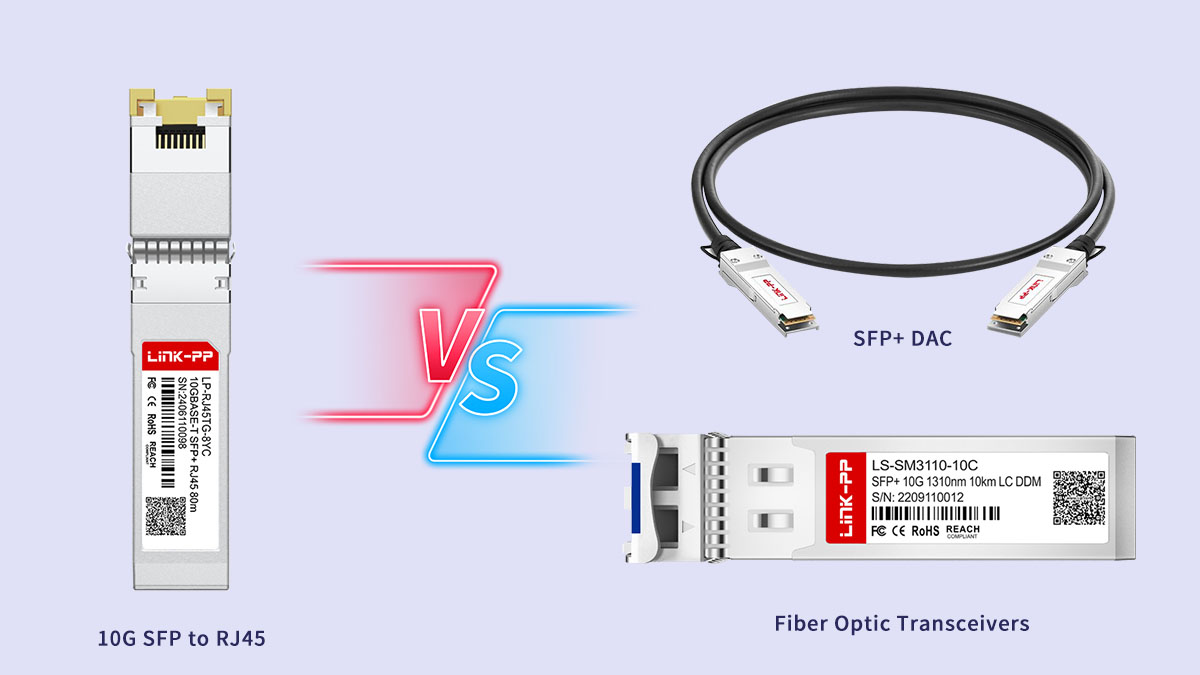
10G SFP to RJ45 and SFP+ DAC cables are both short-reach 10GbE solutions, but they differ significantly in cabling type, power profile, and deployment flexibility.
In general, RJ45-based modules (like Cisco SFP-10G-T-X) are better suited for structured cabling environments, while DAC solutions (like Cisco SFP-H10GB-CU3M) are optimized for very short, high-efficiency interconnects within racks.
| Feature | 10G SFP to RJ45 | SFP+ DAC |
|---|---|---|
| Cabling Type | Standard Ethernet (Cat6a/Cat7) | Twinax copper cable |
| Typical Distance | Up to 100m | Usually 1–7m |
| Power Consumption | Higher | Lower |
| Flexibility | High (structured cabling reuse) | Limited to rack-level links |
| Deployment Style | Server-to-switch, structured environments | Intra-rack direct connections |
After comparing these characteristics, it is clear that RJ45 solutions prioritize infrastructure flexibility, while DAC prioritizes efficiency and minimal latency in very short connections.
10G SFP to RJ45 vs Fiber Optic Transceivers
Fiber-based 10GbE transceivers (like Cisco SFP-10G-SR and SFP-10G-LR) represent the most scalable option for long-distance and high-performance networking. Compared to 10G SFP to RJ45, they offer better signal integrity and lower power consumption, but require dedicated optical infrastructure.
The key differences highlight a trade-off between scalability and deployment convenience.
| Feature | 10G SFP to RJ45 | Fiber SFP+ (SR/LR) |
|---|---|---|
| Transmission Medium | Copper (twisted-pair) | Optical fiber |
| Maximum Reach | Up to 100m | 300m to 10km+ |
| EMI Resistance | Lower | High (immune) |
| Power Consumption | Higher | Lower |
| Cabling Infrastructure | Existing copper possible | Requires fiber deployment |
From a deployment perspective, fiber is preferred for backbone and inter-rack uplinks, while RJ45 remains more practical for short-reach access layer connections where cabling already exists.
Choosing the Right 10GbE Connectivity Method
Selecting between 10G SFP to RJ45, DAC, and fiber depends on multiple operational and architectural factors rather than raw bandwidth alone. Each option serves a different role within the data center network hierarchy.
Key decision factors include:
- Distance requirements
Short-reach links favor RJ45 or DAC, while long-distance links require fiber - Existing infrastructure
Copper-based environments benefit from RJ45 reuse, while fiber-ready sites favor optics - Power and thermal constraints
DAC and fiber are more efficient than copper-based 10GBASE-T modules - Network scalability
Fiber provides the best long-term scalability for high-growth environments - Operational flexibility
RJ45 offers easier integration with heterogeneous device ecosystems
In most modern access layer designs, these technologies are not mutually exclusive but are instead combined to optimize performance, cost efficiency, and deployment flexibility across different segments of the network.
🔋 Key Deployment Considerations for Data Center Engineers
Deploying 10G SFP to RJ45 modules in data center access layers requires careful engineering decisions beyond basic compatibility. Factors such as switch support, cabling quality, thermal behavior, and long-term maintainability directly impact network stability and performance in real-world environments.
Switch Compatibility Verification
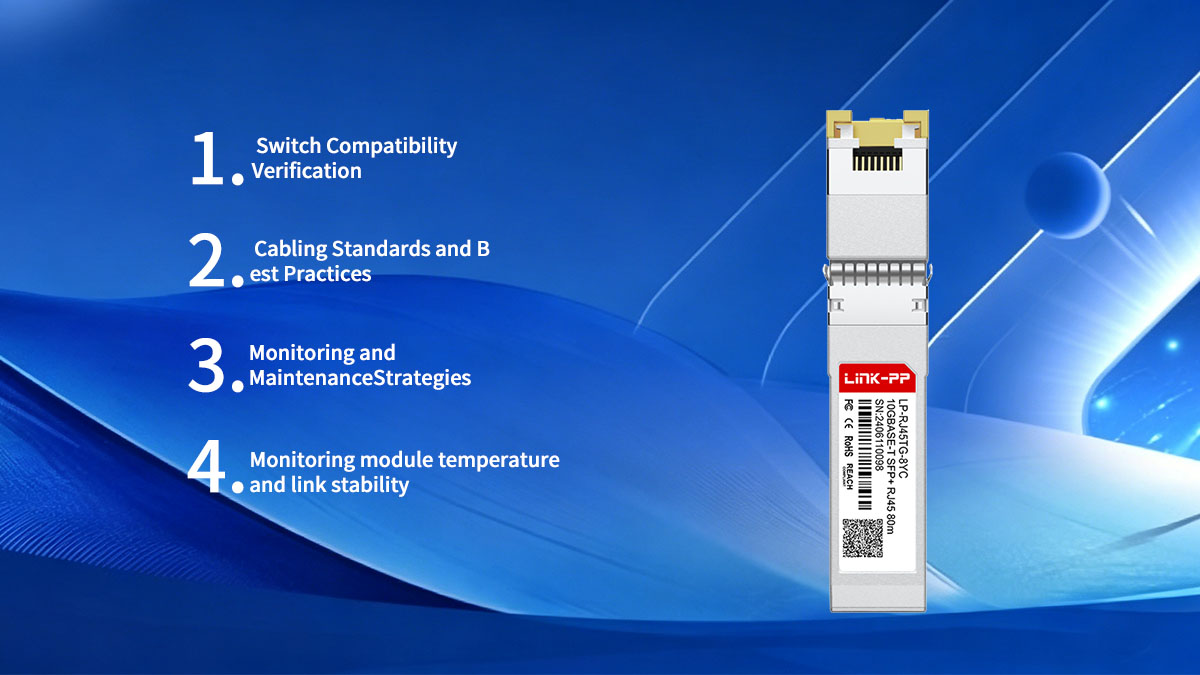
10G SFP to RJ45 modules must be validated against switch hardware and firmware compatibility before deployment. Although they follow SFP+ form factor standards, not all switches support 10GBASE-T copper modules equally due to power and thermal constraints.
In practice, compatibility planning helps avoid link instability or port limitations in production environments.
Key verification points include:
- SFP+ port support for 10GBASE-T copper modules
- Vendor-specific compatibility lists or coded optics requirements
- Maximum power allowance per SFP+ port
- Firmware version requirements for stable operation
- Port grouping limitations in high-density switches
After confirming compatibility, engineers can ensure that copper-based 10GbE modules operate reliably within the switch’s electrical and thermal design limits.
Cabling Standards and Best Practices
Copper cabling quality has a direct impact on the stability of 10G SFP to RJ45 performance. Unlike fiber, which maintains consistent signal integrity, copper links are highly dependent on installation quality and environmental conditions.
Proper cabling design is essential to ensure consistent 10Gbps throughput.
Key best practices include:
- Use of Cat6a or higher-grade cabling for full 10GbE support
- Maintaining proper cable length within recommended limits (typically up to 100m)
- Avoiding tight bends and physical stress on cable runs
- Separating power and data cables to reduce electromagnetic interference
- Ensuring high-quality termination and shielding in dense rack environments
When these standards are followed, copper-based 10GbE links can deliver stable and predictable performance in access layer deployments.
Monitoring and Maintenance Strategies
Operational visibility is important for maintaining long-term reliability of 10G SFP to RJ45 deployments. Because these modules generate more heat and consume more power than fiber optics, continuous monitoring helps prevent performance degradation.
Effective maintenance strategies include:
- Monitoring module temperature and switch airflow conditions
- Tracking link stability and error rates over time
- Using digital diagnostic monitoring (DDM) where supported
- Identifying early signs of cable degradation or interference
- Performing periodic inspection of high-density patch panels
These practices help ensure that potential issues are detected early before they affect service availability in production environments.
Security and Reliability Considerations
Although 10G SFP to RJ45 operates at the physical layer, its deployment can still influence overall network reliability and operational security. Poor cabling or incompatible hardware can introduce instability that impacts higher-layer services.
To improve reliability, engineers should consider:
- Ensuring certified and tested module sourcing for consistent performance
- Avoiding mixed-quality cabling in critical server-to-switch links
- Implementing structured cabling design to reduce physical layer errors
- Validating interoperability in lab environments before production rollout
By maintaining strict physical layer standards, data center engineers can reduce the risk of unexpected link failures and ensure consistent 10GbE performance across access layer deployments.
🔋 Conclusion
10G SFP to RJ45 plays an important role in modern data center access layer design by enabling flexible 10GbE connectivity over existing copper infrastructure. It is most effective in short-reach server-to-switch links, hybrid network environments, and phased upgrade scenarios where fiber deployment is not strictly required. By bridging SFP+ switching platforms with RJ45 Ethernet cabling, it helps extend the usability of installed cabling systems while supporting higher bandwidth demands in enterprise and edge data centers.
At the same time, its deployment must be carefully evaluated against technical trade-offs such as higher power consumption, increased thermal output, and dependency on cabling quality. Compared with DAC and fiber optic solutions, 10G SFP to RJ45 prioritizes infrastructure flexibility and ease of integration, while fiber and DAC typically offer advantages in power efficiency and latency. For this reason, it is most commonly selected for access layer environments where operational simplicity and compatibility with existing copper networks are key priorities.
From a deployment perspective, success depends on proper switch compatibility validation, adherence to cabling standards, and effective thermal management. When these factors are properly addressed, 10G SFP to RJ45 can provide stable and scalable performance within access layer architectures.
For organizations planning to deploy or evaluate compatible 10G SFP to RJ45 solutions, the LINK-PP Official Store offers a wide range of compatible optical transceivers and copper networking modules designed for enterprise and data center environments, supporting diverse connectivity requirements across modern network infrastructures.