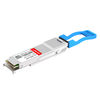
As modern data centers continue to evolve toward cloud computing, virtualization, AI workloads, and high-performance storage, network bandwidth demands are increasing. The transition from 10G and 40G to 100G Ethernet has become a standard upgrade path for spine-leaf architectures and high-density server deployments. However, while high-speed connectivity is essential, not every data center link requires long-distance transmission. In fact, most connections — such as Top-of-Rack (ToR) to leaf or leaf to spine — are deployed within relatively short distances inside the same facility.
This is where short-range 100G optical modules become critically important. Data center operators are constantly searching for solutions that deliver high bandwidth, low latency, cost efficiency, and simplified cabling. Among the available 100G transceivers, QSFP-100G-SR4 has become one of the most widely adopted options for short-reach multimode fiber links.
This article will take a comprehensive look at the QSFP-100G-SR4, explaining what it is, its technical specifications, and how it operates. We will explore its distinct advantages for short-range links, compare it against other 100G QSFP modules, and outline its typical use cases in data center architectures. Furthermore, we will cover essential cabling requirements, troubleshooting tips, and highlight reliable QSFP-100G-SR4 solutions for your network build or upgrade.
? What is QSFP-100G-SR4
QSFP-100G-SR4 is a high-speed optical fiber transceiver designed for short-range 100G Ethernet connections over multimode fiber. It is widely deployed in data centers to support high-bandwidth interconnects within racks and between switches.
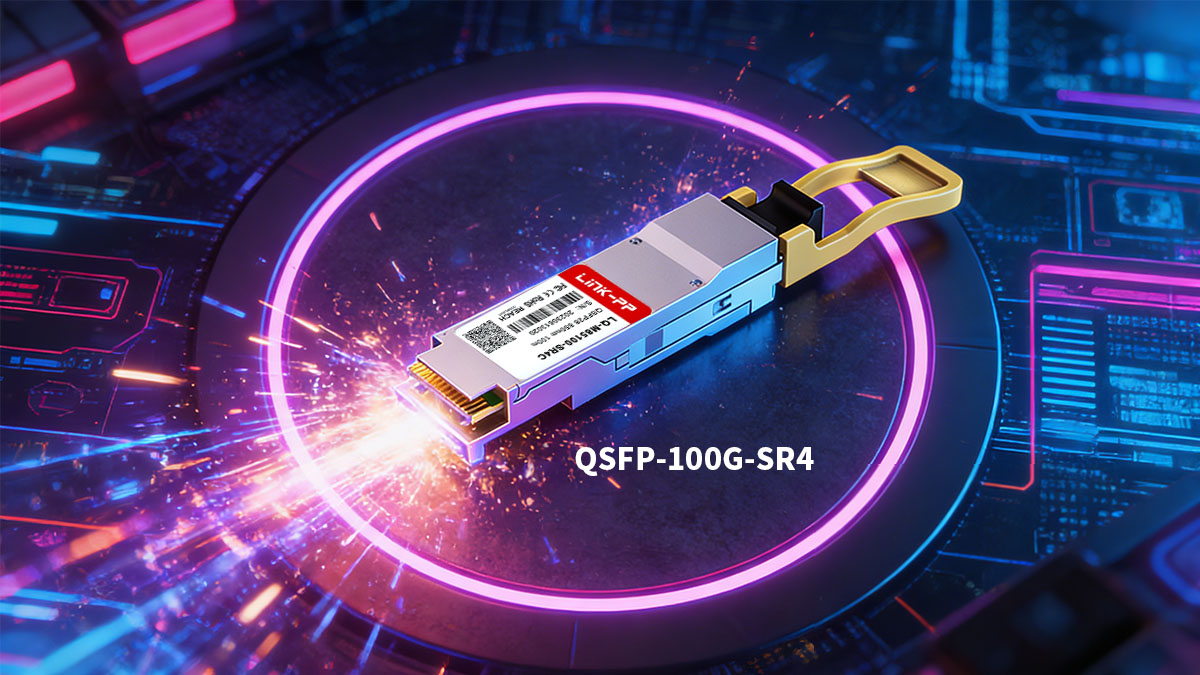
QSFP-100G-SR4 Meaning and Standard Definition
The name QSFP-100G-SR4 itself reveals its key characteristics.
- QSFP – Quad Small Form-factor Pluggable, a compact, hot-pluggable transceiver form factor that supports high port density.
- 100G – Indicates a total data rate of 100 Gigabits per second.
- SR4 – Short Range with 4 parallel lanes.
QSFP-100G-SR4 is defined under the IEEE 802.3bm 100GBASE-SR4 standard. It is designed for short-distance transmission over multimode fiber (MMF), typically using 850nm wavelength VCSEL (Vertical Cavity Surface Emitting Laser) technology. The module transmits data over four parallel optical lanes in each direction.
What is QSFP-100G-SR4 Spec
When it comes to the QSFP-100G-SR4 module, its performance is defined by a few key physical and optical specifications, including:
- Data Rate: 100Gbps (4 × 25Gbps Lanes)
- Wavelength: 850nm
- Fiber Type: OM3/OM4 Multimode Fiber
- Connector Type: MTP/MPO-12 (8 Fibers Used)
- Maximum Transmission Distance: Up to 70m on OM3; Up to 100m on OM4
- Modulation Format: NRZ (Non-Return-to-Zero)
- Operating Temperature: Typically 0°C to 70°C (Commercial Range)
Because it uses multimode fiber and short-wavelength VCSEL technology, QSFP-100G-SR4 offers a cost-effective solution for high-density deployments within data centers.
How QSFP-100G-SR4 Operates over Parallel Optics
Unlike duplex single-fiber solutions such as LR4 or CWDM4, QSFP-100G-SR4 operates using parallel optics technology. It splits the 100G signal into four independent 25G electrical lanes, which are then converted into four optical transmit lanes. On the receiving side, four optical lanes are converted back into electrical signals and recombined into a single 100G data stream.
The module uses an MTP/MPO-12 connector, where:
- 4 fibers are used for transmission (Tx)
- 4 fibers are used for reception (Rx)
This parallel transmission design reduces complexity compared to wavelength-division multiplexing (WDM) systems and enables lower latency and lower power consumption. Also, QSFP-100G-SR4 supports 4×25G breakout capability, allowing one 100G port to be split into four 25G SFP28 connections, offering flexibility for network expansion and migration.
By leveraging parallel multimode fiber links, QSFP-100G-SR4 delivers reliable, high-speed performance optimized specifically for short-range data center environments.
? Advantages of QSFP-100G-SR4 for Short-Range Data Center Links
QSFP-100G-SR4 modules are specifically designed for high-performance, short-distance interconnections within modern data centers. They provide a balance between speed, cost, and efficiency, making them a preferred choice for backbone and aggregation layers in high-density environments.
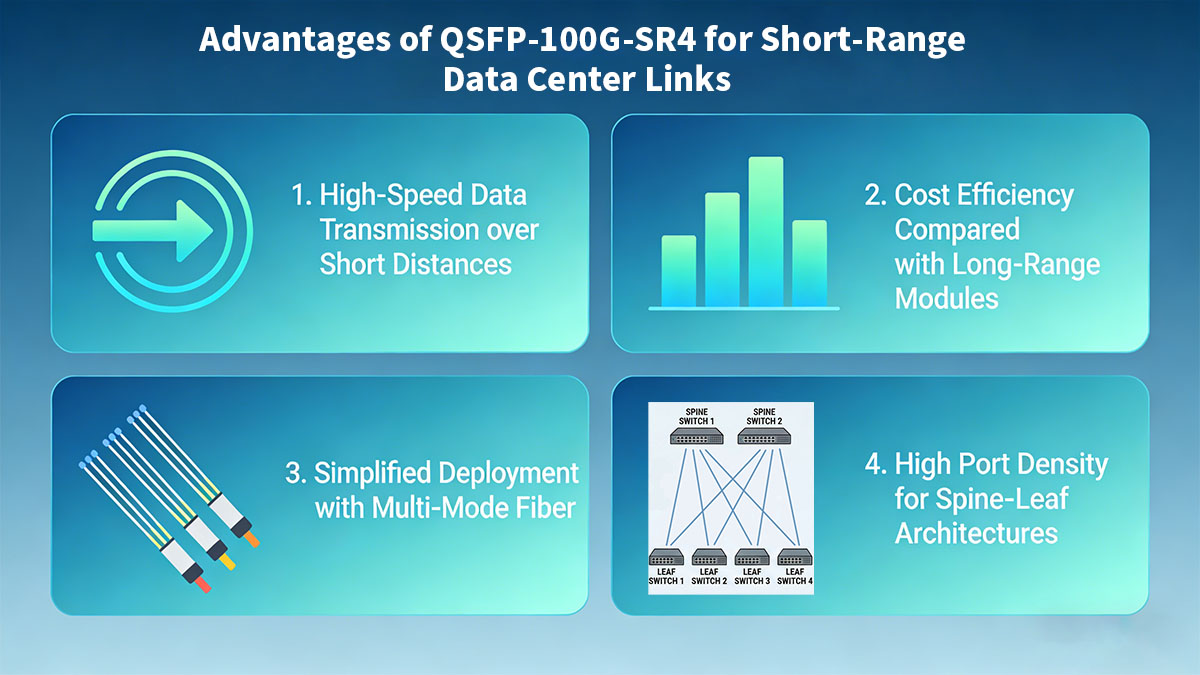
High-Speed Data Transmission over Short Distances
QSFP-100G-SR4 supports 100Gbps aggregate bandwidth by transmitting 4 independent lanes of 25Gbps over parallel multi-mode fibers. This architecture ensures low latency and high throughput, making it ideal for high-performance computing (HPC), cloud infrastructure, and large-scale enterprise data centers.
With support for distances up to 70m over OM3 fiber and up to 100m over OM4 fiber, QSFP-100G-SR4 efficiently covers typical rack-to-rack and row-to-row connections. Its optimized performance for short-range transmission minimizes signal degradation and maintains stable link quality in dense switching environments.
Cost Efficiency Compared with Long-Range Modules
Compared with long-reach modules such as 100G LR4 or 100G CWDM4, SR4 modules are significantly more cost-effective. They use multi-mode fiber (MMF) instead of single-mode fiber (SMF), which reduces both transceiver and cabling expenses.
Additionally, SR4 modules typically consume less power than long-range optics, helping reduce overall operational costs in large-scale deployments. For short-distance links within a data center, choosing SR4 eliminates unnecessary investment in long-haul optical technology.
Simplified Deployment with Multi-Mode Fiber
Deploying a QSFP-100G-SR4 link is often more straightforward than single-mode alternatives due to the properties of multi-mode fiber (MMF). MMF features a larger core diameter, which relaxes the alignment tolerances required for connector termination and splicing. This makes on-site installation and connector termination less complex and less time-consuming for technicians.
Furthermore, MMF cabling infrastructure and components (like patch panels and fiber cassettes) are generally more affordable and widely available, simplifying the procurement and deployment process for new data center builds or expansions.
High Port Density for Spine-Leaf Architectures
In modern spine-leaf architectures, switch real estate is a premium commodity. The QSFP-100G-SR4 module utilizes the standard QSFP28 form factor, which is physically compact. This small size allows network designers to maximize front-panel port density on top-of-rack (ToR) and spine switches, enabling them to achieve the high radix required for non-blocking fabrics.
Because SR4 modules consume less power than their long-reach counterparts, they also contribute to lower overall thermal loads, allowing switches to run cooler and maintain high performance in densely packed racks without risking overheating.
? QSFP-100G-SR4 vs. Other 100G Transceivers: What Makes SR4 Different
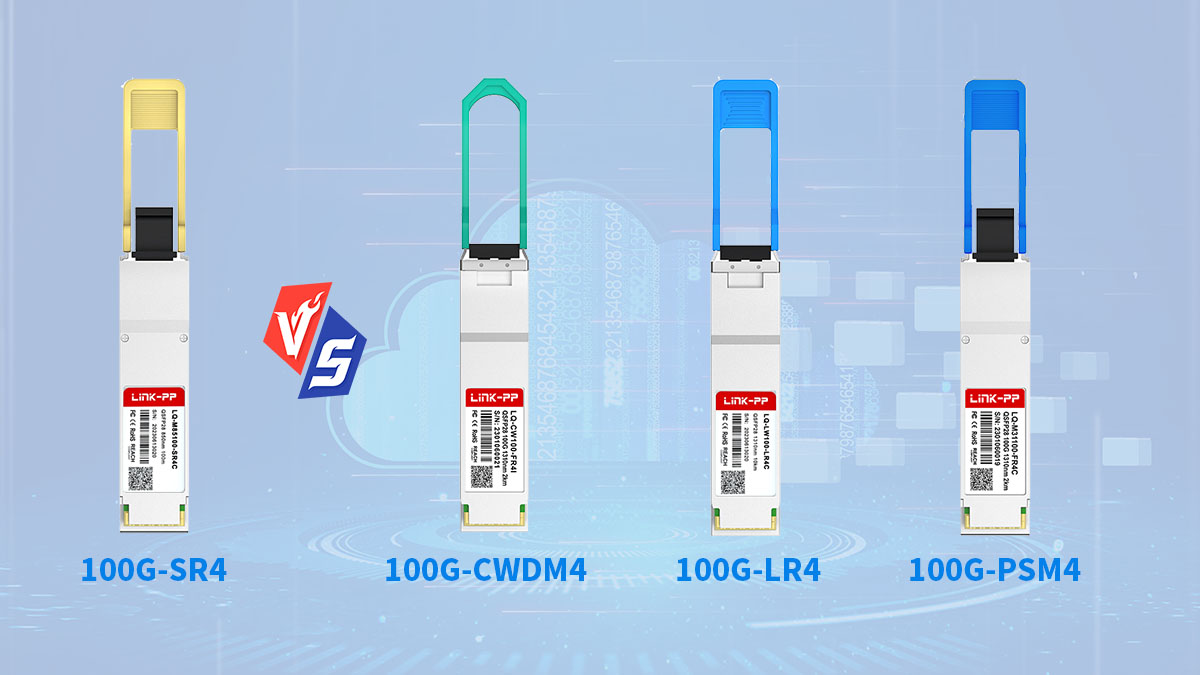
When designing 100G data center links, choosing the right SFP transceiver is largely determined by transmission distance, fiber type, cabling complexity, and cost structure. While QSFP-100G-SR4 is optimized for short-reach connections over multimode fiber (MMF), other 100G modules such as CWDM4, LR4, and PSM4 are designed for longer distances or different fiber infrastructures. Understanding their architectural and operational differences helps network architects select the most efficient and cost-effective solution for specific deployment scenarios.
In simple terms, SR4 is ideal for short-distance, high-density data center interconnects using multimode fiber and MPO connectors. CWDM4 and LR4 are designed for longer distances over single-mode fiber (SMF) using wavelength-division multiplexing. PSM4, like SR4, uses parallel optics but operates over single-mode fiber instead of multimode fiber.
Key Differences at a Glance
| Feature |
QSFP-100G-SR4 |
QSFP-100G-CWDM4 |
QSFP-100G-LR4 |
QSFP-100G-PSM4 |
| Transmission Medium |
Multimode Fiber (MMF) |
Single-mode Fiber (SMF) |
Single-mode Fiber (SMF) |
Single-mode Fiber (SMF) |
| Maximum Distance |
70m (OM3) / 100m (OM4) |
Up to 2km |
Up to 10km |
Up to 500m |
| Connector Type |
MTP/MPO-12 |
Duplex LC |
Duplex LC |
MTP/MPO-12 |
| Wavelength |
850nm |
1271-1331nm |
1295-1310nm |
1310nm |
| Optical Technology |
4×25G Parallel Optics |
4 Wavelength CWDM |
4 Wavelength LAN-WDM |
4×25G Parallel Optics |
| Relative Cost |
Lowest |
Medium |
Highest |
Medium-low |
QSFP-100G-SR4 vs. QSFP-100G-CWDM4
The primary difference between SR4 and CWDM4 lies in fiber type and transmission method. SR4 uses multimode fiber with 850nm VCSEL lasers and parallel optics (4 transmit + 4 receive fibers). In contrast, QSFP 100G CWDM4 operates over single-mode fiber and uses coarse wavelength division multiplexing to transmit four wavelengths over just two fibers.
Because CWDM4 uses duplex LC connectors and SMF, it simplifies fiber count but increases module complexity and cost. SR4, on the other hand, is more cost-efficient for short in-rack and row-level data center connections where multimode fiber infrastructure already exists.
QSFP-100G-SR4 vs. QSFP-100G-LR4
QSFP 100G LR4 is designed for significantly longer distances — up to 10km over single-mode fiber. Like CWDM4, it uses wavelength multiplexing technology but with LAN-WDM wavelengths for extended reach.
Compared to SR4, LR4 modules have more complex internal optical components (e.g., DFB lasers and multiplexers), which increases power consumption and price. While LR4 is ideal for inter-building or metro connections, it is typically over-specified and unnecessarily expensive for short-distance data center deployments.
QSFP-100G-SR4 vs. QSFP-100G-PSM4
SR4 and PSM4 both use parallel optics architecture (4×25G lanes). However, the critical difference is fiber type. SR4 operates over multimode fiber at 850nm, while PSM4 uses single-mode fiber at 1310nm.
QSFP 100G PSM4 supports longer reach (up to 500m) than SR4 but requires single-mode infrastructure. Although both use MPO connectors, they are not interchangeable due to wavelength and fiber compatibility differences.
In short-distance, high-density data center environments where multimode fiber is common, SR4 remains the more cost-effective option. PSM4 becomes advantageous when single-mode fiber is preferred and slightly longer distances are required without moving to CWDM4 or LR4.
? Typical QSFP-100G-SR4 Use Cases in Data Center Architectures
QSFP-100G-SR4 is extensively used in short-distance 100G interconnections within data centers. Below are several practical deployment scenarios that demonstrate its role in supporting high-speed, high-density network infrastructures.
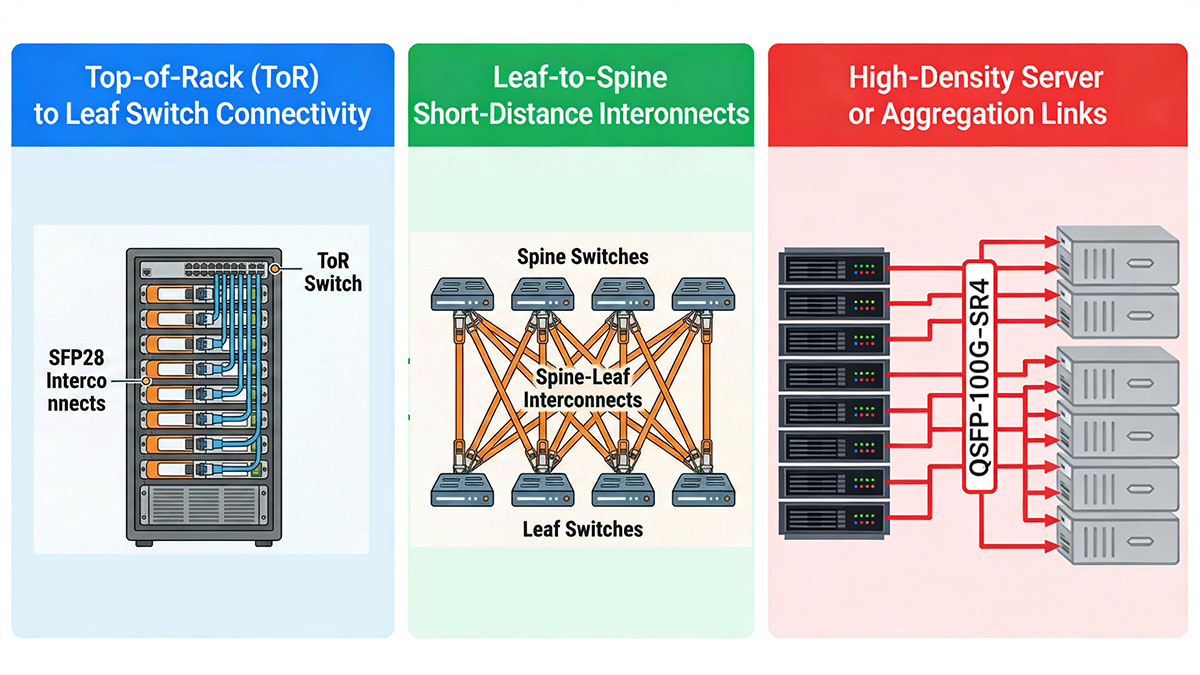
Top-of-Rack (ToR) to Leaf Switch Connectivity
In a Top-of-Rack configuration, servers within a single rack connect downstream to a ToR switch. The QSFP-100G-SR4 is widely used for the uplink from this ToR switch to an aggregation or leaf switch located in the same row or a neighboring row. It provides the necessary 100G bandwidth to aggregate all server traffic without oversubscription, utilizing low-cost multimode fiber (MMF) for these short, intra-rack or intra-row hops.
Leaf-to-Spine Short-Distance Interconnects
Within a leaf-spine architecture, the leaf switches (aggregation layer) must connect to every spine switch (core layer) to ensure non-blocking performance. These links often run between different rows or across the same row within a data center hall. QSFP-100G-SR4 modules are perfectly suited for these short-reach interconnects, providing high-speed, low-latency links that form the backbone of the fabric's east-west traffic flow, typically within 70m to 100m.
High-Density Server or Aggregation Links
For environments requiring high-density computing, such as high-performance computing (HPC) clusters or large-scale storage networks, the QSFP-100G-SR4 enables high-bandwidth aggregation. It is frequently used in a breakout configuration (connected to an MPO breakout cable) to link a single 100G switch port to four separate 25G servers or devices. Alternatively, it serves as a trunk link to aggregate traffic from multiple 10G or 25G switches upstream to a central core, maximizing port utilization and simplifying cabling in dense deployment zones.
? QSFP-100G-SR4 Cabling Requirements for Data Centers
To achieve optimal performance with QSFP-100G-SR4 modules, careful attention must be paid to the physical layer infrastructure. Unlike single-mode 100G transceivers, SR4 optics rely on parallel multimode fiber and specific connector types to transmit data, making correct cabling selection and design crucial for link reliability.
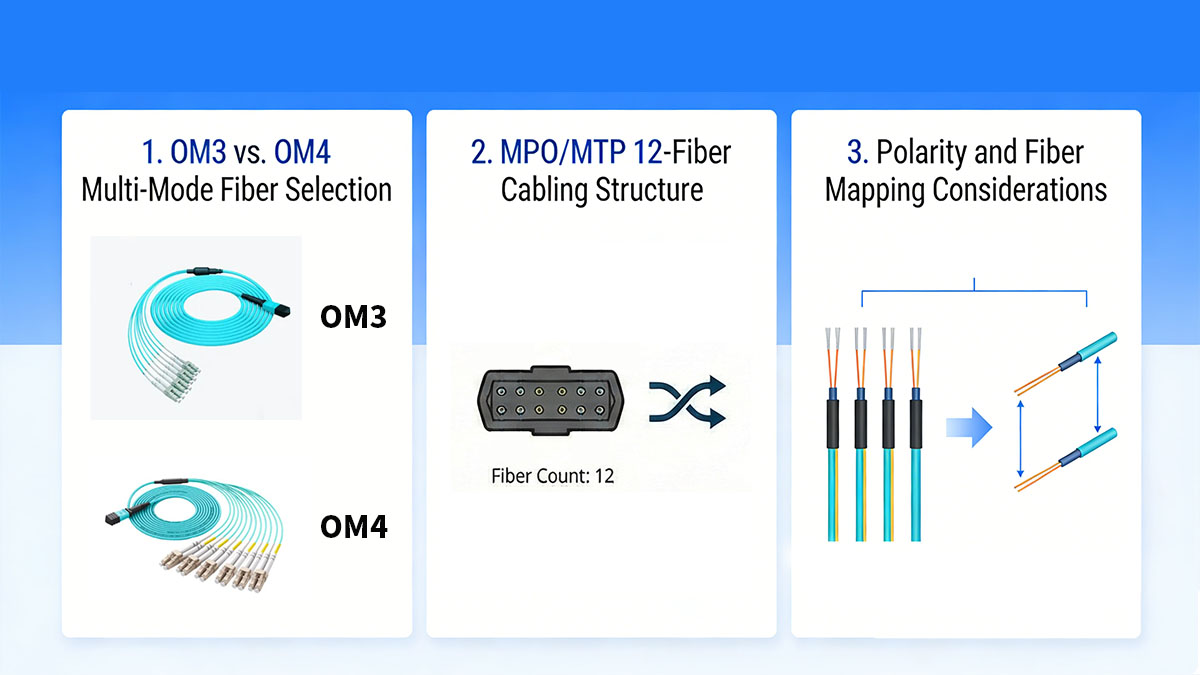
OM3 vs. OM4 Multi-Mode Fiber Selection
QSFP-100G-SR4 modules are designed to operate over multi-mode fiber (MMF), specifically OM3 and OM4. Both fiber types support 850nm transmission, but they differ in bandwidth performance and maximum link distance.
- OM3 fiber typically supports up to 70m for 100G SR4 applications. It is cost-effective and suitable for shorter intra-rack or row-level connections.
- OM4 fiber supports up to 100m, offering improved modal bandwidth and better performance margins for high-density data center deployments.
For new installations, OM4 is often preferred due to its extended reach and improved signal integrity, while OM3 remains a practical choice for cost-sensitive or shorter-distance deployments.
MPO/MTP 12-Fiber Cabling Structure
QSFP-100G-SR4 modules utilize a parallel optics design that requires a 12-fiber MPO (or MTP, a high-performance version of MPO) connector interface. This structured cabling approach uses eight fibers for active data transmission (four fibers for transmitting and four for receiving) and four fibers that are typically unused for standard 100G SR4 applications. The female MPO connector on the module must mate with a male MPO trunk cable or cassette to establish the physical connection.
Polarity and Fiber Mapping Considerations
Correct polarity is critical for QSFP-100G-SR4 connectivity. Since the module uses separate transmit and receive fiber lanes, any polarity mismatch can result in link failure.
Data centers commonly implement Method A (straight), Method B (reversed), or Method C (crossed) polarity schemes. For SR4 deployments, Method B is frequently used to ensure that transmit lanes on one end connect to receive lanes on the other end.
Accurate fiber lane mapping and consistent polarity management across patch panels, trunks, and cassettes are essential to avoid costly troubleshooting and downtime.
Maximum Supported Link Distance
According to the IEEE 802.3bm standard, the maximum supported link distance for 100G SR4 is 70m on OM3 fiber and 100m on OM4 fiber. While these distances are standard, the actual achievable distance can be influenced by the total channel insertion loss (connector loss, splice loss, and attenuation). It is important to verify the link loss budget to ensure compliance with the module's specifications, especially in complex cabling topologies.
? Troubleshooting and Maintenance Tips for QSFP-100G-SR4 Links
Maintaining the performance of QSFP-100G-SR4 links is essential for ensuring seamless data transfer in data center environments. The following are some common troubleshooting tips and maintenance practices to address potential issues and maintain optimal link operation.
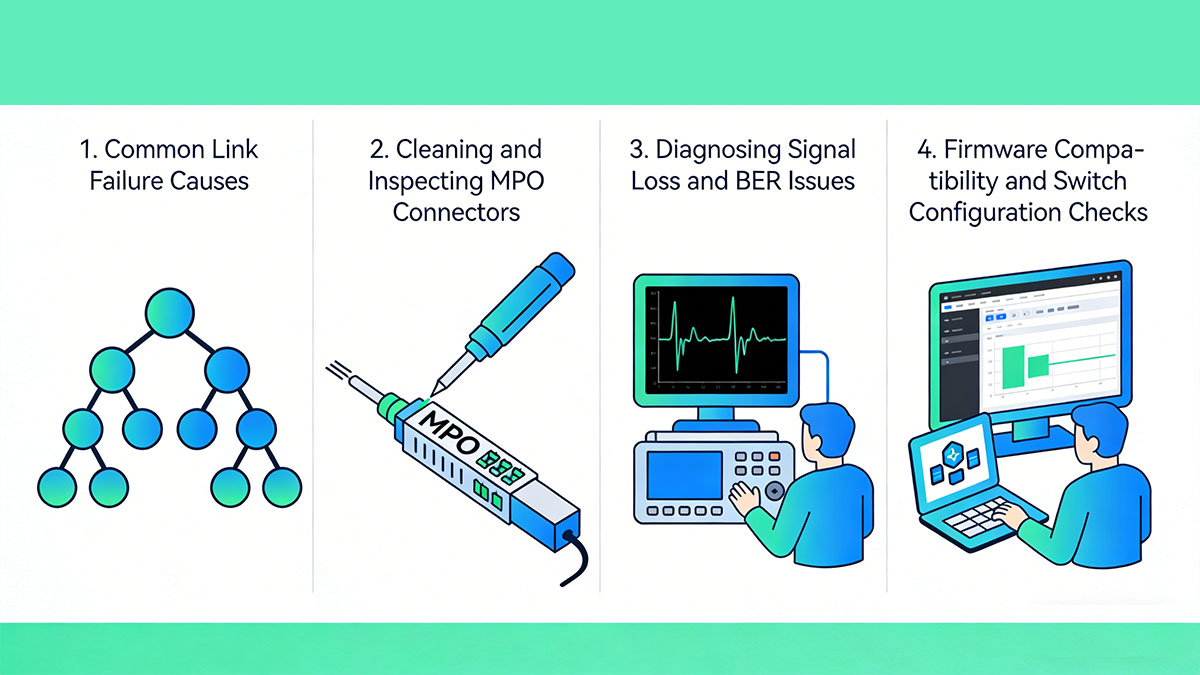
Common Link Failure Causes
Typical causes of QSFP-100G-SR4 link failures include contamination on MPO/MTP interfaces, excessive cable bending, improper polarity, or mismatched transceiver types. Environmental factors such as high temperature or dusty environments can also degrade optical performance. Identifying whether the failure stems from optical, electrical, or configuration issues is the first step toward effective troubleshooting.
Cleaning and Inspecting MPO Connectors
MPO connectors are critical in maintaining the performance of QSFP 100G SR4 links. Dirt, dust, and oil on MPO connectors can severely degrade signal quality. Regular cleaning using specialized cleaning tools for MPO connectors and visual inspection for signs of wear or contamination are key to preventing link issues.
Diagnosing Signal Loss and BER Issues
When signal loss or a high Bit Error Rate (BER) is detected, a systematic diagnostic approach is necessary. Start by checking the optical receive power on the switch interface to ensure it is above the module's sensitivity threshold.
If the power is low, use an optical power meter and light source to test the individual fibers within the MPO trunk, identifying potential breaks or excessive loss. Comparing the digital diagnostic monitoring (DOM) readings from both ends of the link can also help isolate whether the issue resides with the transmitter, the receiver, or the fiber plant itself.
Firmware Compatibility and Switch Configuration Checks
Intermittent issues or a complete failure to establish a link can often stem from software rather than hardware. Verify that the transceiver module's firmware version is compatible with the manufacturer and the operating system of your switch; incompatible firmware can prevent the module from initializing correctly.
Additionally, double-check the switch port configuration to ensure it is set for the correct speed (100G) and that features like auto-negotiation are configured appropriately for the standard.
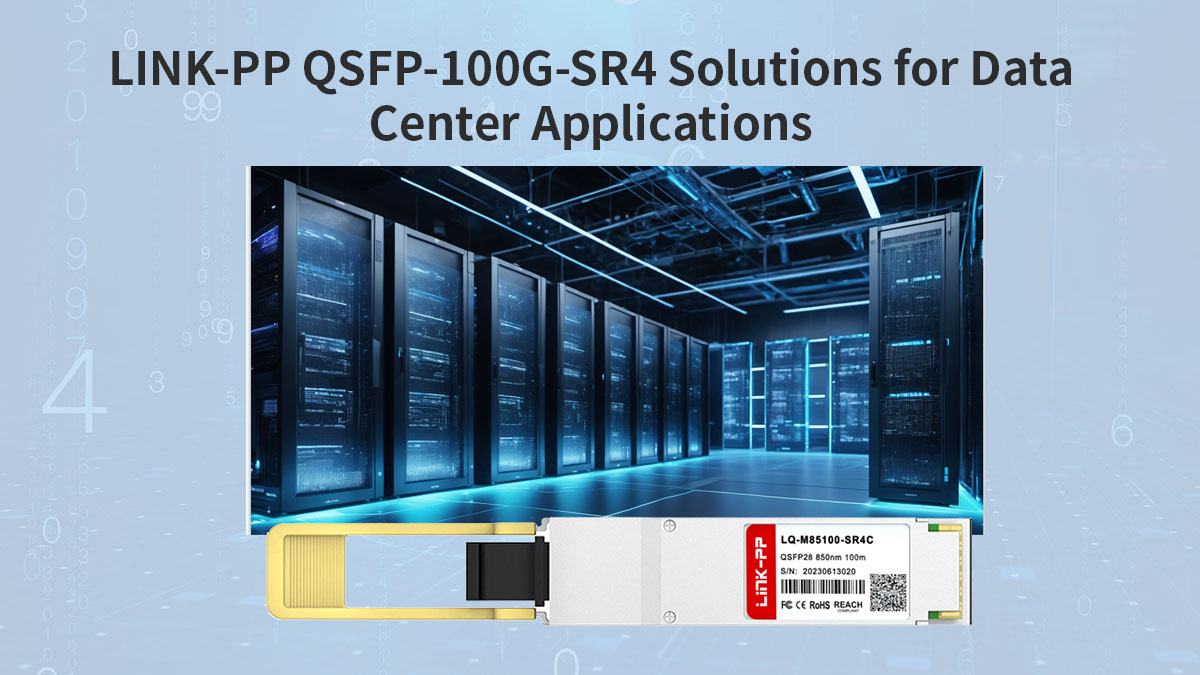
? LINK-PP QSFP-100G-SR4 Solutions for Data Center Applications
LINK-PP provides high-performance QSFP-100G-SR4 transceivers tailored for modern data center environments that demand reliable short-range 100G connectivity. Our solutions are engineered to deliver stable transmission, superior compatibility, and long-term operational reliability for high-density network architectures.
Why Choose LINK-PP for QSFP-100G-SR4 Modules
Choosing LINK-PP means choosing uncompromised quality and performance. Our QSFP-100G-SR4 modules are built with imported optical components and premium imported chipsets to ensure stable signal transmission and low bit error rates even under high-load conditions.
In addition, we use precision ceramic ferrules to enhance fiber alignment accuracy and reduce insertion loss, while thickened gold fingers improve electrical conductivity and durability during repeated insertions. These high-grade materials and strict quality control processes guarantee excellent product consistency, long service life, and full compliance with industry standards.
Recommended Transceiver Module: LINK-PP QSFP-100G-SR4
The LINK-PP LQ-M85100-SR4C 100GBASE SR4 transceiver is purpose-built for high-density 100G short-reach data center interconnects. Designed in a QSFP28 form factor, it supports 100GBASE transmission over multi-mode fiber using 850nm VCSEL technology, delivering stable 100Gbps performance for spine-leaf, ToR, and aggregation networks.
A key advantage of the LQ-M85100-SR4C is its support for DDM/DOM (Digital Diagnostic Monitoring / Digital Optical Monitoring). This feature allows real-time monitoring of critical operating parameters such as module temperature, supply voltage, transmit bias current, transmit optical power, and receive optical power. With DOM functionality, network administrators can proactively detect potential issues, optimize link performance, and improve overall network reliability through predictive maintenance.
The module also features built-in CDR (Clock and Data Recovery) on both the transmit and receive paths. Integrated CDR helps regenerate and retime signals, significantly reducing jitter and improving signal integrity across all four 25Gbps lanes. This ensures stable data transmission, enhanced BER performance, and better compatibility with high-speed switch ASICs in demanding data center environments.
? QSFP-100G-SR4 Related FAQs
What is the maximum distance supported by QSFP-100G-SR4?
QSFP-100G-SR4 supports transmission distances of up to 70m over OM3 multimode fiber and up to 100m over OM4 multimode fiber, as defined by the IEEE 802.3bm standard. The actual achievable distance may vary depending on total link loss, connector quality, and overall cabling conditions within the data center.
Can QSFP-100G-SR4 modules work with OM3 fibers?
Yes, QSFP-100G-SR4 modules are fully compatible with OM3 multimode fiber. When deployed over OM3, the maximum supported distance is typically 70m, making it suitable for most short in-rack and row-level data center connections.
What connector type does QSFP-100G-SR4 use?
QSFP-100G-SR4 uses an MTP/MPO-12 connector interface. Although it features 12 fiber positions, only 8 fibers are actively used — 4 for transmit (Tx) and 4 for receive (Rx) — to support its parallel 4×25G optical architecture.
Can QSFP-100G-SR4 break out to 4x25G?
Yes, QSFP-100G-SR4 supports 4×25G breakout functionality. By using an MPO to 4×LC breakout cable, one 100G QSFP28 port can be split into four independent 25G SFP28 connections, providing flexible migration paths and efficient port utilization in high-density environments.
Is QSFP-100G-SR4 backward compatible with 40G networks?
QSFP-100G-SR4 is not directly backward compatible with 40G SR4 because they operate at different lane speeds (25G per lane for 100G vs. 10G per lane for 40G). However, some switches may support speed configuration adjustments, so compatibility ultimately depends on the specific hardware platform and firmware support.
? Wrapping Up: Key Takeaways for Deploying QSFP-100G-SR4
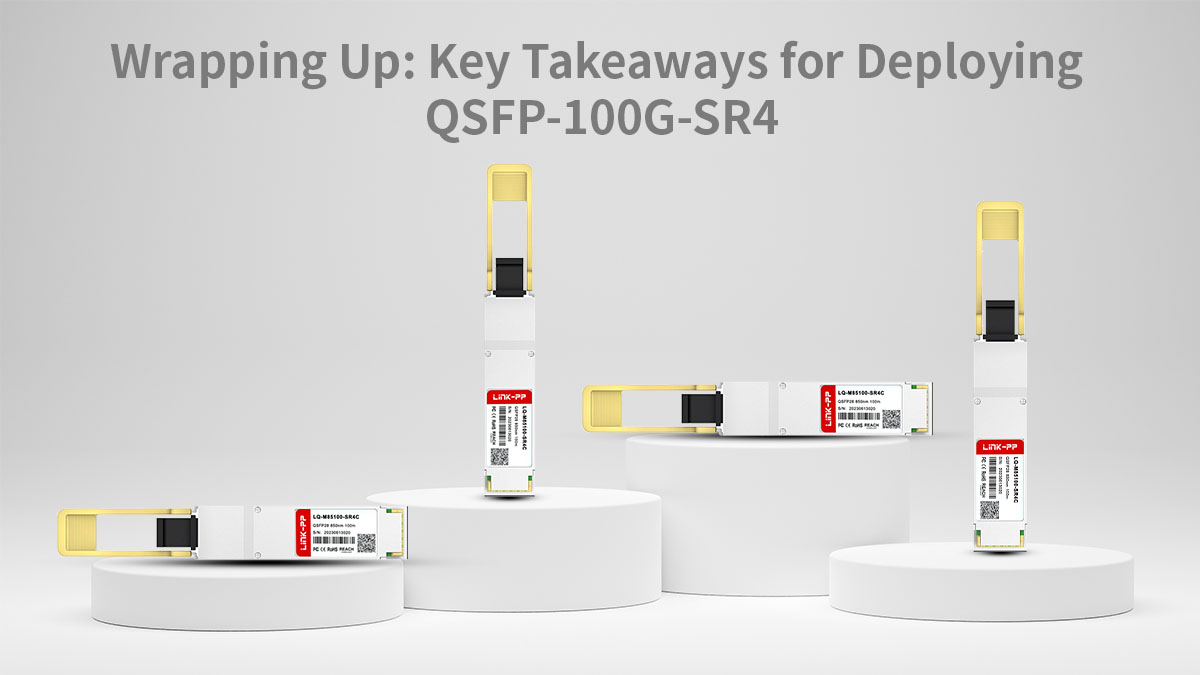
QSFP-100G-SR4 has established itself as a cornerstone technology for short-reach 100G connectivity within modern data centers. Its parallel optics design, combined with cost-effective multimode fiber infrastructure, delivers the high bandwidth, low latency, and high port density required for spine-leaf architectures, top-of-rack uplinks, and high-performance computing clusters.
Whether you are upgrading an existing facility or building a new high-density data center, selecting reliable, high-quality QSFP-100G-SR4 transceiver modules is critical to ensuring network stability and longevity. For proven performance and seamless compatibility, explore the comprehensive range of high-quality optical transceiver solutions at the LINK-PP Official Store.