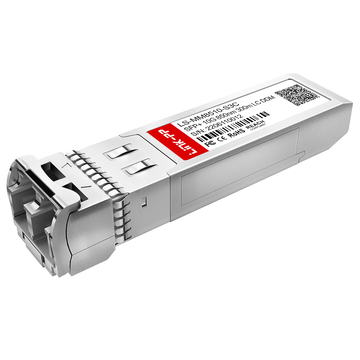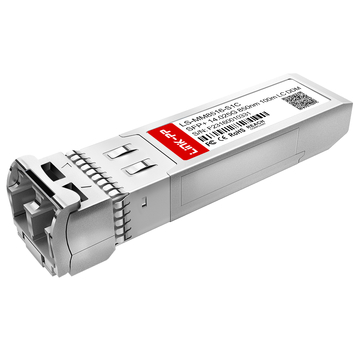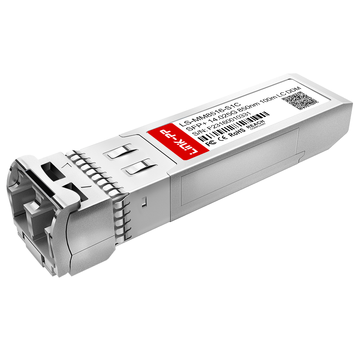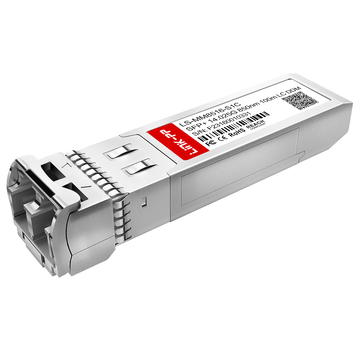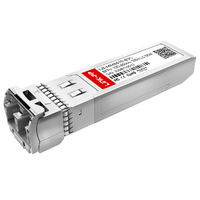
SFP 16G has become a key building block in modern storage networking, especially in environments where high-speed, low-latency data transfer is essential. As enterprises continue to rely on storage area networks (SANs) to support virtualization, databases, and mission-critical applications, understanding how 16G SFP modules work—and where they fit—has become increasingly important.
At its core, SFP 16G refers to optical transceiver designed for 16G Fibre Channel, delivering a line rate of 14.025Gbps with improved efficiency compared to earlier generations. Positioned between legacy 8G and newer 32G technologies, it offers a balanced combination of performance, compatibility, and deployment flexibility. This makes it a widely adopted option in existing data centers and transitional network architectures.
This guide explores the fundamentals of SFP 16G, including its technical specifications, module types, performance advantages, and real-world applications. It also examines how it compares to other transceiver standards and what to consider when deploying it in modern optical networks.
📪What Is SFP 16G?
SFP 16G refers to optical transceivers designed for 16G Fibre Channel, primarily used in storage area networks to deliver high-speed, low-latency data transmission. It operates at a line rate of 14.025Gbps and is typically implemented using SFP+ form factors, making it compatible with modern high-density networking equipment.
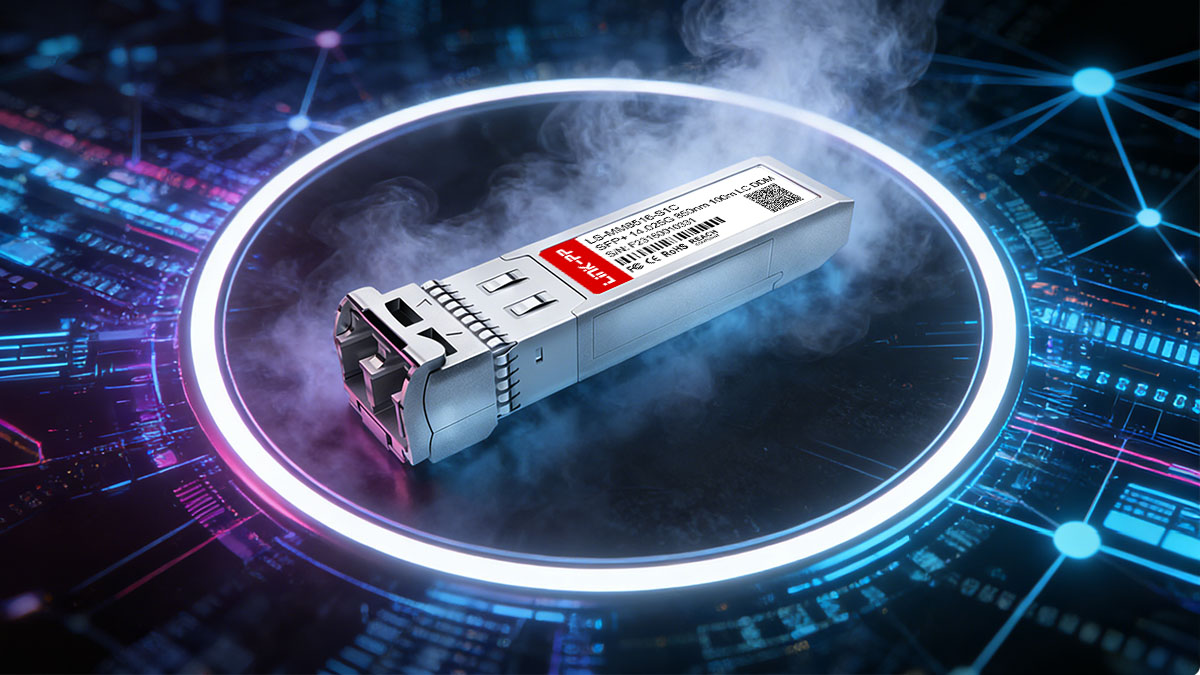
Definition of 16G SFP Modules
SFP 16G modules are hot-pluggable optical transceivers used to connect switches, servers, and storage systems within Fibre Channel-based SAN environments. They are engineered to support the 16G Fibre Channel standard, enabling faster data exchange compared to earlier 4G and 8G technologies.
Key characteristics include:
- Designed specifically for Fibre Channel protocol rather than Ethernet
- Typically built on SFP+ electrical interfaces
- Support for both multimode and single-mode fiber deployments
In practical terms, these modules serve as the physical layer interface that converts electrical signals from network equipment into optical signals for transmission over fiber.
Key Technical Characteristics
SFP 16G modules are defined by several important technical parameters that determine their performance and deployment scenarios.
A concise comparison of core specifications is shown below:
| Parameter | Typical Value | Notes |
|---|---|---|
| Data Rate | 14.025Gbps | 16G Fibre Channel line speed |
| Encoding | 64b/66b | Improved efficiency |
| Wavelength | 850nm / 1310nm | Depends on module type |
| Transmission Reach | 100m to 10km+ | Based on fiber and optics |
These specifications highlight that SFP 16G achieves higher bandwidth efficiency than earlier generations, while maintaining flexible deployment across short and long distances.
In addition, most modules use LC duplex connectors and are optimized for low power consumption, making them suitable for high-density switch environments.
Difference Between SFP and SFP+ in 16G Context
SFP 16G modules are commonly associated with the SFP+ form factor rather than the original SFP standard, primarily due to bandwidth requirements.
The key differences can be summarized as follows:
- SFP (1G): Designed for lower-speed applications such as Gigabit Ethernet
- SFP+ (10G and above): Supports higher data rates, including 16G Fibre Channel
- Electrical interface: SFP+ removes certain signal conditioning components, relying more on host-side processing
From a deployment perspective:
- SFP+ ports are required to support 16G speeds
- Many 16G Fibre Channel switches offer backward compatibility with 8G and 4G modules
- Using lower-speed modules in 16G ports may limit overall link performance
Overall, SFP 16G represents a high-speed evolution of the SFP form factor, leveraging SFP+ capabilities to meet the growing demands of modern storage networking.
📪16G Fibre Channel Standards and Protocols
16G Fibre Channel is defined as part of the evolution of Fibre Channel standards, introducing higher throughput and improved encoding efficiency to meet the demands of modern SAN environments. It builds on previous generations while maintaining interoperability and reliability across storage networks.
Overview of 16GFC (Fibre Channel)
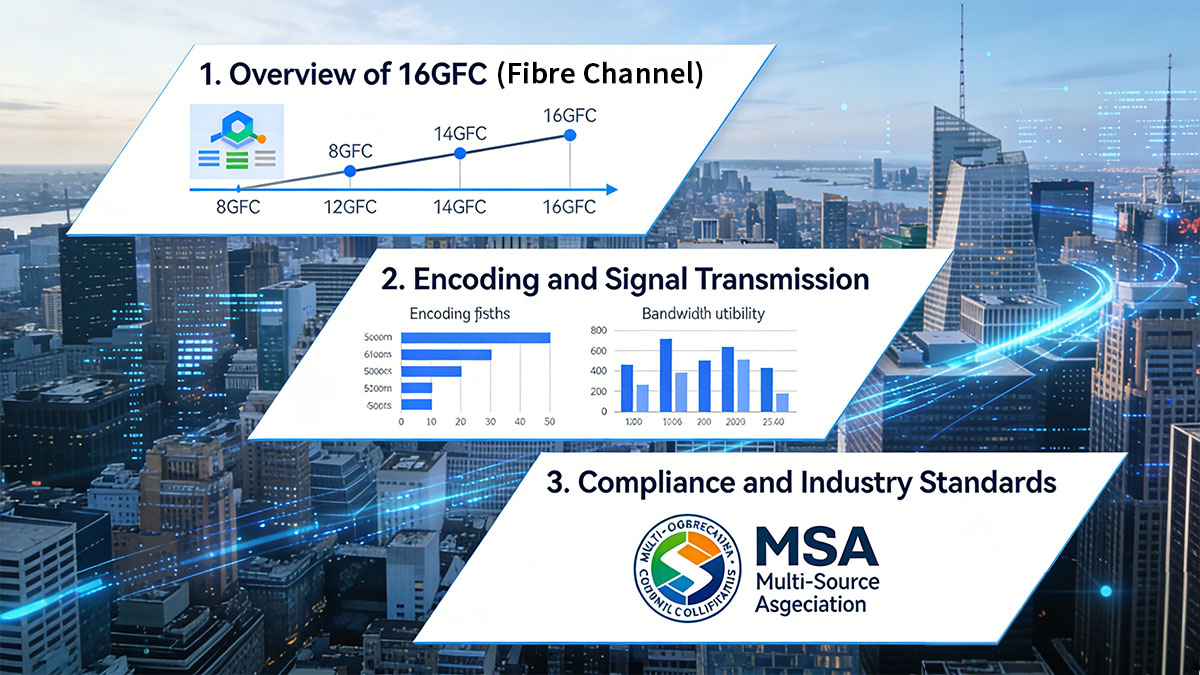
16G Fibre Channel (16GFC) represents a major step forward from 8GFC, primarily by doubling throughput and improving transmission efficiency. It is widely used in enterprise storage environments where consistent, lossless data delivery is critical.
A simplified comparison with earlier generations highlights its position:
| Fibre Channel Generation | Line Rate | Encoding | Relative Efficiency |
|---|---|---|---|
| 8GFC | 8.5Gbps | 8b/10b | Lower |
| 16GFC | 14.025Gbps | 64b/66b | Higher |
| 32GFC | 28.05Gbps | 64b/66b | Higher |
This shows that 16GFC not only increases raw bandwidth but also improves usable throughput due to more efficient encoding.
In practical deployments, 16GFC is commonly used in:
- Core and edge SAN switching
- Host bus adapter (HBA) connectivity
- Storage array interconnects
Encoding and Signal Transmission
16G Fibre Channel improves performance primarily through the adoption of 64b/66b encoding, which significantly reduces overhead compared to earlier encoding schemes.
The key differences are:
- 8b/10b encoding (used in 4G and 8GFC)
- 20% overhead
- Lower effective bandwidth
- 64b/66b encoding (used in 16GFC and above)
- ~3% overhead
- Higher transmission efficiency
This transition results in:
- More usable bandwidth without increasing physical signaling complexity
- Lower latency due to reduced encoding overhead
- Better overall link utilization in high-demand environments
From a signal integrity perspective, 16GFC also benefits from improved clock recovery and reduced electromagnetic interference, which enhances reliability over optical links.
Compliance and Industry Standards
16G Fibre Channel is governed by standards developed by industry organizations, ensuring interoperability across vendors and platforms.
Key compliance aspects include:
- Alignment with Fibre Channel standards defined by the INCITS T11 committee
- Adherence to Multi-Source Agreement (MSA) specifications for transceivers
- Standardized optical and electrical interfaces for consistent deployment
These standards enable:
- Cross-vendor compatibility between switches, HBAs, and optical modules
- Flexible sourcing of transceivers without vendor lock-in
- Predictable performance in multi-vendor SAN environments
In real-world scenarios, compliance ensures that SFP 16G modules from different manufacturers can operate seamlessly within the same network, provided they meet the required specifications and compatibility guidelines.
📪Types of SFP 16G Transceivers
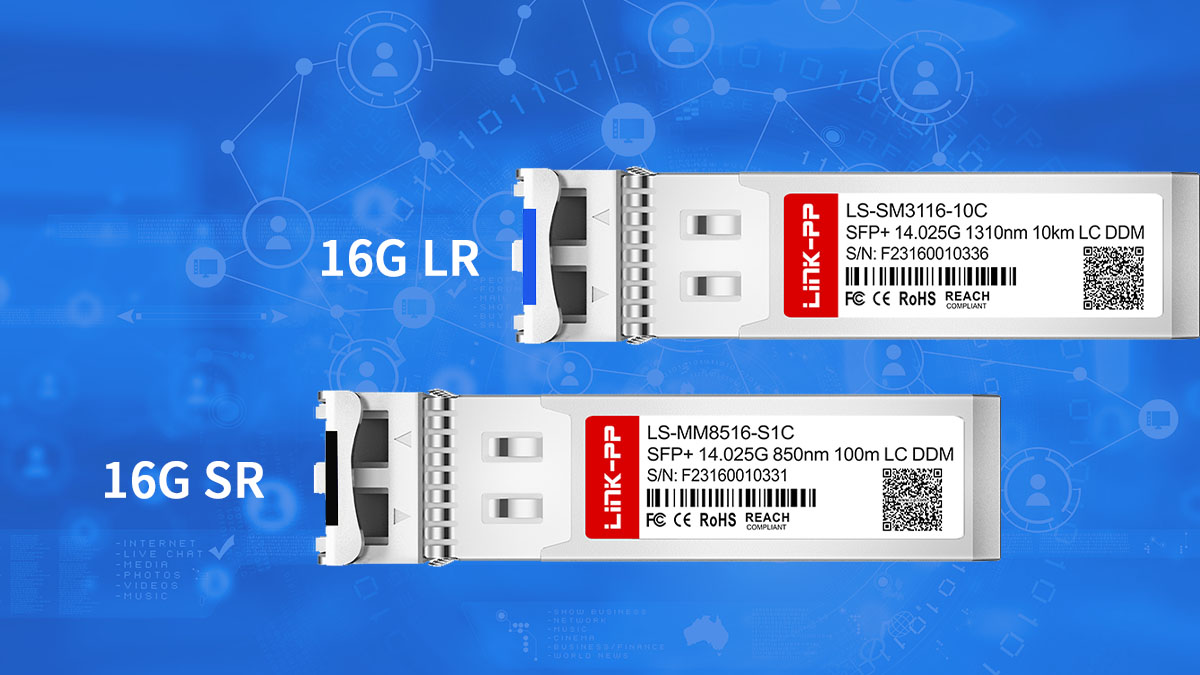
SFP 16G transceivers are available in multiple types based on transmission distance, fiber type, and application scenarios. The most common categories include short-range (SR), long-range (LR), and specialized variants designed for extended reach or advanced networking requirements.
Short Range (SR) Modules
16G SFP SR modules are optimized for short-distance communication over multimode fiber (MMF), making them the default choice for intra-data center connections.
A quick overview of their core characteristics:
| Parameter | Typical Value | Notes |
|---|---|---|
| Wavelength | 850nm | VCSEL-based optics |
| Fiber Type | Multimode (OM3/OM4) | Widely used in data centers |
| Transmission Reach | Up to 100m | Depends on fiber grade |
| Connector | LC duplex | Standard interface |
These modules are typically used for:
- Switch-to-switch links within racks or rows
- Server-to-switch connectivity
- High-density data center deployments
Because of their lower cost and power consumption, SR modules are ideal when distances are limited and scalability is a priority.
Long Range (LR) Modules
16G SFP LR modules are designed for longer-distance transmission over single-mode fiber (SMF), supporting connectivity across larger physical areas.
Their main specifications can be summarized as follows:
| Parameter | Typical Value | Notes |
|---|---|---|
| Wavelength | 1310nm | Laser-based transmission |
| Fiber Type | Single-mode (SMF) | Suitable for long distances |
| Transmission Reach | Up to 10km | Standard LR capability |
| Connector | LC duplex | Industry standard |
These modules are commonly deployed in:
- Campus network backbones
- Inter-building connections
- Metropolitan storage networks
Compared to SR modules, LR variants provide greater flexibility for distributed infrastructure but require higher-quality fiber and slightly higher optical budgets.
Extended and Specialized Variants
Beyond SR and LR, there are specialized SFP 16G transceivers designed for more advanced or niche deployment scenarios.
Common variants include:
- Extended Reach (ER) Modules
- Support distances beyond 10km (e.g., 25km or more)
- Used in wide-area or metro networks
- BiDi (Bidirectional) Transceivers
- Transmit and receive over a single fiber strand
- Reduce fiber usage in constrained environments
- CWDM/DWDM Modules
- Enable wavelength multiplexing
- Support high-capacity links over limited fiber infrastructure
These specialized options are typically selected when:
- Fiber resources are limited
- Longer distances exceed standard LR capabilities
- Network scalability and bandwidth aggregation are required
Overall, choosing the right type of SFP 16G transceiver depends on distance, fiber availability, and network design goals, with SR and LR covering most common deployments and specialized variants addressing more complex scenarios.
📪Key Performance Advantages of SFP 16G
SFP 16G delivers a balanced combination of high throughput, low latency, and efficient power usage, making it a strong fit for modern storage networks that require reliable and scalable performance. Its technical improvements over earlier Fibre Channel generations directly translate into better real-world efficiency in SAN environments.

Higher Throughput for Storage Networks
SFP 16G significantly increases available bandwidth compared to previous generations, enabling faster data transfer across storage infrastructures.
A direct comparison highlights the throughput improvement:
| Metric | 8G Fibre Channel | 16G Fibre Channel |
|---|---|---|
| Line Rate | 8.5Gbps | 14.025Gbps |
| Encoding | 8b/10b | 64b/66b |
| Effective Throughput | Lower | Higher |
This increase allows:
- Faster data access for high-performance applications
- Improved backup and replication speeds
- Reduced congestion in storage fabrics
In environments such as virtualization clusters or database systems, the additional throughput helps maintain consistent performance under heavy workloads.
Lower Latency and Improved Efficiency
SFP 16G improves transmission efficiency primarily through its use of 64b/66b encoding, which reduces overhead and enhances link utilization.
Key efficiency benefits include:
- Reduced encoding overhead (~3% vs 20% in 8b/10b)
- More usable bandwidth per link
- Faster data processing across the network
From a latency perspective:
- Fewer bits are required for encoding, shortening transmission time
- Improved frame handling reduces delays in high-traffic scenarios
These advantages are particularly important in:
- Real-time data processing environments
- High-frequency transaction systems
- Latency-sensitive storage applications
Energy Efficiency and Port Density
SFP 16G modules are designed to operate with relatively low power consumption while supporting high port density in modern networking equipment.
A simplified view of efficiency factors:
| Factor | SFP 16G Benefit | Impact |
|---|---|---|
| Power Consumption | Lower per port | Reduced operational cost |
| Form Factor | Compact (SFP+) | High port density |
| Thermal Output | Optimized | Easier cooling management |
These characteristics enable:
- Deployment of more ports within the same switch chassis
- Lower cooling requirements in dense environments
- Improved scalability for growing networks
As data centers continue to prioritize energy efficiency and space optimization, SFP 16G provides a practical balance between performance and resource utilization.
📪SFP 16G vs Other Optical Transceiver Standards
SFP 16G sits between legacy and next-generation transceiver technologies, offering a balance of performance, compatibility, and cost efficiency. Comparing it with other standards helps clarify when it is the most suitable choice and when alternatives may be more appropriate.
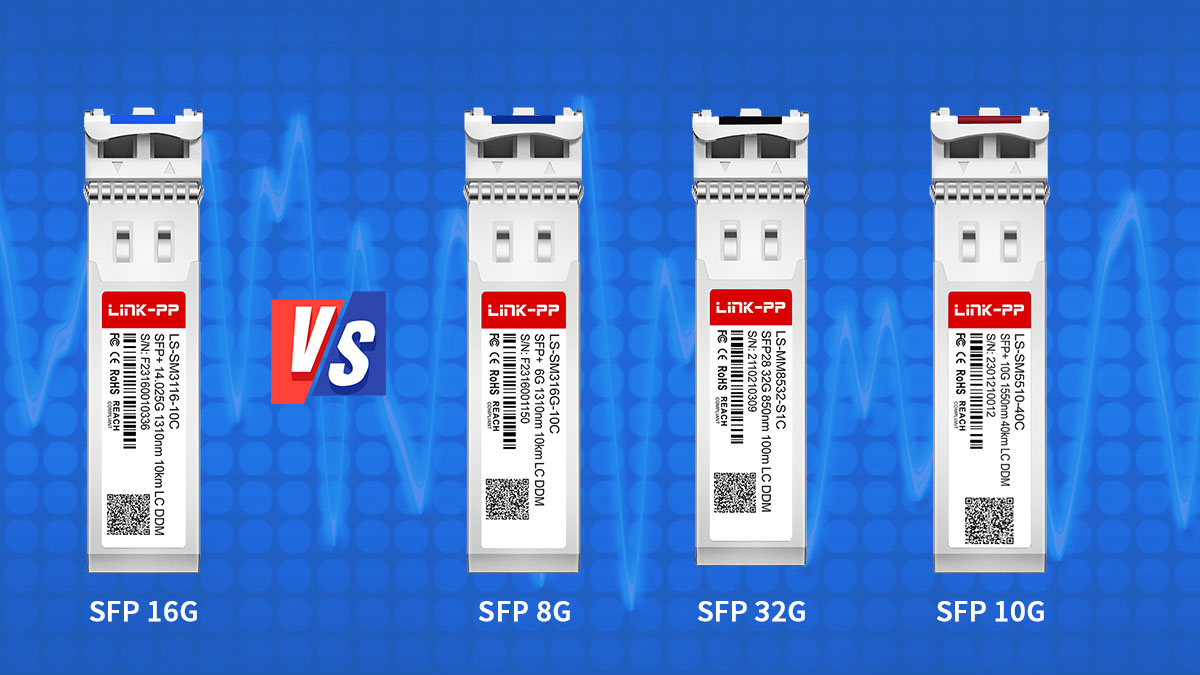
SFP 16G vs 8G Fibre Channel
SFP 16G provides approximately double the bandwidth of 8G Fibre Channel while significantly improving transmission efficiency, making it a natural upgrade path for existing SAN environments.
A direct comparison illustrates the differences:
| Feature | 8G Fibre Channel | 16G Fibre Channel |
|---|---|---|
| Line Rate | 8.5Gbps | 14.025Gbps |
| Encoding | 8b/10b | 64b/66b |
| Efficiency | Lower | Higher |
| Typical Use Case | Legacy SAN | Modern SAN |
This upgrade results in:
- Reduced bottlenecks in storage traffic
- Better support for virtualization and large datasets
- Seamless migration with backward compatibility
For organizations running 8G infrastructure, transitioning to 16G often provides immediate performance gains without requiring a complete redesign.
SFP 16G vs 32G Fibre Channel
SFP 16G offers lower bandwidth than 32G Fibre Channel but remains widely used due to its cost-performance balance and compatibility with existing systems.
Key differences are summarized below:
| Feature | 16G Fibre Channel | 32G Fibre Channel |
|---|---|---|
| Line Rate | 14.025Gbps | 28.05Gbps |
| Encoding | 64b/66b | 64b/66b |
| Deployment Stage | Mature | Emerging/Advanced |
| Cost Consideration | Moderate | Higher |
In practical terms:
- 32G is better suited for high-performance, future-ready environments
- 16G remains sufficient for many enterprise workloads
- Mixed deployments are common during migration phases
This makes SFP 16G a stable option for organizations that prioritize reliability and gradual upgrades over immediate adoption of higher speeds.
SFP 16G vs Ethernet-Based SFP+ (10G)
SFP 16G and 10G SFP+ modules differ fundamentally in protocol and application, even though they may share similar form factors.
A comparison of key aspects:
| Feature | SFP 16G (Fibre Channel) | 10G SFP+ (Ethernet) |
|---|---|---|
| Protocol | Fibre Channel | Ethernet |
| Primary Use | SAN | LAN / Data networks |
| Data Delivery | Lossless | Best-effort |
| Typical Workloads | Storage traffic | General networking |
The distinction leads to different deployment roles:
- SFP 16G is optimized for storage environments requiring consistent, lossless performance
- 10G Ethernet is more flexible for general-purpose networking and IP-based traffic
In modern data centers, both technologies often coexist:
- Fibre Channel for storage traffic
- Ethernet for application and user traffic
Understanding these differences helps ensure that the correct transceiver type is selected based on workload requirements rather than just speed or form factor.
📪Common Applications of SFP 16G Modules
SFP 16G modules are primarily used in environments that require high-speed, low-latency, and reliable data transmission, especially in storage-centric networks. Their adoption is most prominent in SANs, data centers, and enterprise infrastructures where consistent performance is critical.
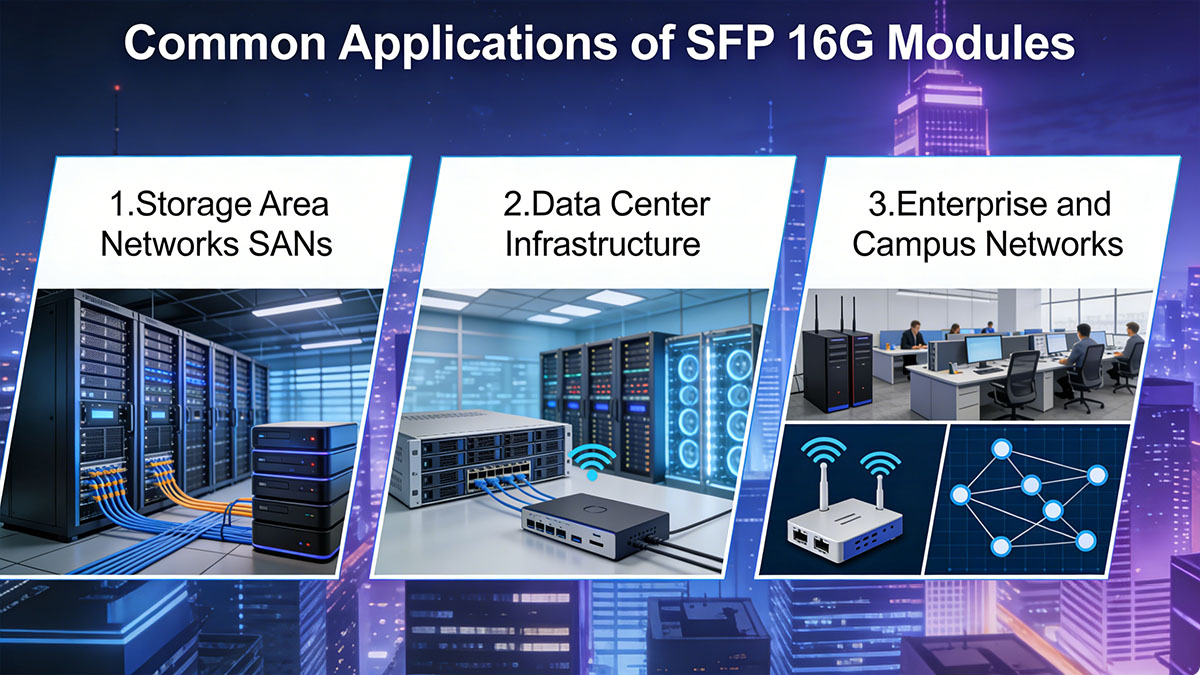
Storage Area Networks (SANs)
SFP 16G is most commonly deployed in storage area networks, where it enables fast and reliable communication between servers and storage systems.
A typical role distribution in SAN environments is shown below:
| Component | Role of SFP 16G | Benefit |
|---|---|---|
| SAN Switches | Core/edge connectivity | High-speed fabric switching |
| Host Bus Adapters | Server-to-SAN interface | Low-latency data access |
| Storage Arrays | Backend connectivity | Efficient data transfer |
These deployments benefit from:
- Lossless data transport required for storage protocols
- High throughput for data-intensive applications
- Stable and predictable performance under heavy workloads
As a result, 16G Fibre Channel remains a standard choice for enterprise SAN architectures.
Data Center Infrastructure
In data centers, SFP 16G modules are used to support storage traffic within high-density and performance-sensitive environments.
Common deployment scenarios include:
- Switch-to-switch interconnections within SAN fabrics
- Server-to-storage connectivity in virtualization clusters
- Integration with converged infrastructure systems
Key advantages in data centers:
- Supports high I/O workloads generated by virtual machines
- Enables efficient data replication and backup operations
- Fits into high-density switch designs due to compact form factor
SFP 16G is particularly valuable in environments where storage performance directly impacts application responsiveness.
Enterprise and Campus Networks
SFP 16G is also used in enterprise and campus environments, particularly for backbone connections that support storage traffic across distributed locations.
Typical use cases include:
- Interconnecting data centers within a campus
- Supporting centralized storage systems accessed by multiple buildings
- Extending SAN connectivity across enterprise infrastructure
In these scenarios:
- Single-mode LR modules enable longer-distance links
- Hybrid networks combine Fibre Channel and Ethernet technologies
- Storage traffic is isolated to maintain performance and reliability
This makes SFP 16G a practical solution for organizations that require scalable storage connectivity beyond a single data center while maintaining consistent performance characteristics.
📪Compatibility and Deployment Considerations
Successful deployment of SFP 16G modules depends on ensuring compatibility across hardware, fiber infrastructure, and network design. While 16G Fibre Channel is designed for interoperability, mismatches in components or configurations can impact performance and stability.
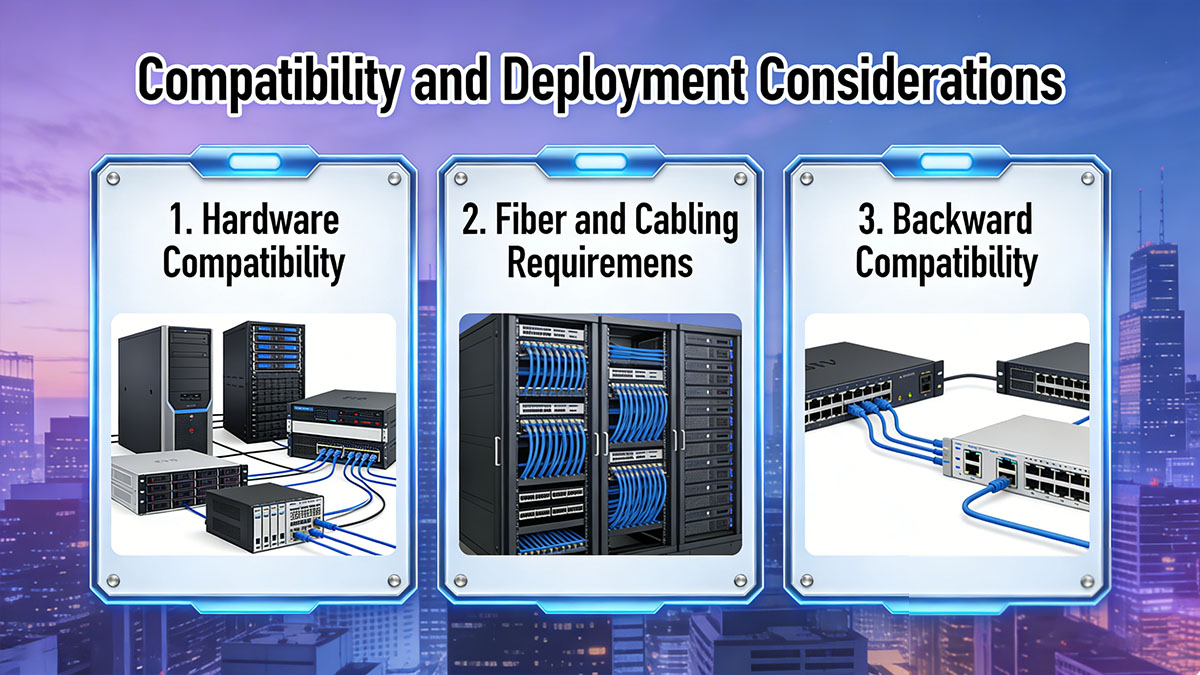
Hardware Compatibility
SFP 16G modules must be supported by both the switch and the host bus adapter (HBA) to operate correctly at full speed.
A quick compatibility overview:
| Component | Requirement | Impact |
|---|---|---|
| Switch Ports | 16GFC-enabled SFP+ ports | Enables full 16G operation |
| HBA | 16G Fibre Channel support | Ensures end-to-end performance |
| Firmware | Up-to-date version | Avoids compatibility issues |
Key considerations include:
- Verifying that switch ports explicitly support 16G Fibre Channel
- Ensuring HBAs match the desired link speed
- Checking vendor compatibility or coding requirements
In multi-vendor environments, some devices may enforce transceiver validation, which can restrict the use of third-party modules unless properly coded.
Fiber and Cabling Requirements
Choosing the correct fiber type and cabling is essential for achieving expected transmission distance and signal quality.
A simplified comparison:
| Fiber Type | Typical Module | Max Distance | Use Case |
|---|---|---|---|
| Multimode (MMF) | SR | Up to 100m | Data center short links |
| Single-mode (SMF) | LR | Up to 10km | Campus / long-distance links |
Deployment guidelines:
- Use OM3 or OM4 multimode fiber for SR modules
- Use OS2 single-mode fiber for LR and longer distances
- Ensure proper connector type (typically LC duplex)
In addition, maintaining clean fiber connectors and proper cable management is critical to minimize signal loss and ensure stable operation.
Backward Compatibility
SFP 16G supports backward compatibility with earlier Fibre Channel standards, allowing mixed-speed operation within the same network.
Typical interoperability behavior:
| Link Combination | Resulting Speed | Notes |
|---|---|---|
| 16G ↔ 16G | 16G | Full performance |
| 16G ↔ 8G | 8G | Downshift to lower speed |
| 16G ↔ 4G | 4G | Further reduced performance |
Important implications:
- The link always operates at the highest mutually supported speed
- Mixed-speed environments may introduce performance bottlenecks
- Gradual upgrades are possible without full infrastructure replacement
This backward compatibility makes SFP 16G particularly suitable for phased migration strategies, allowing organizations to upgrade their networks incrementally while maintaining operational continuity.
📪Common Issues and Troubleshooting
While SFP 16G modules are designed for reliable high-speed operation, certain issues can arise during deployment or operation. Understanding common problems and their remedies helps maintain stable performance in storage networks.
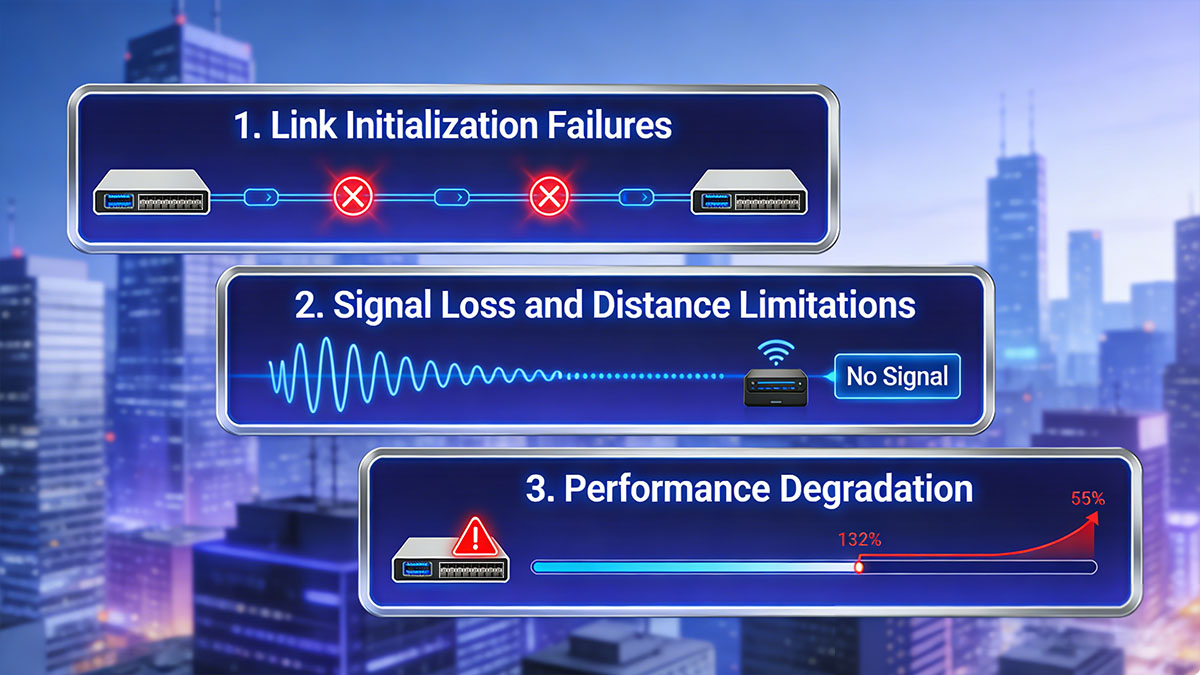
Link Initialization Failures
Link failures are often caused by incompatibilities, incorrect configurations, or hardware issues. Immediate recognition and resolution are crucial to minimize downtime.
Common causes:
- Mismatched transceiver speeds or unsupported module type
- Outdated switch or HBA firmware
- Faulty port or cable connections
Troubleshooting steps:
- Verify that both ends of the link support 16G Fibre Channel
- Check firmware versions on switches and HBAs for compatibility updates
- Inspect connectors and cables for damage or contamination
- Test the SFP 16G module in a known working port to rule out hardware faults
Proactive monitoring of link status using switch management tools can also help detect initialization issues early.
Signal Loss and Distance Limitations
Exceeding the designed transmission distance or using improper fiber can lead to signal loss, resulting in degraded performance or link failure.
Key factors:
- Fiber type: Multimode vs single-mode
- Cable quality and bend radius
- Connector cleanliness and optical loss
Preventive measures:
- Select the correct module type (SR, LR, ER) based on actual distance
- Use certified fiber cables and maintain recommended bend radius
- Clean connectors regularly and avoid contamination
Signal loss can often be quantified with optical power meters or built-in switch diagnostics, allowing operators to identify problem segments.
Performance Degradation
Even when links are operational, mixed-speed networks or suboptimal configurations may reduce effective throughput.
Typical causes:
- Mixing 16G, 8G, and 4G modules on the same fabric
- Saturated switch ports or oversubscription in high-traffic environments
- Poorly terminated or damaged fiber links
Mitigation strategies:
- Ensure that critical links use full 16G connectivity end-to-end
- Monitor switch port utilization and redistribute traffic if necessary
- Replace or repair degraded cabling segments
By addressing these common issues proactively, network administrators can maintain stable, high-performance operation across 16G SAN deployments.
📪Future Trends of 16G SFP in Optical Networks
Although higher-speed Fibre Channel standards such as 32G and 64G are emerging, SFP 16G continues to play a significant role in existing and transitional networks. Its adoption is guided by cost-efficiency, backward compatibility, and suitability for phased network upgrades.
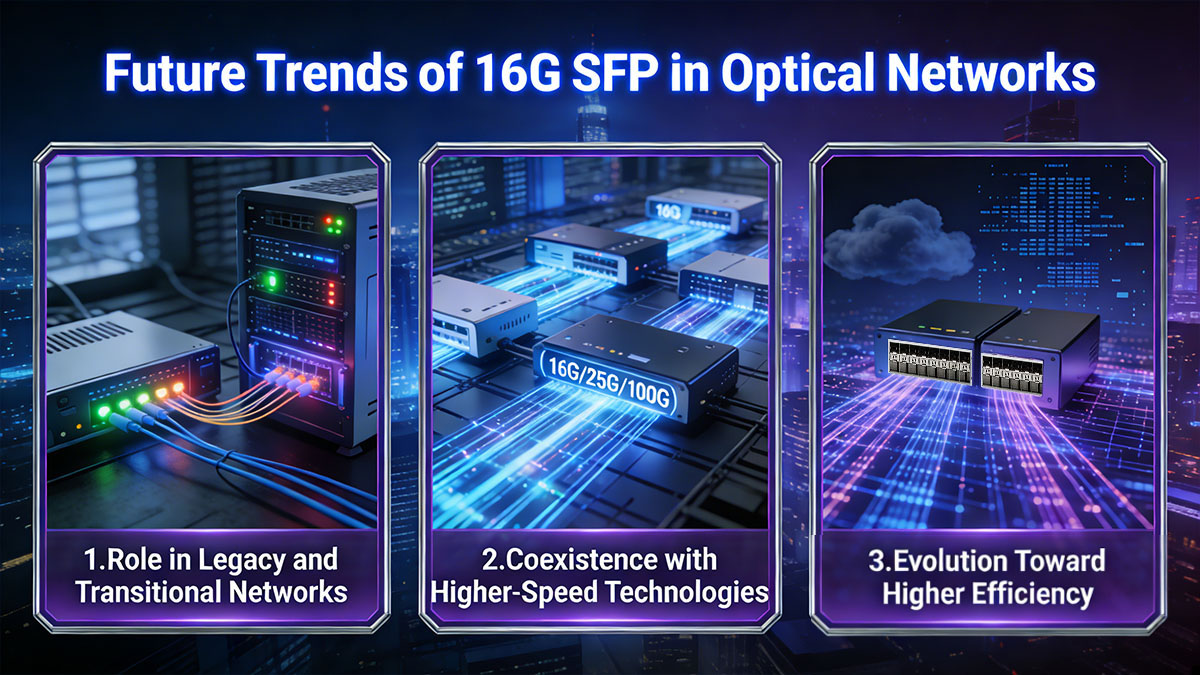
Role in Legacy and Transitional Networks
16G fiber optic SFP module remains widely deployed in enterprises with existing SAN infrastructures, offering a balance of performance and investment protection.
Key observations:
- Provides stable operation for organizations not yet ready to upgrade to 32G or higher
- Supports backward compatibility with 8G and 4G Fibre Channel, enabling gradual network migration
- Serves as a cost-effective option for maintaining high-performance storage connectivity without full infrastructure replacement
In practice, 16G SFP transceiver acts as a bridge technology, allowing enterprises to modernize incrementally while maintaining operational continuity.
Coexistence with Higher-Speed Technologies
As 32G and 64G Fibre Channel adoption grows, many networks operate in hybrid configurations where 16G links coexist with faster transceivers.
Considerations for coexistence:
- Mixed-speed fabrics downshift link speeds to the lowest common denominator
- Network design must account for potential performance bottlenecks
- Strategic placement of 16G modules can maintain efficiency without over-provisioning higher-speed ports
This hybrid approach ensures that investment in 16G infrastructure remains relevant while providing a pathway to higher-speed deployments.
Evolution Toward Higher Efficiency
Even as network speeds increase, principles established by 16G SFP—such as low latency, energy efficiency, and high port density—continue to influence next-generation transceiver design.
Emerging trends:
- Energy-efficient SFP variants that reduce operational costs in dense deployments
- Smaller form factors for higher port density without increasing thermal load
- Continued optimization of encoding and signal processing for improved throughput
16G fiber SFP modules, therefore, not only serve current SAN requirements but also inform the design and deployment of higher-speed Fibre Channel solutions, emphasizing a balance between performance, efficiency, and practical deployment considerations.
📪Conclusion
SFP 16G modules continue to be a cornerstone of modern storage networking, offering high throughput, low latency, and reliable performance across SAN and data center environments. Their versatility—ranging from short-range multimode deployments to long-range single-mode links—makes them suitable for both existing infrastructures and gradual network upgrades. By understanding module types, compatibility considerations, and common deployment challenges, network administrators can maximize the efficiency and longevity of their Fibre Channel environments.
For organizations seeking high-quality, standards-compliant SFP 16G modules and accessories, the LINK-PP Official Store provides a reliable selection of transceivers and optical networking solutions tailored for enterprise and data center networks.