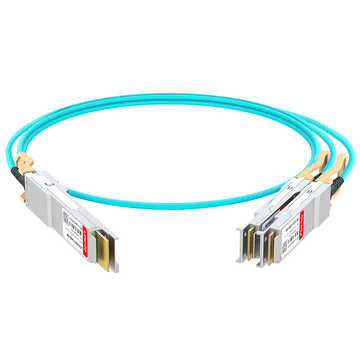






























A medida que las redes de centros de datos adoptan la conectividad 25GbE, los enlaces de corto alcance entre servidores, adaptadores de red y conmutadores requieren cableado capaz de ofrecer un alto ancho de banda sin componentes ópticos innecesarios. Las conexiones basadas en SFP28 se han convertido en una opción práctica para estos entornos, mientras que los cables de cobre de conexión directa (DAC) proporcionan una solución sencilla para las interconexiones a nivel de rack. Sin embargo, elegir el cable adecuado requiere más que simplemente verificar el tipo de conector y la velocidad de datos.
Aquí es donde entra en juego el 844477-B21. El HPE 844477-B21 es un cable de cobre de conexión directa de 3 m con conectores SFP28 a SFP28 de 25 Gb, diseñado para conexiones de red de corta distancia. Sus interfaces SFP28, su medio de transmisión de cobre y su longitud fija de 3 m lo hacen especialmente relevante para conexiones de servidor a switch y otras conexiones de alta velocidad dentro de los racks de centros de datos. Comprender sus especificaciones y compatibilidad es fundamental para determinar si se ajusta a una implementación específica de 25 GbE.
Esta guía examina los aspectos clave de 844477-B21 para ayudar a los lectores a evaluar su función antes de su implementación, incluyendo:
- Definición del producto y especificaciones técnicas básicas
- Principios de funcionamiento y aplicaciones típicas del convertidor digital-analógico SFP28
- Consideraciones sobre la compatibilidad del dispositivo, el puerto y el sistema.
- Requisitos de instalación, ventajas y limitaciones
- Factores prácticos para evaluar el modelo 844477-B21 antes de su implementación.
En conjunto, estos puntos proporcionan una base técnica clara para comprender dónde encaja el 844477-B21 en las redes modernas de 25 GbE y cómo evaluar si su diseño se ajusta a un requisito de conectividad particular.
🚩 ¿Qué es 844477-B21?
El cable HPE 844477-B21 es un cable de cobre de conexión directa (DAC) de 3 m, de 25 Gb SFP28 a SFP28, diseñado para conectividad 25 GbE de corta distancia. Combina dos interfaces SFP28 permanentemente conectadas con un cable de cobre, lo que permite que los dispositivos de red compatibles establezcan una conexión eléctrica de alta velocidad sin necesidad de transceptores ópticos ni latiguillos de fibra óptica adicionales.
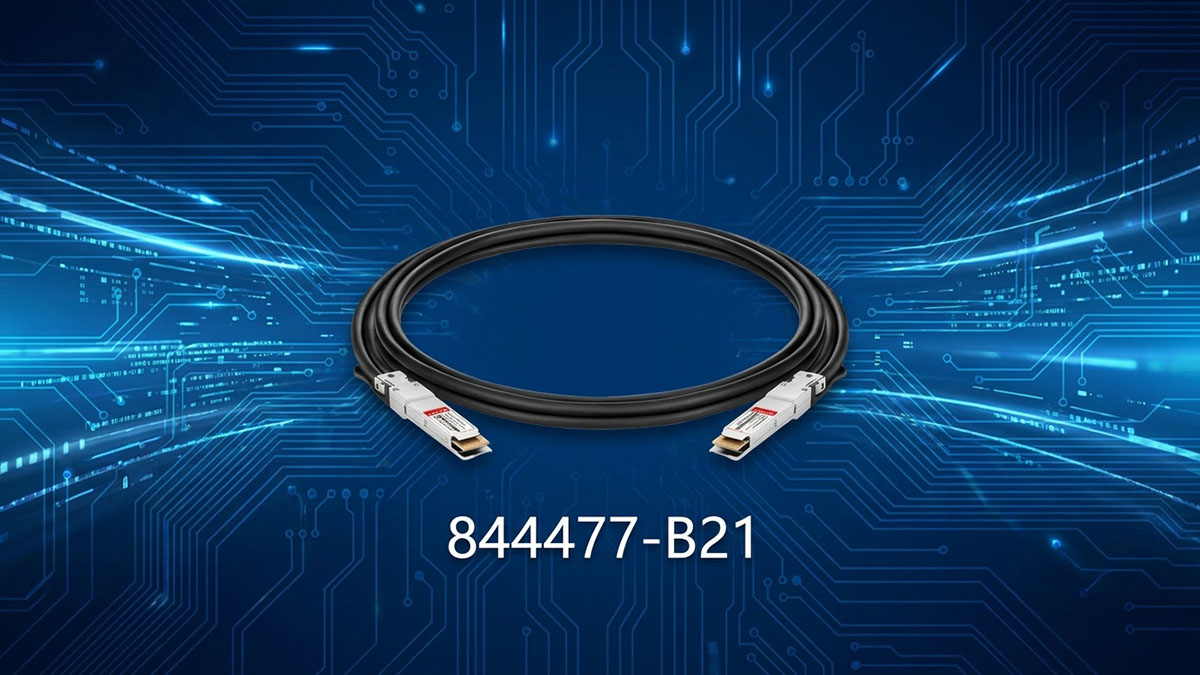
Definición del producto 844477-B21
El cable HPE 844477-B21 es un cable DAC SFP28 de 3 m y 25 Gb diseñado para conexiones directas entre puertos SFP28 compatibles. A diferencia de un enlace óptico convencional, este cable integra los módulos de interfaz y el medio de transmisión de cobre en una sola conexión.
Entre sus principales características destacan:
- Número de producto: 844477-B21
- Velocidad de datos: Conectividad de clase 25GbE
- Interfaz: SFP28 a SFP28
- Medio de transmision: Conexión directa de cobre
- Longitud del cable: 3m
- Construcción del cable: Conectores SFP28 integrados con cable de cobre fijo
- Función típica: Interconexiones de corta distancia a nivel de servidor, conmutador y rack.
El diseño integrado reduce la cantidad de componentes necesarios para un enlace corto de 25 GbE. En lugar de instalar dos módulos ópticos SFP28, dos conectores de fibra y un cable de conexión de fibra, se puede establecer una conexión DAC compatible utilizando el único cable 844477-B21.
Esta distinción es importante al evaluar el producto, ya que el 844477-B21 no debe considerarse un transceptor óptico SFP28 independiente. Su rendimiento y características de implementación están determinados por el conjunto DAC completo y la compatibilidad de los dispositivos conectados en ambos extremos.
¿Qué significa SFP28 a SFP28?
La especificación SFP28-to-SFP28 significa que ambos extremos del cable 844477-B21 utilizan el formato SFP28, lo que permite conectar directamente dos puertos SFP28 compatibles. El formato SFP28 se asocia comúnmente con interfaces de red de 25 GbE y está diseñado para ofrecer una conectividad de mayor velocidad que las interfaces tradicionales de 1 GbE basadas en SFP.
En una conexión típica, los dos extremos se instalan en:
- Un puerto SFP28 de 25 GbE en un adaptador de red de servidor.
- Un puerto SFP28 de 25 GbE compatible en un conmutador de red u otro dispositivo compatible.
La conexión sigue siendo un enlace eléctrico punto a punto entre los dos puertos. Dado que ambos extremos utilizan interfaces SFP28, no se requiere un conector intermedio ni un componente de conversión de medios.
También es importante distinguir un DAC SFP28 a SFP28 de un cable divisor. Una conexión estándar 844477-B21 utiliza una interfaz SFP28 en cada extremo y proporciona un enlace directo entre dos puertos compatibles, en lugar de dividir una interfaz de mayor densidad en múltiples conexiones de menor velocidad.
🚩 Especificaciones técnicas del 844477-B21
Las especificaciones técnicas del 844477-B21 lo definen como un conector de interconexión de 25 GbE de corto alcance basado en el formato SFP28 y la tecnología Direct Attach Copper. Su longitud de 3 m, sus características eléctricas, sus dimensiones físicas y sus especificaciones de cumplimiento determinan cómo se puede integrar en una red a nivel de rack.
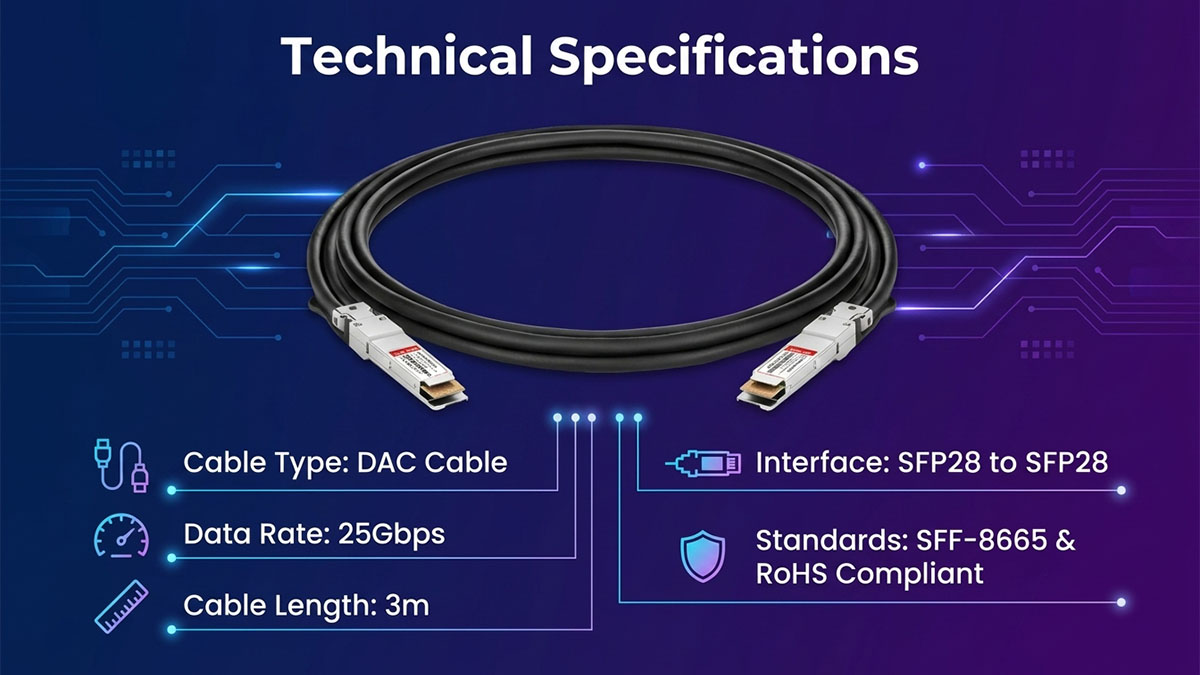
Especificaciones principales del modelo 844477-B21: un vistazo rápido
Las especificaciones más importantes del cable 844477-B21 son su velocidad de datos de 25 GbE, su interfaz SFP28 a SFP28, su longitud de cable de 3 m y su medio de transmisión de cobre. Estas características hacen que el cable sea ideal principalmente para conexiones cortas y directas entre dispositivos 25 GbE compatibles.
| Parámetro | Especificación 844477-B21 |
|---|---|
| Número de producto | 844477-B21 |
| Velocidad de datos | 25GBE |
| Tipo de cable | Cobre de conexión directa (DAC) |
| Fácil de usar | SFP28 a SFP28 |
| Longitud del cable | 3m |
| Característica Impedancia | 90–110 Ω |
| Tiempo de retardo | 4.5 ns/m |
| Diámetro del cable | 4.5 ± 0.2mm |
| Radio mínimo de curvatura simple | 23 mm |
| Radio mínimo de curvatura repetida | 45 mm |
| Cumplimiento | SFF-8665, RoHS |
Estas especificaciones deben considerarse en conjunto, no individualmente. Por ejemplo, la longitud de 3 metros determina el alcance de la implementación física, mientras que la interfaz SFP28 y la velocidad de datos de 25 GbE determinan si el cable es compatible con los puertos de red previstos.
Longitud del cable de 3 m y características físicas
La longitud de cable de 3 metros es una de las características distintivas del modelo 844477-B21 y lo hace especialmente relevante para conexiones de corta distancia dentro de los racks de centros de datos. Un cable de 3 metros tiene aproximadamente 9.84 metros de longitud, lo que proporciona mayor flexibilidad de enrutamiento en comparación con los conjuntos DAC más cortos, evitando al mismo tiempo el exceso de holgura que puede producirse con cables innecesariamente largos.
Las características físicas publicadas también afectan a la instalación y a la gestión del cableado:
- Longitud del cable: 3 metros, aproximadamente 9.84 pies.
- Diámetro del cable: 4.5 ± 0.2 mm.
- Radio mínimo de curvatura simple: 23mm.
- Radio mínimo de curvatura repetida: 45mm.
- Medio de transmision: Cobre.
- Configuración del conector: SFP28 en ambos extremos.
Los requisitos de radio de curvatura son especialmente importantes en racks de alta densidad. El cable no debe doblarse bruscamente ni forzarse en un espacio menor que su radio mínimo especificado. Mantener un espacio de enrutamiento adecuado ayuda a reducir la tensión mecánica y facilita el mantenimiento futuro.
La longitud fija de 3 metros también debe evaluarse en función de la distancia real entre los dispositivos. Es adecuada para muchas conexiones de servidor a conmutador y de conmutador a conmutador cercano, pero se debe verificar la disposición física del rack antes de la instalación para evitar tensiones excesivas o bucles de cable innecesarios.
Características eléctricas
Las especificaciones eléctricas del 844477-B21 describen cómo el conjunto de cobre gestiona las señales de alta velocidad entre las dos interfaces SFP28. Los valores clave publicados incluyen una impedancia característica de 90–110 Ω y un retardo de tiempo de 4.5 ns/m.
Estos parámetros eléctricos pueden entenderse de la siguiente manera:
- Impedancia característica: 90–110Ω, que define el rango de impedancia eléctrica nominal del cable.
- Tiempo de retardo: 4.5 ns/m, lo que indica el retardo de propagación de la señal a través del cable.
- Transmisión de señal: Eléctrico en lugar de óptico.
- Arquitectura de conexión: Conexión directa punto a punto entre las dos interfaces SFP28.
A velocidades de 25 GbE, mantener las características eléctricas adecuadas es fundamental para la integridad de la señal. El cable, los conectores y las interfaces del host deben funcionar conjuntamente como un canal de alta velocidad completo, en lugar de evaluarse únicamente según sus velocidades de datos nominales.
Estándares y cumplimiento
El estándar 844477-B21 también incorpora especificaciones relevantes para la implementación mecánica y eléctrica del SFP28 y el cumplimiento de las normativas medioambientales. En particular, el cable cumple con los requisitos de SFF-8665 y RoHS.
Los principales puntos de cumplimiento son:
- SFF-8665: Relevante para las especificaciones de conectores e interfaces de alta velocidad relacionadas con SFP28.
- RoHS: Aborda las restricciones sobre ciertas sustancias peligrosas en equipos electrónicos y eléctricos.
- Compatibilidad de formato: Los conectores SFP28 cumplen con los requisitos de interfaz física asociados al ecosistema SFP28.
Estas normas proporcionan una base técnica importante, pero su cumplimiento no debe confundirse con la interoperabilidad universal de los dispositivos. Un cable puede ajustarse a las especificaciones relevantes del sector, mientras que un conmutador, adaptador de servidor o plataforma de red en particular puede imponer sus propios requisitos de compatibilidad de cables o firmware.
🚩 ¿Cómo funciona el 844477-B21?
El módulo 844477-B21 funciona transmitiendo señales eléctricas de alta velocidad directamente entre dos puertos SFP28 compatibles mediante un cable de cobre integrado. A diferencia de una conexión óptica SFP28, no requiere conversión de señal eléctrica a óptica ni un enlace de fibra independiente, lo que hace que su arquitectura sea especialmente adecuada para conexiones 25GbE de corta distancia.
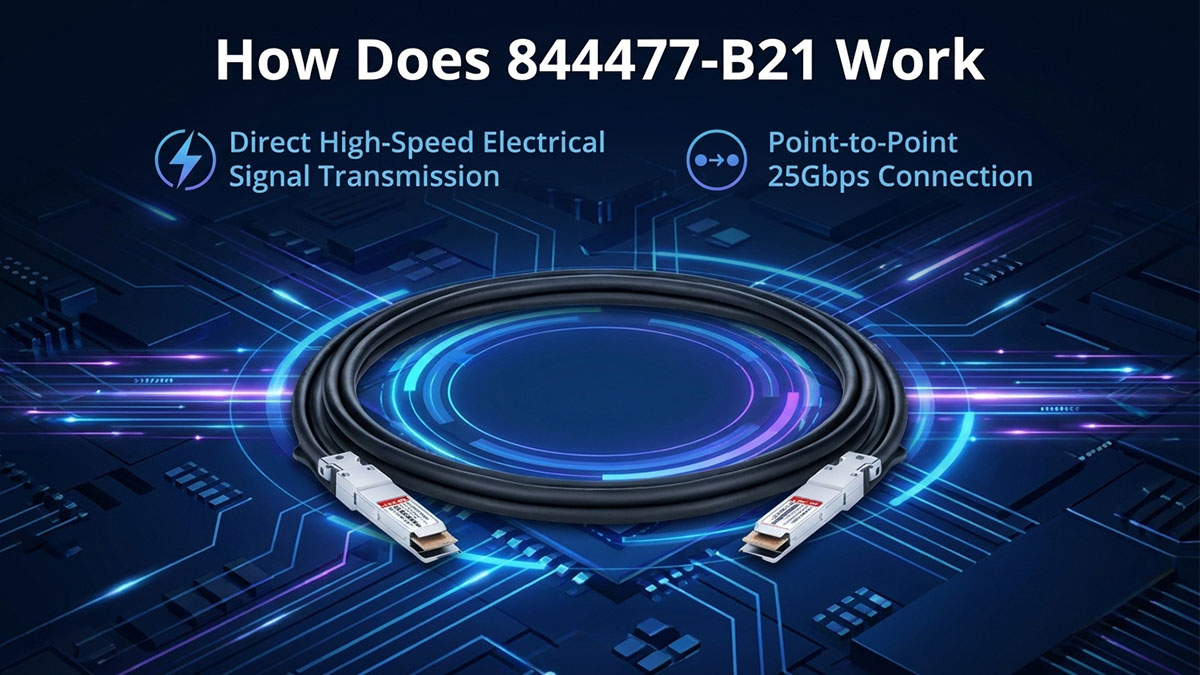
Transmisión de señal a través de cobre de conexión directa
El módulo 844477-B21 transmite datos de red como señales eléctricas a través de conductores de cobre entre sus dos extremos SFP28, que están conectados permanentemente. Cada extremo se conecta directamente a un puerto SFP28 compatible, creando una conexión punto a punto entre los dos dispositivos de red.
La ruta básica de la señal se puede entender de la siguiente manera:
- Un dispositivo de red envía señales eléctricas de 25 GbE a través de su puerto SFP28.
- La señal entra por la interfaz SFP28 integrada del 844477-B21.
- El cable de cobre transporta la señal eléctrica a través del enlace de 3 metros.
- La interfaz SFP28 en el extremo opuesto envía la señal al dispositivo receptor.
- El puerto receptor procesa los datos entrantes a través de su interfaz de red.
Dado que el medio de transmisión es cobre, la conexión no requiere transmisores ópticos, receptores ópticos ni latiguillos de fibra óptica independientes. Esta arquitectura integrada reduce el número de componentes individuales en un enlace de corta distancia.
Por lo tanto, el conjunto completo de cables funciona como una interconexión eléctrica directa. Su rendimiento depende no solo del cable en sí, sino también de las características eléctricas y la compatibilidad de los puertos SFP28 conectados en ambos extremos.
Conectividad de 25 GbE entre dispositivos de red
El 844477-B21 está diseñado para establecer conectividad 25GbE de corto alcance entre dispositivos equipados con interfaces SFP28 compatibles. Una configuración común conecta un servidor o adaptador de red a un conmutador, aunque la misma arquitectura básica puede admitir otras conexiones punto a punto compatibles.
Los escenarios de conexión típicos incluyen:
- Servidor a conmutador: Una tarjeta de red de servidor de 25 GbE se conecta directamente a un puerto de conmutador SFP28.
- De interruptor a interruptor: Se conectan dos puertos de conmutación SFP28 compatibles para una interconexión de corta distancia.
- Redes a nivel de rack: Los servidores y conmutadores ubicados en el mismo rack o en posiciones de rack cercanas se conectan mediante el cable DAC de 3 m.
- Conectividad de alta velocidad con el host: Un adaptador de red compatible utiliza un puerto SFP28 para establecer un enlace de 25 GbE con otro dispositivo compatible.
Para una conexión exitosa, ambos extremos deben ser compatibles con el modo de funcionamiento SFP28 y la configuración DAC adecuados. La mera presencia física de una ranura SFP28 no es suficiente, ya que algunos puertos pueden tener restricciones en cuanto a módulos, cables, velocidades o configuraciones de firmware compatibles.
Cuando los terminales son compatibles, el 844477-B21 proporciona una ruta física directa para el tráfico Ethernet de alta velocidad sin necesidad de una etapa de conversión óptica adicional. La configuración de los puertos debe verificarse según la documentación específica del conmutador o adaptador de red.
🚩 844477-B21 Aplicaciones en redes de 25 GbE
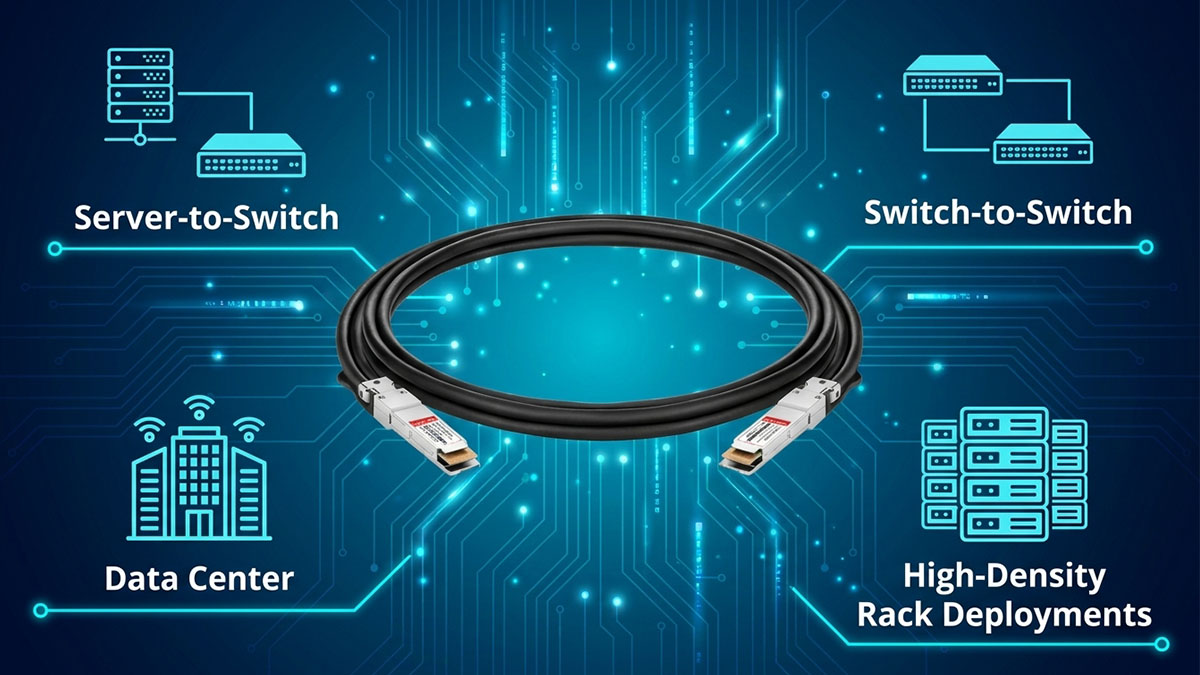
El 844477-B21 es ideal para conexiones 25GbE de corta distancia donde dos dispositivos compatibles utilizan puertos SFP28 y pueden conectarse físicamente con un cable de cobre de 3 m. Su diseño de conexión directa de cobre lo hace especialmente útil para conexiones de servidor a conmutador, interconexiones cortas de conmutadores y racks de centros de datos de alta densidad.
Conexiones entre el servidor y el conmutador
El 844477-B21 es ideal para conectar un adaptador de red de servidor de 25 GbE directamente a un puerto de conmutador SFP28 compatible. Esta configuración proporciona una conexión punto a punto sencilla entre el servidor y la infraestructura de conmutación de la capa de acceso, sin necesidad de módulos ópticos ni cables de conexión de fibra óptica adicionales.
Los escenarios comunes de conexión de servidor a conmutador incluyen:
- Conexión de una tarjeta de red de servidor de 25 GbE a un puerto de conmutador SFP28.
- Conexión de servidores de computación a conmutadores de la parte superior del rack (ToR).
- Conexión de servidores de almacenamiento que utilizan interfaces de red 25GbE compatibles.
- Establecer conexiones cortas entre equipos ubicados dentro del mismo rack.
La longitud del cable de 3 metros ofrece una flexibilidad de enrutamiento útil para diversas configuraciones de rack. Sin embargo, antes de la instalación, se debe considerar la distancia real entre el servidor y el conmutador para que el cable se pueda tender sin tensión excesiva, dobleces pronunciados ni holgura innecesaria.
Interconexiones de conmutador a conmutador
El 844477-B21 también puede funcionar como interconexión de corto alcance entre conmutadores compatibles equipados con puertos SFP28. Esto resulta útil cuando los dos dispositivos de conmutación se encuentran lo suficientemente cerca como para permitir una conexión de cobre de 3 metros.
Las aplicaciones potenciales incluyen:
- Enlaces cortos de 25 GbE entre conmutadores adyacentes.
- Interconexiones de conmutadores a nivel de rack.
- Conexiones entre equipos de acceso y agregación ubicados en las proximidades.
- Enlaces de alta velocidad, temporales o permanentes, dentro de un entorno de rack controlado.
Debido a que el cable tiene una longitud fija de 3 m, es necesario evaluar la ubicación física de los conmutadores antes de su instalación. Una ruta de enrutamiento adecuada debe permitir que el cable alcance ambos puertos, respetando los requisitos de radio de curvatura especificados.
Implementaciones en centros de datos y racks de alta densidad
El 844477-B21 es especialmente relevante para entornos de rack de alta densidad donde múltiples dispositivos 25GbE requieren interconexiones cortas y organizadas. Su diseño integrado de cobre SFP28 a SFP28 elimina la necesidad de gestionar transceptores ópticos y latiguillos de fibra independientes para cada enlace corto.
Entre sus ventajas a nivel de rack se incluyen:
- Recuento de componentes simplificado: Un único conjunto de cables integrado proporciona tanto interfaces SFP28 como la conexión de cobre.
- Instalación sencilla: El cable se puede conectar directamente a puertos SFP28 compatibles.
- Conectividad eficiente de corto alcance: Su longitud de 3 metros permite numerosas configuraciones de conexión entre servidores y conmutadores.
- Gestión de cables más sencilla: Un menor número de componentes independientes puede reducir la complejidad de los conectores y los cables de conexión.
- Conectividad de alta velocidad: La interfaz SFP28 admite conexiones de red de clase 25 GbE.
En implementaciones densas, sin embargo, la simplicidad no debe ir en detrimento de la organización del cableado. Varios cables DAC pueden ocupar un espacio considerable en el rack, por lo que el enrutamiento debe preservar el flujo de aire, el acceso para el servicio y el radio de curvatura especificado.
🚩 844477-B21 Consideraciones de compatibilidad
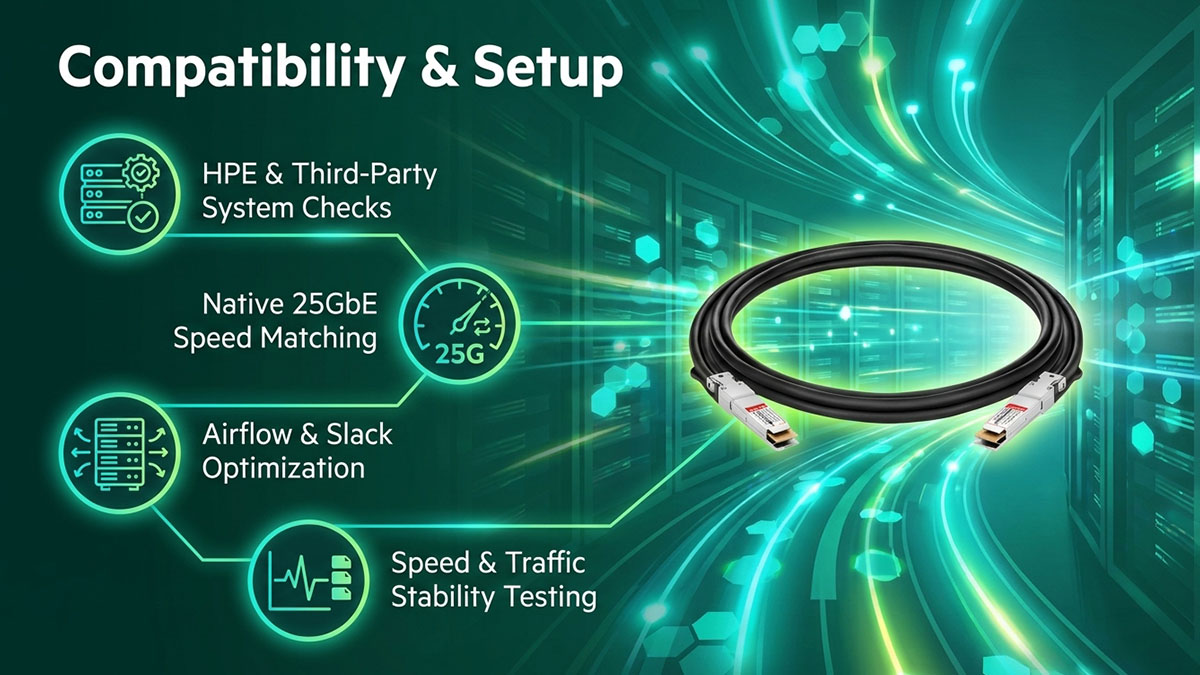
La compatibilidad del modelo 844477-B21 depende de algo más que una ranura SFP28. Para una conexión 25GbE exitosa, los dispositivos conectados deben ser compatibles con la interfaz SFP28, la configuración DAC prevista, la velocidad de enlace requerida y cualquier restricción de firmware o cable específica de la plataforma. Verificar estos factores antes de la instalación ayuda a reducir los problemas de detección de enlace e interoperabilidad.
Compatibilidad con puertos SFP28
Ambos extremos deben contar con puertos SFP28 compatibles, capaces de soportar la conexión DAC de 25 GbE prevista. El formato físico SFP28 establece la interfaz mecánica básica, pero no garantiza por sí solo que el puerto sea compatible con todos los tipos de cables SFP28 o modos de funcionamiento.
Antes de conectar el 844477-B21, compruebe lo siguiente:
- Confirma que ambos dispositivos tengan puertos SFP28.
- Verifique que los puertos admitan el funcionamiento a 25 GbE.
- Compruebe si los puertos admiten cables DAC en lugar de solo módulos ópticos SFP28.
- Consulte la documentación del dispositivo para confirmar los tipos de cable o transceptor compatibles.
- Compruebe si los puertos requieren una configuración específica para el funcionamiento a 25 GbE.
Esta distinción es importante porque un puerto SFP28 puede tener el conector físico correcto, pero aun así imponer restricciones a los cables compatibles. Por lo tanto, la compatibilidad debe evaluarse tanto a nivel de interfaz física como de funcionamiento del sistema.
Compatibilidad de servidores y dispositivos de red HPE
Al implementar el cable 844477-B21 con equipos HPE, se debe verificar la compatibilidad del servidor, el adaptador de red, el conmutador o el cable de interconexión con la documentación de compatibilidad de HPE correspondiente. La configuración de hardware compatible proporciona la indicación más fiable de si el cable es adecuado para un sistema en particular.
Los controles importantes incluyen:
- Identifique el modelo exacto del servidor o dispositivo de red HPE.
- Identifique el adaptador SFP28 o la interfaz de red instalada en el sistema.
- Confirme que el puerto correspondiente admite conectividad DAC de 25 GbE.
- Consulte la documentación de compatibilidad o de cables compatibles de HPE que corresponda.
- Verifique los requisitos de firmware y software, cuando corresponda.
Este enfoque es más fiable que asumir que todos los puertos HPE SFP28 admiten las mismas configuraciones de cable. Las distintas plataformas, adaptadores y versiones de firmware pueden tener diferentes requisitos de interoperabilidad.
Compatibilidad con dispositivos de terceros
No se debe asumir automáticamente que el chip 844477-B21 funciona con todos los dispositivos SFP28 de terceros. Si bien el formato SFP28 está estandarizado, los proveedores pueden implementar restricciones específicas de la plataforma relacionadas con la identificación del cable, las configuraciones compatibles, el firmware o las políticas de puerto.
Al conectar el dispositivo 844477-B21 a equipos de terceros, evalúe lo siguiente:
- Lista de adaptadores DAC SFP28 compatibles con el conmutador o adaptador de red.
- La documentación de compatibilidad del fabricante.
- Modos de funcionamiento 25GbE compatibles.
- Requisitos de reconocimiento DAC y codificación del proveedor, si corresponde.
- Restricciones de firmware o software.
- Cualquier política específica del proveedor relativa a los componentes de conectividad de terceros.
Lo fundamental es que las interfaces estandarizadas mejoran la interoperabilidad, pero no garantizan la compatibilidad universal. Un conmutador de terceros puede reconocer una conexión física SFP28, pero rechazar o no activar un conjunto DAC específico debido a restricciones de la plataforma.
Comprobaciones de velocidad y configuración del puerto
Los dos puertos conectados deben estar configurados y ser capaces de operar a la velocidad requerida de 25 GbE. Una conexión física compatible puede, aun así, fallar al establecer un enlace funcional si la configuración del puerto o el modo de operación admitido no coinciden con el diseño de la red.
Antes de la implementación, verifique:
- Ambos dispositivos admiten funcionamiento a 25 GbE.
- Las interfaces previstas están habilitadas.
- Los ajustes de velocidad del puerto son compatibles.
- El comportamiento de negociación automática se ajusta a los requisitos del dispositivo.
- El modo de puerto seleccionado admite la conexión DAC.
- No se introduce ninguna configuración de adaptador o de conexión no compatible.
Estas comprobaciones son especialmente útiles para solucionar problemas de conexión que persisten tras la instalación física del cable. Si se detecta el cable, pero la interfaz no establece una conexión 25GbE estable, revise la configuración del puerto y la compatibilidad con la plataforma antes de asumir que el cable está defectuoso.
🚩 Cómo elegir el escenario de implementación adecuado para 844477-B21
El escenario de implementación ideal para el 844477-B21 es aquel en el que los dispositivos conectados cuentan con puertos SFP28 compatibles, el enlace requerido es una conexión 25GbE de corta distancia y la longitud fija del cable de 3 m se ajusta a la disposición física. Evaluar primero la distancia, la compatibilidad de los puertos, la topología del rack y los requisitos de cableado ayuda a determinar si un DAC de 3 m es apropiado.
Cuando un DAC de 3 m es la elección correcta
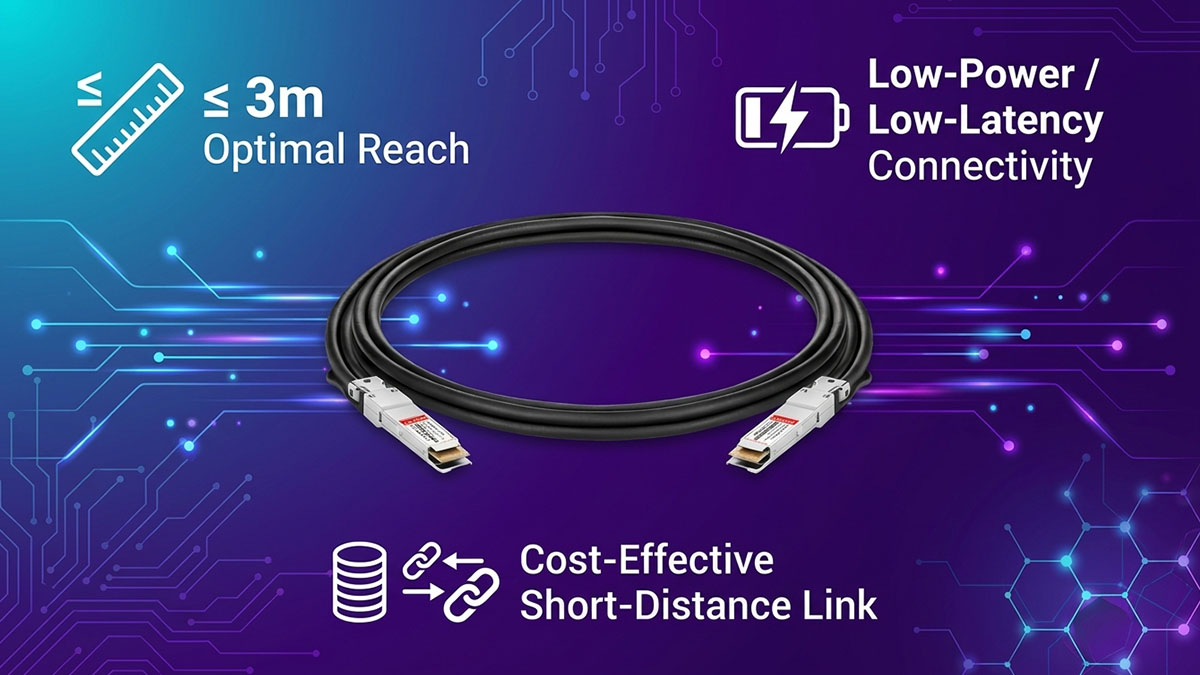
El modelo 844477-B21 es una opción idónea cuando dos dispositivos SFP28 de 25 GbE compatibles se encuentran lo suficientemente cerca como para conectarlos mediante un cable de cobre de 3 m. Su diseño integrado SFP28 a SFP28 resulta especialmente práctico para conexiones predecibles a nivel de rack.
Considere utilizar un DAC de 3 m cuando:
- Los puntos finales están ubicados a una corta distancia física.
- Ambos dispositivos admiten conexiones DAC SFP28 compatibles.
- Se requiere un enlace punto a punto de 25 GbE.
- La disposición del rack proporciona una ruta práctica para un cable de 3 metros.
- Es preferible una conexión de cobre integrada y sencilla a componentes ópticos separados.
- Este despliegue no requiere el mayor alcance ni la flexibilidad de cableado de la fibra óptica.
Un cable de 3 metros también ofrece mayor flexibilidad de enrutamiento que los conjuntos DAC muy cortos. Sin embargo, es importante gestionar cuidadosamente la longitud adicional para evitar bucles innecesarios o interferencias con otros equipos del rack.
Cuándo considerar una longitud de cable diferente
Se debe considerar una longitud de cable DAC diferente cuando la distancia física entre los extremos no coincide con los requisitos prácticos de enrutamiento de un conjunto de 3 m. La selección del cable debe tener en cuenta el recorrido real a través del rack, en lugar de medir únicamente la distancia en línea recta entre dos puertos.
Considere otra longitud de cable cuando:
- Los extremos están situados muy cerca unos de otros y 3 metros generarían una holgura excesiva.
- El equipo está dispuesto de tal manera que un cable de 3 metros no puede proporcionar una ruta de enrutamiento eficiente.
- El cable debe pasar por una ruta de gestión de rack más larga o más compleja.
- El despliegue requeriría una flexión o tensión excesiva para adaptarse a la longitud fija.
El uso de un cable innecesariamente largo puede dificultar la gestión de racks de alta densidad, mientras que una longitud de cable insuficiente puede ejercer presión mecánica sobre los conectores o el conjunto del cable.
Por este motivo, es necesario planificar la distribución física antes de la instalación. El objetivo es seleccionar una longitud de cable que llegue a ambos extremos, manteniendo un trazado adecuado, un radio de curvatura correcto, un flujo de aire adecuado y un fácil acceso para el mantenimiento.
🚩 844477-B21 Mejores prácticas de instalación y despliegue
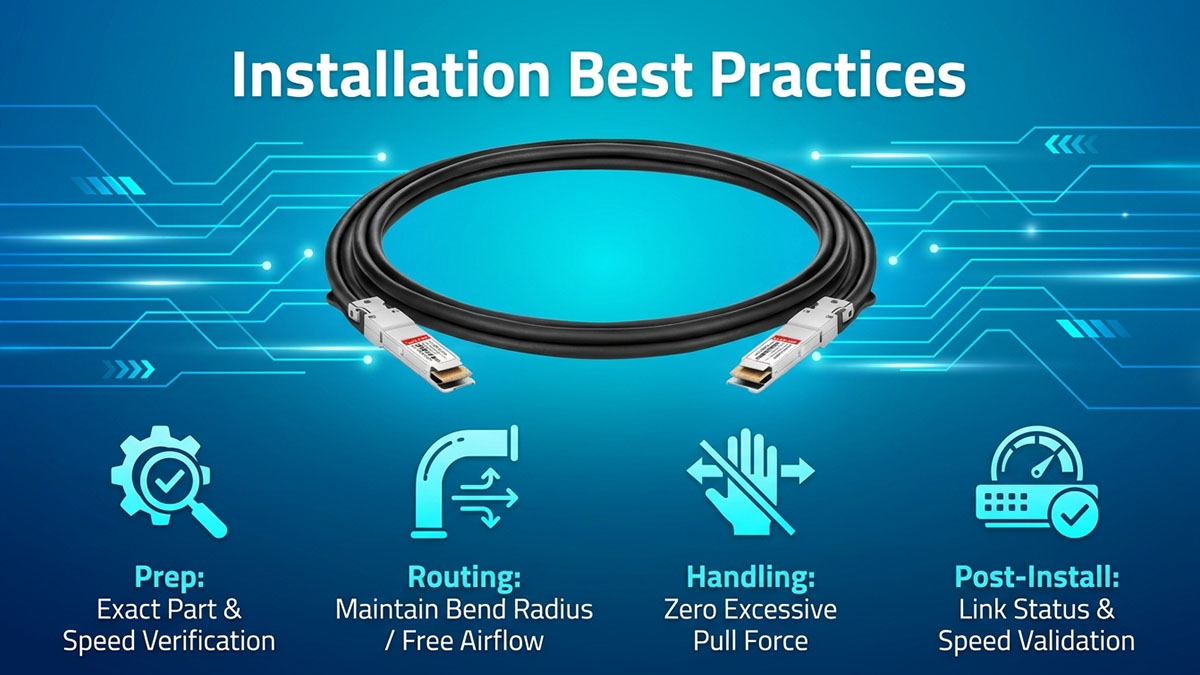
La correcta instalación del 844477-B21 comienza con la confirmación de la compatibilidad del terminal y continúa con un cuidadoso tendido del cable y la verificación del enlace posterior a la instalación. Dado que se trata de un conjunto DAC SFP28 a SFP28 fijo de 3 m, se deben comprobar tanto la compatibilidad eléctrica como las condiciones de instalación física antes de conectar el cable.
Comprobaciones previas a la instalación
Antes de instalar el 844477-B21, verifique que los dos dispositivos finales previstos admitan la conexión DAC SFP28 requerida y que la longitud del cable de 3 m sea adecuada para la disposición física. Estas comprobaciones ayudan a identificar problemas de compatibilidad o instalación antes de que afecten al funcionamiento de la red.
Utilice la siguiente lista de verificación previa a la instalación:
- Confirme que el número de pieza exacto del cable es 844477-B21.
- Verifique que ambos extremos cuenten con puertos SFP28 compatibles.
- Confirme que los puertos previstos admiten el funcionamiento a 25 GbE.
- Consulta la lista de DAC o cables compatibles del fabricante del dispositivo.
- Revise los requisitos de firmware y software pertinentes.
- Mida o estime la ruta real del cable entre los dos puertos.
- Inspeccione los extremos del conector SFP28 y el cable de cobre para detectar daños o deformaciones visibles.
Estas comprobaciones son especialmente importantes cuando uno o ambos terminales son de un proveedor diferente. La compatibilidad física con SFP28 no implica necesariamente que el sistema completo reconozca y funcione con un conjunto DAC específico.
Una vez confirmada la compatibilidad y los requisitos físicos, el cable puede instalarse sin generar tensiones mecánicas innecesarias.
Enrutamiento de cables y radio de curvatura
El cable 844477-B21 debe instalarse sin exceder sus límites mecánicos especificados. Tiene un diámetro de 4.5 ± 0.2 mm, con un radio de curvatura simple mínimo de 23 mm y un radio de curvatura repetida mínimo de 45 mm, por lo que deben evitarse las curvas pronunciadas durante la instalación.
Siga estas prácticas de enrutamiento:
- Mantenga el recorrido del cable lo más directo posible.
- Evite las curvas pronunciadas cerca de cualquiera de los conectores SFP28.
- No comprima el cable debajo de equipos u otros cables.
- Evite tirar del cable en exceso durante la instalación.
- Mantenga el radio de curvatura especificado a lo largo de toda la ruta.
- Mantenga los bucles de cable controlados en lugar de enrollados firmemente.
- Disponga los cables de forma que no obstruyan el flujo de aire de los equipos ni el acceso para el servicio técnico.
En racks de alta densidad, la organización del cableado es especialmente importante, ya que la presencia de varios conjuntos de convertidores digital-analógico (DAC) puede aumentar rápidamente la densidad de cables alrededor de los puertos del conmutador. Un trazado ordenado reduce la tensión mecánica y facilita la resolución de problemas o la sustitución de equipos.
Los 3 metros de longitud deben utilizarse de forma eficiente. El cable sobrante no debe introducirse a la fuerza en espacios reducidos simplemente para ocultarlo, ya que doblarlo en exceso puede generar tensiones mecánicas innecesarias.
Verificación de enlace después de la instalación
Tras la instalación del dispositivo 844477-B21, verifique el enlace físico y el estado operativo de ambos dispositivos conectados. Una conexión física exitosa no implica necesariamente que la red haya establecido una conexión 25GbE funcional.
El proceso de verificación debe incluir:
- Compruebe si ambos extremos detectan el DAC SFP28 conectado.
- Confirme que la interfaz esté operativa.
- Verifique la velocidad de enlace configurada o negociada.
- Compruebe el estado de la interfaz y los contadores de errores.
- Confirma que el tráfico puede circular entre los dos extremos.
- Supervise la conexión para detectar caídas de enlace o errores recurrentes.
Si la conexión sigue caída, comience con las comprobaciones más sencillas: confirme que ambos conectores estén bien insertados, verifique la configuración del puerto y compruebe si los dispositivos son compatibles oficialmente con la conexión DAC prevista.
Si se detecta el cable pero el enlace no funciona a la velocidad esperada, revise la configuración del dispositivo y los modos de funcionamiento compatibles. También debe consultar la documentación del proveedor para verificar el firmware, el reconocimiento del cable y los requisitos de interoperabilidad.
Siguiendo estas prácticas de instalación y verificación, el cable 844477-B21 puede evaluarse como una solución de conectividad completa, y no simplemente como un cable físico. Esto es especialmente importante en entornos 25GbE, donde la compatibilidad de puertos, la integridad de la señal y la gestión del cableado físico contribuyen a un funcionamiento fiable del enlace.
🚩 Preguntas frecuentes sobre 844477-B21
¿Qué es 844477-B21?
El cable 844477-B21 es un cable HPE de 25 Gb SFP28 a SFP28 de 3 m con conexión directa de cobre (DAC) para conectividad de red de corta distancia.
¿El 844477-B21 es un transceptor óptico?
El modelo n.° 844477-B21 es un conjunto de cable DAC de cobre integrado, en lugar de un transceptor óptico independiente.
¿Qué velocidad admite el 844477-B21?
El modelo 844477-B21 está diseñado para conexiones de red de 25 GbE mediante interfaces SFP28.
¿Qué tipo de conector utiliza el 844477-B21?
Utiliza una interfaz SFP28 en ambos extremos, formando una conexión directa de SFP28 a SFP28.
¿Puede el 844477-B21 conectar dos puertos SFP28?
Sí. Puede conectar dos puertos SFP28 compatibles cuando los dispositivos admiten la configuración DAC de 25 GbE requerida.
¿El modelo 844477-B21 es compatible con todos los switches SFP28?
No. La compatibilidad depende de los tipos de DAC compatibles con el conmutador, las capacidades de los puertos, el firmware y los requisitos específicos del fabricante.
🚩 Conclusión
El cable HPE 844477-B21 es un cable de cobre de conexión directa (DAC) de 3 m, de 25 Gb SFP28 a SFP28, diseñado para conectividad 25 GbE de corta distancia. Sus interfaces SFP28 integradas, su medio de transmisión de cobre y su longitud fija de 3 m lo convierten en una solución práctica para conexiones de red compatibles entre servidores y conmutadores, así como para conexiones a nivel de rack.
Los puntos clave a recordar son:
- El modelo 844477-B21 proporciona conectividad de clase 25 GbE a través de interfaces SFP28.
- Utiliza un cable de cobre de conexión directa de 3 metros en lugar de fibra óptica.
- Sus especificaciones eléctricas y físicas deben tenerse en cuenta durante la instalación.
- La compatibilidad depende de los puertos SFP28, las configuraciones DAC compatibles, el firmware y la plataforma del dispositivo.
- Un trazado adecuado y una correcta gestión del radio de curvatura son importantes para una instalación fiable.
- Las soluciones ópticas SFP28 pueden ser más adecuadas cuando se requiere un mayor alcance o una mayor flexibilidad de cableado.
Comprender estos factores facilita determinar si el 844477-B21 coincide con una topología de red 25GbE específica. Para las organizaciones que evalúan módulos ópticos compatibles y otras soluciones de conectividad de red de alta velocidad, la LINK-PP Tienda Oficial Proporciona opciones adicionales a tener en cuenta junto con los requisitos de la red objetivo.