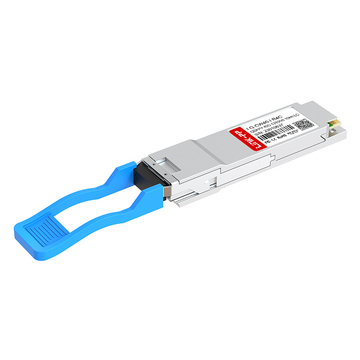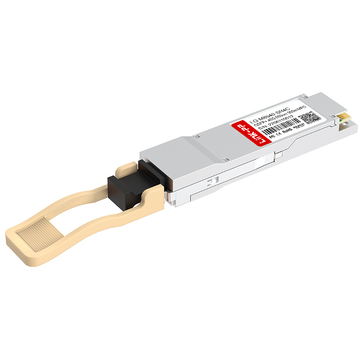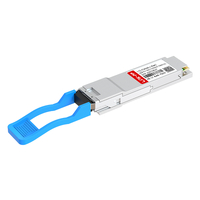
As مراكز البيانات face an unprecedented demand for higher عرض النطاق الترددي, understanding the evolution of أجهزة الإرسال والاستقبال الضوئية becomes essential, especially when comparing QSFP vs QSFP +. While the original Quad Small Form-factor Pluggable (QSFP) laid the groundwork for high-density networking, it was the arrival of QSFP+ that truly revolutionized the industry by meeting the demanding 40G إيثرنت المعيار.
This technological leap was achieved by upgrading to a 4-lane architecture that delivers a powerful aggregate الإنتاجية of 40Gbps. In this guide, we will decode the physical and architectural differences between QSFP vs QSFP+, exploring how this evolution shaped modern 40G infrastructure and paved the way for future high-speed networking.
🎈 إنجاز 40 جيجابت: مقدمة عن QSFP مقابل QSFP+
مع ازدياد حركة البيانات في مراكز البيانات بشكلٍ هائل في أوائل العقد الثاني من الألفية، برزت الحاجة المُلحة إلى وحدة توصيل صغيرة الحجم وعالية السرعة قادرة على توفير إيثرنت بسرعة 40 جيجابت بشكلٍ موثوق. ظهر نوعان من وحدات الألياف الضوئية - QSFP وخليفتها المُحسّنة QSFP+ - كحلولٍ رئيسية، إلا أن أوجه التشابه بينهما تُسبب في كثير من الأحيان التباسًا. يُعد فهم تطور QSFP مقابل QSFP+ أمرًا بالغ الأهمية لأي شخص يُقيّم البنية التحتية القديمة أو يُخطط لتحديثات تدريجية للشبكة.
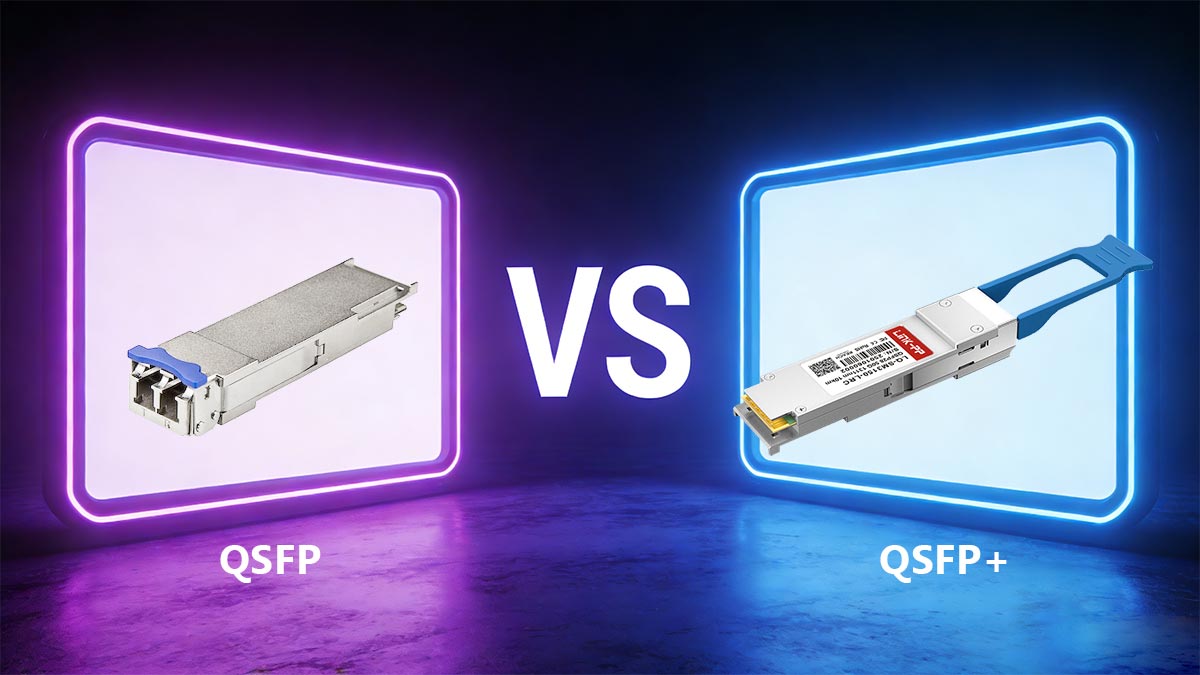
الطلب المتزايد على نطاق ترددي أعلى في مراكز البيانات
By 2010, traditional 10G links were struggling to keep pace with الحوسبة السحابية, video streaming, and large-scale الافتراضية. Server-to-switch connections became congested, forcing network architects to seek a cost-effective leap in bandwidth without drastically increasing physical port density. When comparing the historical bottleneck of QSFP vs QSFP+, the industry desperately needed a module that could deliver four times the throughput of a single 10G channel while maintaining التوافق with existing cabling plants.
تعريف أصل وحدة التوصيل الرباعية صغيرة الحجم (QSFP)
The original QSFP, introduced under the Multi-Source Agreement (MSA) in 2006, was designed as a four-lane electrical interface, each lane running up to 10Gbps, for a theoretical aggregate of 40 Gbps. However, early وحدات QSFP were primarily deployed for InfiniBand SDR (2.5Gbps per lane) and DDR (5Gbps per lane) applications, not for 40G Ethernet. This functional gap highlights the early performance differences of QSFP vs QSFP+, though the early design was highly praised for its compact size — about 30% smaller than a traditional XFP جهاز الإرسال والاستقبال — allowing up to 36 ports on a single line card.
كيف تطورت تقنية QSFP+ لتلبية معيار إيثرنت 40G
عندما إيي 802.3با standard ratified 40GBASE-R in 2010, the original QSFP’s per-lane electrical signaling (typically 2.5G or 5G) was insufficient. The QSFP+ revision upgraded each of the four electrical lanes to reliably run at 10Gbps, using improved signal integrity and stricter impedance control. This core architectural difference is central to the QSFP vs QSFP+ transition, allowing the enhanced module to carry four 10G lanes in parallel, aggregating to a true 40G while keeping the same external form factor and latching mechanism as its predecessor.
نطاق المقارنة: ميزات QSFP مقابل QSFP+
لتجنب الالتباس، من المفيد إجراء مقارنة مباشرة بين المواصفات الهندسية الرئيسية التي تميز وحدة QSFP الأصلية عن وحدة QSFP+ التي تدعم سرعة 40 جيجابت في الثانية. يكشف التحليل المقارن بين QSFP وQSFP+ بدقة عن موقع كل وحدة من حيث معدل نقل البيانات، والامتثال للمعايير، وحالات الاستخدام الشائعة.
يلخص الجدول أدناه هذه المعايير التقنية الهامة لتوضيح كيفية تطور الأجهزة لتلبية متطلبات مراكز البيانات الحديثة:
| الميزات | بطاطس مقلية أصلية | QSFP + |
| الحد الأقصى لسعر الكهرباء لكل حارة | 2.5 - 5 جيجابت في الثانية (إنفينيباند) | 10 جيجابت في الثانية (40 جيجا إيثرنت) |
| إجمالي عرض النطاق الترددي الإجمالي | سرعة تصل إلى 20 جيجابت في الثانية (4 × 5 جيجا) | 40 جيجابت في الثانية (4 × 10 جيجابت) |
| التطبيقات الأولية | إنفينيباند SDR/DDR، روابط خاصة مبكرة | 40GBASE-SR4، 40GBASE-LR4، إيثرنت 40G |
| الامتثال لمعيار IEEE 802.3ba | لا | نعم (لـ 40 غرامًا) |
كما يوضح الجدول، عند تحليل QSFP مقابل QSFP+، نجد أن الإصدار الأحدث هو في الأساس نسخة محسّنة الأداء - متطابقة في الحجم المادي ولكنها تتميز بمواصفات كهربائية أكثر دقة لتحقيق سرعات 40 جيجابت في الثانية. وسنركز في مقارنتنا القادمة على هذين الإصدارين فقط فيما يتعلق ببنية 40 جيجابت في الثانية.
🎈 فك شفرة البنية: التطور المادي لـ QSFP مقابل QSFP+
While the performance leap from early data rates to 40G networking is impressive, it heavily relied on critical hardware changes. Examining the physical architecture reveals how engineers modified the internal components while preserving the external shape of the transceiver. These precise hardware adjustments successfully eliminated data bottlenecks without requiring data centers to replace their existing تحول الهيكل.
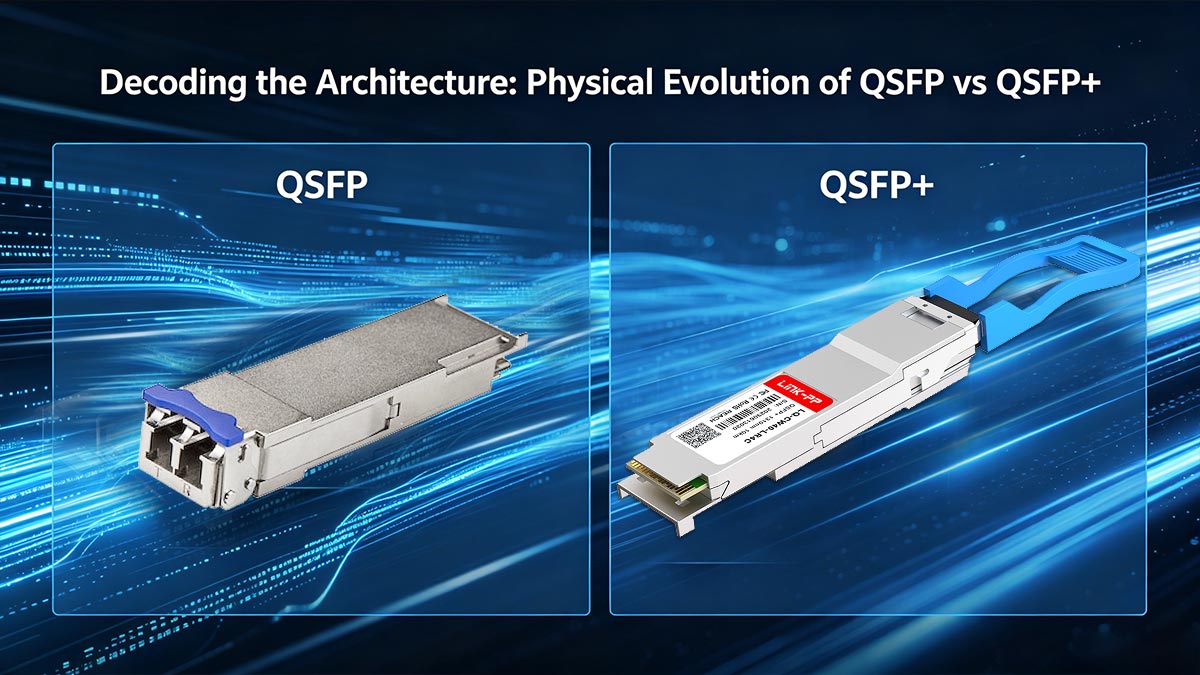
مقارنة أبعاد عامل الشكل والتخطيطات الميكانيكية
من منظور خارجي، يتشابه التصميم الهيكلي لوحدتي QSFP وQSFP+ في الأبعاد الميكانيكية. تستخدم كلتا الوحدتين نفس عرض الغلاف المعدني وارتفاعه وعمق التوصيل لضمان التوافق التام مع أقفاص المعدات المادية الحالية.
أما من الداخل، فقد تم تحسين التصميم الهيكلي لاستيعاب مكونات إلكترونية أسرع. كما تم تحديث مواد الغلاف والحماية الداخلية بهدوء لضمان متانة مادية طويلة الأمد عند التشغيل بسرعات عالية.
كيف يُسهّل تصميم الدبوس الانتقال إلى 40 جرامًا
The gold finger pin design on the internal لوحة الدوائر المطبوعة (PCB) is where a critical evolution occurred. Although both modules utilize a standard 38-pin layout, the enhanced variant features a radically optimized electrical pin configuration to prevent cross-lane interference.
من خلال إعادة تصميم دبابيس التأريض وأزواج الإشارات التفاضلية عالية السرعة، نجح المهندسون في تقليل السعة الطفيلية إلى أدنى حد. وقد وفر هذا التحسين الدقيق للتصميم المسار الكهربائي النظيف اللازم لرفع سرعات المسارات الفردية بأمان إلى 10 جيجابت في الثانية.
تحسينات في إدارة الحرارة وتبديدها
يؤدي تشغيل أربعة مسارات متوازية بسرعة 10 جيجابت في الثانية إلى توليد حرارة أكبر بكثير من عمليات InfiniBand القديمة منخفضة السرعة. ولمنع تعطل المكونات، قدمت الوحدات الأحدث تصميمات حرارية متطورة، بما في ذلك مشتتات حرارية متكاملة متخصصة ومسارات تبريد مُضلّعة.
بالإضافة إلى ذلك، تم تحسين السبيكة المعدنية المستخدمة في الغلاف الخارجي لتوفير موصلية حرارية أعلى بكثير. تسمح هذه التغييرات بتسريب الحرارة بسرعة إلى تيار هواء التبريد الخاص بالمحول، مما يمنع النقاط الساخنة الموضعية من التأثير سلبًا على أداء الشبكة.
ملامح استهلاك الطاقة لـ QSFP مقابل QSFP+
The power consumption profile experienced a necessary shift as hardware capabilities transitioned from early designs to the 40G-optimized standard. Original low-speed modules operated under highly conservative ميزانيات الطاقة, as their simpler internal circuitry required very little electrical current to maintain signal integrity.
With the arrival of the higher-speed standard, internal components like استعادة الساعة والبيانات (CDR) chips and advanced optical lasers demanded additional power to operate. To manage this safely, the updated specification introduced structured power classes, ensuring that modern network switches can properly allocate the necessary power and cooling resources for each plugged-in module.
🎈 تحليل بنية المسار: QSFP مقابل QSFP+ لنقل البيانات بسرعة 40 جيجابت في الثانية
تكمن القوة الحقيقية لتقنية نقل البيانات بسرعة 40 جيجابت في الثانية في بنية المسارات الداخلية لوحدة الإرسال والاستقبال. فمن خلال تقسيم تدفقات البيانات عالية السرعة إلى مسارات متوازية متعددة، تحقق هذه المكونات إنتاجية هائلة دون زيادة حجم الأجهزة. ويكشف فحص هذا التصميم الداخلي كيف تطور توجيه البيانات للتعامل بسلاسة مع حركة مرور شبكات الجيل التالي.
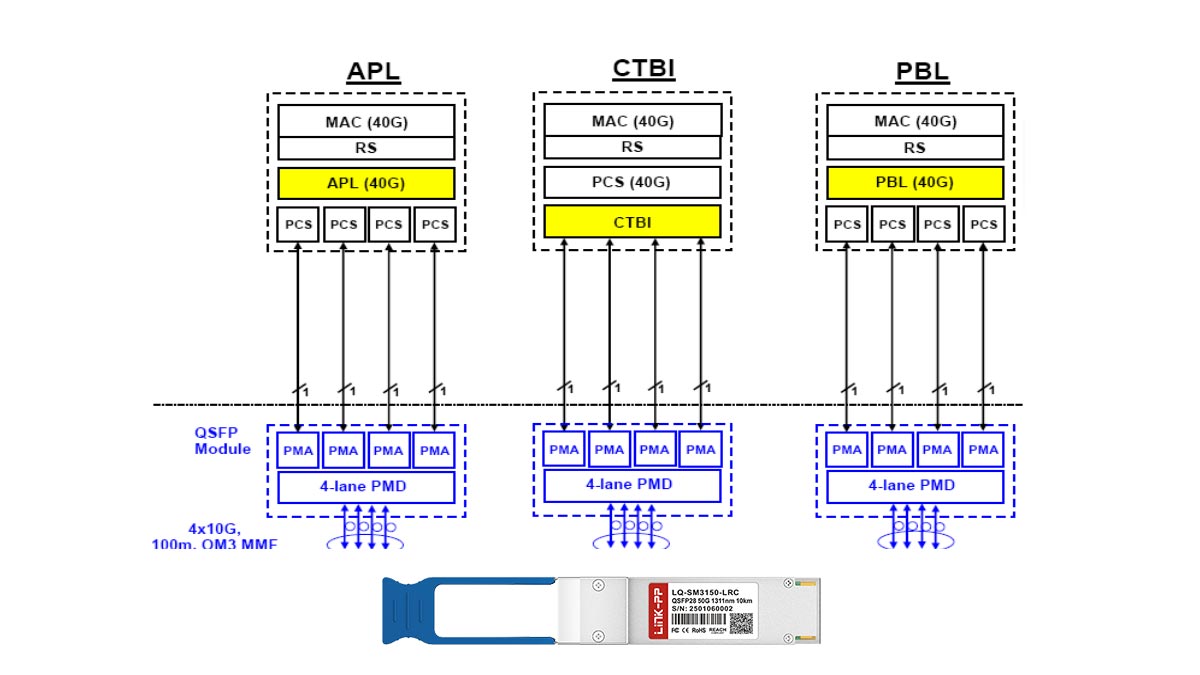
بنية QSFP+ ذات 4 مسارات (4 × 10 جيجابت في الثانية)
تحقق وحدة QSFP+ سرعتها المذهلة البالغة 40 جيجابت في الثانية من خلال استخدام تصميم معالجة متوازية عالي الكفاءة. فبدلاً من الاعتماد على مسار تسلسلي واحد فائق السرعة، تقوم بتقسيم البيانات عبر أربع قنوات إرسال (TX) وأربع قنوات استقبال (RX) مستقلة.
تُبرز النقاط الرئيسية التالية كيفية عمل هذا التكوين المحدد ذي الأربعة مسارات:
- تصميم رباعي المسارات: يستخدم 4 مسارات كهربائية منفصلة في وقت واحد.
- 10 جيجابت لكل مسار: ينقل كل مسار فردي البيانات بسرعة 10 جيجابت في الثانية.
- تجميع البيانات: يجمع جميع المسارات الأربعة لتحقيق إجمالي حقيقي يبلغ 40 جيجابت في الثانية.
- البصريات المتوازية: Drives multi-fiber cables to send data over the same distance.
لماذا لم تصل حدود معدل نقل البيانات الأصلية لكل مسار في QSFP إلى 40 جيجابت في الثانية؟
لم يكن تصميم QSFP المبكر مصممًا أبدًا لدعم المتطلبات العالية لشبكات إيثرنت 40G. فقد صُممت دوائره الداخلية وفقًا لمعايير قديمة ومنخفضة السرعة وصلت إلى أقصى طاقتها قبل وقت طويل من تلبية متطلبات مراكز البيانات الحديثة.
تسببت عدة قيود تقنية في عدم تمكن الوحدة الأصلية من الوصول إلى هدف 40 جيجابت في الثانية:
- سرعات منخفضة للمسار: تم تحديد الحد الأقصى لحدود كل مسار عند 2.5 جيجابت في الثانية أو 5 جيجابت في الثانية.
- اختناقات الدائرة: لم تتمكن الرقائق الداخلية من معالجة الترددات العالية.
- الحد الأقصى لعرض النطاق الترددي الإجمالي: وصل إجمالي الناتج المجمع إلى 10 جيجابت في الثانية إلى 20 جيجابت في الثانية فقط.
- تركيز InfiniBand: مصمم في المقام الأول للتجميع المبكر، وليس لشبكة إيثرنت عالية السرعة.
سلامة الإشارة وأداء مخطط العين عند السرعات العالية
يؤدي رفع سرعات المسارات الفردية إلى 10 جيجابت في الثانية إلى ظهور تحديات كبيرة تتعلق بالتشويش الكهربائي وتدهور الإشارة. يستخدم مهندسو الشبكات مخططات العين - وهي أداة بصرية لقياس تشوه البيانات - لضمان نقل وحدة QSFP+ بيانات سليمة دون أخطاء.
يتطلب تحقيق "عين مفتوحة" واسعة ومستقرة على الرسم التخطيطي العديد من الميزات الهندسية المتقدمة:
- التحكم في المعاوقة: يطابق المقاومة الكهربائية لإيقاف انعكاسات الإشارة.
- الحديث المتبادل isolation: Prevents electrical noise from leaking between parallel lanes.
- تقليل الارتعاش: يحافظ على توقيت البيانات ثابتًا تمامًا عبر جميع القنوات.
- مسارات بيانات واضحة: تضمن توصيل البيانات بدون أخطاء وبأقصى سرعة.
أداء الإنتاجية الإجمالية في الشبكات المحولة عالية الكثافة
في بيئات التبديل عالية الكثافة، يُشكّل تكديس عشرات منافذ 40G معًا ضغطًا هائلاً على بنية الشبكة. يضمن معدل نقل البيانات المُجمّع لتقنية QSFP+ قدرة المحولات على معالجة تيرابايتات من البيانات دون التسبب في ازدحامات مرورية محلية.
يوفر هذا التجميع عالي الكثافة العديد من مزايا الأداء للشبكة ككل:
- يزيل الاختناقات: يحافظ على تدفق البيانات بسلاسة بين المحولات الأساسية.
- يُحسّن استخدام مساحة الرف: يجمع عرض نطاق ترددي هائل في وحدة رف واحدة.
- يوازن حركة البيانات: يوزع أحمال البيانات بالتساوي عبر المسارات المتوازية.
- قابل للتوسع بكفاءة: يسمح لمراكز البيانات بتوسيع سعتها بسلاسة.
🎈 دعم البروتوكول والمعايير: تطور QSFP مقابل QSFP+
تتضح الفروقات التقنية بين أجيال الأجهزة بشكلٍ جليّ عند النظر إلى بروتوكولات الشبكة ومعايير الصناعة التي تدعمها. فبينما صُممت أجهزة الإرسال والاستقبال الأولى لتطبيقات تخزين البيانات وتجميعها المتخصصة، توسعت الأجهزة اللاحقة لتشمل شبكات المؤسسات الضخمة. ويكشف تتبع تاريخ الامتثال هذا كيف توحدت الصناعة ضمن إطار عمل موحد لضمان توافق عالمي مثالي.
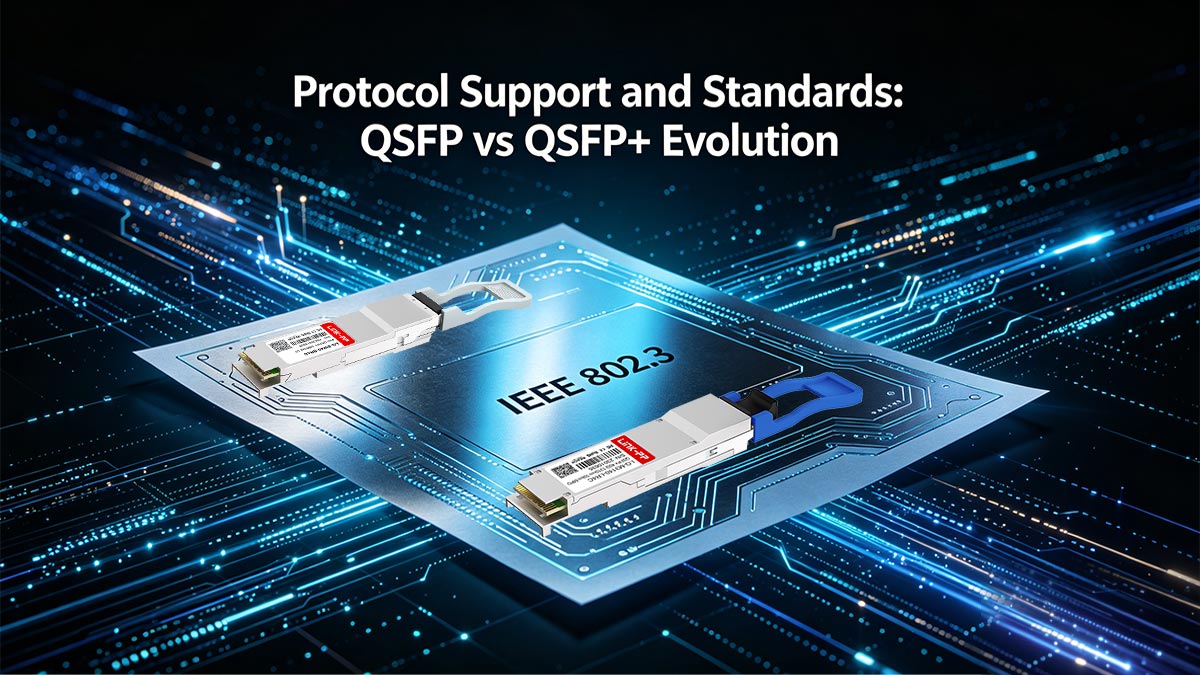
التوافق مع معيار IEEE 802.3 40G Ethernet
يتمثل الاختلاف الأبرز بين QSFP وQSFP+ في التوافق الرسمي مع معايير إيثرنت السائدة. فقد صُممت وحدة QSFP الأصلية قبل أن تُنهي الصناعة خارطة طريقها لشبكات 40G، مما جعلها تفتقر إلى إطار عمل معياري لشبكات إيثرنت يُمكن الاستناد إليه.
في المقابل، صُممت وحدة QSFP+ المحسّنة خصيصًا لتتوافق مع معيار IEEE 802.3ba 40G Ethernet الرائد. وقد ضمنت هذه الشهادة الأساسية أن تدعم الوحدات الأحدث بصريات 40GBASE-SR4 و40GBASE-LR4 القياسية، مما يجعلها متوافقة عالميًا مع مختلف الموردين.
دعم تقنية InfiniBand SDR وDDR وQDR وFDR
عند مقارنة أداء وحدات QSFP و QSFP+، يتضح من تاريخهما مع بروتوكولات InfiniBand وجود قفزة نوعية هائلة عبر الأجيال. كانت وحدات QSFP القديمة تتعامل بشكل أساسي مع بروتوكولات InfiniBand أحادية معدل البيانات (SDR) وثنائية معدل البيانات (DDR) المبكرة، والتي كانت سرعتها القصوى منخفضة نسبيًا.
مع انتقال التقنية إلى QSFP+، توسع الدعم ليشمل ملفات تعريف InfiniBand ذات معدل البيانات الرباعي (QDR) ومعدل البيانات الرباعي عشر (FDR). والأهم من ذلك، أنه بينما أتاحت QSFP+ هذه الإمكانيات عالية السرعة، فقد حافظت أيضًا على التوافق التام مع بروتوكولات SDR وDDR القديمة لضمان انتقال سلس للشبكة.
تكامل قناة الألياف عبر الإيثرنت (FCoE)
مع اندماج شبكات مناطق التخزين مع شبكات بروتوكول الإنترنت التقليدية، كان لا بد من تطوير أجهزة الإرسال والاستقبال لنقل أنواع متعددة من البيانات في آن واحد. كانت وحدة QSFP الأصلية تفتقر إلى عرض النطاق الترددي والمواصفات الكهربائية اللازمة لمعالجة أحمال العمل التخزينية الكثيفة والمدمجة بكفاءة عالية وبسرعات حديثة.
With the development of QSFP+, transmitting both standard LAN data and heavy SAN storage traffic through the exact same physical port became possible. However, it is important to note that this Fiber Channel over Ethernet (FCoE) integration relies heavily on the capabilities of the host equipment — such as converged network adapters (CNAs) and specialized switches — rather than being an inherent feature of the QSFP+ module itself.
إرشادات اتفاقية المصادر المتعددة (MSA) لـ QSFP مقابل QSFP+
تخضع المبادئ التوجيهية الأساسية لكلا الوحدتين لاتفاقيات متعددة المصادر (MSAs)، والتي تضمن قيام مختلف المصنّعين بتصنيع أجهزة متوافقة فيزيائيًا. وقد حددت اتفاقية INF-8438 الأولية للبنية الفيزيائية الأساسية لوحدة QSFP الأصلية، لكنها تركت مجالًا للقيود الكهربائية.
To push boundaries, manufacturers collaborated on the updated SFF-8436 specification to define the strict parameters for QSFP+. For advanced diagnostics, this newer agreement inherited and integrated the Digital Diagnostics Monitoring (DDM) features originally defined by the SFF-8472 standard, standardizing the comprehensive telemetry that defines the modern QSFP vs QSFP+ framework.
🎈 تطور الكابلات والوسائط: تقنية QSFP مقابل تقنية QSFP+
The shift in transmission speeds drastically changed the underlying cabling infrastructure required to connect network hardware. As transceivers jumped from low-speed clustering links to high-density 40G aggregates, traditional حبال التصحيح could no longer keep pace. Exploring the media evolution reveals how advanced fiber termination and clever wavelength management enabled seamless structural links across the data center floor.
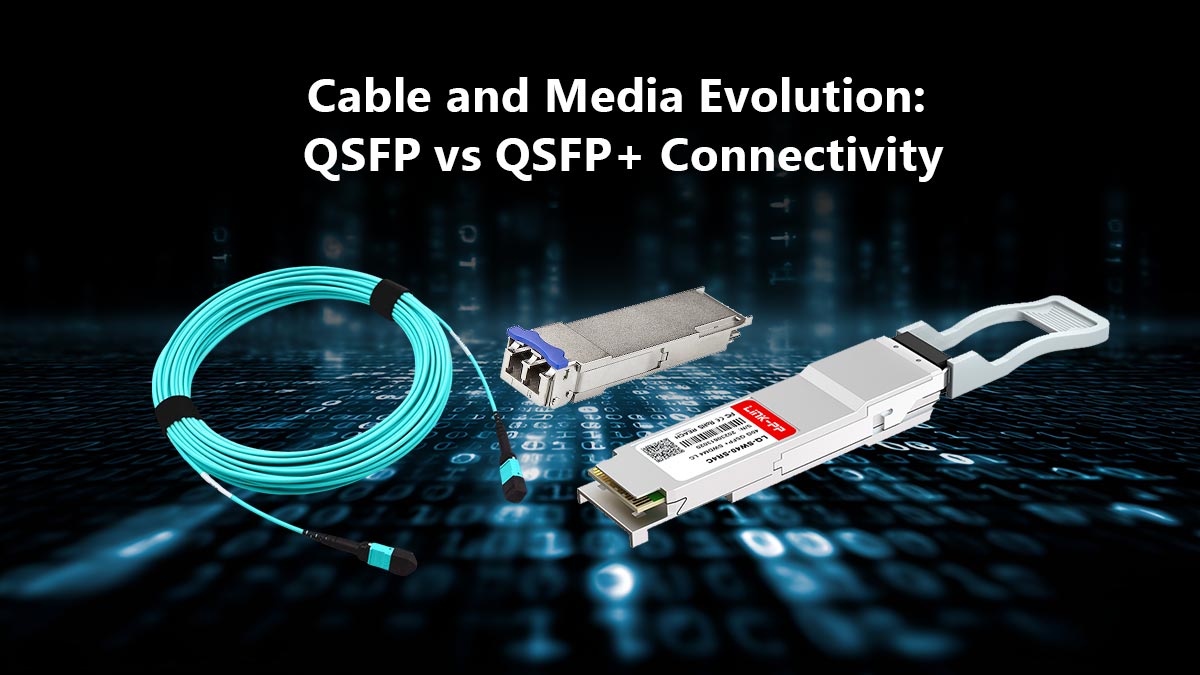
التحول إلى البصريات المتوازية MTP/MPO لأجهزة الإرسال والاستقبال الضوئية بسرعة 40 جيجابت في الثانية
عند مقارنة واجهات الألياف الضوئية لـ QSFP مقابل QSFP+، كان التغيير الأبرز هو الانتشار الواسع للبصريات المتوازية. اعتمدت أجهزة الإرسال والاستقبال التقليدية أحادية القناة على وصلات بسيطة ثنائية الألياف، لكن بنية 40G متعددة المسارات تطلبت نهجًا مختلفًا.
To support the four discrete data lanes of the QSFP+ standard, engineers turned to MTP / MPO connectors, which bundle 12 separate fibers into a single compact plug. This allowed the module to use four fibers for transmitting and another four for receiving simultaneously, establishing a reliable multi-lane parallel optical connection.
حلول QSFP+ المتقدمة: تقنية LC Duplex وظهور وحدات 40G BiDi
While MTP/MPO cabling provided the ideal physical highway for بيانات متوازية, upgrading an entire data center's fiber backbone can be incredibly expensive. This infrastructure challenge sparked a major design divergence in the QSFP vs QSFP+ ecosystem, leading to the creation of advanced 40G بيدى (Bidirectional) transceivers.
Unlike early hardware configurations, 40G وحدات BiDi استخدم LC دوبلكس connector interface, allowing them to run over existing 10G الألياف متعددة الأوضاع patches. By transmitting multiple wavelengths over just two fibers, these clever optics saved organizations from costly cable overhauls during their 40G network migrations.
تحسينات مدى الألياف أحادية النمط مقابل الألياف متعددة الأنماط في QSFP+
Distance requirements dictate whether an enterprise deploys multimode or للألياف أحادية الوضع media. Early QSFP layouts were largely confined to short-reach, local clustering fabrics with highly restricted distance capabilities.
The development of the QSFP+ standard brought massive reach enhancements, dividing deployment options between cost-effective multimode fiber (MMF) for short runs and single-mode fiber (SMF) for long-distance backbones. Short-range modules (such as the QSFP-40G-SR4) easily cover distances up to 150m over OM4 cables, while long-range variants (like the QSFP-40G-LR4) utilize high-powered lasers to push data up to 10km without signal degradation.
دمج تقنية تعدد الإرسال بتقسيم الطول الموجي (WDM) في بصريات 40G
To achieve long-distance transmission over a single pair of single-mode fibers without using bulky parallel cables, engineers integrated Wavelength Division Multiplexing (WDM) into the hardware design. This sophisticated optical technology was practically non-existent in the early, low-speed era of original QSFP designs.
داخل وحدة 40GBASE-LR4 QSFP+، يقوم مُضاعِف إرسال داخلي بدمج أربعة تدفقات بيانات منفصلة على أربعة أطوال موجية ضوئية متميزة في نطاق 1310 نانومتر. تنتقل هذه الإشارات الأربع في وقت واحد عبر ليف ضوئي واحد، ويتم فصلها بدقة بواسطة مُفَكِّك إرسال في طرف الاستقبال، مما يزيد من كفاءة نقل البيانات دون زيادة عدد الكابلات.
🎈 تطبيقات عملية: نشر QSFP مقابل QSFP+ في بنية تحتية بسرعة 40 جيجابت في الثانية
تتضح القيمة الحقيقية لأي معيار للأجهزة عند تقييم تطبيقه على شبكات الإنتاج الفعلية. فمع معاناة مراكز البيانات لمواكبة أحجام البيانات الهائلة، كان اختيار المكونات البصرية المناسبة عاملاً حاسماً في أداء الشبكة وتكاليف التشغيل. ويكشف النظر إلى حالات الاستخدام الواقعية كيف استبدلت المؤسسات بشكل منهجي وصلات الربط القديمة لبناء بيئات تشغيلية قوية بسرعة 40 جيجابت في الثانية.
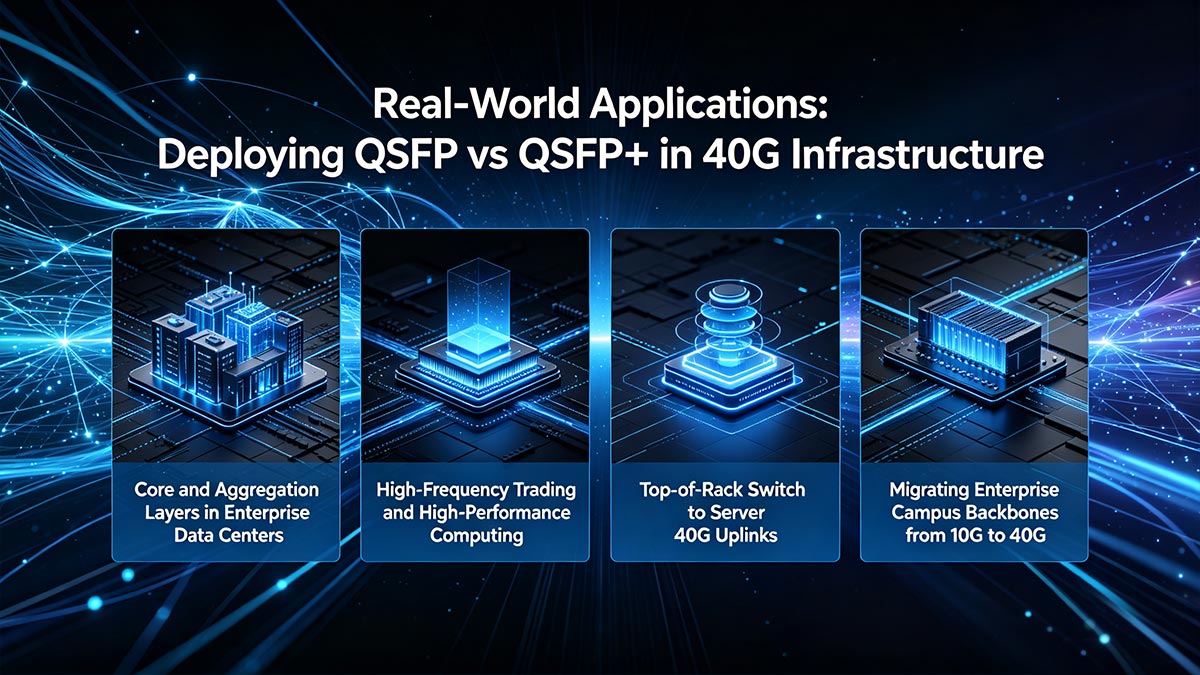
الطبقات الأساسية والتجميعية في مراكز بيانات المؤسسات
في مراكز بيانات المؤسسات الكبيرة، تتطلب إدارة حركة البيانات الضخمة المتدفقة بين محولات الطبقة الأساسية ومحولات طبقة التجميع معدل نقل بيانات هائلاً. في حين اعتمدت التصاميم الأولية على وحدة QSFP الأصلية لتجميع اتصالات متعددة منخفضة السرعة، سرعان ما أصبح هذا النهج غير كافٍ لمتطلبات المحاكاة الافتراضية الحديثة.
أتاح نشر وحدات QSFP+ المُحسّنة لسرعة 40 جيجابت في الثانية لمديري مراكز البيانات تجميع حركة البيانات الكثيفة في قنوات عالية الكفاءة. وقد ساهم هذا التحول الهندسي بشكل كبير في تبسيط توجيه البيانات بين المحولات الأساسية، مما يضمن انتقال حركة بيانات التطبيقات ذات الحجم الكبير عبر الشبكة الأساسية للشركة دون فقدان الحزم أو حدوث تأخير هيكلي.
التداول عالي التردد والحوسبة عالية الأداء (HPC)
حوسبة عالية الأداء (HPC) environments and high-frequency trading networks operate under incredibly tight processing deadlines where microsecond delays translate to millions of dollars. When evaluating QSFP vs QSFP+ inside these advanced clustering environments, the technical differences became critical.
تُفضّل مرافق الحوسبة عالية الأداء بشدة معيار QSFP+ المُطوّر لأنه يدعم بروتوكولات InfiniBand QDR وFDR السريعة مع مسارات كهربائية مُحسّنة ذات زمن استجابة منخفض. تُمكّن هذه الخصائص مجموعات الحوسبة الضخمة من تبادل البيانات بشكل فوري تقريبًا، متجاوزةً بذلك اختناقات الإرسال التي عانت منها تركيبات الأجهزة القديمة منخفضة السرعة.
مفتاح التبديل العلوي (ToR) إلى وصلات الخادم 40G
As individual physical servers grew more powerful, their uplink connections to the local أعلى الرف (ToR) switch required a massive boost in available throughput. The old method of combining multiple 10G links consumed too many physical ports and complicated basic network architecture.
أدى دمج واجهات QSFP+ عالية الكثافة في بطاقات خطوط محولات ToR إلى حل مشكلة الكثافة هذه بشكل فعال. فقد سمح ذلك لمهندسي الشبكات بتشغيل وصلات صاعدة عالية الكفاءة بسرعة 40 جيجابت من رف الخادم مباشرة إلى طبقة التجميع، مما زاد من عرض النطاق الترددي المتاح مع توفير مساحة قيّمة للمعدات.
ترحيل البنية التحتية لشبكات الحرم الجامعي من 10 جيجابت إلى 40 جيجابت
يمثل نقل شبكة حرم جامعي مؤسسي واسعة النطاق من بنية أساسية مزدحمة بسرعة 10 جيجابت تحديًا لوجستيًا وماليًا كبيرًا لإدارات تقنية المعلومات. وفي سياق الانتقال من QSFP إلى QSFP+، وفرت الوحدة المحسّنة الأدوات التشغيلية اللازمة لإدارة هذه الترقيات المعمارية الشاملة بسلاسة.
من خلال استخدام أجهزة إرسال واستقبال مرنة من نوع 40G BiDi أو LR4 QSFP+، نجح مديرو الشبكات في رفع سرعة روابط العمود الفقري إلى 40 جيجابت كاملة عبر مسارات الألياف الضوئية الموجودة. وقد جنّب هذا النهج الذكي التكاليف الباهظة لتمديد ألياف ضوئية جديدة عبر جدران الحرم الجامعي، مما خفض تكاليف التركيب بشكل كبير وقلل من وقت تعطل الشبكة أثناء عمليات التحديث الهيكلية الهامة.
🎈 ما بعد 40 جيجابت في الثانية: الإرث المستقبلي لـ QSFP مقابل QSFP+
أرست الابتكارات المعمارية التي ظهرت خلال عملية الانتقال إلى تقنية 40G مخططًا أساسيًا طويل الأمد لمستقبل أجهزة الشبكات عالية السرعة. ومن خلال استكشاف كيفية تطور هذا الإطار المحدد ذي المسارات الأربعة بمرور الوقت، يمكننا أن نرى بوضوح كيف أرست الصناعة الأساس لمراكز البيانات الحديثة التي تصل سرعتها إلى تيرابت.
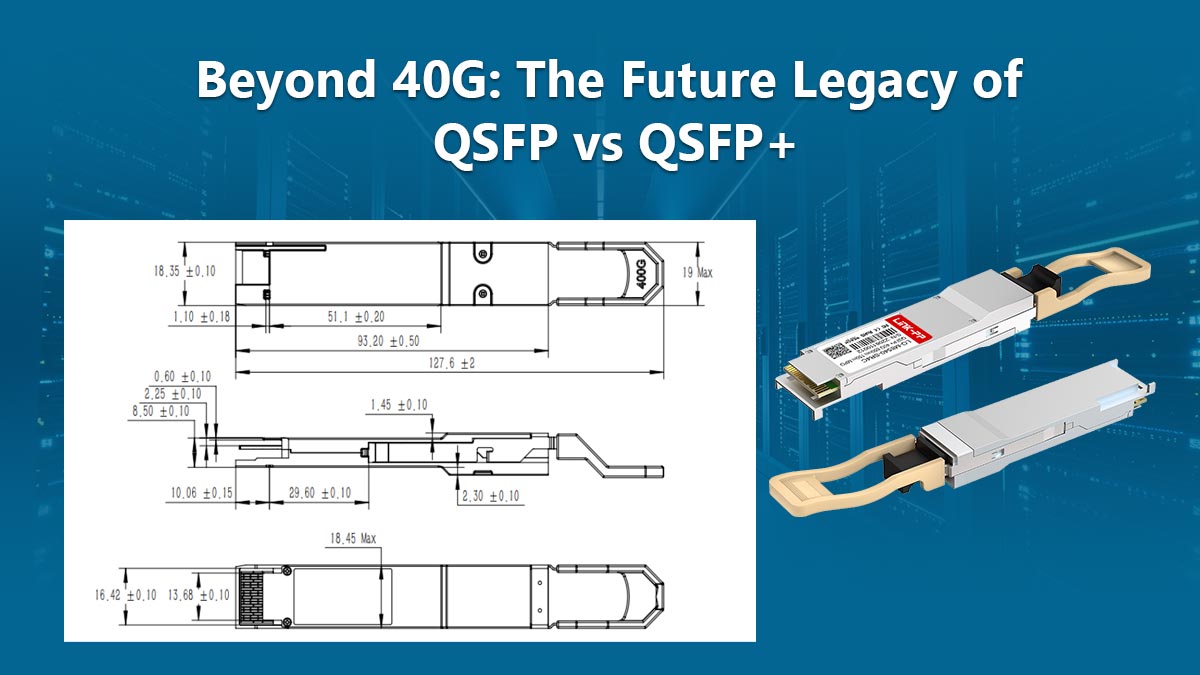
كيف مهدت تقنية QSFP+ بسرعة 40 جيجابت الطريق لتقنية QSFP28 بسرعة 100 جيجابت
When analyzing the legacy of QSFP vs QSFP+, the most profound impact was how the 40G mechanical footprint paved the direct path for 100G QSFP28 modules. By maintaining the exact same outer dimensions but upgrading the internal lanes from 10Gbps to 25Gbps, engineers achieved a massive speed quadrupling without changing switch port sizes.
تطور إشارات NRZ إلى PAM4: التوسع إلى ما وراء حدود 40 جيجابت في الثانية
While the QSFP vs QSFP+ era relied entirely on traditional Non-Return-to-Zero (NRZ) signaling to transmit binary ones and zeros, this electrical method eventually hit a strict physical performance wall. To scale past these 40G and 100G limits, modern hardware transitioned to Pulse Amplitude Modulation 4-Level (PAM4) signaling, which packs twice as much data into the same time slot by using four distinct voltage levels.
مقارنة التراث ذي الأربعة مسارات: من 40G QSFP+ إلى 200G/400G QSFP-DD
The foundational four-lane architecture popularized during the QSFP vs QSFP+ transition remains highly relevant in today's ultra-fast 200G and 400G networks. Modern QSFP-DD (Double Density) transceivers expand upon this exact same structural heritage by adding a second row of electrical pins, doubling the lane count to eight to achieve unprecedented data center density.
🎈 أهم النقاط المستخلصة من تطور وحدات QSFP و QSFP+ بسرعة 40 جيجابت في الثانية
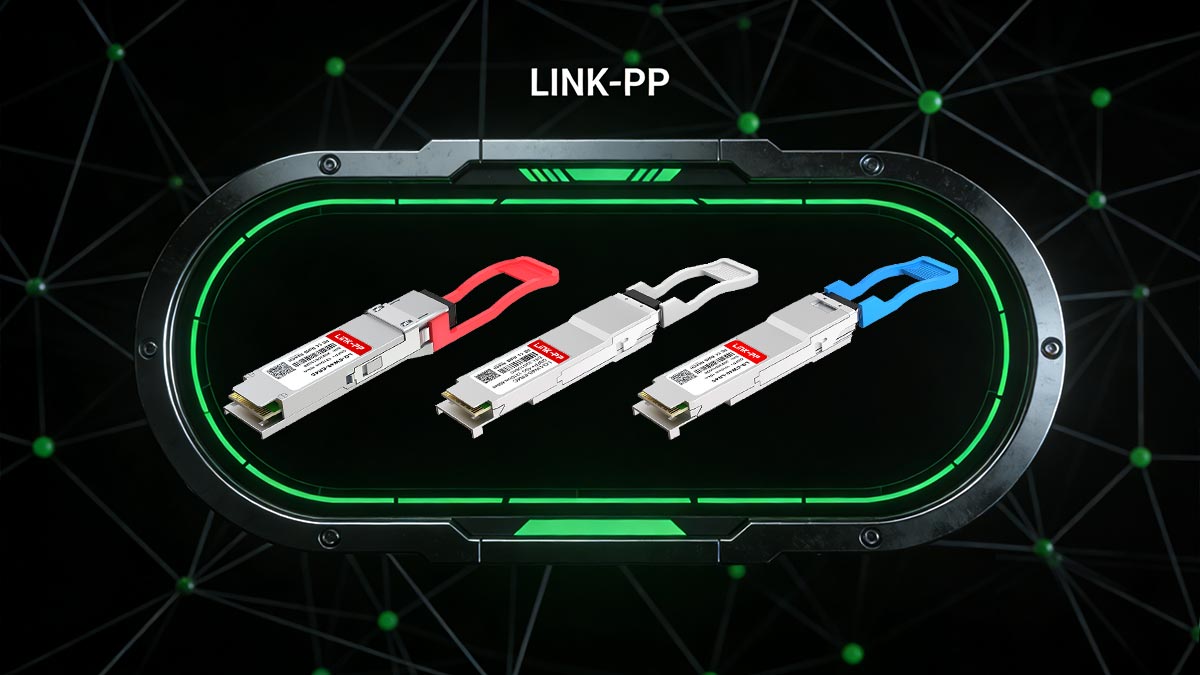
باختصار، يُبرز استعراض تاريخ QSFP مقابل QSFP+ كيف يمكن للتحسينات الداخلية الذكية أن تُعزز أداء الشبكة بشكلٍ كبير دون تغيير حجم المكونات المادية. فبينما قدّم التصميم الأصلي كثافة مكانية عالية الكفاءة، إلا أن التحسينات الكهربائية الدقيقة والمعالجة المتوازية لأربعة مسارات في QSFP+ هي التي جعلت نشر شبكات 40G عالية السرعة معيارًا عالميًا.
يُعد اختيار المكونات البصرية المناسبة أمرًا بالغ الأهمية لضمان موثوقية الشبكة على المدى الطويل، وكفاءة الطاقة المثلى، وقابلية التوسع السلسة في المستقبل. إذا كنت بصدد ترقية بنية مركز البيانات الخاص بك أو تحسين محولات الشبكة المؤسسية، فاستكشف المجموعة المتميزة من أجهزة الإرسال والاستقبال البصرية عالية الأداء لدى LINK-PP المتجر الرسمي للعثور على الحل الأمثل لاحتياجاتك.