


































In modern high-speed enterprise networks, the choice of transceiver modules is critical for ensuring reliable, efficient, and cost-effective data transmission. Cisco transceivers, such as the GLC-SX-MMD, have long been the industry standard for many enterprises. However, with growing budgetary pressures and the maturity of third-party manufacturing, compatible optical transceivers present a compelling alternative.
This article delves specifically into the world of Cisco GLC-SX-MMD compatible transceivers, providing a comprehensive guide on their specifications, benefits, and selection criteria to help you make an informed decision for your network infrastructure.
What You Will Learn from This Article:
- Detailed understanding of Cisco GLC-SX-MMD transceiver specifications and use cases.
- Key advantages of choosing GLC-SX-MMD compatible modules over OEM.
- Critical specifications to verify when selecting a GLC-SX-MMD compatible alternative to ensure seamless performance.
- Clear comparison between OEM and third-party GLC-SX-MMD compatible modules regarding hardware, compatibility, and pricing.
- Insights into EEPROM coding and how it affects compatibility with Cisco devices.
- Practical strategies to avoid compatibility issues and troubleshoot common problems.
- Guidance on selecting a reliable third-party transceiver supplier for GLC-SX-MMD compatible modules.
- Answer to the common questions about Cisco GLC-SX-MMD compatible modules.
? What Is the Cisco GLC-SX-MMD Transceiver
The Cisco GLC-SX-MMD is a hot-swappable SFP optical transceiver designed for Gigabit Ethernet communication over multimode fiber (MMF). It delivers fast and reliable data transmission over short-distance fiber-optic links.
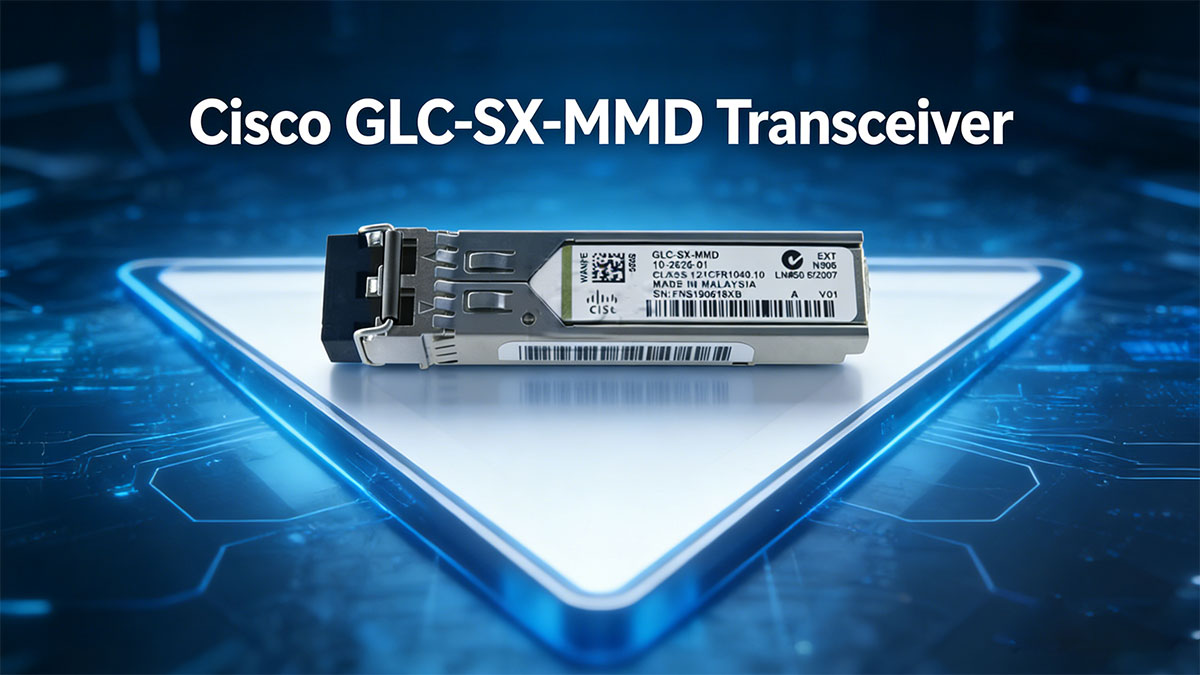
Overview of the Cisco GLC-SX-MMD SFP Module
The Cisco GLC-SX-MMD is a 1000BASE-SX SFP transceiver designed for reliable gigabit connectivity over multimode fiber (MMF). Operating at an 850nm wavelength, it supports data transmission distances of up to 550m when paired with 50/125μm multimode fiber. The module uses a duplex LC connector, providing a compact, high-performance solution for short-range optical links in enterprise and data center networks.
In addition to its performance strengths, the Cisco GLC-SX-MMD features Digital Optical Monitoring (DOM) support, which enables network administrators to access and track real-time operating parameters such as operating temperature, receiver power, transmitter power, laser bias current, and supply voltage. This monitoring capability simplifies diagnostics and maintenance while improving network visibility and reliability.
Cisco GLC-SX-MMD Datasheet: Specifications and Features
The Cisco GLC-SX-MMD is a 1G SFP multimode fiber transceiver designed for short-range applications that require stable performance. It delivers reliable 1000BASE-SX connectivity using an 850nm wavelength and includes robust features for high-efficiency network connections.
- High-Speed Performance: Supports data transmission rates of up to 1.25Gbps for seamless gigabit Ethernet communications.
- Flexible Transmission Distance: Up to 220m over 62.5/125µm multimode fiber and up to 550m over 50/125µm multimode fiber.
- Hot-Pluggable Form Factor: Compact SFP design allows quick installation and replacement without interrupting network operation.
- Laser Safety Assurance: Meets Laser Class 1 safety requirements in accordance with IEC 60825-1.
- Efficient Power Usage: Operates on a single +3.3 V DC power source, reducing power consumption.
To give a clearer view of its technical capabilities, the following datasheet outlines the key specifications of the Cisco GLC-SX-MMD transceiver.
| Parameter | Cisco GLC-SX-MMD |
| Data Rate | 1.25Gb/s |
| Fiber Type | Multimode Fiber (MMF) |
| Modal Bandwidth | 160MHz*Km |
| Transmit Power | -9.5 to -3dBm |
| Receive Power | -17 to 0dBm |
| Transmit and Receive Wavelength Range | 770 to 860nm |
| Power Consumption | ≤2W |
| Connector Type | Duplex LC |
| Digital Diagnostic Monitoring (DDM) | Supported |
| Operating Temperature (Commercial) | 0 to +70 °C |
| Operating Temperature (Industrial) | -40 to +85 °C |
| Compliance | IEEE 802.3z 1000BASE-SX standard |
Supported Standards and Typical Applications
The Cisco GLC-SX-MMD transceiver supports a range of industry-standard protocols and is designed for use in Gigabit Ethernet networks. Some of its key supported standards include:
- IEEE 802.3z for Gigabit Ethernet
- SFF-8472 for digital diagnostics monitoring (DDM/DOM)
Given its specification for short-range, high-speed links, the Cisco GLC-SX-MMD is typically deployed in several key scenarios:
- Enterprise LANs and data centers, enabling high-speed backbone links between switches.
- Campus and branch environments, interconnecting aggregation and distribution layers.
- Storage and cloud access networks, where reliable short-range fiber connectivity is essential.
- High-density server environments, where hot-pluggable optical modules enable quick network upgrades or replacements without downtime.
? Why Choose Cisco GLC-SX-MMD Compatible Transceivers
Selecting Cisco GLC-SX-MMD compatible transceivers allows network operators to balance performance and budget without compromising reliability. High-quality third-party compatible modules can deliver the same functionality as original Cisco modules while offering greater flexibility in sourcing and maintenance.
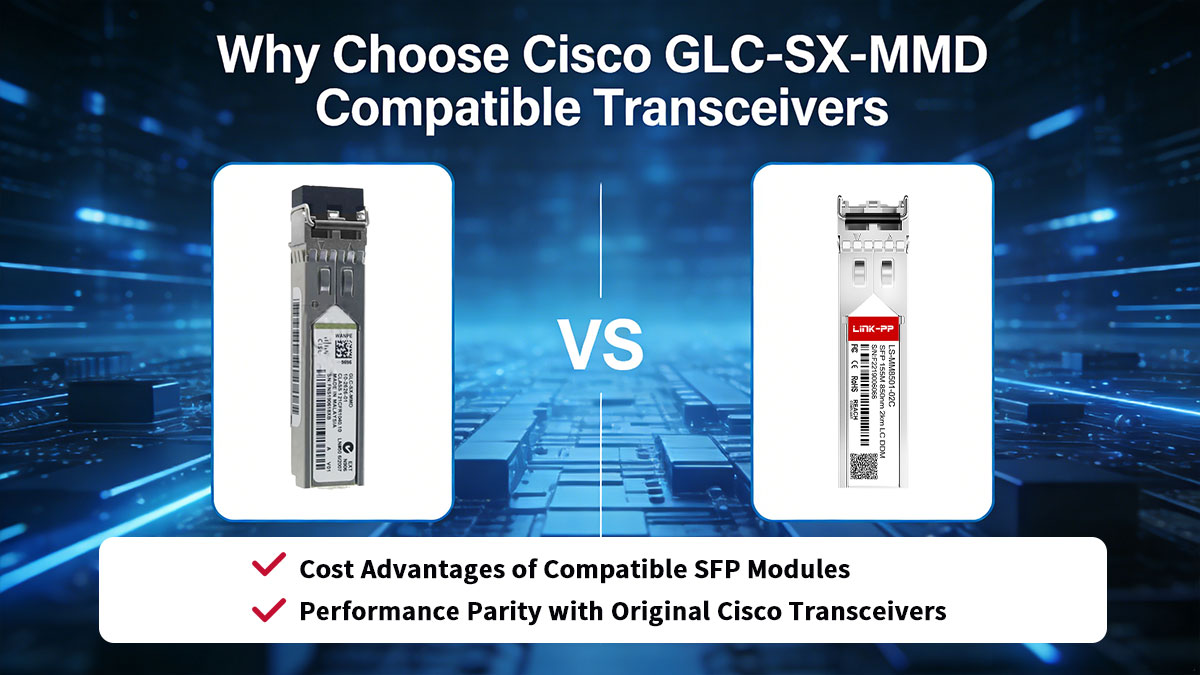
Cost Advantages of Compatible SFP Modules
One of the primary reasons organizations opt for Cisco GLC-SX-MMD compatible transceivers is the significant cost savings. Original Cisco SFP modules often come at a premium price, especially in large-scale deployments where dozens or even hundreds of ports are required.
Compatible SFP modules from reputable manufacturers can reduce hardware costs substantially — often by 30 - 70% — while still meeting the same technical specifications. For example, a LINK-PP Cisco GLC-SX-MMD compatible module provides a budget-friendly alternative that helps enterprises and data centers optimize capital expenditure without sacrificing network stability.
Performance Parity with Original Cisco Transceivers
High-quality Cisco GLC-SX-MMD compatible transceivers are designed to match the performance of original Cisco modules in real-world network environments. They support the same 850nm wavelength, 1Gbps data rate, and 550m transmission distances over multimode fiber, ensuring seamless interoperability with Cisco switches and routers.
Well-engineered compatible modules also undergo rigorous testing for signal integrity, temperature stability, and interoperability, enabling them to deliver consistent throughput and low error rates. In practice, a properly programmed LINK-PP Cisco compatible module can perform on par with Cisco OEM transceivers in enterprise access networks, campus backbones, and data center aggregation layers.
? Key Specifications for Cisco GLC-SX-MMD Compatible Modules
For a Cisco GLC-SX-MMD compatible transceiver, matching the original module's key specifications is non-negotiable. Any deviation in core optical or electrical parameters can jeopardize link stability, interoperability, and overall network reliability in Cisco equipment.
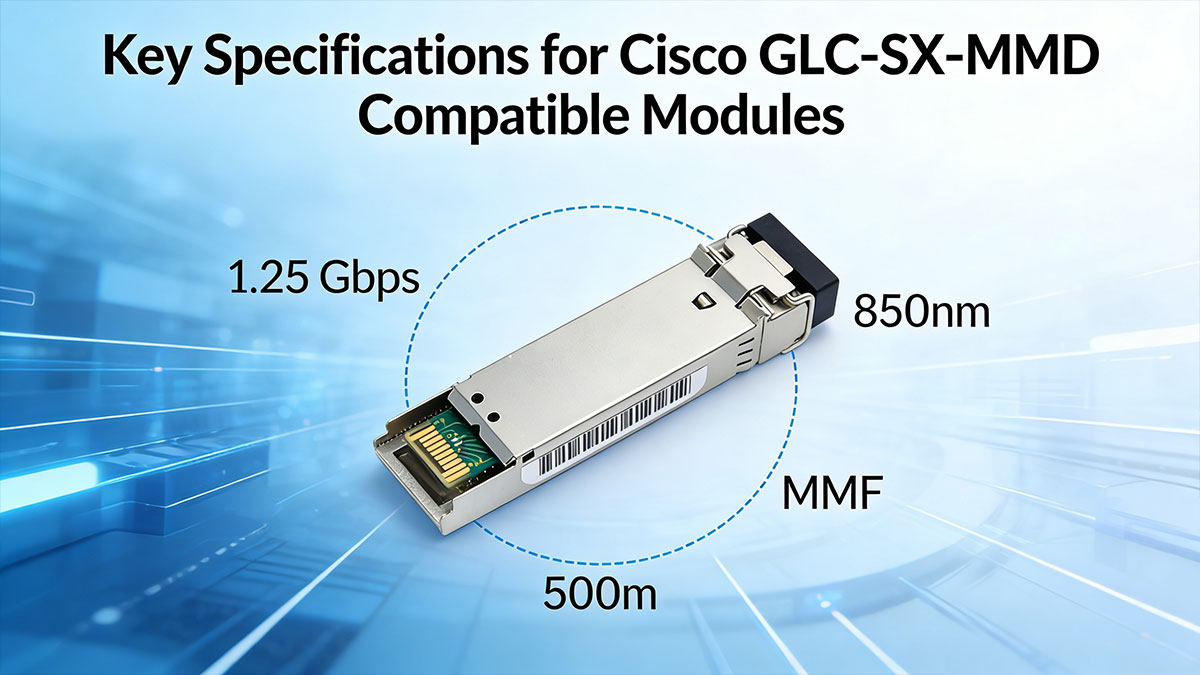
Optical Wavelength and Data Rate
Cisco GLC-SX-MMD compatible transceivers operate at a wavelength of 850nm, optimized for short-range multimode fiber (MMF) communications. They support Gigabit Ethernet (1.25Gbps nominal data rate), following the IEEE 802.3z standard. Precisely tuned 850nm VCSEL (Vertical-Cavity Surface-Emitting Laser) transmitters provide stable optical output, while a high-sensitivity PIN photodiode receiver ensures minimal signal degradation.
Maximum Transmission Distance
A Cisco GLC-SX-MMD compatible module must achieve the same reach as the original: up to 550m over 50/125µm (OM2) multimode fiber. Performance over 62.5/125µm (OM1) fiber should also match, typically reaching 220m. Verify that the supplier's datasheet explicitly guarantees these distances under the specified fiber type, as inferior optics or components may result in reduced reach or link instability.
Connector Interface and Fiber Type
Cisco GLC-SX-MMD transceivers use a duplex LC connector, which is standard for 1G SX SFP modules. Compatible modules must maintain precise connector alignment and low insertion loss to ensure reliable bidirectional communication. Also, the module should be explicitly designed for multimode fiber operation and optimized for core sizes of 50µm and 62.5µm. Poor connector polishing or incorrect fiber optimization can lead to higher attenuation and unstable links.
Digital Diagnostics Monitoring Support
A Cisco GLC-SX-MMD compatible alternative should support Digital Diagnostics Monitoring (DDM/DOM), allowing Cisco devices to report real-time parameters such as receiver power, transmitter power, operating temperature, laser bias current and supply voltage. Network administrators can easily monitor transceiver health through the switch’s user interface or CLI, reducing downtime and simplifying maintenance.
? OEM vs. Third-Party Cisco GLC-SX-MMD: What’s the Difference
When considering the Cisco GLC-SX-MMD transceiver, you’ll come across both OEM and third-party options. While both can offer similar functionality, the differences in hardware, compatibility, and pricing can affect your choice depending on your network needs.
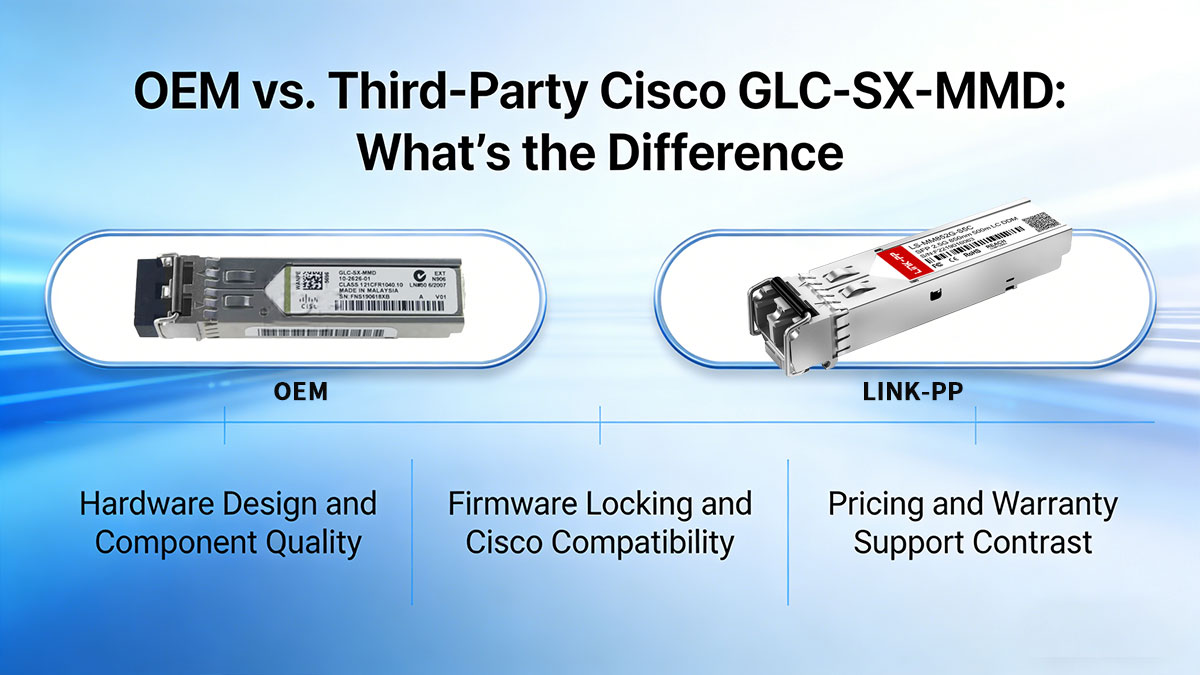
Hardware Design and Component Quality
OEM Cisco GLC-SX-MMD modules are designed and qualified exclusively for Cisco’s own product portfolio, which means you pay a premium not only for the hardware itself but also for the Cisco brand and bundled support system. By contrast, LINK-PP focuses on building GLC-SX-MMD compatible modules that strictly follow the same IEEE 802.3z 1000BASE-SX standards and SFP MSA form factor, while optimizing the bill of materials to keep your cost under control.
From a hardware standpoint, LINK-PP uses high-quality VCSEL lasers, PIN/TIA receivers, and stable EEPROM components selected for low jitter, low BER, and consistent optical performance over the full operating temperature range. Every production batch is tested on real Cisco switches and routers that support GLC-SX-MMD, checking parameters such as TX/RX power, eye pattern, and module current consumption under different traffic loads. This test regime ensures that when customers deploy LINK-PP modules alongside existing Cisco optics, they see the same link stability and uptime they expect from OEM parts.
Firmware Locking and Cisco Compatibility
One of the biggest concerns for network engineers considering third-party optics is firmware locking and “unsupported transceiver” warnings on Cisco devices. OEM modules naturally pass Cisco’s internal checks because they carry Cisco’s own vendor identifiers and firmware structure. LINK-PP addresses this concern by implementing Cisco-specific coding at the EEPROM level, carefully programming vendor name, part number, serial number format, and checksum fields to align with Cisco’s recognition logic.
In practice, this means LINK-PP’s GLC-SX-MMD compatible modules are designed to be plug-and-play in Cisco switches and routers that accept third-party optics, with proper identification in CLI outputs (show interface / show inventory) and full support for DDM/DOM readings. For customers running large Cisco fleets or mixed-vendor networks, LINK-PP’s customer support team can also provide guidance on IOS/firmware versions, recommended interface commands, and best practices to minimize compatibility warnings, helping you integrate third-party optics smoothly into your existing network environment.
Pricing and Warranty Support Contrast
Choosing OEM Cisco GLC-SX-MMD optics often means committing a significant portion of your network budget to transceivers alone, especially in access and aggregation layers where port counts are high. LINK-PP positions its GLC-SX-MMD alternatives as a high-value option: you can typically equip several ports with LINK-PP optics for the cost of a single OEM module, freeing budget for switches, cabling, or redundancy that directly improves your network design.
From a support perspective, Cisco’s warranty and TAC access are tied to the OEM system, but this support model is not always necessary for standard 1G SX links. LINK-PP offers a dedicated warranty on its GLC-SX-MMD compatible modules—often 3-year coverage with advance replacement for confirmed hardware failures—and provides direct technical support for any detection or link issues related to the module itself.
? Coding and EEPROM Programming for Cisco GLC-SX-MMD Alternatives
Coding and EEPROM programming are crucial processes that make third-party GLC-SX-MMD compatible transceivers fully functional with Cisco switches. They ensure that the compatible modules emulate Cisco’s original firmware behavior, allowing seamless performance without triggering compatibility errors.
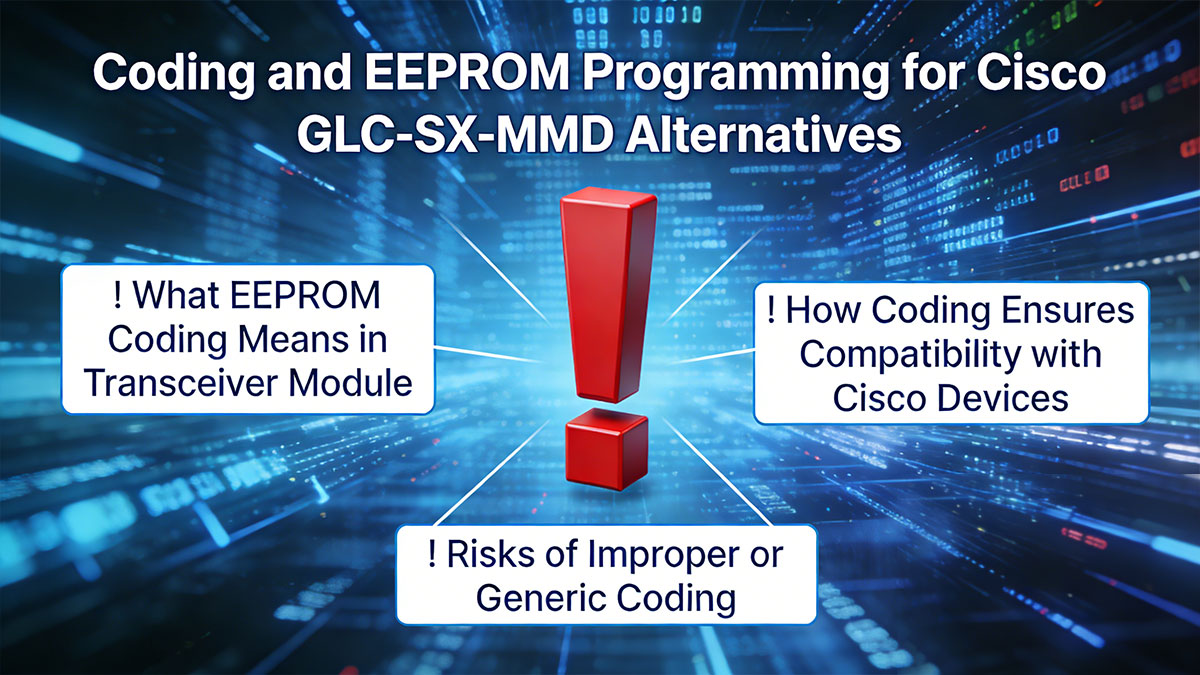
What EEPROM Coding Means in Transceiver Module
An EEPROM (Electrically Erasable Programmable Read-Only Memory) is a small memory chip inside every SFP transceiver that stores key operational data. This information enables the host switch to identify and communicate with the module properly. In a Cisco GLC-SX-MMD compatible transceiver, the EEPROM coding includes:
- Vendor Identification Data: Manufacturer name, part number, and serial number to match Cisco’s required ID format.
- Module Parameters: Supported speed (1.25Gbps), wavelength (850nm), and fiber type (multimode fiber).
- Calibration Data: Digital diagnostics for temperature, TX/RX power levels, and voltage metrics.
- Checksum Values and Identifier Bytes: Ensure the data structure aligns with Cisco’s SFF-8472 specification requirements.
How Coding Ensures Compatibility with Cisco Devices
Correct EEPROM coding is essential for ensuring that a third-party GLC-SX-MMD compatible module works reliably in Cisco switches and routers. Proper Cisco-specific coding helps achieve the following:
- Vendor Identification Matching: The EEPROM reports Cisco-compatible vendor IDs and part numbers, preventing the switch from flagging the module as unsupported.
- IOS Compatibility Checks: Cisco IOS and NX-OS perform EEPROM validation during boot and hot-plug events; accurate coding avoids error messages or port shutdowns.
- Feature Enablement: Correct coding ensures that features such as DOM/DDM monitoring, link diagnostics, and alarm thresholds function normally.
- Consistent Port Behavior: Properly coded modules reduce issues like intermittent link drops, delayed link-up, or speed/duplex mismatches.
Risks of Improper or Generic Coding
Incorrect or incomplete EEPROM programming can create operational issues that affect reliability and device recognition. Key risks include:
- Compatibility Errors: Switch may display warnings like “Unsupported transceiver” or block the port entirely.
- Unstable Link Performance: Incorrect laser calibration or missing digital diagnostic info can cause optical power mismatches.
- Firmware Conflicts: Cisco software updates may disable generically coded modules when EEPROM fields fail authenticity checks.
- Network Instability: Improper coding can cause link flapping, higher error rates, or unpredictable behavior under load.
? How to Avoid Compatibility Issues with Cisco GLC-SX-MMD
When selecting compatible transceivers for the Cisco GLC-SX-MMD, ensuring smooth integration with your Cisco devices is essential. The following strategies will help minimize compatibility issues and maximize performance and reliability.
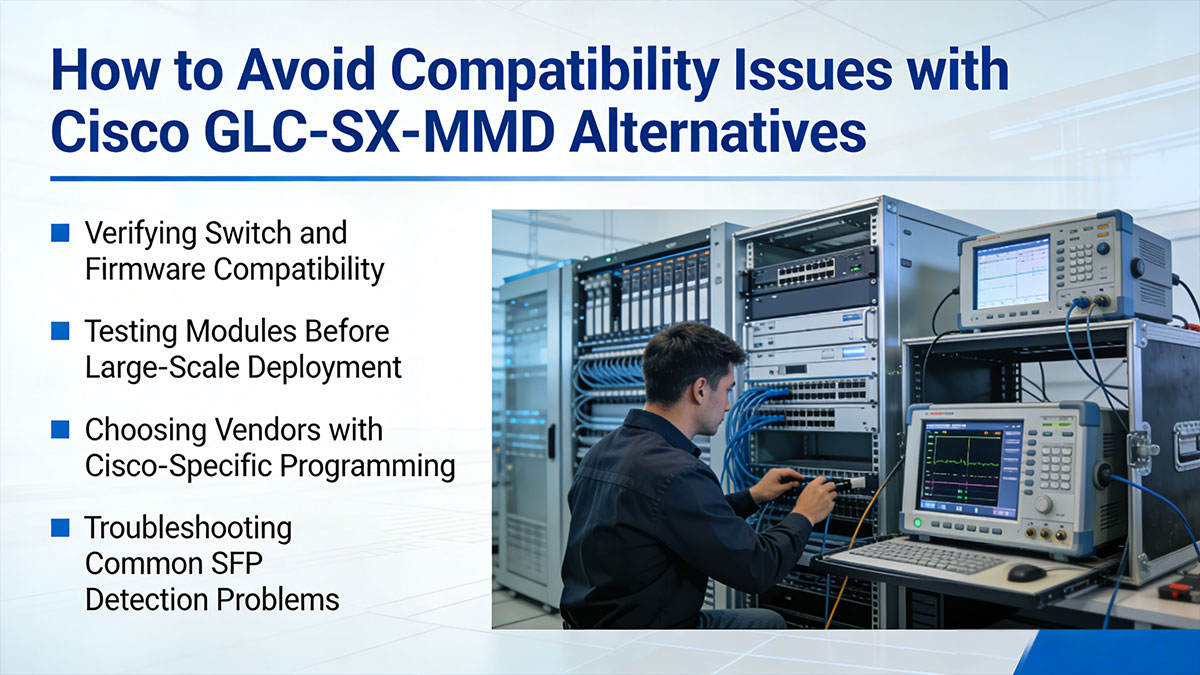
Verifying Switch and Firmware Compatibility
Before purchasing a Cisco GLC-SX-MMD alternative transceiver, it is crucial to verify that your Cisco switch supports the module. This includes ensuring that your current firmware version is compatible with the GLC-SX-MMD transceiver, as some older firmware may not recognize or properly support the module. Always check the compatibility matrix from the switch manufacturer to avoid potential issues with recognition or functionality.
Testing Modules Before Large-Scale Deployment
To prevent compatibility problems from affecting your network, always test alternative transceivers in a controlled environment before large-scale deployment. Testing should include validating the transceiver's performance under typical network conditions and ensuring it operates correctly within the designated specifications, such as data rate and transmission distance. This helps detect potential issues early, allowing for replacements or adjustments without impacting the broader network.
Choosing Vendors with Cisco-Specific Programming
Select third-party vendors that provide transceivers with Cisco-specific EEPROM programming. This ensures that the transceiver is coded to work seamlessly with Cisco devices, reducing the risk of errors caused by generic or incorrectly programmed modules. Reliable vendors often offer pre-programmed modules that are tested for compatibility, which is crucial for avoiding compatibility and functionality issues in production environments.
Troubleshooting Common SFP Detection Problems
If a Cisco switch fails to detect a Cisco GLC-SX-MMD compatible transceiver, several troubleshooting steps can be taken. First, verify that the transceiver is seated correctly and that the fiber cable is properly connected. If the issue persists, ensure that the firmware on the switch is up to date and supports the alternative module. In some cases, resetting the switch or reprogramming the EEPROM of the transceiver may resolve detection issues.
? Where to Buy Cisco GLC-SX-MMD Compatible Modules
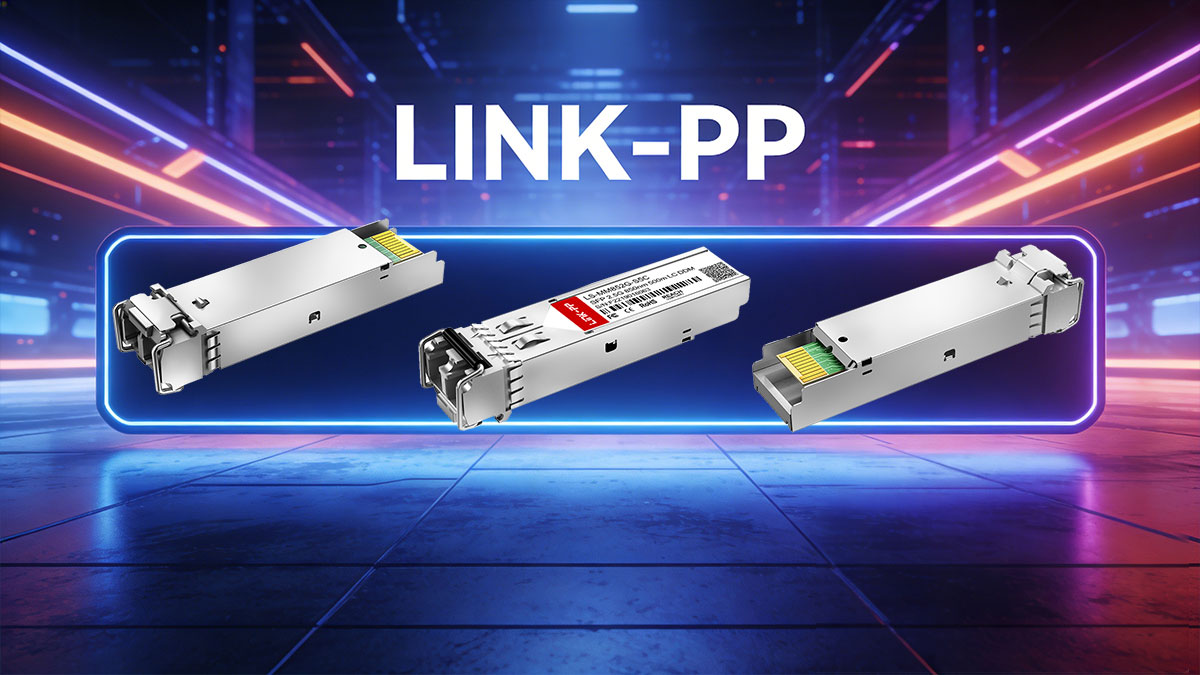
Finding the right place to buy Cisco GLC-SX-MMD compatible modules can make a major difference in both network reliability and cost efficiency. It’s crucial to select suppliers that not only offer certified compatibility but also guarantee product quality, thorough testing, and strong warranty support.
What to Look For in a Reliable Third-party Transceiver Supplier
When selecting a third-party supplier for Cisco GLC-SX-MMD compatible modules, consider the following factors to ensure consistent performance and long-term reliability:
- Cisco Compatibility Certification: Reputable vendors should provide proof that their transceivers are coded and tested to work flawlessly with Cisco switches and routers. Many suppliers simulate real Cisco environments during production testing to confirm plug-and-play operation.
- Comprehensive Testing and Quality Control: Look for suppliers that perform optical and electrical testing before shipment. Reliable sellers will also provide compliance documentation with standards such as IEEE 802.3z and MSA (Multi-Source Agreement).
- Clear Warranty Support: A strong warranty (typically 3-5 years) and lifetime technical support show that a company stands behind its products. Some leading suppliers also offer advance replacement programs to minimize downtime.
Why Choose LINK-PP for Cisco GLC-SX-MMD Alternatives
Link-PP is a well-established third-party transceiver supplier known for quality optical transceiver modules, making it a strong choice for GLC-SX-MMD compatible alternatives:
Reasons To Choose Link-PP:
- Link-PP programs EEPROM data strictly according to Cisco GLC-SX-MMD identification requirements, ensuring seamless integration with Cisco switches.
- All modules are tested for DOM/DDM accuracy, allowing network administrators to monitor temperature, voltage, and optical power in real time.
- Competitive pricing is combined with enterprise-grade quality, making it a practical choice that balances cost efficiency with high reliability and performance expectations.
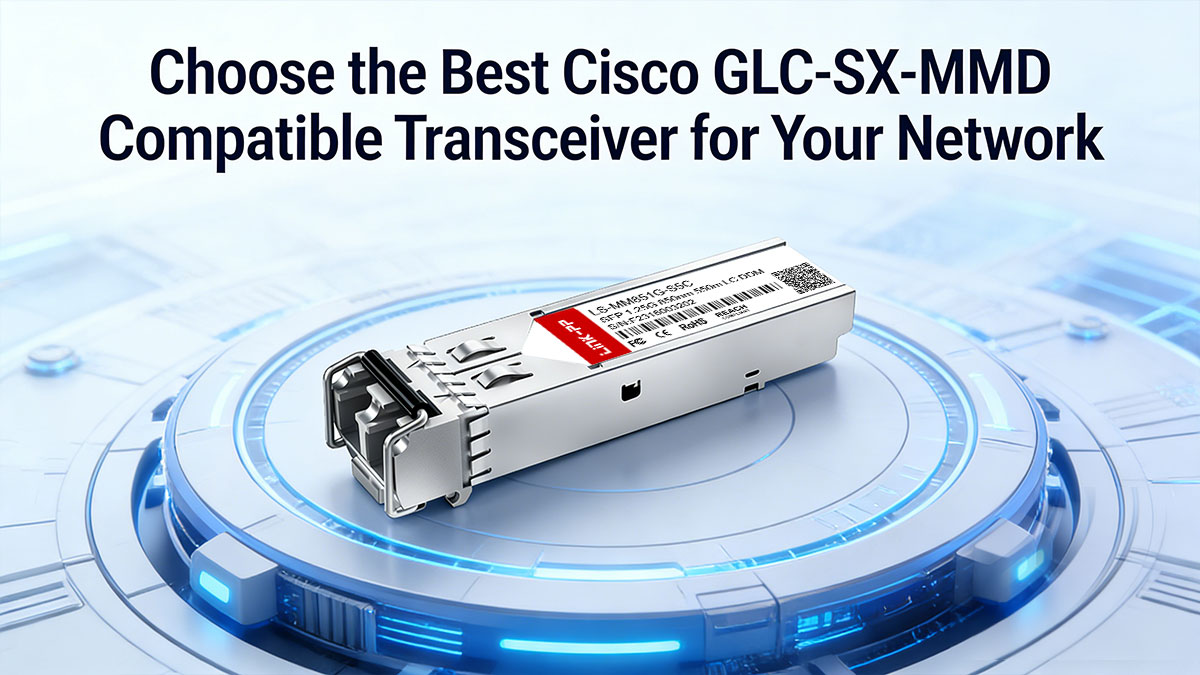
Recommended Alternative: LS-MM851G-S5C 1000BASE-SX SFP Transceiver
- Fully compatible replacement for Cisco GLC-SX-MMD, operating at 850nm with a 1.25Gbps data rate.
- Supports transmission distances up to 550m over OM2 fiber using an LC connector.
- Pre-coded for Cisco device environments, reducing deployment risks in mixed or large-scale network infrastructures.
- Suitable for enterprise access switches, campus networks, and short-range data center interconnects.
? Common Questions About Cisco GLC-SX-MMD Compatible Transceiver
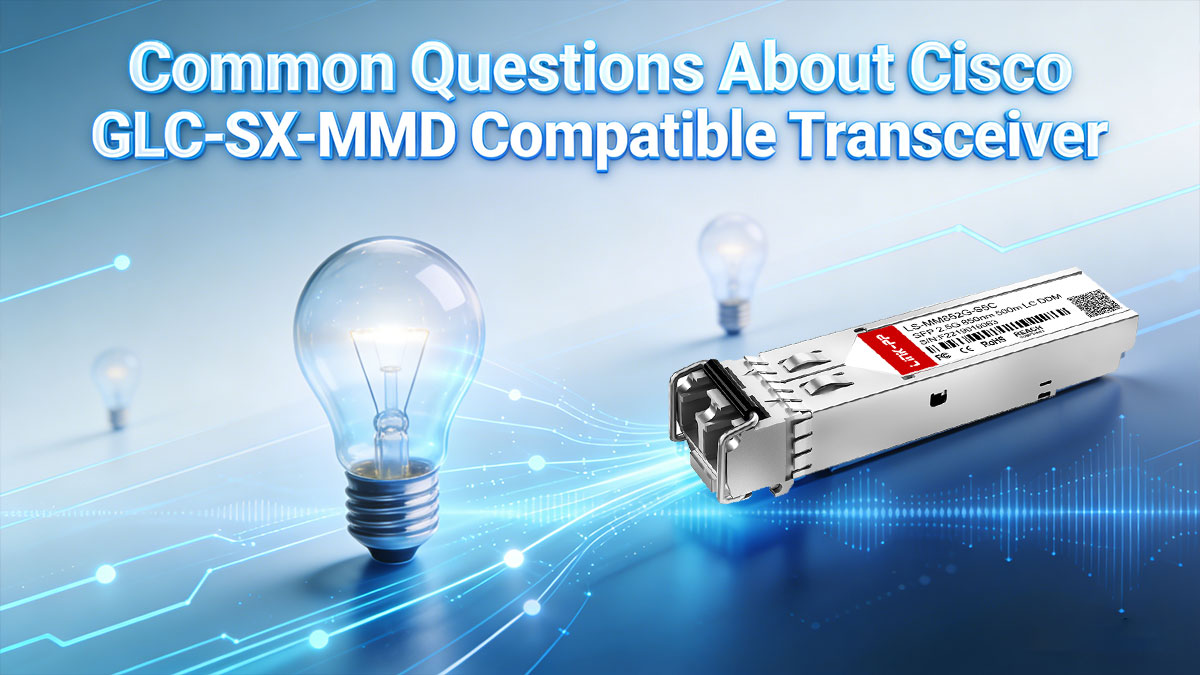
Are Cisco GLC-SX-MMD compatible modules fully supported in Cisco switches?
Yes, Cisco GLC-SX-MMD compatible alternatives are supported in Cisco switches. These modules are specifically designed, programmed, and tested to work with Cisco brand switches and routers. They ensure seamless compatibility and reliable performance in multimode fiber environments up to 550m.
Do third-party GLC-SX-MMD transceivers support DDM/DOM monitoring?
Yes, some quality third-party GLC-SX-MMD transceivers support DDM/DOM monitoring. For example, LINK-PP LS-MM851G-S5C alternative module is designed to provide real-time diagnostics like temperature, voltage, and optical power levels. This feature aligns with SFF-8472 standards for compatibility in Cisco devices.
Can Cisco IOS updates block GLC-SX-MMD compatible transceivers?
No. Cisco IOS updates do not block Cisco GLC-SX-MMD compatible transceivers. As long as the transceiver meets Cisco’s compatibility and specification requirements, it will continue to function normally after IOS upgrades.
How can I confirm the GLC-SX-MMD compatible transceiver is correctly recognized?
You can verify recognition by running the “show interfaces transceiver” or “show inventory” command on the Cisco switch. The transceiver should display correct module details and a normal operating status. Successful link establishment and normal traffic flow also confirm proper recognition.
What should I do if my Cisco switch does not detect the Cisco GLC-SX-MMD alternative?
First, reseat the transceiver and verify compatibility using the “show inventory” and “show interfaces transceiver” commands. If the module is still not detected, ensure the switch IOS version supports the transceiver and check for error messages in show logging, following the transceiver troubleshooting guide. If issues persist, please contact technical support for further diagnosis.
? Choose the Best Cisco GLC-SX-MMD Compatible Transceiver for Your Network
When selecting the best Cisco GLC-SX-MMD compatible transceiver, focus on three key priorities—performance consistency, verified compatibility, and supplier reliability. A high-quality alternative should mirror the OEM module’s optical characteristics (850nm wavelength, 1.25Gbps data rate, up to 550m transmission distance) while ensuring precise EEPROM coding for seamless operation in Cisco switches. Before large-scale deployment, verify that the vendor provides comprehensive testing reports for signal accuracy, DOM/DDM monitoring functionality, and environmental tolerance. This proactive evaluation helps safeguard network uptime and ensures stable, long-term operation across enterprise, campus, and data center network environments.
For businesses seeking a proven balance of quality and affordability, LINK-PP provides reliable alternatives to OEM optics. With strict EEPROM programming, full standards compliance, and comprehensive pre-shipment testing, LINK-PP Cisco GLC-SX-MMD compatible transceivers deliver plug-and-play deployment and long-term stability in Cisco devices. If you’re planning new deployments of 1G multimode links, explore reliable solutions directly from the LINK-PP Official Store to find cost-effective optical transceivers designed to keep your network running efficiently and confidently.







