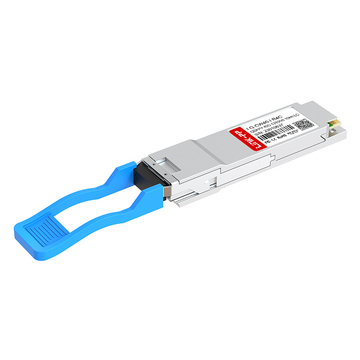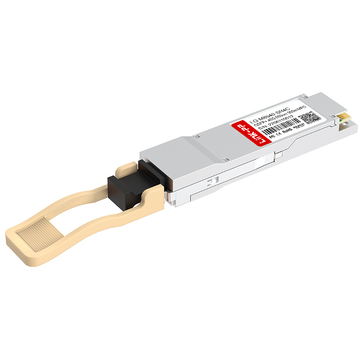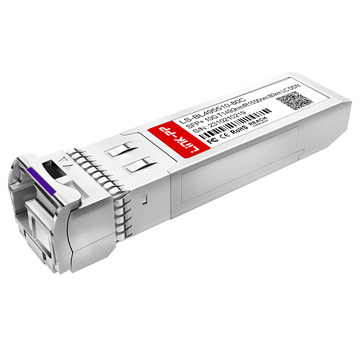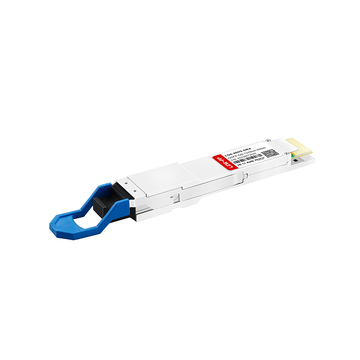
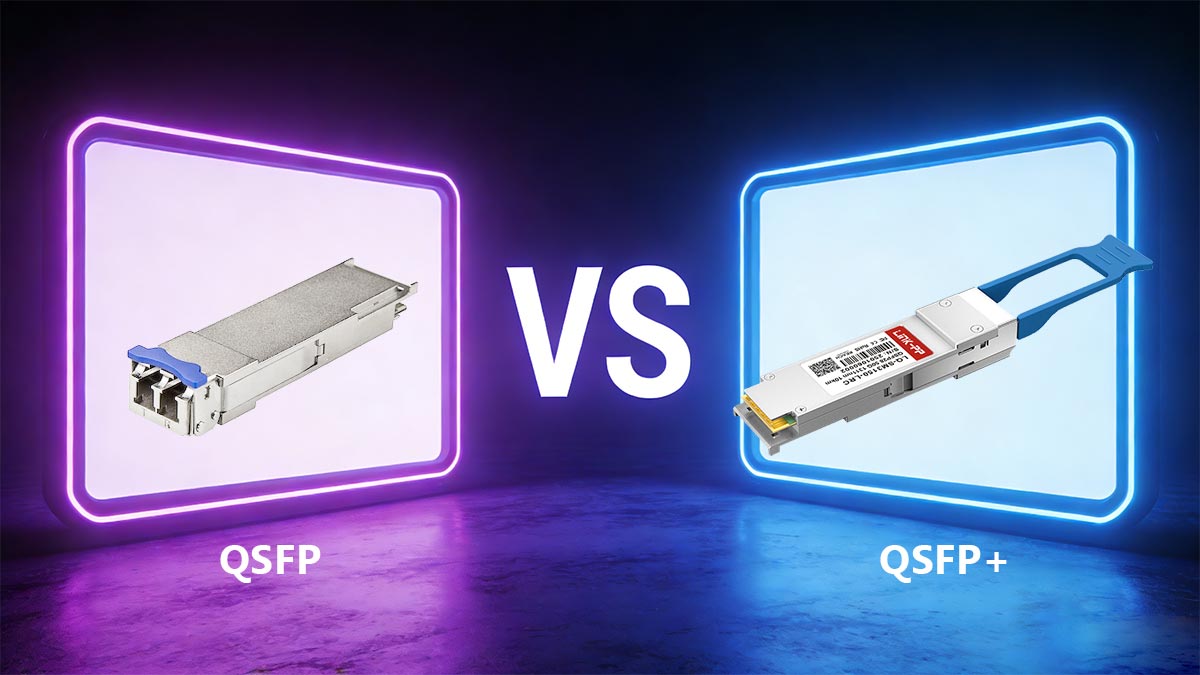
As 데이터 센터 face an unprecedented demand for higher 대역폭, understanding the evolution of 광 트랜시버 becomes essential, especially when comparing QSFP vs QSFP +. While the original Quad Small Form-factor Pluggable (QSFP) laid the groundwork for high-density networking, it was the arrival of QSFP+ that truly revolutionized the industry by meeting the demanding 40G Ethernet 표준.
This technological leap was achieved by upgrading to a 4-lane architecture that delivers a powerful aggregate 처리량 of 40Gbps. In this guide, we will decode the physical and architectural differences between QSFP vs QSFP+, exploring how this evolution shaped modern 40G infrastructure and paved the way for future high-speed networking.
🎈 40G 마일스톤: QSFP와 QSFP+ 소개
2010년대 초 데이터 센터 트래픽이 폭발적으로 증가하면서 40기가비트 이더넷을 안정적으로 제공할 수 있는 소형 고속 플러그형 모듈에 대한 필요성이 절실해졌습니다. QSFP와 그 후속 버전인 QSFP+라는 두 가지 광 모듈 폼 팩터가 주요 솔루션으로 등장했지만, 두 모듈의 유사성 때문에 혼동이 발생하는 경우가 많습니다. 기존 인프라를 평가하거나 단계적인 네트워크 업그레이드를 계획하는 모든 사용자에게 QSFP와 QSFP+의 발전 과정을 이해하는 것은 필수적입니다.
데이터센터의 고대역폭 수요 증가
By 2010, traditional 10G links were struggling to keep pace with 클라우드 컴퓨팅, video streaming, and large-scale 가상화. Server-to-switch connections became congested, forcing network architects to seek a cost-effective leap in bandwidth without drastically increasing physical port density. When comparing the historical bottleneck of QSFP vs QSFP+, the industry desperately needed a module that could deliver four times the throughput of a single 10G channel while maintaining 하위 호환성 with existing cabling plants.
QSFP(Quad Small Form-factor Pluggable)의 기원을 정의하다
The original QSFP, introduced under the Multi-Source Agreement (MSA) in 2006, was designed as a four-lane electrical interface, each lane running up to 10Gbps, for a theoretical aggregate of 40 Gbps. However, early QSFP 모듈 were primarily deployed for InfiniBand SDR (2.5Gbps per lane) and DDR (5Gbps per lane) applications, not for 40G Ethernet. This functional gap highlights the early performance differences of QSFP vs QSFP+, though the early design was highly praised for its compact size — about 30% smaller than a traditional XFP 라디오 송수신기 — allowing up to 36 ports on a single line card.
QSFP+는 40G 이더넷 표준을 충족하기 위해 어떻게 발전해 왔을까요?
때 IEEE 802.3ba standard ratified 40GBASE-R in 2010, the original QSFP’s per-lane electrical signaling (typically 2.5G or 5G) was insufficient. The QSFP+ revision upgraded each of the four electrical lanes to reliably run at 10Gbps, using improved signal integrity and stricter impedance control. This core architectural difference is central to the QSFP vs QSFP+ transition, allowing the enhanced module to carry four 10G lanes in parallel, aggregating to a true 40G while keeping the same external form factor and latching mechanism as its predecessor.
비교 범위: QSFP와 QSFP+의 기능 비교
혼동을 피하려면 기존 QSFP와 40G 지원 QSFP+를 구분하는 주요 엔지니어링 사양을 직접 비교하는 것이 도움이 됩니다. QSFP와 QSFP+를 나란히 비교 분석하면 데이터 전송 속도, 표준 준수 및 일반적인 사용 사례 측면에서 각 모듈의 위치를 정확히 파악할 수 있습니다.
아래 표는 이러한 핵심 기술 매개변수를 요약하여 하드웨어가 최신 데이터 센터 요구 사항을 충족하기 위해 어떻게 발전해 왔는지 보여줍니다.
| 제품 특장점 | 오리지널 QSFP | QSFP + |
| 차선당 최대 전기 요금 | 2.5 - 5Gbps (인피니밴드) | 10Gbps (40G 이더넷) |
| 총 집계 대역폭 | 최대 20Gbps(5G x 4) | 40Gbps (4 x 10G) |
| 기본 응용 | InfiniBand SDR/DDR, 초기 독점 링크 | 40GBASE-SR4, 40GBASE-LR4, 40G 이더넷 |
| IEEE 802.3ba 규격 준수 | 아니 | 네 (40G 기준) |
표에서 볼 수 있듯이 QSFP와 QSFP+를 비교 분석할 때, 최신 버전인 QSFP+는 물리적 크기는 동일하지만 40G 속도를 구현하기 위한 더욱 엄격한 전기적 사양을 갖춘 성능 향상 변형입니다. 따라서 앞으로의 비교는 40G 인프라와 관련하여 이 두 변형에만 초점을 맞출 것입니다.
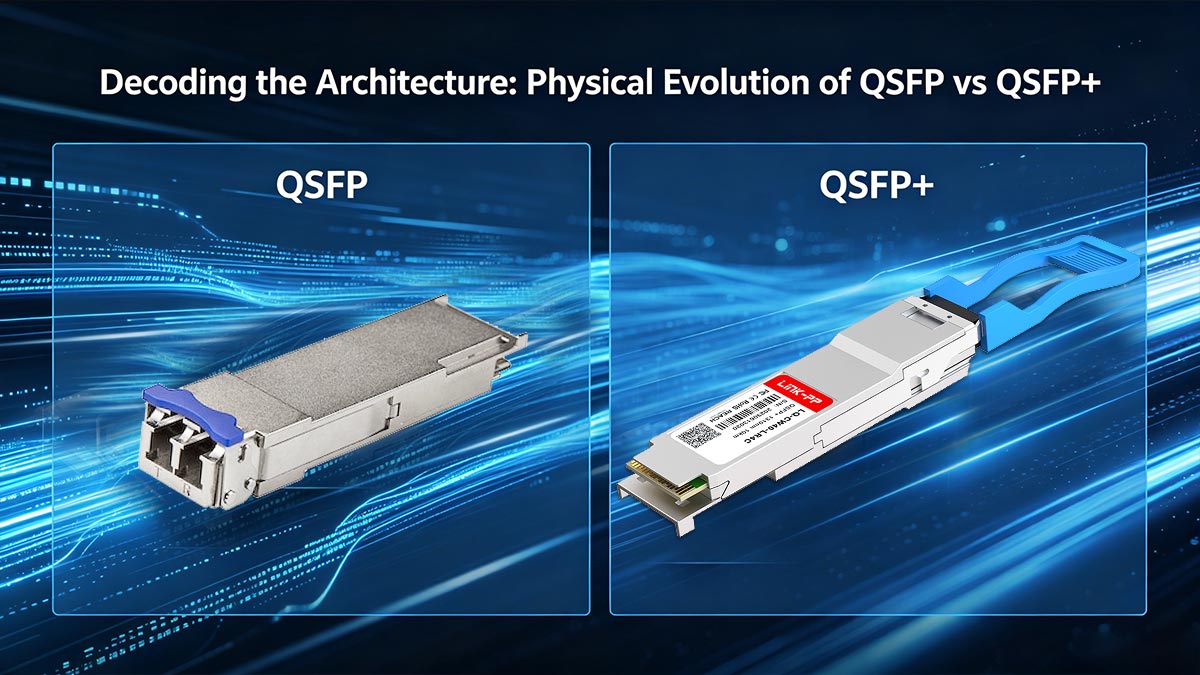
🎈 아키텍처 해독: QSFP와 QSFP+의 물리적 진화
While the performance leap from early data rates to 40G networking is impressive, it heavily relied on critical hardware changes. Examining the physical architecture reveals how engineers modified the internal components while preserving the external shape of the transceiver. These precise hardware adjustments successfully eliminated data bottlenecks without requiring data centers to replace their existing 스위치 차대.
폼팩터 치수 및 기계적 레이아웃 비교
외부적인 관점에서 볼 때, QSFP와 QSFP+의 구조 설계는 기계적 치수가 동일합니다. 두 모듈 모두 동일한 금속 쉘 너비, 높이 및 플러그인 깊이를 사용하여 기존 장비 케이지와의 완벽한 하위 호환성을 보장합니다.
하지만 내부 구조는 더욱 빠른 전자 부품을 수용할 수 있도록 최적화되었습니다. 하우징 재질과 내부 차폐는 고속 작동 시 장기간 물리적 내구성을 보장하기 위해 조용히 업그레이드되었습니다.
핀 디자인이 40G로의 도약을 가능하게 하는 방법
The gold finger pin design on the internal 인쇄 회로 기판(PCB) is where a critical evolution occurred. Although both modules utilize a standard 38-pin layout, the enhanced variant features a radically optimized electrical pin configuration to prevent cross-lane interference.
접지 핀과 고속 차동 신호 쌍을 재설계함으로써 엔지니어들은 기생 정전 용량을 성공적으로 최소화했습니다. 이러한 정밀한 레이아웃 최적화를 통해 개별 레인 속도를 최대 10Gbps까지 안전하게 끌어올리는 데 필요한 깨끗한 전기 경로를 확보할 수 있었습니다.
열 관리 및 열 방출 개선
10Gbps 속도로 4개의 병렬 레인을 실행하면 초기 저속 인피니밴드 작동 방식보다 훨씬 더 많은 열이 발생합니다. 부품 고장을 방지하기 위해 최신 모듈에는 특수 통합 방열판과 융기형 방열판 경로를 포함한 고급 열 설계가 도입되었습니다.
또한, 외피에 사용된 금속 구조 합금을 개선하여 열전도율을 크게 높였습니다. 이러한 변화를 통해 열이 스위치의 냉각 공기 흐름으로 빠르게 방출되어 국부적인 과열 지점으로 인한 네트워크 성능 저하를 방지합니다.
QSFP와 QSFP+의 전력 소비 프로필 비교
The power consumption profile experienced a necessary shift as hardware capabilities transitioned from early designs to the 40G-optimized standard. Original low-speed modules operated under highly conservative 전력 예산, as their simpler internal circuitry required very little electrical current to maintain signal integrity.
With the arrival of the higher-speed standard, internal components like 시계 및 데이터 복구(CDR) chips and advanced optical lasers demanded additional power to operate. To manage this safely, the updated specification introduced structured power classes, ensuring that modern network switches can properly allocate the necessary power and cooling resources for each plugged-in module.
🎈 레인 아키텍처 분석: 40G 전송을 위한 QSFP와 QSFP+ 비교
40G 전송의 진정한 힘은 송수신기 모듈의 내부 레인 아키텍처에 있습니다. 고속 데이터 스트림을 여러 개의 병렬 경로로 분할함으로써, 이러한 구성 요소는 하드웨어 크기를 늘리지 않고도 엄청난 처리량을 달성합니다. 이러한 내부 구조를 살펴보면 차세대 네트워크 트래픽을 원활하게 처리하기 위해 데이터 라우팅이 어떻게 진화했는지 알 수 있습니다.
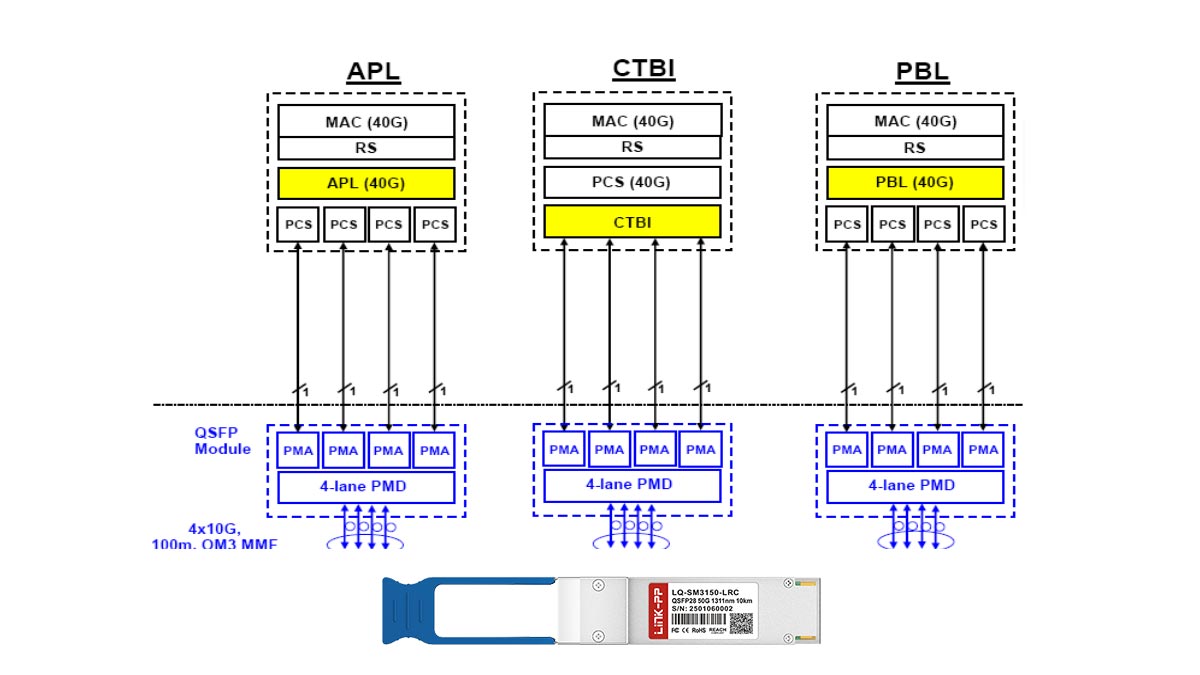
QSFP+의 4레인 아키텍처(4 x 10Gbps)
QSFP+ 모듈은 고효율 병렬 처리 설계를 활용하여 인상적인 40G 속도를 구현합니다. 단일 초고속 직렬 레인에 의존하는 대신, 데이터를 4개의 독립적인 송신(TX) 채널과 4개의 수신(RX) 채널로 분산하여 전송합니다.
다음은 이 특정 4차선 구성이 어떻게 작동하는지 보여주는 핵심 사항입니다.
- 4차선 설계: 4개의 개별 전기 차선을 동시에 사용합니다.
- 레인당 10G: 각 레인은 10Gbps의 속도로 데이터를 전송합니다.
- 데이터 집계: 4개의 레인을 모두 결합하여 진정한 40Gbps의 총 속도를 구현합니다.
- 평행 광학: Drives multi-fiber cables to send data over the same distance.
초기 QSFP의 레인당 속도 제한이 40G에 미치지 못한 이유는 무엇일까요?
초창기 QSFP 아키텍처는 40G 이더넷 네트워크의 까다로운 요구 사항을 지원하도록 설계되지 않았습니다. 내부 회로는 구형 저속 표준에 맞춰 설계되었기 때문에 최신 데이터 센터 요구 사항을 충족하기 훨씬 전에 이미 한계에 도달했습니다.
몇 가지 기술적 한계로 인해 초기 모듈은 40G 목표를 달성하지 못했습니다.
- 저속 차선: 차선별 최대 속도는 2.5Gbps 또는 5Gbps로 제한됩니다.
- 회로 병목 현상: 내부 칩이 더 높은 주파수를 처리할 수 없었습니다.
- 총 대역폭 제한: 총 결합 출력은 10Gbps에서 20Gbps에 불과했습니다.
- InfiniBand의 주요 특징: 고속 이더넷이 아닌 초기 클러스터링을 위해 설계되었습니다.
고속에서의 신호 무결성 및 아이 다이어그램 성능
개별 레인의 속도를 10Gbps까지 높이면 심각한 전기적 노이즈와 신호 저하 문제가 발생합니다. 네트워크 엔지니어는 데이터 왜곡을 측정하는 시각적 도구인 아이 다이어그램을 사용하여 QSFP+ 모듈이 오류 없이 깨끗한 데이터를 전송하는지 확인합니다.
도표에서 넓고 안정적인 "열린 눈" 모양을 구현하려면 몇 가지 고급 엔지니어링 기능이 필요합니다.
- 임피던스 제어: 신호 반사를 방지하기 위해 전기 저항을 일치시킵니다.
- 크로스 토크 isolation: Prevents electrical noise from leaking between parallel lanes.
- 지터 감소: 모든 채널에서 데이터 타이밍을 완벽하게 안정적으로 유지합니다.
- 명확한 데이터 경로: 최대 속도로 오류 없는 데이터 전송을 보장합니다.
고밀도 스위칭 네트워크에서의 집계 처리량 성능
고밀도 스위치 환경에서 수십 개의 40G 포트를 함께 구성하면 네트워크 패브릭에 엄청난 부담이 가해집니다. QSFP+의 집계 처리량은 스위치가 국소적인 트래픽 정체를 발생시키지 않고 테라바이트급 데이터를 처리할 수 있도록 보장합니다.
이러한 고밀도 집적은 전체 네트워크에 여러 가지 성능상의 이점을 제공합니다.
- 병목 현상 제거: 핵심 스위치 간 데이터 이동을 원활하게 유지합니다.
- 랙 공간 활용 극대화: 단일 랙 유닛에 엄청난 대역폭을 담았습니다.
- 트래픽 균형 조정: 병렬 경로 전체에 데이터 부하를 고르게 분산합니다.
- 효율적인 확장성: 데이터 센터의 용량 확장을 원활하게 지원합니다.
🎈 프로토콜 지원 및 표준: QSFP와 QSFP+의 진화
하드웨어 세대 간의 기술적 차이는 지원하는 네트워크 프로토콜과 산업 표준을 살펴보면 매우 분명해집니다. 초기 트랜시버는 특정 데이터 저장 및 클러스터링 애플리케이션을 위해 설계되었지만, 후속 제품들은 대규모 엔터프라이즈 네트워킹으로 확장되었습니다. 이러한 규정 준수 역사를 추적해 보면 업계가 완벽한 글로벌 호환성을 보장하기 위해 어떻게 통합된 프레임워크를 구축해 왔는지 알 수 있습니다.
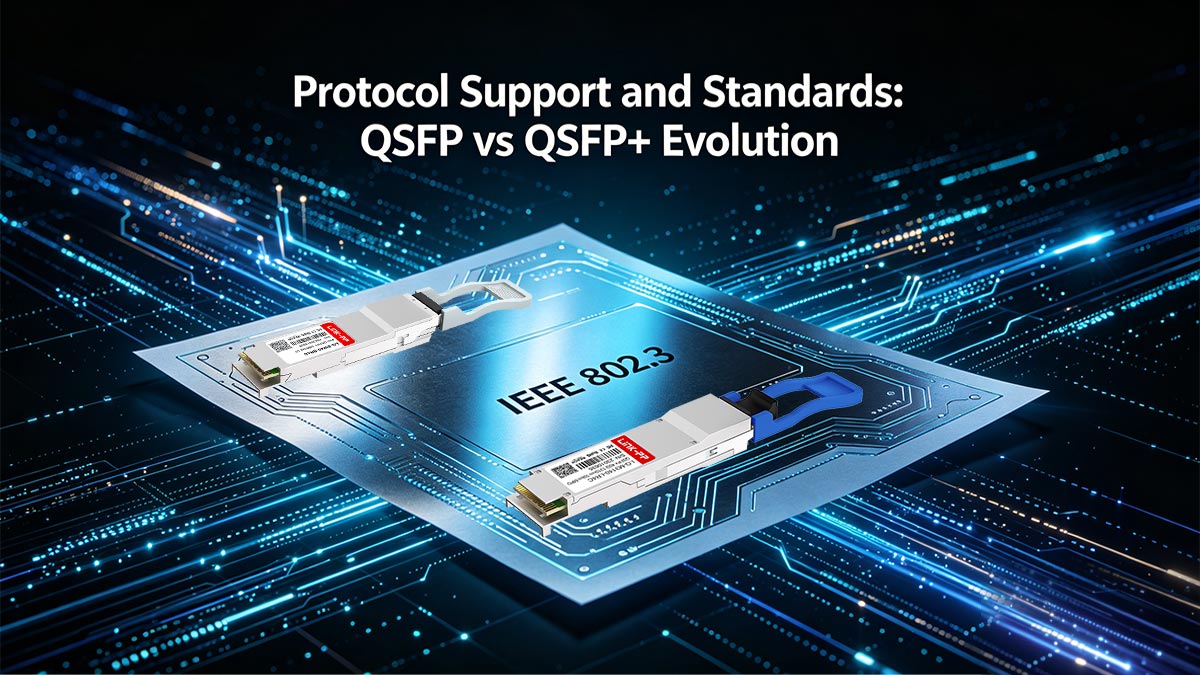
IEEE 802.3 40G 이더넷 표준 준수
QSFP와 QSFP+의 개발 과정에서 가장 큰 차이점은 주류 이더넷 표준을 공식적으로 준수했는지 여부입니다. 초기 QSFP 모듈은 업계에서 40G 네트워크 로드맵을 확정하기 전에 개발되었기 때문에, 표준 이더넷 프레임워크를 따르지 못했습니다.
반면, 향상된 QSFP+는 획기적인 IEEE 802.3ba 40G 이더넷 표준을 준수하도록 특별히 설계되었습니다. 이 중요한 인증을 통해 새로운 모듈은 표준화된 40GBASE-SR4 및 40GBASE-LR4 광 모듈을 지원하여 다양한 공급업체의 제품과 보편적으로 호환될 수 있게 되었습니다.
InfiniBand SDR, DDR, QDR 및 FDR 지원
QSFP와 QSFP+의 성능 이력을 비교해 보면, 인피니밴드 프로토콜과의 연관성을 통해 세대를 거듭하며 상당한 도약을 이루었음을 알 수 있습니다. 구형 QSFP 모듈은 주로 초기 인피니밴드 단일 데이터 전송률(SDR) 및 이중 데이터 전송률(DDR) 프로토콜을 처리했는데, 이 프로토콜들은 상대적으로 낮은 속도에 그쳤습니다.
기술이 QSFP+로 전환됨에 따라, QDR(Quad Data Rate) 및 FDR(Fourteen Data Rate) InfiniBand 프로파일 지원이 확대되었습니다. 특히, QSFP+는 이러한 고속 기능을 제공하는 동시에 기존 SDR 및 DDR 프로토콜과의 완벽한 하위 호환성을 유지하여 원활한 네트워크 마이그레이션을 보장했습니다.
이더넷 기반 파이버 채널(FCoE) 통합
스토리지 영역 네트워크가 기존 IP 네트워크와 융합됨에 따라 트랜시버는 여러 유형의 트래픽을 동시에 전송할 수 있도록 발전해야 했습니다. 초기 QSFP는 이러한 고밀도 복합 스토리지 워크로드를 최신 속도로 효율적으로 처리하는 데 필요한 대역폭과 전기적 사양을 충족하지 못했습니다.
With the development of QSFP+, transmitting both standard LAN data and heavy SAN storage traffic through the exact same physical port became possible. However, it is important to note that this Fiber Channel over Ethernet (FCoE) integration relies heavily on the capabilities of the host equipment — such as converged network adapters (CNAs) and specialized switches — rather than being an inherent feature of the QSFP+ module itself.
QSFP와 QSFP+에 대한 다중 공급업체 계약(MSA) 가이드라인
두 모듈 모두에 대한 기본 지침은 다중 공급업체 계약(MSA)에 의해 규정되며, 이를 통해 서로 다른 제조업체가 물리적으로 호환되는 하드웨어를 제작할 수 있도록 보장합니다. 초기 INF-8438 MSA는 최초의 QSFP에 대한 기본 물리적 풋프린트를 설정했지만 전기적 제한 사항을 고려할 여지를 남겨두었습니다.
To push boundaries, manufacturers collaborated on the updated SFF-8436 specification to define the strict parameters for QSFP+. For advanced diagnostics, this newer agreement inherited and integrated the Digital Diagnostics Monitoring (DDM) features originally defined by the SFF-8472 standard, standardizing the comprehensive telemetry that defines the modern QSFP vs QSFP+ framework.
🎈 케이블 및 미디어의 진화: QSFP와 QSFP+ 연결 방식 비교
The shift in transmission speeds drastically changed the underlying cabling infrastructure required to connect network hardware. As transceivers jumped from low-speed clustering links to high-density 40G aggregates, traditional 패치 코드 could no longer keep pace. Exploring the media evolution reveals how advanced fiber termination and clever wavelength management enabled seamless structural links across the data center floor.
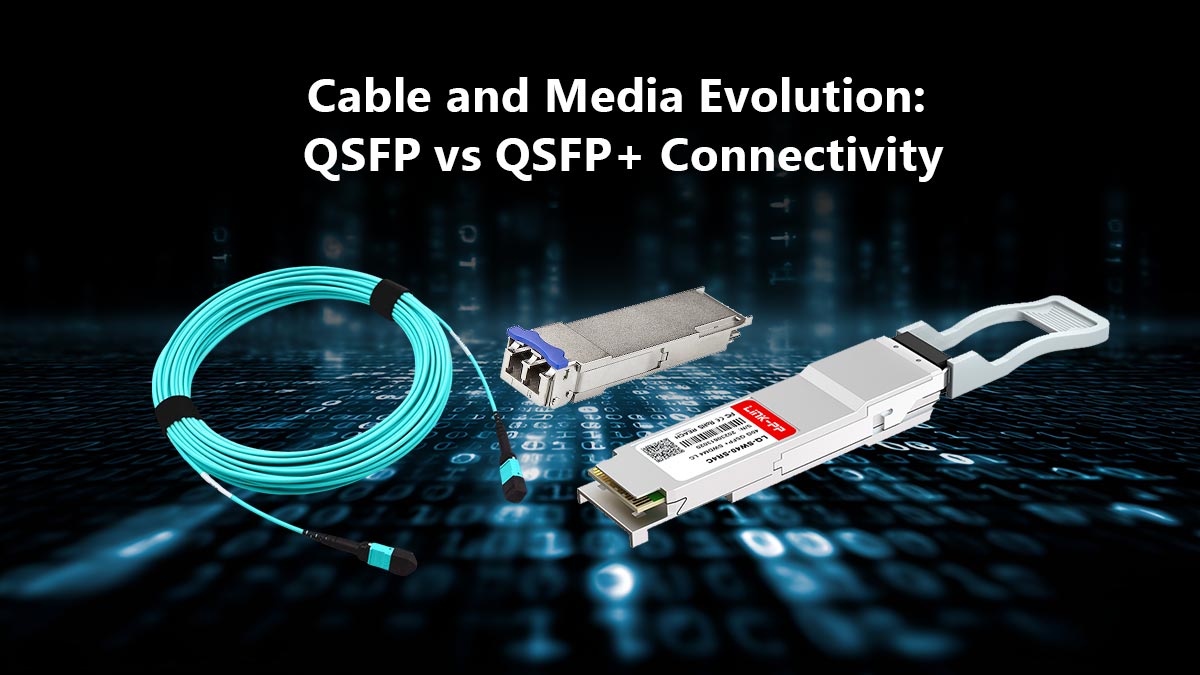
40G 광 트랜시버의 MTP/MPO 병렬 광학 회로로의 전환
QSFP와 QSFP+의 광섬유 인터페이스를 비교할 때 가장 눈에 띄는 변화는 병렬 광 회로의 광범위한 도입입니다. 기존의 단일 채널 트랜시버는 단순한 이중 광섬유 연결에 의존했지만, 40G의 다중 레인 아키텍처는 다른 접근 방식을 요구했습니다.
To support the four discrete data lanes of the QSFP+ standard, engineers turned to MTP / MPO connectors, which bundle 12 separate fibers into a single compact plug. This allowed the module to use four fibers for transmitting and another four for receiving simultaneously, establishing a reliable multi-lane parallel optical connection.
고급 QSFP+ 솔루션: LC 듀플렉스 및 40G BiDi 모듈의 부상
While MTP/MPO cabling provided the ideal physical highway for 병렬 데이터, upgrading an entire data center's fiber backbone can be incredibly expensive. This infrastructure challenge sparked a major design divergence in the QSFP vs QSFP+ ecosystem, leading to the creation of advanced 40G BiDi (Bidirectional) transceivers.
Unlike early hardware configurations, 40G BiDi 모듈 utilize an LC 이중 connector interface, allowing them to run over existing 10G 다중 모드 섬유 patches. By transmitting multiple wavelengths over just two fibers, these clever optics saved organizations from costly cable overhauls during their 40G network migrations.
QSFP+에서 단일 모드와 다중 모드 광섬유 도달 거리 향상 비교
Distance requirements dictate whether an enterprise deploys multimode or 단일 모드 광섬유 media. Early QSFP layouts were largely confined to short-reach, local clustering fabrics with highly restricted distance capabilities.
The development of the QSFP+ standard brought massive reach enhancements, dividing deployment options between cost-effective multimode fiber (MMF) for short runs and single-mode fiber (SMF) for long-distance backbones. Short-range modules (such as the QSFP-40G-SR4) easily cover distances up to 150m over OM4 cables, while long-range variants (like the QSFP-40G-LR4) utilize high-powered lasers to push data up to 10km without signal degradation.
40G 광학계에 파장 분할 다중화(WDM) 통합
To achieve long-distance transmission over a single pair of single-mode fibers without using bulky parallel cables, engineers integrated Wavelength Division Multiplexing (WDM) into the hardware design. This sophisticated optical technology was practically non-existent in the early, low-speed era of original QSFP designs.
40GBASE-LR4 QSFP+ 모듈 내부에는 내장 멀티플렉서가 4개의 개별 데이터 스트림을 1310nm 대역의 서로 다른 4개의 광 파장으로 결합합니다. 이 4개의 신호는 단일 광섬유를 통해 동시에 전송되며, 수신단의 디멀티플렉서에 의해 명확하게 분리되어 물리적 케이블 수를 늘리지 않고도 데이터 효율을 극대화합니다.
🎈 실제 적용 사례: 40G 인프라에서 QSFP와 QSFP+ 배포 비교
하드웨어 표준의 진정한 가치는 실제 운영 네트워크에 적용했을 때 비로소 명확해집니다. 데이터 센터들이 엄청난 트래픽 부하를 처리하기 위해 고군분투하는 상황에서, 적절한 광 부품을 선택하는 것은 네트워크 성능과 운영 비용 모두에 결정적인 영향을 미쳤습니다. 실제 사용 사례를 살펴보면, 기업들이 어떻게 체계적으로 구형 인터커넥트를 교체하여 견고한 40G 운영 환경을 구축했는지 알 수 있습니다.
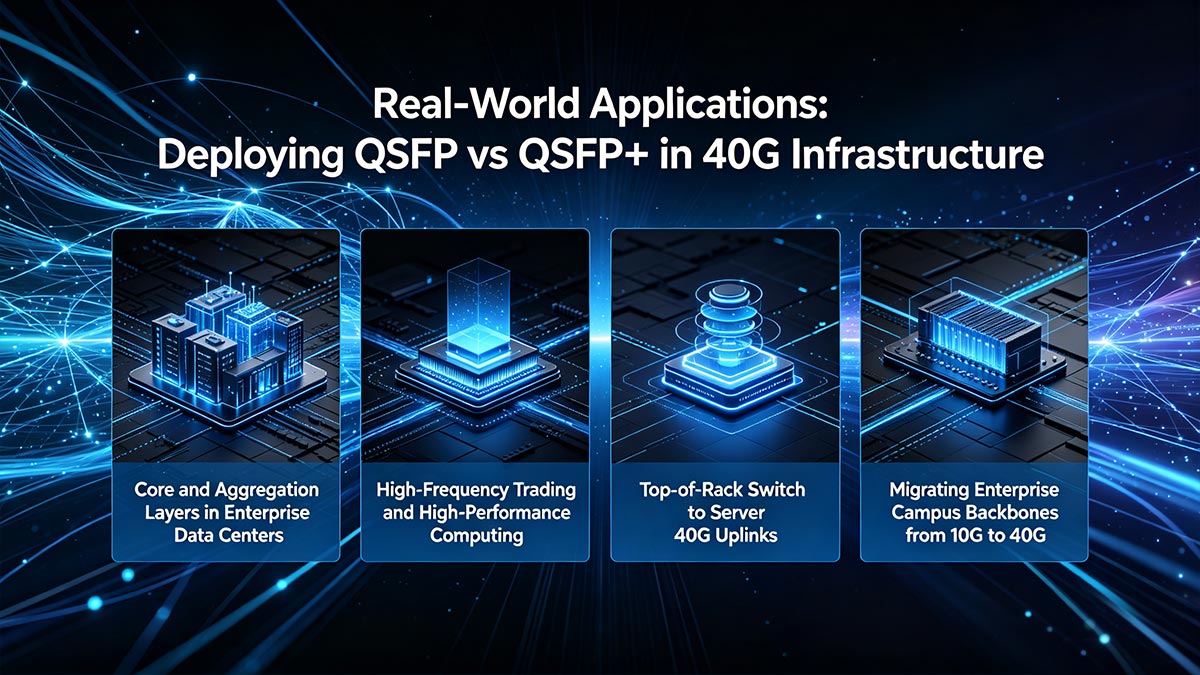
엔터프라이즈 데이터 센터의 코어 및 집계 계층
대규모 엔터프라이즈 데이터 센터에서 코어 및 집계 계층 스위치 간에 오가는 엄청난 트래픽을 관리하려면 엄청난 데이터 처리량이 필요합니다. 초기에는 여러 개의 저속 연결을 묶기 위해 QSFP를 사용했지만, 이러한 방식은 최신 가상화 요구 사항을 충족하기에 빠르게 부족해졌습니다.
40G에 최적화된 QSFP+ 모듈을 배포함으로써 데이터 센터 관리자는 대용량 트래픽을 매우 효율적인 파이프라인으로 통합할 수 있었습니다. 이러한 엔지니어링 혁신은 코어 스위치 간 데이터 라우팅을 크게 간소화하여 대용량 애플리케이션 트래픽이 패킷 손실이나 구조적 지연 없이 기업 네트워크 코어를 통해 전송되도록 보장했습니다.
고빈도 거래와 고성능 컴퓨팅(HPC)
고성능 컴퓨팅(HPC) environments and high-frequency trading networks operate under incredibly tight processing deadlines where microsecond delays translate to millions of dollars. When evaluating QSFP vs QSFP+ inside these advanced clustering environments, the technical differences became critical.
고성능 컴퓨팅(HPC) 시설에서는 최적화된 저지연 전기 경로를 통해 빠른 InfiniBand QDR 및 FDR 프로토콜을 지원하는 업그레이드된 QSFP+ 표준을 선호합니다. 이러한 성능 특성 덕분에 대규모 컴퓨팅 클러스터는 데이터를 거의 즉각적으로 공유할 수 있으며, 초기 저속 하드웨어 설치에서 발생했던 전송 병목 현상을 방지할 수 있습니다.
Top-of-Rack(ToR) 스위치와 서버 40G 업링크
As individual physical servers grew more powerful, their uplink connections to the local 랙 상단(ToR) switch required a massive boost in available throughput. The old method of combining multiple 10G links consumed too many physical ports and complicated basic network architecture.
ToR 스위치 라인 카드에 고밀도 QSFP+ 인터페이스를 통합함으로써 이러한 밀도 문제를 효과적으로 해결했습니다. 이를 통해 네트워크 엔지니어는 서버 랙에서 집계 계층으로 직접 고효율 40G 업링크를 구성하여 사용 가능한 대역폭을 극대화하고 귀중한 장비 공간을 절약할 수 있었습니다.
기업 캠퍼스 백본을 10G에서 40G로 마이그레이션
혼잡한 10G 백본에서 광범위한 기업 캠퍼스 네트워크를 마이그레이션하는 것은 IT 부서에 있어 물류 및 재정적으로 상당한 난관입니다. QSFP와 QSFP+ 전환 과정에서 향상된 모듈은 이러한 대규모 아키텍처 업그레이드를 원활하게 처리하는 데 필요한 운영 도구를 정확하게 제공했습니다.
네트워크 관리자는 유연한 40G BiDi 또는 LR4 QSFP+ 트랜시버를 활용하여 기존 광섬유 경로를 통해 백본 링크 속도를 최대 40G까지 성공적으로 향상시켰습니다. 이러한 혁신적인 접근 방식은 캠퍼스 건물 벽에 새로운 광섬유 케이블을 설치하는 데 드는 막대한 비용을 절감하고, 중요한 구조물 개선 공사 중 네트워크 다운타임을 최소화하는 동시에 설치 비용을 대폭 낮췄습니다.
🎈 40G 이후: QSFP와 QSFP+의 미래와 유산
40G 마이그레이션 과정에서 확립된 아키텍처 혁신은 고속 네트워킹 하드웨어의 미래를 위한 지속적인 청사진을 만들었습니다. 이 특정 4레인 프레임워크가 시간이 지남에 따라 어떻게 발전해 왔는지 살펴보면, 업계가 현대 테라비트 데이터 센터의 토대를 어떻게 마련했는지 명확하게 알 수 있습니다.
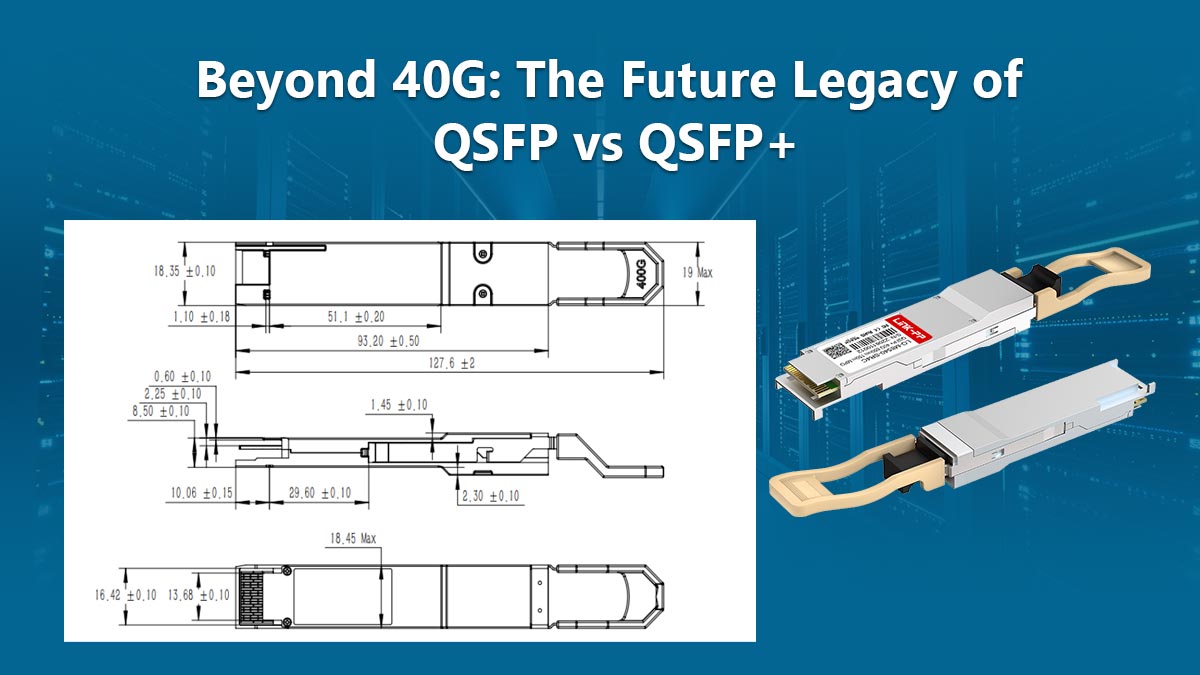
40G QSFP+ 폼팩터가 100G QSFP28의 기반을 마련한 방법
When analyzing the legacy of QSFP vs QSFP+, the most profound impact was how the 40G mechanical footprint paved the direct path for 100G QSFP28 modules. By maintaining the exact same outer dimensions but upgrading the internal lanes from 10Gbps to 25Gbps, engineers achieved a massive speed quadrupling without changing switch port sizes.
NRZ에서 PAM4 신호 방식으로의 진화: 40G 한계를 뛰어넘는 확장성
While the QSFP vs QSFP+ era relied entirely on traditional Non-Return-to-Zero (NRZ) signaling to transmit binary ones and zeros, this electrical method eventually hit a strict physical performance wall. To scale past these 40G and 100G limits, modern hardware transitioned to Pulse Amplitude Modulation 4-Level (PAM4) signaling, which packs twice as much data into the same time slot by using four distinct voltage levels.
4레인 기술의 역사 비교: 40G QSFP+부터 200G/400G QSFP-DD까지
The foundational four-lane architecture popularized during the QSFP vs QSFP+ transition remains highly relevant in today's ultra-fast 200G and 400G networks. Modern QSFP-DD (Double Density) transceivers expand upon this exact same structural heritage by adding a second row of electrical pins, doubling the lane count to eight to achieve unprecedented data center density.
🎈 QSFP와 QSFP+ 40G 모듈 진화에서 얻은 주요 교훈
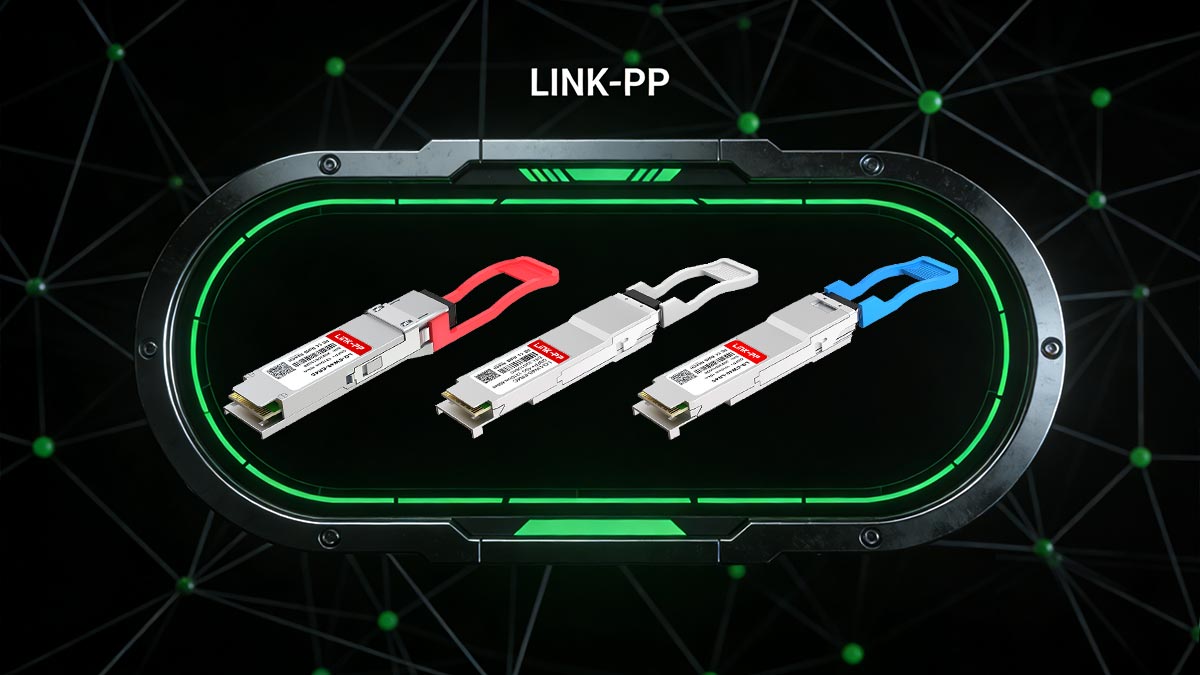
요약하자면, QSFP와 QSFP+의 역사를 살펴보면 물리적 하드웨어 크기를 변경하지 않고도 내부적인 개선을 통해 네트워크 성능을 획기적으로 향상시킬 수 있음을 알 수 있습니다. 초기 설계는 높은 공간 밀도를 제공했지만, QSFP+의 엄격한 전기적 개선과 4레인 병렬 처리 기능 덕분에 고속 40G 네트워크 구축이 전 세계적인 표준으로 자리 잡게 되었습니다.
적합한 광 부품을 선택하는 것은 장기적인 네트워크 안정성, 최적의 전력 효율성 및 원활한 미래 확장성을 보장하는 데 매우 중요합니다. 현재 데이터 센터 인프라를 업그레이드하거나 엔터프라이즈 스위치를 최적화하고 있다면, 당사에서 제공하는 고성능 광 트랜시버의 프리미엄 제품군을 살펴보십시오. LINK-PP 공식 스토어 귀하의 요구에 맞는 완벽한 솔루션을 찾으십시오.