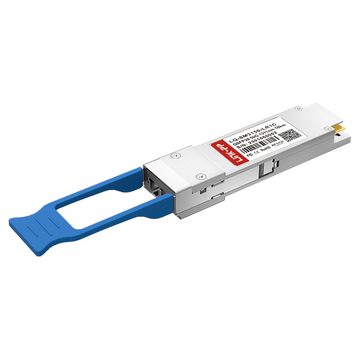
SFP 50G (technically designated as SFP56) is a small form-factor pluggable トランシーバー that delivers 50 Gigabit イーサネット (50GbE) over a single lane utilizing PAM4 modulation, standardized under IEEE 802.3cd. While Original Equipment Manufacturer (OEM) 50G transceivers typically range from $1,200 to over $8,000, certified third-party optics provide identical MSA-compliant hardware and guaranteed スイッチ compatibility for $100 to $250. This allows データセンター to reduce optical deployment costs by up to 90% without compromising 物理層 reliability or スループット.
For modern network architects and data center managers, upgrading infrastructure is a constant balancing act between scaling 帯域幅 and managing rigid IT budgets. As enterprise networks, 5G front-haul deployments, and ハイパフォーマンスコンピューティング(HPC) environments push beyond the limitations of legacy 10G and 25G (SFP28) architectures, the SFP 50G transceiver has emerged as a critical component for next-generation connectivity.
The primary architectural advantage of SFP56 lies in its form factor. Unlike QSFP28 modules—which utilize four discrete lanes to achieve 100G—the SFP56 transceiver maintains the exact physical footprint of legacy SFP ports. By leveraging Pulse Amplitude Modulation 4-level (PAM4) signaling, it effectively doubles the throughput of previous generations over a single lane. This allows network engineers to maximize port density on トップオブラック(ToR) switches while seamlessly scaling bandwidth.
However, deploying a dense 50GbE network introduces a significant commercial hurdle: vendor lock-in. OEMs often utilize 光トランシーバ as high-margin accessories, creating a massive discrepancy between the actual manufacturing cost of the hardware and the final retail price.
この包括的なガイドでは、マーケティング上の曖昧さを排除し、SFP 50Gテクノロジーに関する高度な技術的かつデータに基づいた分析を提供します。調達およびアーキテクチャ設計の意思決定を支援するために設計されたこの記事では、以下の点を解説します。
- 物理層機能: 50GBASE-SR、50GBASE-LR、および50G DAC(ダイレクトアタッチ銅線)ケーブルの技術的な限界値を正確に示します。
- OEM価格設定の実態: オリジナルのOEMブランド(例:Cisco、HPE)と、マルチソースアグリーメント(MSA)に準拠したサードパーティ製代替製品との、透明性のある比較分析。
- 互換性検証: Actionable engineering protocols for verifying third-party EEPROM coding and bypassing "unsupported transceiver" switch errors safely.
✅ SFP 50G (SFP56) トランシーバーとは何ですか?
SFP 50Gは、正式には SFP56 (スモールフォームファクタプラガブル56), is a single-lane optical transceiver designed to transmit 50 Gigabits per second (Gbps). Standardized under IEEE 802.3cd, it achieves this throughput by utilizing PAM4 (Pulse Amplitude Modulation 4-level) signaling. Because it shares the exact physical dimensions of legacy 10G SFP + (NAIST) と 25G SFP28 modules, the SFP56 allows data centers to double their per-port bandwidth while maintaining maximum switch faceplate density.
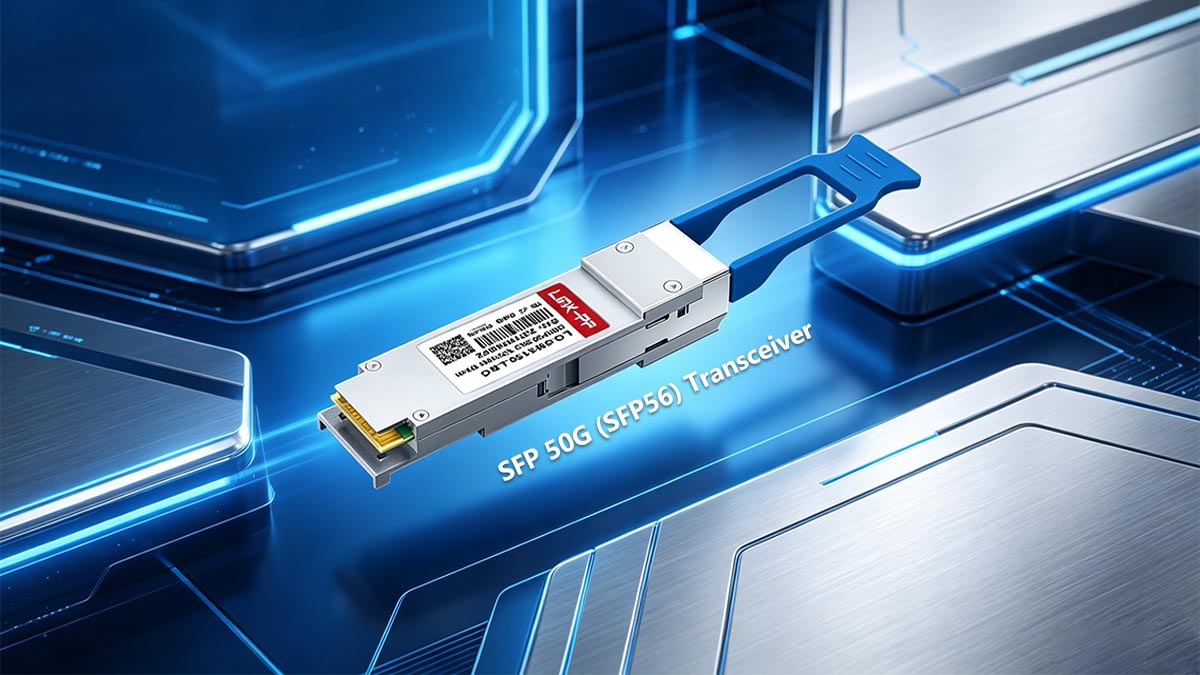
SFP56トランシーバーの技術的な価値を完全に理解するには、単一の電気レーン上で50GbEを可能にする基盤となる信号変調について考察することが不可欠です。
Previous transceiver generations, such as the 10G SFP + and the 25G SFP28, relied on NRZ (Non-Return-to-Zero) encoding. (補足説明:NRZは、信号シンボルごとに1ビットのデータ(0または1のいずれか)を送信するバイナリ変調方式です。) Scaling NRZ to 50G on a single lane requires exponentially higher frequencies, which leads to severe signal degradation and unacceptable 挿入損失 over copper and fiber media.
この物理的な制約を克服するため、SFP56はPAM4変調方式を採用しています。NRZとは異なり、PAM4は4つの異なる電圧レベルを使用して、シンボルあたり2ビットのデータ(00、01、10、11)を送信します。このアーキテクチャの変更により、SFP28モジュールと同じ25Gbaudのレートで動作しながら、データレートを実質的に50Gbpsに倍増させ、物理層全体で信号の完全性を維持します。
SFP56とQSFP28の比較:密度面での優位性
データセンターのトポロジー設計において、SFPとQSFP(Quad Small Form-factor Pluggable)というフォームファクターの区別は、しばしば混乱を招く点です。QSFP28モジュールは4つの並列25Gレーンを集約することで100Gを実現しますが、SFP56は1つのレーンで50Gを実現します。
This single-lane architecture is critical for Top-of-Rack (ToR) deployment strategies. The SFP56 footprint allows network architects to populate a standard 1RU (Rack Unit) switch with up to 48 ports. This provides highly granular, dedicated 50GbE server-to-switch connectivity without the physical bulk, thermal output, or complex breakout cables associated with QSFPモジュール.
| フォームファクター | 最大データレート | レーン構成 | 変調方式 | 主なユースケース |
|---|---|---|---|---|
| SFP28 | 25 Gbps | 1 x 25G | NRZ | レガシーサーバー接続 |
| SFP56(SFP 50G) | 50 Gbps | 1 x 50G | PAM4 | 次世代ToRおよび5Gフロントホール |
| QSFP28 | 100 Gbps | 4 x 25G | NRZ | 脊椎/コア集合体 |
✅ 50GBASEリーチタイプ:DAC vs. SR vs. LR
正しい選択 SFP50G medium depends entirely on distance and link budget. For intra-rack server connections (1 to 3 meters), 50G DAC (Direct Attach Copper) provides the lowest 待ち時間 and power consumption. For row-to-row data center cross-connects, 50GBASE-SR utilizes 850nm lasers over Multi-Mode Fiber (MMF) for reaches up to 100 meters. For campus or metro aggregation, 50GBASE-LR deploys 1310nm lasers over シングルモードファイバー(SMF) to achieve distances up to 10 kilometers.
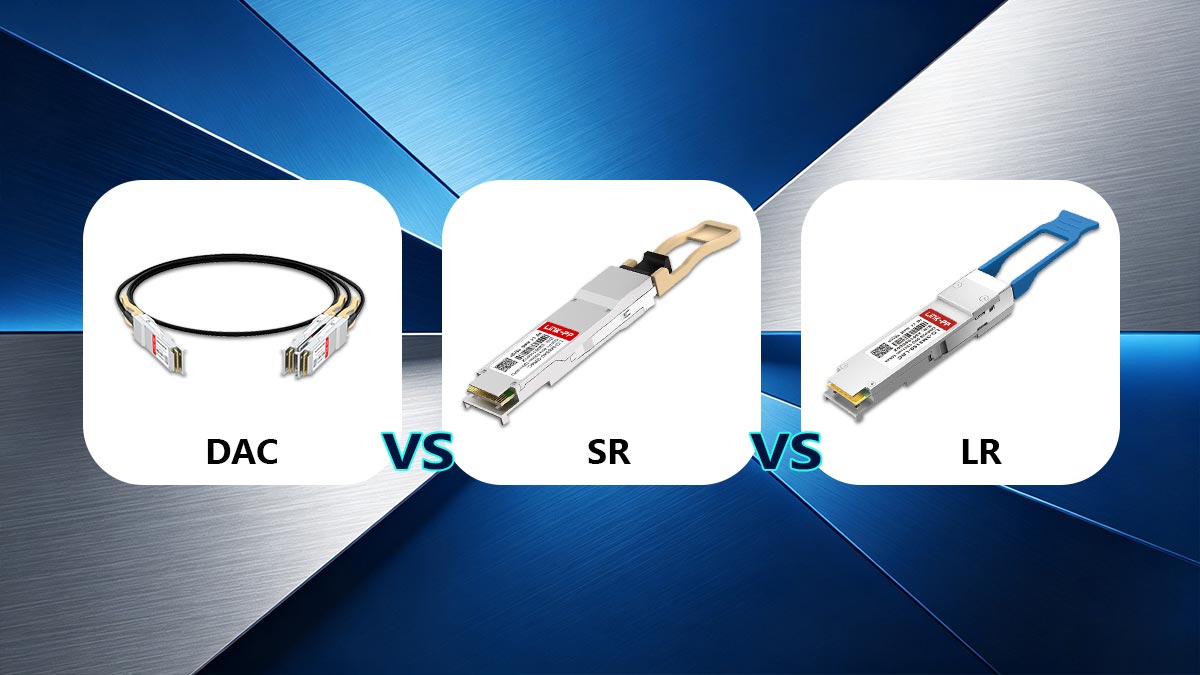
When engineering a 50GbE topology, the physical medium dictates not only the maximum transmission distance but also the thermal output and overall deployment cost. Because 50G relies on PAM4 modulation—which is highly sensitive to 信号対雑音比 (SNR) degradation—network architects must strictly adhere to IEEE distance specifications. Below is a deep dive into the three primary SFP56 reach categories.
1. 50G DAC:ラック内接続におけるゼロレイテンシー
ダイレクトアタッチ銅(DAC)ケーブルは、工場で終端処理されたSFP56トランシーバーヘッドを備えたツインアキシャル銅線で構成されています。これらは受動部品であり、電気信号を光信号に変換する際に電力を消費しません。
- 中芯:パッシブツインアックス銅線(通常26~30AWG)。
- 最大距離:1~3メートル。
- レイテンシーと消費電力:ほぼゼロのレイテンシー(約0.1ns)と最小限の消費電力(ポートあたり0.1W未満)。
(長所と短所) While DACs are the most cost-effective solution for Top-of-Rack (ToR) deployments, 50G PAM4 signaling requires thicker copper shielding than legacy 10G cables. A 3-meter 50G DAC is often built with rigid 26 AWG wire. For high-density 1U switches, managing the bend radius of dozens of thick DACケーブル can restrict airflow and complicate maintenance. 推奨事項: パッシブDACの設置距離は2メートル以下に制限してください。ラック内でのより長い配線には、アクティブ光ケーブル(AOC)またはSR光学系を検討してください。
2. 50GBASE-SR:データセンターの主力規格
50GBASE -SR(Short Reach)規格は、同一施設内の異なるラックまたは列間でスイッチを相互接続するための業界標準規格です。
- 媒体:LCデュプレックスコネクタを介したOM3、OM4、またはOM5マルチモードファイバー(MMF)。
- 最大飛距離:OM3では70メートル、OM4/OM5では100メートル。
- Technology: Utilizes an 850nm VCSEL. (Micro-definition: A Vertical-Cavity Surface-Emitting Laser (VCSEL) is a highly efficient, low-cost semiconductor レーザーダイオード optimized for short-distance optical transmission.)
Use Case: 50GBASE-SR is ideal for 行末(EoR) or Middle-of-Row (MoR) architectures where DACs cannot physically reach. If your facility is already structured with OM4 LC-duplex cabling, upgrading from 25GBASE-SR to 50GBASE-SR is a simple "plug-and-play" hardware swap.
3. 50GBASE-LR:長距離およびキャンパスネットワーク
キャンパス間リンク、メトロエリアネットワーク(MAN)、または5Gセルタワーフロントホール接続の場合、 50GBASE-LR(長距離伝送) transceiver provides the necessary 光パワー to push signals across vast distances without data パケットロス.
- 媒体:LCデュプレックスコネクタを介したOS2シングルモードファイバー(SMF)。
- 最大距離:最大10キロメートル。
- Technology: Employs a robust 1310nm DML or EML laser. These lasers maintain signal integrity over long distances by minimizing chromatic dispersion within the fiber core.
PAM4変調用の高精度1310nmレーザーの製造は非常に複雑であるため、50GBASE-LR光モジュールは最も高額な価格設定となっており、長距離伝送においてはOEMとサードパーティの価格比較が特に重要となる。
| 製品仕様 | 技法 | 最大リーチ | 波長/技術 | プライマリアプリケーション |
|---|---|---|---|---|
| 50G DAC | ツインアックス銅線 | 3 m | 受動電気 | サーバーとToRスイッチ間(ラック内) |
| 50GBASE-SR | MMF(OM4/OM5) | 100 m | 850nmVCSEL | スイッチ間切り替え(行間切り替え) |
| 50GBASE-LR | SMF(OS2) | 10キロメートル | 1310nmレーザー | キャンパス/ISP/5Gフロントホール |
✅ サードパーティ製SFP 50GとOEM製品:本当の違いとは?
OEM製品とサードパーティ製のSFP 50G光モジュールの違いは何ですか?
Technically, there is zero difference in physical hardware. Both Original Equipment Manufacturers (OEMs) and third-party vendors source their bare-metal optical components from the same global foundries governed by the Multi-Source Agreement (MSA). The actual differences lie in EEPROM coding, brand markup, and supply chain models. Third-party SFP56 transceivers bypass the OEM markup, reducing CapEx by 80% to 90% while delivering identical 50Gbps PAM4 performance, provided they are properly coded for the host switch.
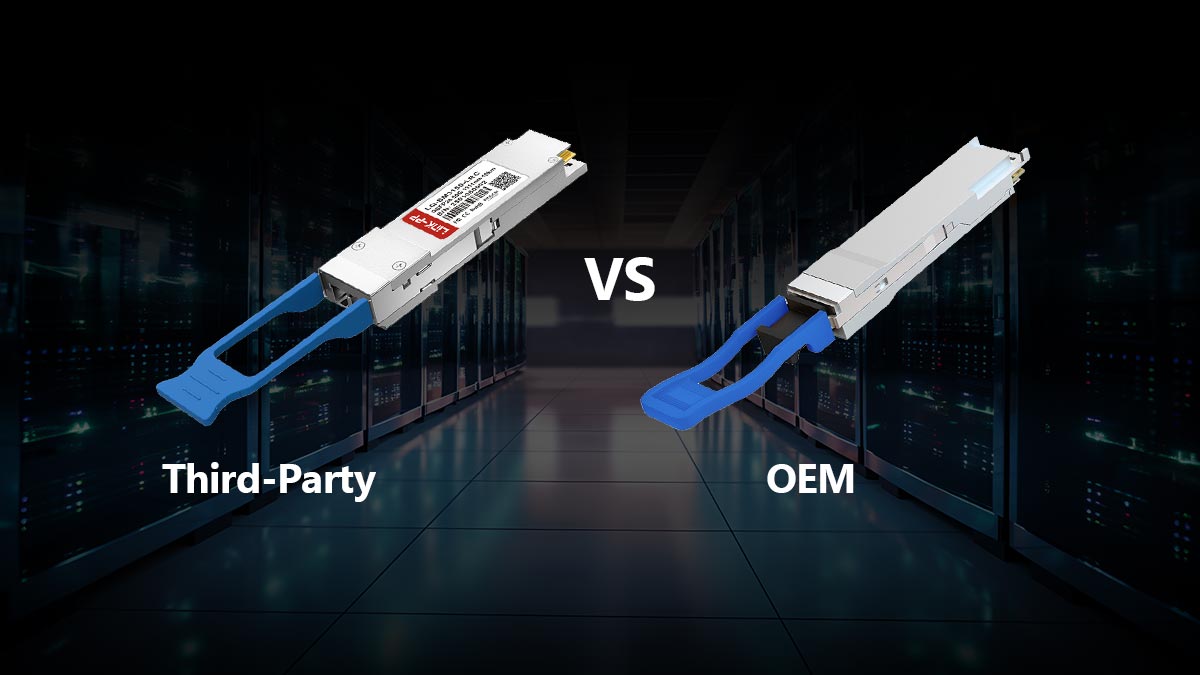
データセンターのアップグレードを計画する際、調達チームは必然的に大きな価格差に直面します。CiscoやHPEの公式50GBASE-SRトランシーバーは1,200ドル以上する一方、サードパーティ製の同等品は150ドル程度で販売されています。情報に基づいたアーキテクチャ上の意思決定を行うには、コスト、可用性、サポート、導入リスクを実務的なビジネスの観点から評価することが不可欠です。
MSAとEEPROM検証の役割
To understand why third-party optics are viable, network engineers must understand how トランシーバーモジュール 製造されています。 (補足説明:マルチソースアグリーメント(MSA)とは、トランシーバーの物理的寸法、電気的インターフェース、および光学的パラメータを厳密に定義する業界コンソーシアムのことです。) MSA(マルチソースアグリゲーション)のおかげで、SFP 50G光モジュールは高度に標準化された製品となっている。
OEMがベンダーロックインを強制するために使用するメカニズムはソフトウェアベースです。すべてのSFP56モジュールにはEEPROM(電気的に消去可能なプログラマブル読み出し専用メモリ)チップが搭載されています。OEMはこのチップに独自の暗号署名を書き込みます。光モジュールをスイッチ(Cisco NexusやJuniper QFXなど)に接続すると、スイッチのOSがEEPROMに問い合わせます。署名が見つからない場合、「サポートされていないトランシーバー」エラーが発生します。
Reputable third-party vendors bridge this gap by custom-coding the EEPROM to match the exact OEM signature. High-tier third-party suppliers maintain extensive validation labs, physically testing their 50G optics inside the actual target switches to guarantee plug-and-play 相互運用性 without generating CLI 警告。
ビジネスへの影響を評価する:OEMとサードパーティの比較
1. 設備投資(費用)
OEMs traditionally treat optics as high-margin accessories used to subsidize the R&D costs of the chassis and ASIC. Depending on the reach (SR vs. LR), a 50G OEM optic can cost between $1,200 and $8,000. Third-party optics reflect the true market value of the hardware, typically ranging from $100 to $250. In a high-density deployment of 48-port ToR switches, this translates to hundreds of thousands of dollars in CapEx savings per rack.
2. サプライチェーンの可用性
ハードウェアのリフレッシュサイクルにおいて、リードタイムは重要な指標となります。OEMはジャストインタイム(JIT)生産方式を採用することが多く、その結果、50GBASE-LRのような特殊な光モジュールでは6~12ヶ月のリードタイムが発生する場合があります。一方、サードパーティベンダーは地域密着型の在庫モデルを採用しており、SFP56の大量注文に対して翌日または同週内の出荷を提供することが一般的です。
3.展開リスクとTACサポート(責任のなすりつけ合い)
サードパーティ製光モジュールに関連する主なリスクは、ハードウェアの故障ではなく、ベンダーサポートとの摩擦です。ネットワークエンジニアがリンク切れでテクニカルアシスタンスセンター(TAC)に問い合わせた場合、OEMのサポート担当者はコアスイッチのOSの診断を避けるために、サードパーティ製の光モジュールが原因だと指摘することがよくあります。
リスク軽減戦略(「スペアパーツ」モデルの長所と短所):
このサポート上の摩擦を回避するため、データセンターの設計者はハイブリッド展開戦略を採用する。
- メリット:予算効率を最大化するために、95%をサードパーティ製の光学部品で構成し、残りの5%はOEM製の光学部品を購入して保管します。ポートに障害が発生した場合は、OEM製の光学部品に交換し、ログをクリアしてからTACチケットを発行します。
- デメリット: 厳格な在庫管理が必要となり、物理的なハードウェア交換時の解決までの時間が若干長くなります。
| 決定要因 | 純正OEM光学部品 | サードパーティ製光学機器 |
|---|---|---|
| ハードウェアの起源 | MSA準拠の鋳造所 | MSA準拠の鋳造所 |
| 平均価格(50GBASE-SR) | 1,200ドル~3,500ドル以上 | $ 100 - $ 150 |
| 納期 | 数週間から数か月 | 通常翌日発送(在庫あり) |
| EEPROM検証 | ネイティブロック署名 | スイッチOSごとにカスタムコーディング |
| TACサポート摩擦 | 摩擦ゼロ | 高(OEMメーカーがサポートを拒否する可能性あり) |
✅ エンタープライズスイッチにおけるサードパーティ製SFP56互換性の確保
サードパーティ製のSFP 50Gとの互換性をどのように確保していますか?
サードパーティ製SFP56との相互運用性を確保するには、ネットワークエンジニアは、ホストASICハードウェアのサポート(ポートが従来のSFP28ではなく、真のSFP56であることを検証)、EEPROMベンダーの正確なコーディング、およびスイッチOSファームウェアポリシーという3つの主要要素を検証する必要があります。Cisco NX-OSのservice unsupported-transceiverなどのコマンドラインインターフェイス(CLI)オーバーライドコマンドを使用し、PAM4速度ネゴシエーションを手動で構成することで、管理者はOEMソフトウェアの制限を回避し、安定した50Gbpsリンクを確立できます。
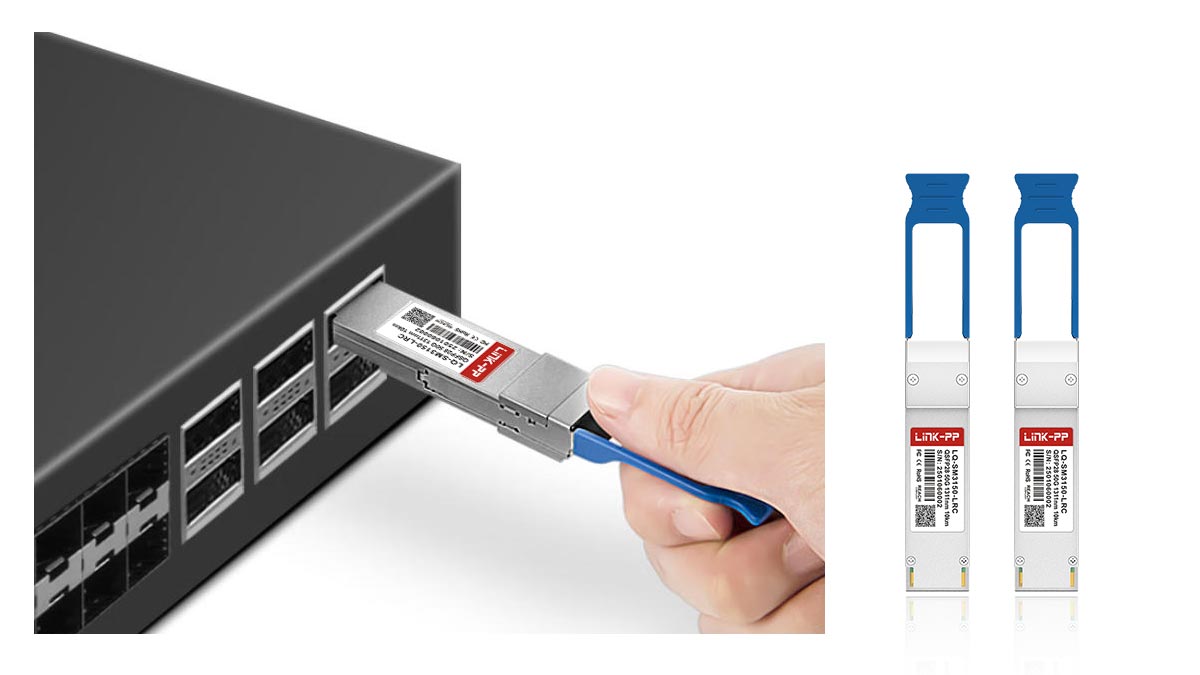
Deploying third-party optics is standard practice in enterprise data centers, but it requires strict technical validation. Because the SFP56 form factor is physically identical to older 10G (SFP+) and 25G (SFP28) modules, it is easy to encounter link-down states caused by hardware mismatches, firmware blocks, or オートネゴシエーション failures. Below is the engineering framework for ensuring seamless third-party SFP 50G integration.
1. SFP56ポートの真のサポートを確認する
The most common deployment error with 50G optics is a false physical fit. An SFP56 transceiver will physically slide into any SFP+ or SFP28 port. However, if the underlying switch ASIC and セルデス (Serializer/Deserializer) are only rated for 25G NRZ signaling, the port cannot process a 50G PAM4 signal.
- 具体的な手順:スイッチシャーシのデータシートを参照して、ポートの正確な機能を確認してください。例えば、一部のモジュラースイッチでは、特定のポートブロック(例:ポート48~52)のみが50GbE PAM4に対応し、残りのポートは10/25GbE NRZのままになっている場合があります。
2. ファームウェアの制限とEEPROMチェックの克服
エンタープライズスイッチのオペレーティングシステム(Cisco NX-OS、Arista EOS、Juniper Junosなど)は、挿入時にトランシーバのEEPROMをアクティブにポーリングします。ベンダーOUI(組織固有識別子)がOEMの暗号化ホワイトリストと一致しない場合、スイッチはポートを無効にしてフラグを立てます。 err-disable でのみ停止させることができます。
(補足説明:EEPROMはトランシーバー内部のメモリチップで、ベンダー名、シリアル番号、対応波長などの識別データを保存します。)
このファームウェアの制限を安全に回避するには、ネットワーク管理者は特定の隠しCLIコマンドを入力して、スイッチがサードパーティ製の光モジュールを受け入れるように強制する必要があります。
- シスコ(IOS/NX-OS): グローバル設定モードに入り、次のように入力してください。
service unsupported-transceiver、続いてno errdisable detect cause gbic-invalid. - アリスタ(EOS): Enter
touch /mnt/flash/enable3rdPartyTransceiversbashシェルで、またはCLIコマンドを使用します。transceiver third-party acceptEOSのバージョンによって異なります。 - ジュニパー(ジュノス): Junos は通常警告を表示します (
NON-JNPRログには表示されますが、光学機器のEEPROMがMSA規格に正しくコード化されていれば、ポートは無効になりません。
3. PAM4速度ネゴシエーションとリンクトレーニングの管理
50Gの速度では、オートネゴシエーション(AN)とリンクトレーニング(LT)に依存すると不安定性が生じる可能性があります。特に、サードパーティ製の光モジュールを使用して、異なるOEMのスイッチ(例えば、CiscoのスパインスイッチとAristaのリーフスイッチ)を接続する場合に顕著です。50GはPAM4変調方式を採用しているため、信号対雑音比の許容範囲は従来のNRZ光モジュールよりもはるかに狭くなります。
速度ネゴシエーションのトラブルシューティング(ハードコーディングのメリットとデメリット):
サードパーティ製のSFP56リンクが確立できない場合、ホストポートは25G NRZへのダウングレードを試みている可能性があります。
- ハードコーディングの利点: ポート速度を手動で設定します (例:
speed 50000)また、自動ネゴシエーションを無効にすると、SerDes は PAM4 モードに強制的に移行し、プロトコルの不一致によって引き起こされるリンクフラップの問題が解消されます。 - ハードコーディングのデメリット:リンクの両端を同じ設定で手動で構成する必要があります。そうしないと、リンクはダウン状態のままになります。
| 検証フェーズ | テクニカルチェック | 期待される結果/解決策 |
|---|---|---|
| ハードウェア層 | ホストスイッチASICはSFP56/PAM4をサポートしていますか? | SFP56を従来のSFP28専用ポートに挿入しないでください。 |
| ソフトウェアレイヤー | スイッチはサポートされていないトランシーバーを検出していますか? | CLI バイパス コマンドを適用します (例: service unsupported-transceiver). |
| プロトコル層 | 自動交渉とリンクトレーニングは失敗しているのか? | インターフェース速度を50000(50Gbps)に固定し、AN/LTを無効にします。 |
✅ よくある質問:SFP 50Gの互換性、価格、および伝送距離
SFP 50G(SFP56)は、 PAM4変調方式を用いてシングルレーンで50Gbpsの伝送速度を実現します。伝送距離は3メートル(50G DAC)から10キロメートル(50GBASE-LR)まで対応しています。OEMの光モジュールは1,200ドル以上と高額ですが、MSA準拠のサードパーティ製光モジュールは250ドル以下で同等の性能を提供します。互換性はEEPROMコーディングとスイッチCLIバイパスコマンドによって実現されます。
ネットワーク設計者や調達チームが商業的な調査を行う際に役立つよう、SFP 50Gの導入に関してよく寄せられる質問に対する、直接的で技術的な回答をまとめました。
1. SFP28、SFP56、およびQSFP28の違いは何ですか?
違いはレーン構成と変調方式にあります。SFP28はNRZ変調方式を用いて単一レーンで25Gの伝送を実現します。SFP56 (SFP 50Gの正式名称)は、同じ単一レーンの物理的フットプリントを採用しながら、PAM4変調方式を用いることでスループットを50Gに倍増させます。QSFP28は物理的に大きく、4つの並列25G NRZレーンを組み合わせることで100Gを実現します。標準的な25G NRZ SFP28光モジュールでは、50G PAM4トラフィックを伝送することはできません。
2. 50G SFPを100G QSFP28ポートに挿入できますか?
SFPとQSFPのフォームファクタはサイズが異なるため、直接物理的に挿入することはできません。SFP56光モジュールをQSFPポートに接続するには、QSA(Quad to Small Form-factor Pluggable Adapter)を使用する必要があります。 エンジニアリング上の警告: Even with an adapter, the host switch ASIC must explicitly support 50G PAM4 signaling on that specific port. Many legacy 100G QSFP28 ports only support NRZ signaling and will fail to recognize an SFP56 module.
3. Cisco純正の50Gトランシーバーは、サードパーティ製の光モジュールに比べてなぜこんなに高価なのですか?
CiscoやHPEなどのOEM(相手先ブランドによる製品製造)企業は、コアとなるスイッチハードウェアの研究開発費を補填するために、光トランシーバーに高マージン価格モデルを採用しています。サードパーティベンダーは、このブランドマージンを回避しています。すべてのトランシーバーは厳格なマルチソースアグリーメント(MSA)ハードウェア規格に基づいて製造されているため、150ドルのサードパーティ製光トランシーバーと1,500ドルのOEM製光トランシーバーは、ベアメタルレーザーとレシーバーが同一です。唯一の違いは、EEPROMにプログラムされたOEM固有のソフトウェアロックです。
4. 50GBASE-LRトランシーバーの最大通信距離はどれくらいですか?
50GBASE-LR規格は、最大10キロメートルの伝送距離をサポートしています。これは、OS2シングルモードファイバー(SMF)上で1310nmの光信号を伝送することで実現されます。100メートル未満の距離であれば、データセンターは、OM4/OM5マルチモードファイバー(MMF)上で、はるかにコスト効率の高い50GBASE-SR規格を利用するべきです。
5. SFP 50Gにアップグレードすべきでしょうか、それとも100G QSFP28に直接アップグレードすべきでしょうか?
これはトポロジーによって異なります。(メリットとデメリット)
- SFP 50Gを選択してください: トップオブラック(ToR)ポートの密度を最大限に高めたい場合は、SFP56が最適です。SFP56は、1Uスイッチで最大48個のシングルレーン50G接続を可能にし、煩雑なブレークアウトケーブルなしで5Gフロントホールや高密度サーバーアクセスに最適です。
- 100G QSFP28を選択してください: スパインアンドリーフ型のコア集約を構築する場合、100G光モジュールのギガビットあたりのコストが大幅に低下したため、物理的な密度があまり問題にならない高帯域幅アップリンクでは、QSFP28の方が経済的に優れた選択肢となります。
✅ 用途に合ったSFP 50Gモジュールの選び方
適切なSFP56モジュールを選択するには、物理媒体をアーキテクチャ上の距離とリンクバジェットに合わせる必要があります。1~3mのゼロレイテンシーのサーバー・スイッチ間アップリンクには、50G DACを使用してください。スイッチ間クロスコネクト(最大100m)には、OM4 MMF上に50GBASE-SR光モジュールを導入してください。キャンパスアグリゲーションや5Gフロントホールには、最大10kmの距離でOS2 SMF上に50GBASE-LRを使用してください。これらの導入全体で設備投資を最適化するために、常にMSA準拠のサードパーティ製光モジュールを活用してください。
堅牢な50GbEトポロジーの設計は、万能な解決策ではありません。PAM4変調は挿入損失と信号劣化に非常に敏感であるため、ネットワーク設計者はトランシーバーの種類を特定の物理環境に厳密に適合させる必要があります。以下に、一般的なデータセンターのユースケースに基づいて適切なSFP 50Gモジュールを選択するための明確なエンジニアリング決定フレームワークを示します。
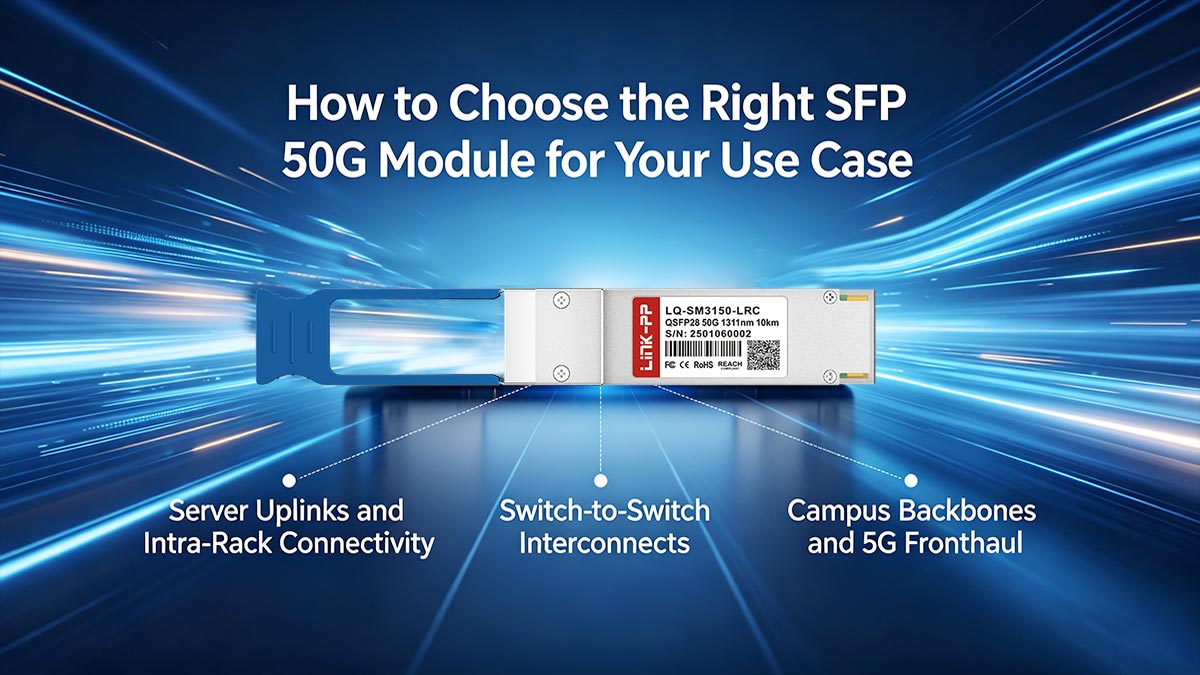
1. サーバーアップリンクとラック内接続
シナリオ:高性能コンピューティング(HPC)サーバーまたはストレージアレイを、同じ標準19インチラック内のトップオブラック(ToR)スイッチに直接接続する。
- 推奨製品:50G DAC(ダイレクトアタッチ銅線)。
- 技術的根拠:DACは可能な限り低いレイテンシー(約0.1ns)を実現し、実質的に消費電力がゼロであるため、高密度な1Uスイッチ構成にとって非常に重要です。
DAC対AOC (長所と短所):
50G DACは厚い銅シールド(多くの場合26AWG)を必要とするため、物理的に剛性が高くなる。
- DACの利点:2メートル以下の配線において、比類のないコスト効率を実現します。
- DACの欠点:密集したラック内で3メートルの配線を行う場合、太いツインアキシャルケーブルは空気の流れを妨げ、ケーブル管理を複雑にする。 解決策: ラック内のケーブル長が2.5メートルを超える場合は、50G AOC(アクティブ光ケーブル)に切り替えてください。AOCは、光トランシーバーを予め終端処理された光ファイバーケーブルに組み込んでおり、光ファイバーの柔軟性とDACのプラグアンドプレイの簡便さを兼ね備えています。
2. スイッチ間相互接続(列間)
シナリオ: ToRスイッチをEnd-of-Row(EoR)アグリゲーションスイッチに接続する、または隣接するデータセンターの通路にまたがるローカルなスパインアンドリーフファブリックを構築する。
- 推奨される主要規格:50GBASE-SR
- 技術的根拠:これは現代のデータセンターの主力製品です。LCデュプレックスマルチモードファイバー(MMF)上で850nmの波長で動作するSR光モジュールは、OM3ファイバーでは最大70メートル、OM4/OM5ファイバーでは最大100メートルまで、50Gbpsの伝送速度を安定して実現します。
(補足説明:リンク損失バジェットとは、リンクが故障するまでに許容される最大信号劣化量のことです。OM4上の50GBASE-SRは非常に寛容なリンクバジェットを提供するため、複数のパッチパネル相互接続が存在する環境に最適です。)
3. キャンパスバックボーンと5Gフロントホール(長距離)
シナリオ:地理的に離れたデータセンタービルを相互接続する、企業キャンパスネットワークをISPノードに接続する、または5Gベースバンドユニットを遠隔地の無線ヘッドに接続する。
- 推奨される基本規格:50GBASE-LR。
- 技術的根拠:LR規格は、OS2シングルモードファイバー(SMF)上で強力な1310nmレーザーを使用することで、モード分散を排除し、PAM4信号を最大10キロメートルまで劣化させずに伝送することを可能にします。
コスト最適化戦略:1310nmレーザーは製造が複雑なため、OEMの50GBASE-LR光モジュールは非常に高価です(ポートあたり3,000ドルを超えることも珍しくありません)。このような用途において、サードパーティ製のSFP 50G光モジュールは最高の投資対効果(ROI)を提供します。MSA準拠でEEPROM検証済みのサードパーティ製LR光モジュールを導入することで、企業はOEMの設備投資額のほんの一部で長距離リンクを構築できます。
| 建築ユースケース | 距離 | 推奨SFP56モジュール | 物理的媒体 | コストプロファイル(第三者機関) |
|---|---|---|---|---|
| ラック内通信(サーバーからToRへ) | 1 - 3m | 50G DAC / AOC | ツインアックス銅線/プレターミネートファイバー | (30ドル~60ドル) |
| ラック間接続(スイッチ間接続) | 100mまで | 50GBASE-SR | OM4/OM5マルチモードファイバー(LC) | $$($100~$150) |
| キャンパス内/地下鉄/5G | 最大10km | 50GBASE-LR | OS2シングルモードファイバー(LC) | $$$(200ドル~300ドル) |
✅ アーキテクチャ戦略:SFP 50Gを導入すべきか、それとも100Gに移行すべきか?
決定は、物理ポート密度とコア帯域幅の集約のどちらを優先するかによって決まります。複雑なブレークアウトケーブルを使用せずにシングルレーンポート密度(1Uシャーシあたり最大48ポート)を最大化することが重要なトップオブラック(ToR)および5Gエッジネットワークには、SFP 50G(SFP56)を導入してください。一方、スパインアンドリーフコア集約には100G(QSFP28)を選択してください。QSFP光モジュールのギガビットあたりのコストが急激に低下しているため、バックボーントラフィックが多い場合、100Gの方が優れた投資対効果が得られます。
ネットワークエンジニアやシステム管理者にとって、ハードウェアのリフレッシュサイクル中に最も議論されるトピックの1つは、50GbEが単なる「通過点」の技術なのかどうかという点です。近年、100G QSFP28光モジュールの市場価格が大幅に下落したため、多くの設計者は、SFP 50Gの導入が依然として長期的な戦略として有効かどうか疑問視しています。
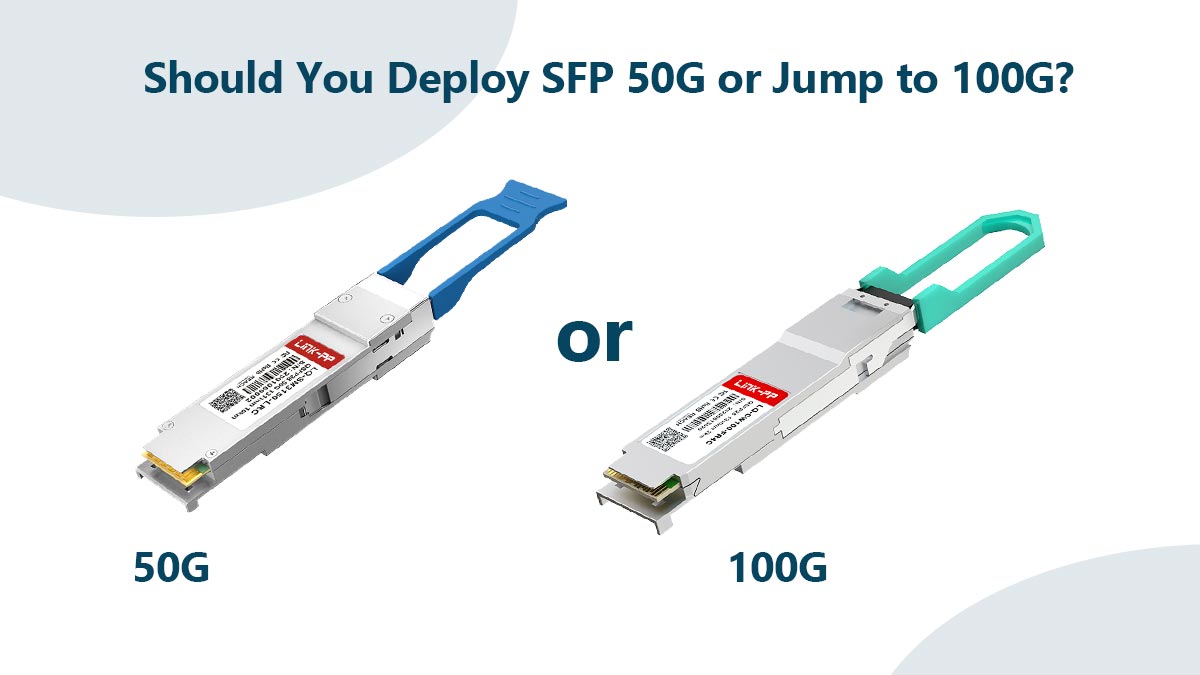
この議論を解決するには、スイッチの前面パネルの物理的な制約、熱出力、およびレーン集約の要件を評価する必要があります。
SFP 50G(SFP56)のエンジニアリング上のメリット
SFP56モジュールの最大の利点は、総速度ではなく、物理的なサイズです。SFP56は、PAM4変調方式を用いて単一の電気レーンで50Gbpsの伝送速度を実現し、従来の10G/25Gポートと全く同じ寸法を維持します。
50Gエッジ戦略のメリットとデメリット:
- 利点:比類のないポート密度。標準的な1Uラックマウント型ToRスイッチは、最大48個のSFP56ポートを物理的に搭載できます。これにより、エンジニアは48台の独立したサーバーに専用の50Gアップリンクを提供できます。さらに、煩雑なQSFPブレークアウトケーブルも不要になります。 (補足説明:ブレークアウトケーブルは、100G QSFP28などの高帯域幅マルチレーンポートを、2x 50Gや4x 25Gなどの複数の低帯域幅接続に物理的に分割するもので、ラックケーブルの配線が複雑になります。)
- デメリット:SFP56ポートは通常、エッジデバイスに限定されます。コアルーティングプラットフォームはQSFPフォームファクタを優先します。
- Ideal Deployment: 5G cell tower fronthaul, high-density ストレージエリアネットワーク(SAN) access layers, and hyper-converged infrastructure (HCI) nodes.
100G(QSFP28)のエンジニアリング上のメリット
スイッチファブリック間で大量の集約データを転送することが主な目的であれば、100G QSFP28が業界標準となります。これは、4つの並列25G NRZレーンを集約することで100Gbpsの速度を実現します。
100Gコア戦略のメリットとデメリット:
- 利点:優れた規模の経済性。100G QSFP28用の光コンポーネントは高度にコモディティ化されています。多くの場合、1つの100Gリンクを導入する方が、2つの50Gリンクを別々に導入するよりもギガビットあたりのコストが安くなります。
- デメリット:QSFPポートはスイッチの前面パネル上でかなり広い物理的スペースを占有し、発熱量も高いため、1Uシャーシがサポートできるポートの総数が制限されます(通常は32ポートが上限)。
- 理想的な構成:スパイン・ツー・リーフのアップリンク、コアデータセンター相互接続(DCI)、および高度な集約レイヤー。
アップグレード戦略の実行
Ultimately, a well-architected modern data center will utilize both: SFP 50G for dense, single-lane server access at the edge, and 100G/400G QSFP modules for the core backbone.
アーキテクチャが高密度50Gエッジであろうと高スループット100Gコアであろうと、物理層の整合性を犠牲にすることなく設備投資を管理することが最重要課題です。どちらの戦略もコスト効率よく実行するために、ネットワークエンジニアリングチームは完全に検証済みのMSA準拠の光モジュールに依存しています。完全に一致するEEPROMトランシーバーを入手し、OEMベンダーロックインを回避し、エンタープライズグレードの保証を LINK-PP 公式ストア.
著者について: LINK-PP データセンターエンジニアリングチーム
このガイドは、高速光ネットワークの導入とエンタープライズデータセンターのトポロジーを専門とするベテランネットワークアーキテクトによって作成されました。MSA準拠のトランシーバー検証において15年以上の経験を持つ当チームは、Cisco、Juniper、Aristaの各プラットフォームにおける物理層の相互運用性をテストおよび検証し、最新のITインフラストラクチャにおける信頼性が高くコスト効率の良い拡張性を保証します。