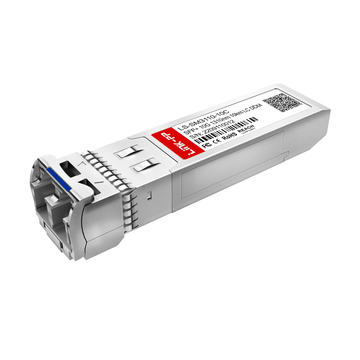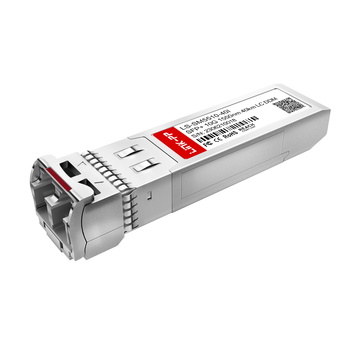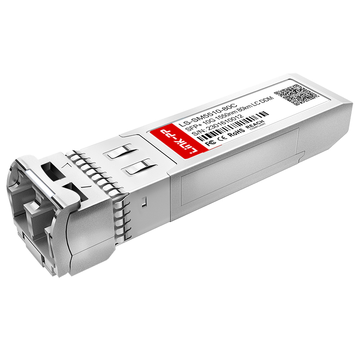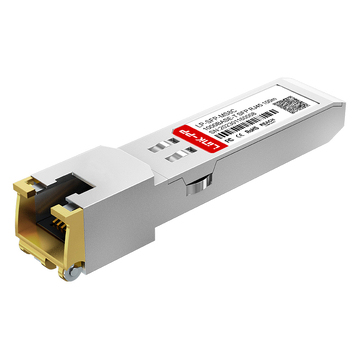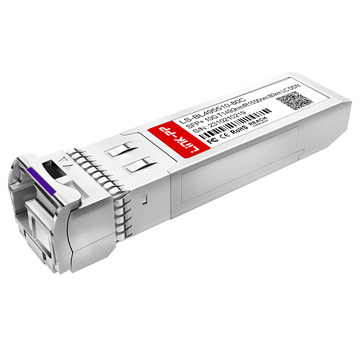
Outdoor fiber networks are becoming increasingly important as organizations expand connectivity beyond controlled indoor environments. Applications such as smart city infrastructure, industrial facilities, surveillance systems, and campus networks require stable high-speed communication over long distances while facing challenges including temperature fluctuations, moisture, dust, and electromagnetic interference. Traditional commercial optical modules may not always provide the reliability required for these demanding deployment conditions.
SFP-10G-ER-I is designed to address the requirements of long-distance 10G optical communication in environments where enhanced operational stability is needed. As an industrial-grade SFP+ optical transceiver, it provides a solution for outdoor fiber links that require extended reach, single-mode fiber compatibility, and reliable performance under variable environmental conditions. Understanding its technical characteristics and suitable deployment scenarios helps network engineers select the right connectivity solution.
This article explores the role of SFP-10G-ER-I in outdoor network applications and explains key considerations for successful deployment, including:
- The technical features that support outdoor 10G fiber connectivity.
- Common outdoor use cases across industrial, enterprise, and telecom environments.
- Important factors related to fiber infrastructure, protection requirements, and equipment compatibility.
By examining these aspects, this guide provides a comprehensive reference for evaluating how SFP-10G-ER-I can support reliable outdoor fiber network expansion and long-term communication performance.
🔔 SFP-10G-ER-I Overview for Outdoor Fiber Network Applications
SFP-10G-ER-I is an industrial-grade 10G optical transceiver designed for outdoor fiber network deployments that require long-distance transmission and enhanced environmental reliability. Compared with standard SFP+ modules mainly used in controlled indoor environments, SFP-10G-ER-I focuses on maintaining stable optical communication in applications exposed to wider temperature ranges and more challenging operating conditions.
Outdoor networks often involve complex installation environments where optical modules must handle factors such as temperature variation, humidity, dust, and remote maintenance limitations. Therefore, selecting an appropriate 10G optical solution requires evaluating not only transmission performance but also environmental durability and system compatibility.
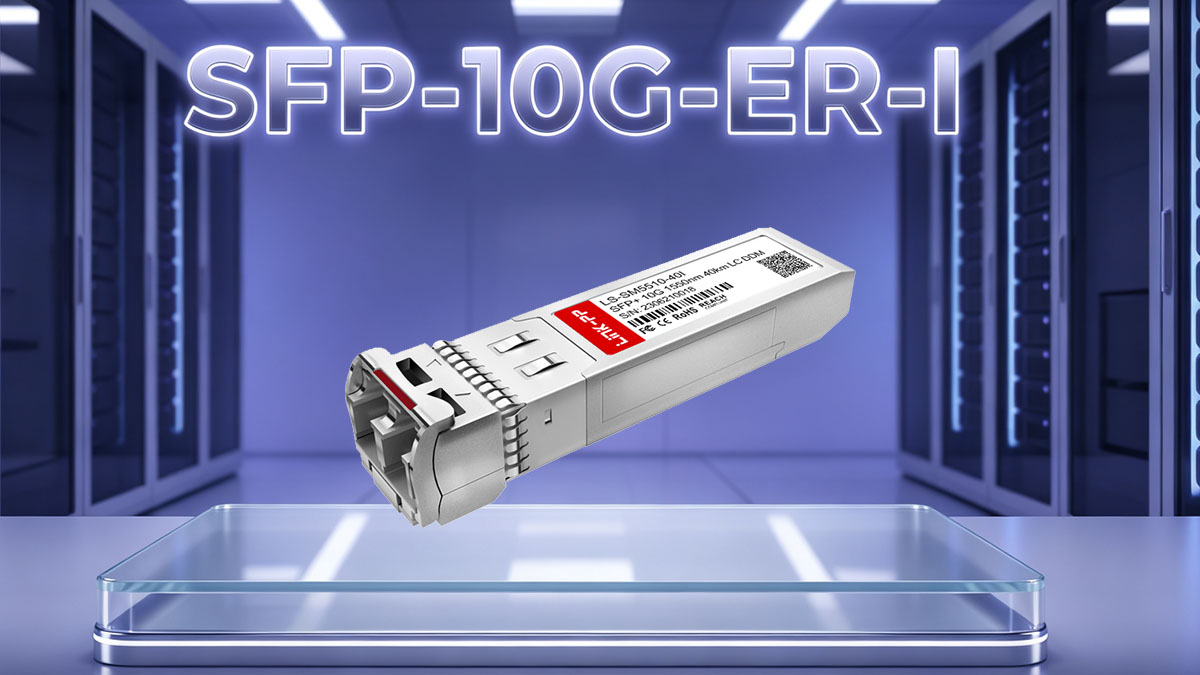
What Is SFP-10G-ER-I?
SFP-10G-ER-I is a 10Gbps extended-reach SFP+ optical transceiver designed for long-distance single-mode fiber communication in outdoor and industrial network environments. It combines 10G Ethernet transmission capability with enhanced temperature tolerance, making it suitable for deployments where standard commercial optical modules may face operational limitations.
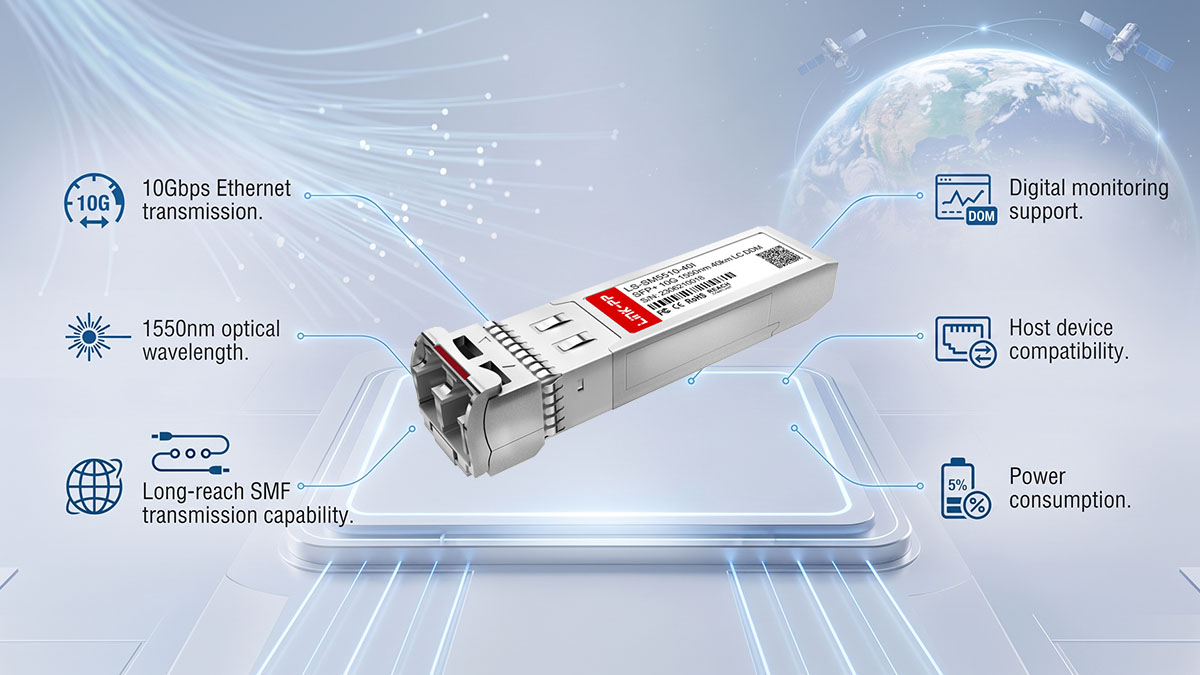
The main characteristics of SFP-10G-ER-I typically include:
- Supports 10Gbps Ethernet data transmission for high-bandwidth network connections.
- Uses single-mode fiber (SMF) to achieve long-distance optical communication.
- Operates around the 1550nm wavelength range commonly used for extended-reach 10G optical transmission.
- Provides extended environmental capability for industrial and outdoor installations.
- Uses the standard SFP+ form factor for integration with compatible network equipment.
SFP-10G-ER-I is commonly associated with 10GBASE-ER-class applications, where extended transmission distance and reliable optical performance are required. Its design makes it suitable for connecting remote network nodes, outdoor cabinets, industrial facilities, and distributed infrastructure where fiber links need to operate continuously.
The “I” designation indicates an industrial or extended-temperature version compared with standard commercial optical modules. This distinction is important because outdoor deployments frequently experience environmental conditions that exceed the operating range of conventional data center optics.
Why Outdoor Networks Require Industrial-Grade SFP Modules
Outdoor fiber networks require optical modules with stronger environmental adaptability because network equipment is often installed in locations without stable temperature control or direct human supervision. Industrial-grade SFP modules help improve communication reliability in these demanding environments.
Key reasons outdoor networks require industrial-grade optical modules include:
- Temperature variation protection
Outdoor equipment may operate through seasonal temperature changes, requiring optical components that maintain stable transmission performance across a wider temperature range. - Improved environmental resistance
Outdoor installations may encounter humidity, dust, vibration, and other environmental factors that can affect electronic and optical components over time. - Higher network reliability requirements
Remote locations such as industrial sites or telecom access points often have limited maintenance access, making stable operation essential. - Long-term deployment capability
Outdoor fiber infrastructure is typically designed for extended service periods, requiring components that can maintain consistent optical performance throughout the network lifecycle.
Compared with indoor networking environments, outdoor applications place greater demands on optical module reliability. SFP-10G-ER-I addresses these challenges by combining long-distance 10G transmission capability with industrial-oriented design features, making it a suitable option for outdoor fiber communication systems that require dependable connectivity.
🔔 Key Technical Characteristics of SFP-10G-ER-I for Outdoor Deployment
The technical characteristics of SFP-10G-ER-I determine whether it can provide stable 10G optical connectivity in outdoor environments. Key factors such as optical transmission performance, electrical interface compatibility, and environmental durability directly affect link reliability, deployment flexibility, and long-term network operation.
Optical Transmission Performance
SFP-10G-ER-I provides long-distance 10G optical transmission performance by using single-mode fiber technology and an extended-reach optical design. These characteristics make it suitable for outdoor fiber links where network equipment may be distributed across large physical areas.
The primary optical transmission characteristics include:
| Parameter | Description |
|---|---|
| Data Rate | 10Gbps Ethernet transmission |
| Optical Wavelength | 1550nm wavelength range |
| Fiber Type | Single-mode fiber (SMF) |
| Transmission Application | Long-distance 10G fiber links |
| Optical Interface | Duplex LC connector |
The extended-reach capability of SFP-10G-ER-I allows network operators to establish high-speed connections between remote locations without requiring additional active equipment along the fiber path. This is especially valuable in outdoor environments where installing intermediate network devices may increase infrastructure complexity.
Electrical Interface and SFP+ Compatibility
SFP-10G-ER-I uses the standard SFP+ electrical interface, allowing integration with network equipment equipped with compatible 10G SFP+ ports. This form factor enables flexible deployment across switches, routers, aggregation devices, and industrial networking platforms.
The main electrical and system compatibility considerations include:
- 10G SFP+ host interface support
- The connected network device must support 10Gbps SFP+ optical modules.
- Port specifications and firmware compatibility should be verified before installation.
- Low-power operation
- SFP+ modules are designed for efficient power consumption compared with larger optical form factors.
- Lower power requirements help simplify thermal management in outdoor enclosures.
- Digital monitoring capability
- Many industrial SFP+ modules support digital diagnostic monitoring (DDM/DOM).
- Monitoring functions can provide information about optical power, temperature, and voltage status.
- Network equipment compatibility
- Switch and router compatibility depends on factors such as module coding, firmware policies, and vendor requirements.
- Compatibility testing helps prevent unexpected link issues during deployment.
The SFP+ interface allows SFP-10G-ER-I to fit into existing 10G network architectures while providing the additional reliability required for outdoor environments. This makes it easier to expand fiber networks without changing the overall equipment structure.
Industrial Temperature and Environmental Characteristics
Outdoor deployments expose optical modules to environmental conditions that are significantly different from controlled indoor network rooms. SFP-10G-ER-I is designed with industrial-oriented characteristics to improve operational stability in locations where temperature changes and environmental stress are common.
Key environmental considerations include:
- Extended temperature operation
- Industrial-grade modules are designed to operate across wider temperature ranges than commercial-grade optics.
- This helps maintain stable transmission in outdoor cabinets and remote installations.
- Resistance to environmental variation
- Outdoor locations may experience rapid temperature changes, humidity fluctuations, and seasonal climate differences.
- Reliable optical components help reduce performance instability caused by these conditions.
- Deployment in protected outdoor systems
- SFP-10G-ER-I is typically installed inside suitable outdoor enclosures or network equipment cabinets.
- Proper protection against moisture, dust, and physical impact improves module service reliability.
- Long-term operational stability
- Industrial environments often require continuous network availability.
- Durable optical design helps support extended operation in remote or difficult-to-access locations.
The environmental characteristics of SFP-10G-ER-I make it suitable for outdoor fiber networks where reliability is as important as transmission speed. By combining long-distance 10G connectivity with industrial deployment capability, it supports applications that require stable communication beyond traditional indoor networking environments.
🔔 SFP-10G-ER-I Outdoor Use Cases in Different Network Environments
SFP-10G-ER-I is widely used in outdoor fiber networks that require long-distance 10G connectivity, stable transmission performance, and reliable operation under variable environmental conditions. Its combination of extended-reach optical capability and industrial-grade characteristics makes it suitable for applications where network equipment is distributed across large areas or installed in locations without controlled indoor conditions.

Smart City and Surveillance Network Deployments
SFP-10G-ER-I supports smart city and surveillance networks by providing reliable long-distance fiber connections between distributed outdoor devices and central management systems. These applications require stable bandwidth because modern surveillance systems continuously transmit large amounts of high-resolution video data.
Typical deployment scenarios include:
- City surveillance systems
- Connect outdoor cameras, monitoring stations, and centralized control centers through long-distance fiber links.
- Support continuous video transmission with lower susceptibility to electromagnetic interference compared with copper connections.
- Traffic monitoring infrastructure
- Provide communication links between roadside equipment, traffic control systems, and network operation centers.
- Support stable data transmission in outdoor locations exposed to weather changes.
- Public safety communication networks
- Connect remote monitoring devices and municipal network facilities.
- Improve communication reliability for applications requiring continuous operation.
Fiber-based connectivity is especially valuable in smart city environments because outdoor infrastructure is often spread across large geographic areas. SFP-10G-ER-I enables network designers to extend 10G connections over single-mode fiber while maintaining consistent performance in outdoor installations.
Industrial and Manufacturing Network Applications
Industrial facilities increasingly rely on outdoor fiber networks to connect production areas, remote equipment, and monitoring systems. SFP-10G-ER-I provides a suitable connectivity option for industrial environments where network reliability and resistance to operating conditions are important considerations.
Common industrial deployment examples include:
- Mining and resource facilities
- Connect remote operational areas with central control systems.
- Support communication over long fiber distances in large industrial sites.
- Energy and utility networks
- Provide fiber connections between substations, monitoring points, and operational centers.
- Support reliable communication in locations where electromagnetic interference may be present.
- Large manufacturing campuses
- Connect separated buildings, outdoor equipment areas, and industrial control networks.
- Enable high-speed data exchange between distributed systems.
- Industrial automation systems
- Support communication between sensors, controllers, and management platforms.
- Provide stable connectivity for applications requiring consistent network availability.
Industrial environments often involve complex physical layouts and challenging operating conditions. By supporting long-distance single-mode fiber transmission, SFP-10G-ER-I helps simplify network design while maintaining the bandwidth required for modern industrial applications.
Campus and Enterprise Outdoor Fiber Networks
SFP-10G-ER-I is also suitable for outdoor fiber connections in enterprise campuses, universities, research facilities, and large commercial properties. These environments typically require connections between multiple buildings or outdoor network cabinets while maintaining high-speed backbone performance.
Typical applications include:
- Building-to-building fiber links
- Connect separate facilities across a campus environment.
- Provide high-speed communication without installing additional network aggregation points.
- Outdoor network cabinets
- Link remote access points, security systems, and network distribution equipment.
- Support flexible deployment in areas where indoor equipment locations are unavailable.
- Enterprise backbone expansion
- Extend 10G network infrastructure across large properties.
- Provide additional capacity for future bandwidth requirements.
- Research and education networks
- Support data-intensive applications between laboratories, buildings, and centralized computing resources.
The advantage of using SFP-10G-ER-I in campus environments is that it enables longer fiber connections while maintaining compatibility with existing SFP+ network architectures. This allows organizations to expand outdoor connectivity without redesigning the entire network infrastructure.
Telecom and Access Network Infrastructure
Telecom and access networks frequently require optical modules that can operate reliably in remote outdoor locations. SFP-10G-ER-I can support communication links between distributed network nodes, aggregation points, and access infrastructure where long-distance fiber connectivity is required.
Typical telecom applications include:
- Remote network nodes
- Connect outdoor cabinets and remote switching equipment.
- Maintain stable communication between separated infrastructure locations.
- Fiber aggregation points
- Support high-bandwidth links between access networks and higher-level network layers.
- Improve scalability for growing data traffic requirements.
- Outdoor telecom cabinets
- Provide optical connectivity in roadside or remote installations.
- Support operation in environments with changing temperatures and limited maintenance access.
- Access network upgrades
- Help transition existing infrastructure toward higher-speed 10G connectivity.
- Provide a practical solution for extending fiber capacity.
Telecom infrastructure often requires long service lifecycles and high reliability because equipment may be installed in geographically dispersed areas. SFP-10G-ER-I helps address these requirements by combining extended-distance optical transmission with outdoor deployment capability, making it suitable for modern access and aggregation networks.
🔔 Outdoor Deployment Considerations for SFP-10G-ER-I
Successful outdoor deployment of SFP-10G-ER-I requires more than selecting a long-distance 10G optical module. Network engineers must evaluate fiber infrastructure, environmental protection measures, and host device compatibility to ensure stable operation in outdoor environments. A properly planned deployment helps maximize transmission reliability and reduces potential issues caused by optical loss, environmental exposure, or system incompatibility.
Fiber Infrastructure Requirements
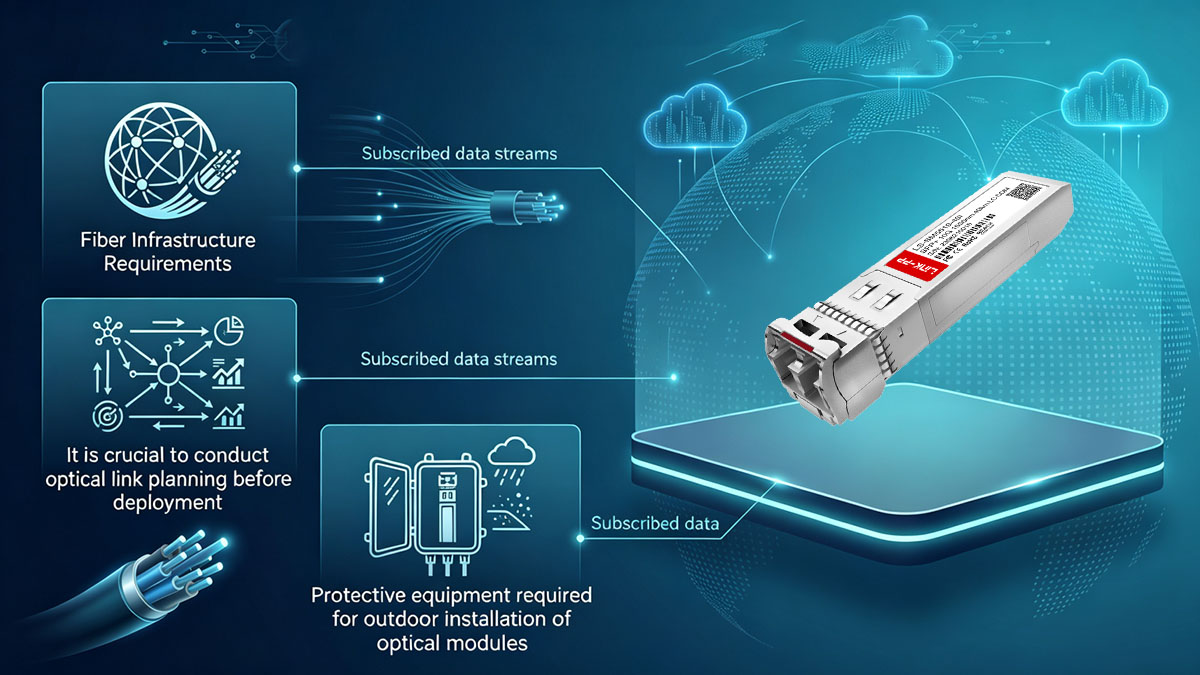
The fiber infrastructure is a critical factor affecting the performance of SFP-10G-ER-I because long-distance optical transmission depends on the quality and characteristics of the entire fiber link. Proper fiber planning ensures that the module can achieve reliable 10G communication within the expected transmission distance.
Important fiber infrastructure considerations include:
- Single-mode fiber selection
- SFP-10G-ER-I is designed for long-distance transmission over single-mode fiber (SMF).
- The selected fiber type should match the optical specifications of the module and the required link distance.
- Fiber attenuation management
- Signal loss increases as fiber distance becomes longer.
- Engineers should calculate total attenuation caused by fiber length, connectors, and splice points.
- Connector quality and installation
- Properly installed LC connectors help maintain stable optical performance.
- Contamination, poor alignment, or damaged connectors can reduce optical power efficiency.
- Link budget evaluation
- The optical power budget should be calculated before deployment.
- Sufficient margin should be reserved to account for aging components and future environmental changes.
Outdoor fiber links often cover longer distances than indoor connections, making optical loss management especially important. A well-designed fiber infrastructure allows SFP-10G-ER-I to deliver consistent transmission performance while reducing the risk of unexpected link interruptions.
Outdoor Enclosure and Protection Requirements
SFP-10G-ER-I is designed for industrial and outdoor-oriented applications, but proper physical protection remains necessary when installing optical equipment outside controlled environments. Outdoor enclosures help protect network components from environmental factors that may affect long-term reliability.
Key protection requirements include:
- Weatherproof equipment cabinets
- Outdoor optical modules should generally be installed inside suitable network enclosures.
- Cabinets help protect equipment from rain, dust, and direct environmental exposure.
- Temperature management
- Outdoor locations may experience significant temperature changes throughout the year.
- Proper ventilation, heating, or cooling solutions may be required depending on the installation environment.
- Moisture and dust protection
- Humidity and airborne particles can affect electronic components over time.
- Appropriate enclosure protection helps maintain stable operating conditions.
- Physical protection
- Remote outdoor locations may face vibration, accidental impact, or unauthorized access risks.
- Secure installation improves equipment durability and maintenance efficiency.
Although SFP-10G-ER-I provides enhanced environmental capability compared with commercial-grade modules, the surrounding installation environment remains an important factor. A properly designed enclosure ensures that the optical module and network equipment can operate reliably throughout the expected service period.
Network Equipment Compatibility Evaluation
Before deploying SFP-10G-ER-I in an outdoor network, compatibility with existing switches, routers, and other networking equipment should be verified. Even when devices support SFP+ interfaces, differences in firmware, module recognition, and system requirements may affect successful integration.
Key compatibility evaluation points include:
- SFP+ port support
- Confirm that the host device supports 10G SFP+ optical modules.
- Check whether the port supports the required optical standards and transmission distance.
- Firmware and software compatibility
- Network devices may use firmware-based module verification mechanisms.
- Ensuring proper compatibility helps avoid unexpected interface errors.
- Module identification and coding
- Some networking platforms require specific module information stored in the optical transceiver EEPROM.
- Compatible module coding should match the requirements of the target equipment.
- Monitoring feature support
- Verify whether the network system can access diagnostic information such as temperature, voltage, and optical power levels.
- Monitoring capability helps simplify maintenance in remote outdoor locations.
Compatibility testing is particularly important for outdoor deployments because troubleshooting remote network failures can require additional time and resources. Confirming equipment compatibility before installation helps create a more stable and manageable 10G fiber network environment.
🔔 How to Evaluate SFP-10G-ER-I Before Outdoor Deployment
Evaluating SFP-10G-ER-I before outdoor deployment helps ensure that the optical module can meet transmission requirements, environmental conditions, and network compatibility expectations. Unlike indoor fiber links, outdoor deployments involve longer distances, variable climates, and more complex installation conditions, making technical verification an essential step before implementation.
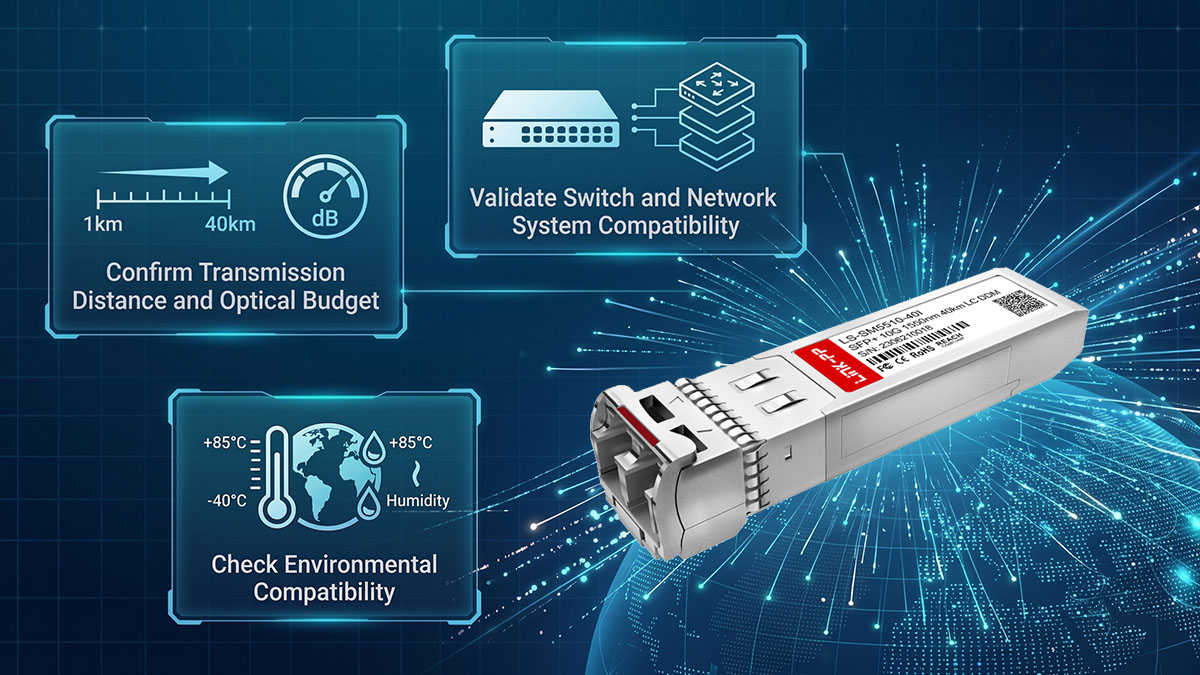
A complete evaluation should focus on three key areas: optical transmission capability, environmental suitability, and integration with existing network equipment. These factors determine whether SFP-10G-ER-I can provide stable 10G connectivity throughout the network lifecycle.
Confirm Transmission Distance and Optical Budget
The first step in evaluating SFP-10G-ER-I is confirming whether its optical transmission capability matches the actual outdoor fiber link requirements. Long-distance applications depend not only on the module’s rated reach but also on the total optical loss of the deployed fiber infrastructure.
Important evaluation factors include:
- Actual fiber link distance
- Measure the complete distance between connected network devices.
- Consider additional fiber routing length caused by installation paths and cable management.
- Optical power budget
- Calculate the total signal loss across the entire link.
- Include attenuation from fiber length, connectors, patch panels, and splice points.
- Fiber quality
- Verify that the installed single-mode fiber meets the requirements of the 10G optical link.
- Older or damaged fiber infrastructure may reduce transmission reliability.
- Link margin
- Maintain sufficient optical margin to handle future performance degradation.
- Consider factors such as connector aging, environmental changes, and maintenance conditions.
A typical evaluation process should include measuring the expected link loss and comparing it with the optical specifications of SFP-10G-ER-I. This approach helps prevent situations where the theoretical transmission distance exceeds the practical capability of the installed fiber system.
Check Environmental Compatibility
Outdoor deployment requires careful evaluation of environmental conditions because optical modules may operate in locations exposed to temperature changes, moisture, and other external factors. Selecting an appropriate industrial-grade module helps improve network stability, but the installation environment must also be considered.
Key environmental evaluation points include:
- Operating temperature requirements
- Confirm that the module’s temperature range matches the expected outdoor conditions.
- Consider seasonal variations rather than only average temperatures.
- Installation location
- Evaluate whether the module will be installed in outdoor cabinets, industrial enclosures, or remote network nodes.
- Identify potential exposure to heat sources, direct sunlight, or moisture.
- Protection conditions
- Verify that the enclosure provides sufficient protection against dust and humidity.
- Ensure proper airflow or thermal management when required.
- Maintenance accessibility
- Consider how easily equipment can be inspected or replaced in remote locations.
- Reliable components are especially important where frequent maintenance is difficult.
Environmental compatibility directly affects long-term optical performance. Even a high-performance 10G optical transceiver requires suitable installation conditions to maintain stable operation in outdoor network environments.
Validate Switch and Network System Compatibility
Before deploying SFP-10G-ER-I, compatibility testing with the target network equipment is necessary to ensure smooth integration. The optical module must communicate correctly with switches, routers, and other devices that provide the SFP+ host interface.
The main compatibility verification steps include:
- Check SFP+ interface support
- Confirm that the network device supports 10G SFP+ optical modules.
- Verify that the port supports the required optical application.
- Review equipment requirements
- Check vendor-specific compatibility policies and firmware limitations.
- Confirm whether third-party compatible modules are supported by the network platform.
- Verify module recognition
- Ensure the network device correctly identifies the optical transceiver.
- Check whether module information and coding match system requirements.
- Test diagnostic monitoring functions
- Confirm whether digital monitoring features are available.
- Review optical power, temperature, and voltage information when supported.
Compatibility validation is especially important for outdoor networks because troubleshooting remote connectivity problems can be more complex than in indoor environments. Testing SFP-10G-ER-I with the target equipment before large-scale deployment helps create a more predictable and reliable 10G fiber network.
🔔 FAQs About SFP-10G-ER-I Outdoor Use Cases
Can SFP-10G-ER-I support outdoor 10G Ethernet applications?
Yes. SFP-10G-ER-I is designed for outdoor and industrial network environments that require reliable 10G optical connectivity over long-distance fiber links.
What makes SFP-10G-ER-I different from a standard SFP+ module?
SFP-10G-ER-I is optimized for demanding environments with enhanced operational reliability, while standard SFP+ modules are mainly intended for controlled indoor networking conditions.
Does SFP-10G-ER-I require single-mode fiber?
Yes. SFP-10G-ER-I is typically designed for single-mode fiber connections to achieve extended 10G optical transmission distances.
Why is environmental protection important when installing SFP-10G-ER-I outdoors?
Environmental protection helps maintain stable operation by reducing the impact of moisture, dust, temperature changes, and physical exposure on network equipment.
How can network compatibility be confirmed before using SFP-10G-ER-I?
Compatibility can be verified by checking the host device’s SFP+ support, firmware requirements, module recognition, and diagnostic monitoring capabilities.
🔔 Conclusion
SFP-10G-ER-I provides a practical solution for outdoor fiber network deployments that require long-distance 10G transmission, stable optical performance, and enhanced environmental adaptability. From smart city surveillance systems and industrial facilities to enterprise campuses and telecom infrastructure, this industrial-grade SFP+ optical transceiver helps support reliable communication in locations where standard indoor modules may not meet operational requirements.
Before deployment, network engineers should evaluate key factors including fiber infrastructure quality, optical power budget, environmental conditions, and compatibility with existing SFP+ networking equipment. A complete assessment ensures that SFP-10G-ER-I can deliver consistent performance and support long-term outdoor network expansion.
For organizations looking for compatible 10G optical transceiver solutions, the LINK-PP Official Store provides a wide range of optical modules designed for different networking environments, including long-distance and industrial applications. By selecting the appropriate optical connectivity solution based on technical requirements and deployment conditions, network teams can build more reliable and scalable outdoor fiber networks.