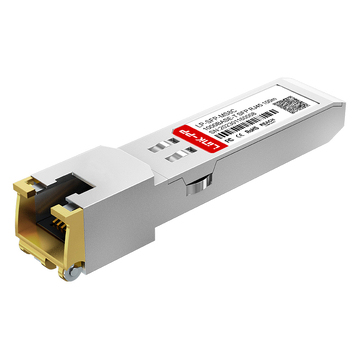

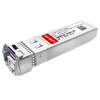



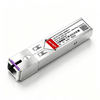

























A 1G Copper SFP is a pluggable transceiver module designed to deliver Gigabit Ethernet connectivity over standard RJ45 copper cabling, typically supporting distances of up to 100 meters. Unlike fiber-based SFPs, it enables network devices to connect directly to existing Cat5e or Cat6 infrastructure without additional optical components. For many enterprises, this makes the 1G Copper SFP a practical and familiar solution.
Despite the growing adoption of fiber networks, copper-based SFP modules are still widely used in enterprise environments. They offer a cost-efficient way to expand switch ports, simplify access-layer deployments, and maintain compatibility with legacy Ethernet devices. Enterprises often choose 1G Copper SFPs during network upgrades, switch expansions, or when optimizing budgets without compromising on Gigabit performance.
From a buying perspective, the appeal of a 1G Copper SFP lies in its broad switch compatibility, short-range reliability, and lower total cost compared to fiber alternatives. These advantages make it an ideal choice for organizations seeking a flexible, affordable, and easy-to-deploy Gigabit Ethernet solution.
? What Is a 1G Copper SFP?
Definition of a 1G Copper SFP
A 1G Copper SFP, also referred to as a 1000BASE-T SFP, is a hot-swappable transceiver module that provides 1Gbps Gigabit Ethernet connectivity over copper Ethernet cables. It installs into a standard SFP port on network switches, routers, or NICs and converts that port into an RJ45 Ethernet interface.
Quick definition:
A 1G Copper SFP is an SFP transceiver that supports 1000Mbps Ethernet over RJ45 copper cabling, typically up to 100 meters.
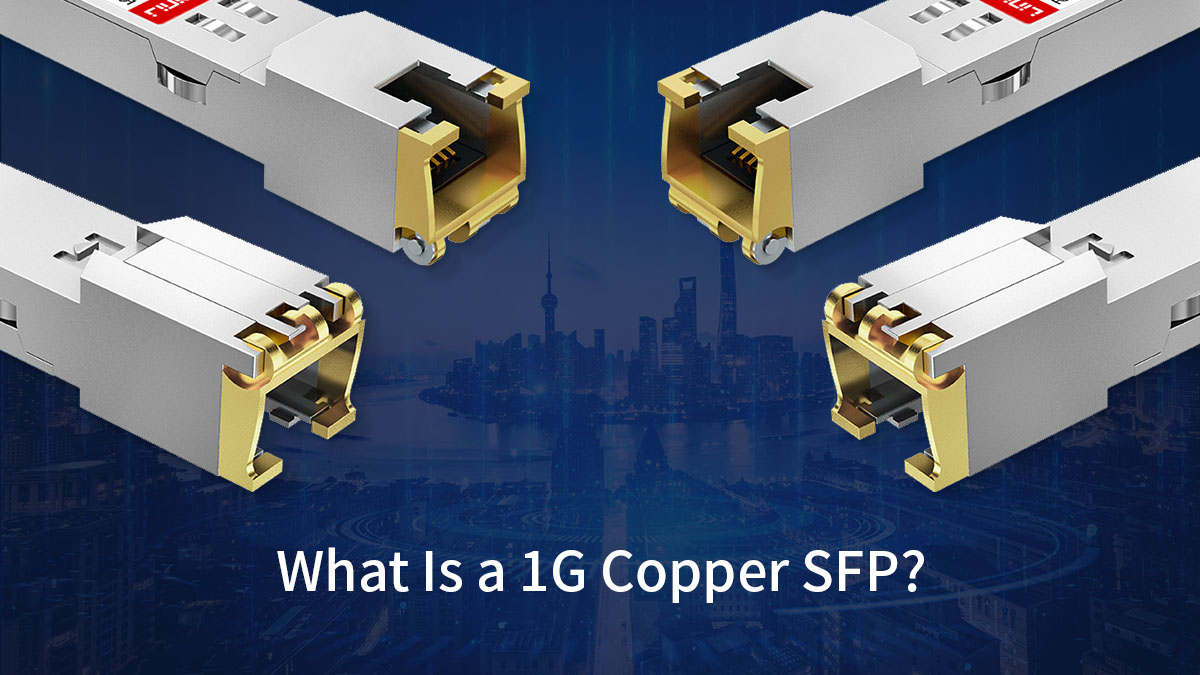
RJ45 Interface and Copper Cabling
Unlike optical SFP modules, a 1G Copper SFP uses an RJ45 connector and operates over Cat5e or Cat6 twisted-pair cables. Most modules support auto-negotiation, allowing them to operate at 10/100/1000Mbps, which ensures backward compatibility with existing Ethernet devices and mixed-speed networks.
1G Copper SFP vs Fiber SFP Modules (SX / LX)
Compared with fiber-based SFPs such as 1000BASE-SX (SX) and 1000BASE-LX (LX), 1G Copper SFPs are designed for short-distance and cost-sensitive deployments.
-
Copper SFPs are ideal for access-layer connections and environments with existing Ethernet cabling.
-
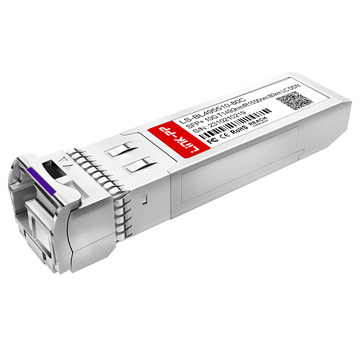
Fiber SFP support longer distances and lower latency but require optical fiber and higher overall deployment costs.
For networks where distances do not exceed 100 meters, copper SFPs often provide a simpler and more economical solution.
Key Standards and Compliance
The operation of 1G Copper SFP modules is defined by IEEE 802.3ab, the official standard for Gigabit Ethernet over twisted-pair copper cable. Compliance with this standard ensures cross-vendor compatibility, predictable performance, and reliable interoperability across enterprise and data center network equipment.
? Key Features and Specifications of 1G Copper SFP
Understanding the core features and technical specifications of a 1G Copper SFP is essential for selecting the right module for your network. These specifications directly affect performance, compatibility, and long-term reliability, especially in enterprise and data center access-layer deployments.
Technical Specifications
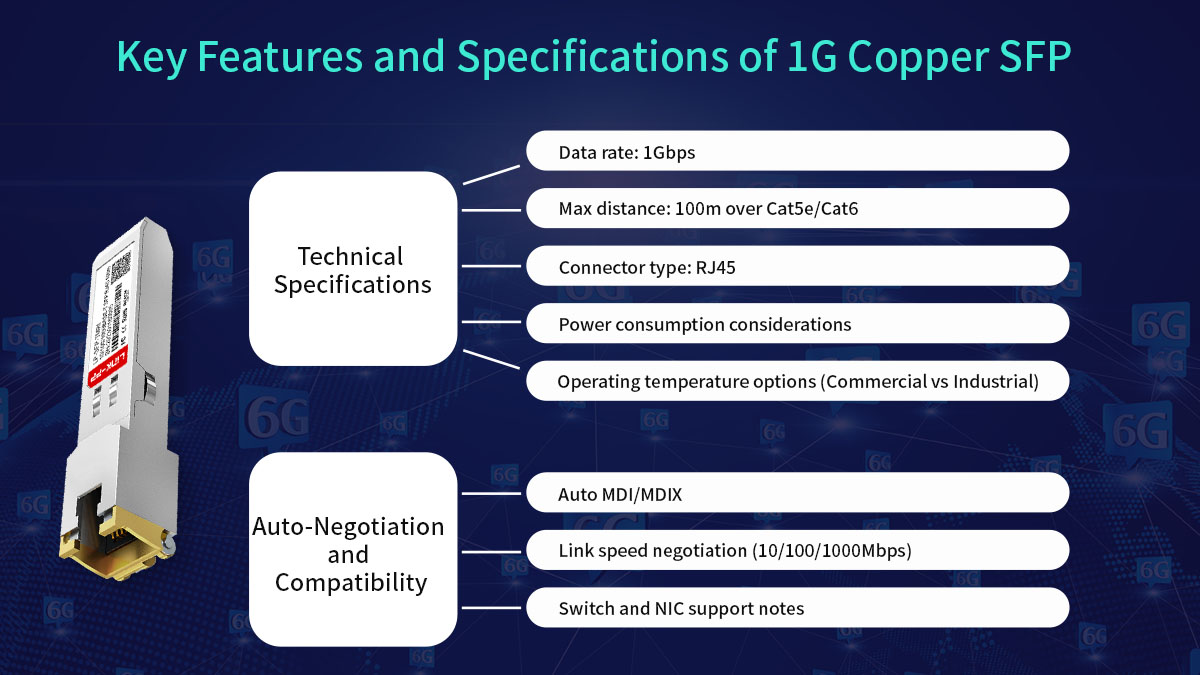
A standard 1G Copper SFP (1000BASE-T SFP) is designed to deliver stable Gigabit Ethernet performance over short-range copper cabling. Below are the key technical parameters buyers should evaluate:
Data Rate
Supports 1Gbps (1000Mbps) Ethernet, compliant with Gigabit Ethernet standards.
Maximum Distance
Provides reliable transmission of up to 100 meters over Cat5e or Cat6 twisted-pair copper cables, making it suitable for access-layer and edge connections.
Connector Type
Uses a standard RJ45 Ethernet connector, allowing direct connection to existing copper cabling without additional adapters.
Power Consumption
1G Copper SFPs generally consume more power than fiber SFP modules due to onboard PHY processing. This is an important consideration in high-density switch environments, where power budget and heat dissipation may limit the number of copper SFPs that can be deployed per switch.
Operating Temperature Options
- Commercial grade: Typically 0°C to 70°C, suitable for most indoor enterprise environments.
- Industrial grade: Typically –40°C to 85°C, designed for outdoor cabinets, industrial networks, and harsh operating conditions.
? Buyer Tip: Always match the module’s temperature rating to your deployment environment to avoid stability issues or premature failures.
Auto-Negotiation and Compatibility
One of the key advantages of a 1G Copper SFP is its flexibility in mixed-speed and multi-vendor networks.
-
Auto MDI/MDIX Support:
Most 1G Copper SFPs support Auto MDI/MDIX, eliminating the need for crossover cables and simplifying installation. -
Link Speed Negotiation:
These modules typically support 10/100/1000Mbps auto-negotiation, ensuring backward compatibility with legacy Ethernet devices and seamless integration into existing networks. -
Switch and NIC Compatibility:
1G Copper SFPs are widely supported by enterprise switches, routers, and network interface cards. However, some vendors may impose firmware or compatibility restrictions, making it important to verify supported models or choose modules that are pre-coded and tested for specific switch brands.
? Common Use Cases for 1G Copper SFP Modules
Thanks to their flexibility and cost efficiency, 1G Copper SFP modules are widely deployed across a variety of enterprise and data center environments. Understanding these common use cases helps buyers determine whether a copper-based SFP is the right fit for their specific network scenario.
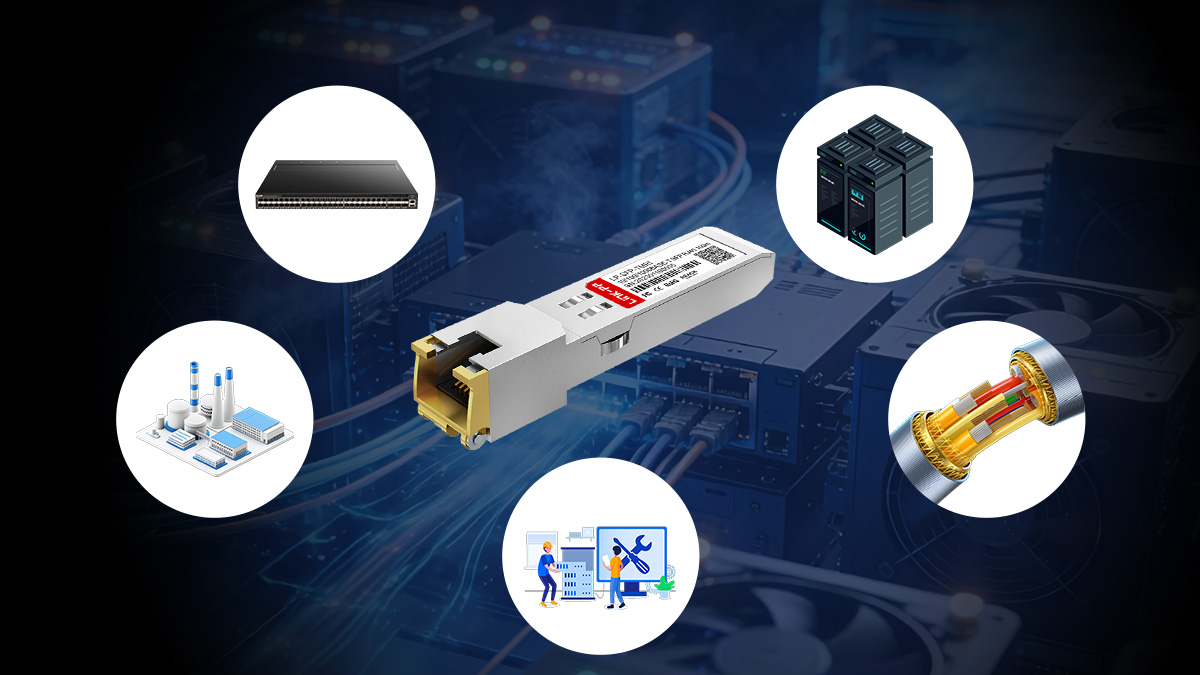
Enterprise Access Layer Switches
1G Copper SFPs are commonly used in enterprise access layer switches, where short-distance connectivity and broad device compatibility are required. They allow switches equipped with SFP ports to connect directly to end devices such as IP phones, wireless access points, printers, and edge switches using standard Ethernet cabling. For organizations that rely heavily on copper connections at the access layer, 1G Copper SFPs offer a simple and cost-effective solution.
Data Center Management Networks
In data centers, 1G Copper SFPs are frequently deployed in out-of-band management and control networks. These networks typically do not require high bandwidth or long distances but demand reliable and stable connectivity. Using copper SFPs for management ports helps separate control traffic from production data while minimizing deployment costs.
Legacy Copper Infrastructure Reuse
Many organizations still operate extensive legacy copper cabling infrastructures. Replacing these with fiber can be costly and disruptive. A 1G Copper SFP enables seamless integration of modern SFP-based switches into existing copper networks, extending the life of current cabling and reducing overall upgrade expenses.
Temporary or Hybrid Fiber–Copper Deployments
1G Copper SFP modules are also well suited for temporary network setups or hybrid deployments where fiber and copper coexist. Examples include staged data center migrations, short-term project sites, or transitional environments where fiber is being deployed gradually. Copper SFPs provide flexibility without committing to permanent optical infrastructure.
Lab Testing and Network Troubleshooting
In test labs and troubleshooting scenarios, 1G Copper SFPs offer convenience and versatility. Engineers can quickly connect switches and network devices using readily available Ethernet cables, making these modules ideal for lab validation, interoperability testing, and fault isolation without the complexity of fiber handling.
Why This Matters for Buyers
Across these use cases, the key advantage of a 1G Copper SFP is its ability to deliver reliable Gigabit Ethernet over existing copper cabling. For buyers focused on cost control, deployment simplicity, and short-range connectivity, these modules remain a practical and widely adopted choice.
? 1G Copper SFP vs Fiber SFP: Which Should You Buy?
Choosing between a 1G Copper SFP and a fiber SFP module depends on your network’s distance requirements, existing infrastructure, and budget. While both support Gigabit Ethernet, they are optimized for very different deployment scenarios. The comparison below highlights the key differences to help buyers make an informed decision.
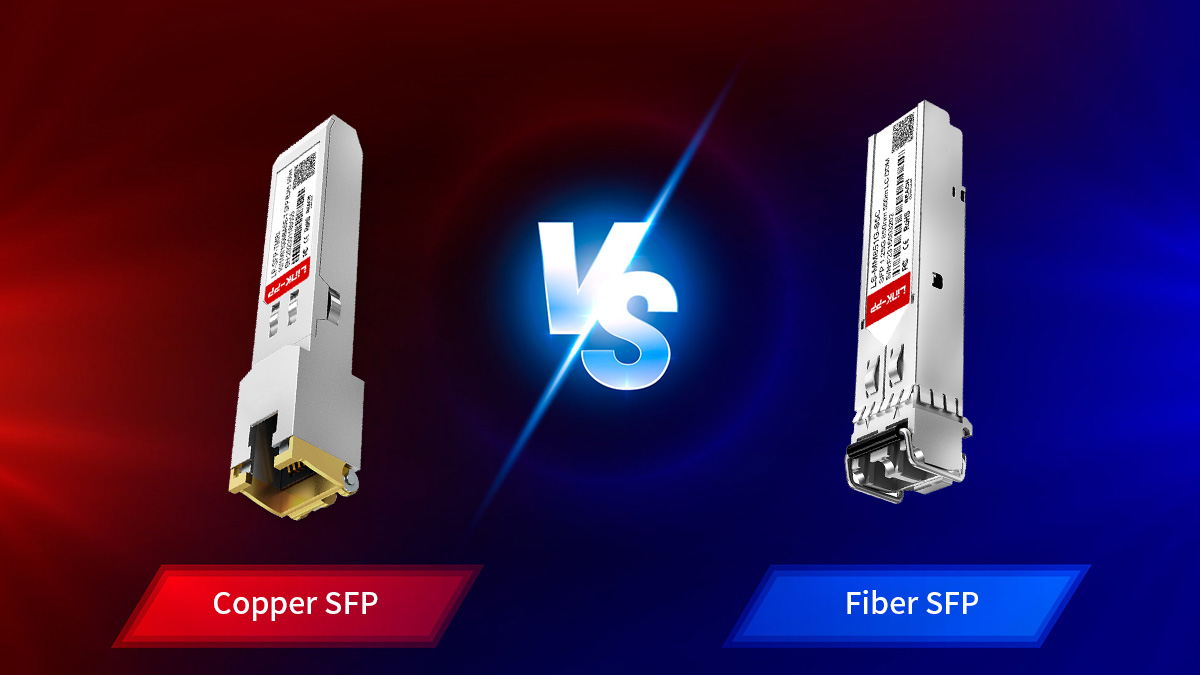
Feature Comparison: 1G Copper SFP vs Fiber SFP
| Feature | 1G Copper SFP (1000BASE-T) | Fiber SFP (SX / LX) |
|---|---|---|
| Transmission medium | Copper Ethernet cable | Optical fiber |
| Connector type | RJ45 | LC |
| Maximum distance | Up to 100m | SX: up to 550m LX: up to 10km |
| Supported cable | Cat5e / Cat6 | Multimode or single-mode fiber |
| Data rate | 1Gbps | 1Gbps |
| Power consumption | Higher | Lower |
| Installation cost | Lower (reuse existing cabling) | Higher (fiber + optics) |
| Latency | Slightly higher | Lower |
| Typical use cases | Access layer, management networks | Aggregation, backbone links |
When to Choose a 1G Copper SFP
A 1G Copper SFP is the better choice when:
-
Your link distance is within 100 meters
-
Existing copper cabling is already deployed
-
Cost efficiency is a priority
-
You need flexible, short-term, or mixed-speed connections
-
The deployment is at the access layer or management network
When a Fiber SFP Is the Better Option
A fiber SFP (SX or LX) is more suitable when:
-
You need longer transmission distances
-
Lower power consumption and heat output are critical
-
High port density and reduced latency are required
-
The environment demands electrical isolation or EMI resistance
Buyer Decision Summary
For short-range Gigabit Ethernet links, a 1G Copper SFP provides a simple, cost-effective, and widely compatible solution. Fiber SFPs, while more expensive, are better suited for long-distance or performance-sensitive links. Understanding these trade-offs ensures you select the right SFP type for your network architecture and budget.
? How to Choose the Right 1G Copper SFP for Your Network
Selecting the right 1G Copper SFP goes beyond basic specifications. To ensure stable operation and long-term reliability, buyers should evaluate compatibility, operating environment, and power constraints before making a purchase.
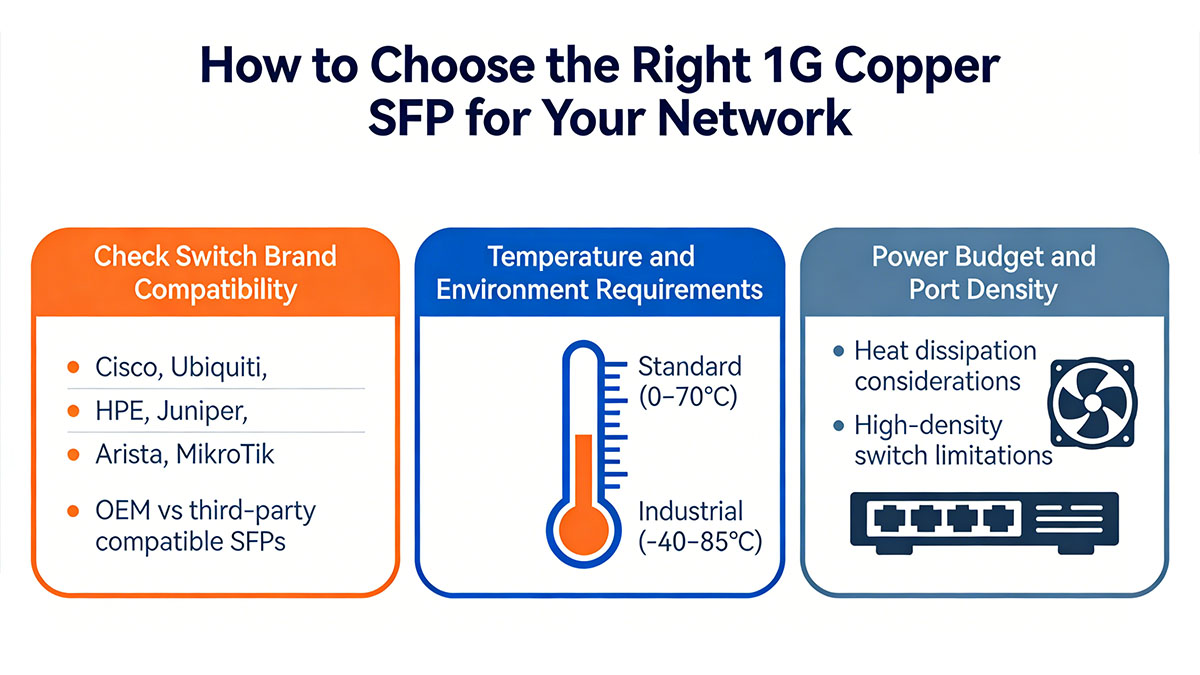
Check Switch Brand Compatibility
Compatibility is one of the most critical factors when choosing a 1G Copper SFP. While the SFP form factor is standardized, many switch vendors enforce compatibility checks at the firmware level.
-
Major switch brands:
Commonly supported platforms include Cisco, Ubiquiti, HPE, Juniper, Arista, and MikroTik. Some vendors restrict the use of non-approved modules, which may require vendor-coded or certified SFPs. -
OEM vs Third-Party Compatible SFPs:
-
OEM SFPs are branded modules sold by switch manufacturers. They offer guaranteed compatibility but at a higher cost.
-
Third-party compatible SFPs are coded and tested to work with specific switch brands, offering similar performance at a significantly lower price.
-
? Buyer Tip: When choosing third-party 1G Copper SFPs, look for suppliers that provide brand-specific compatibility guarantees and testing reports to avoid detection or link issues.
Temperature and Environment Requirements
The operating environment plays a key role in determining which 1G Copper SFP you should buy.
-
Standard (Commercial) Temperature:
Typically rated for 0°C to 70°C, suitable for indoor enterprise networks, data centers, and climate-controlled environments. -
Industrial Temperature:
Rated for –40°C to 85°C, designed for outdoor cabinets, industrial networks, and harsh environments where temperature fluctuations are common.
? Why It Matters: Using a commercial-grade SFP in an industrial environment can lead to link instability or premature failure.
Power Budget and Port Density
Compared to fiber SFPs, 1G Copper SFPs consume more power and generate more heat due to onboard copper PHY processing.
-
Heat Dissipation Considerations:
Excessive heat can reduce module lifespan and affect neighboring ports, especially in compact switch designs. -
High-Density Switch Limitations:
Some switches limit the number of copper SFPs that can be installed simultaneously. Always verify the switch’s power budget and supported copper SFP count before deployment.
? Deployment Best Practice: Use fiber SFPs for high-density uplinks and reserve 1G Copper SFPs for access-layer or management ports to maintain optimal thermal performance.
Buyer Takeaway
The right 1G Copper SFP balances compatibility, environmental suitability, and power efficiency. Evaluating these factors upfront helps prevent compatibility issues, reduces operational risk, and ensures your network performs as expected.
? Are Third-Party 1G Copper SFPs Reliable?
For many buyers, the decision between OEM and third-party 1G Copper SFPs comes down to reliability, compatibility, and cost. While OEM modules are traditionally viewed as the safest option, third-party optics have become increasingly popular in enterprise networks due to significant cost savings and improved quality standards.
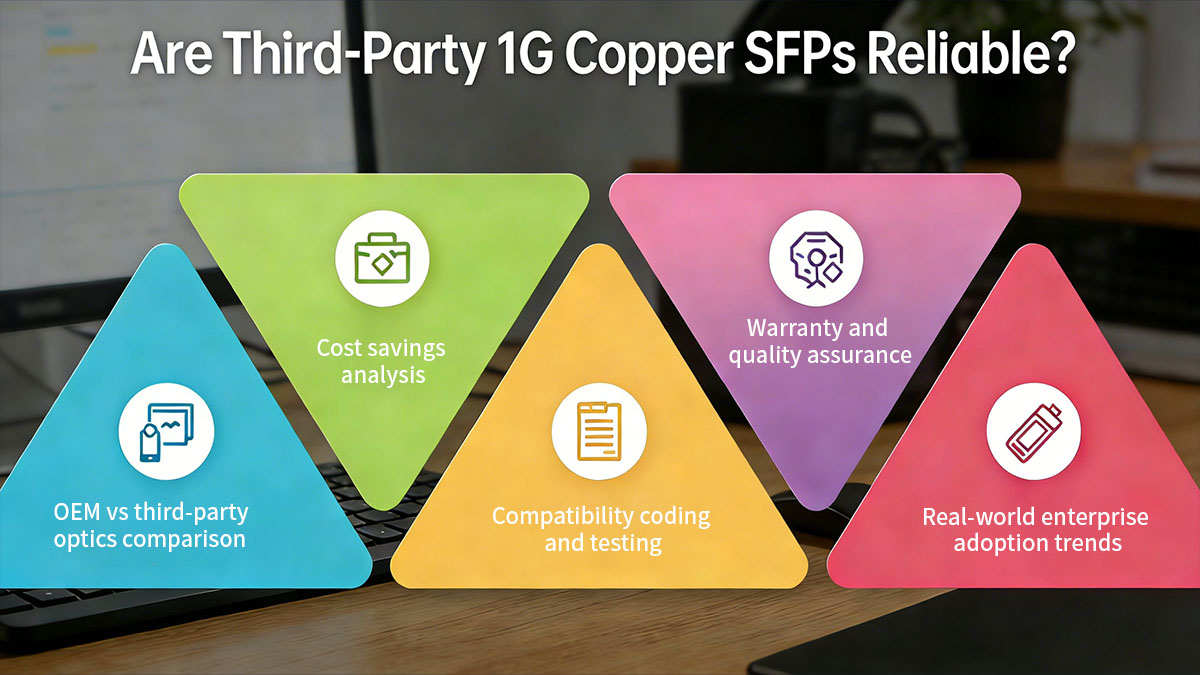
OEM vs Third-Party 1G Copper SFPs: Key Differences
| Aspect | OEM 1G Copper SFP | Third-Party Compatible 1G Copper SFP |
|---|---|---|
| Manufacturer | Switch vendor | Independent optics manufacturer |
| Price | High | Significantly lower |
| Performance | Standard-compliant | Standard-compliant |
| Compatibility | Guaranteed by vendor | Coded for specific switch brands |
| Availability | Limited sourcing | Wide availability |
| Vendor lock-in | Yes | No |
This comparison shows that both options meet Gigabit Ethernet standards, but they differ substantially in pricing and flexibility.
Cost Savings Analysis
One of the primary reasons enterprises choose third-party 1G Copper SFPs is cost efficiency. Third-party modules can cost 50–80% less than OEM equivalents, especially in large-scale deployments. These savings become significant when upgrading multiple switches or expanding access-layer networks, without sacrificing functionality or performance.
Compatibility Coding and Testing
Modern third-party 1G Copper SFPs are coded at the firmware level to match specific switch brands such as Cisco, HPE, Juniper, or Arista. Reputable suppliers perform multi-platform compatibility testing to ensure the module is recognized correctly and operates reliably in real-world environments.
? Best Practice: Choose third-party SFPs that are pre-coded, fully tested, and compatibility-guaranteed for your switch model.
Warranty and Quality Assurance
Quality third-party optics are typically backed by extended warranties, often matching or exceeding OEM warranty periods. Leading manufacturers implement strict quality control processes, including electrical testing, thermal cycling, and link stability validation, to ensure long-term reliability.
Real-World Enterprise Adoption Trends
Today, third-party SFP modules are widely adopted across enterprise, data center, and service provider networks. Many IT teams now view third-party optics as a standard procurement option, especially for non-core links such as access-layer and management connections, where cost optimization is a priority.
Buyer Conclusion
When sourced from a reputable supplier (like LINK-PP), third-party 1G Copper SFPs are reliable, cost-effective, and widely deployed. They offer a practical alternative to OEM modules, particularly for organizations seeking to reduce capital expenditure without compromising network stability.
? Price Considerations: How Much Does a 1G Copper SFP Cost?
Understanding the pricing of a 1G Copper SFP helps buyers plan budgets more effectively and avoid unnecessary costs. While these modules are generally more affordable than fiber alternatives, prices can vary depending on several key factors.
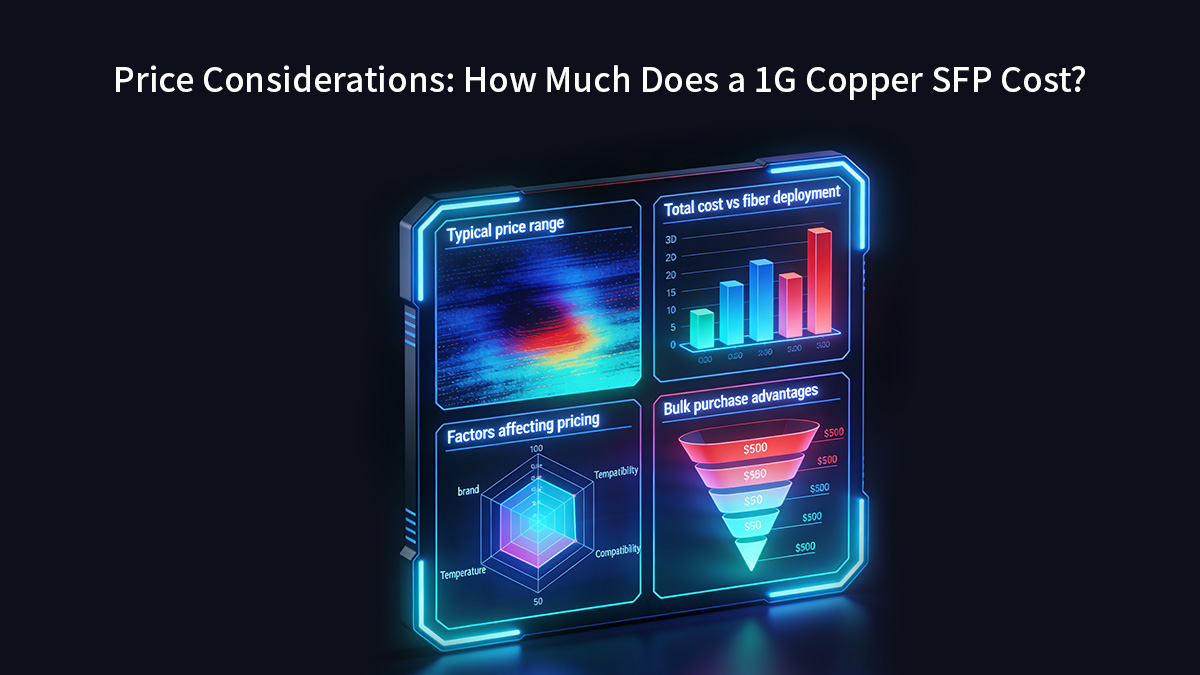
Typical Price Range
A standard 1G Copper SFP (1000BASE-T) typically falls within a lower price range than fiber SFP modules. Pricing depends on whether the module is OEM-branded or third-party compatible, as well as on environmental and compatibility requirements. For most enterprise-grade deployments, copper SFPs offer an attractive entry point for Gigabit Ethernet connectivity.
Factors Affecting 1G Copper SFP Pricing
Several variables influence the final cost of a 1G Copper SFP:
-
Brand and Vendor
OEM-branded modules command a premium due to vendor support and branding, while third-party compatible SFPs provide equivalent functionality at a reduced cost. -
Operating Temperature Rating
Industrial-grade modules designed for extreme temperatures typically cost more than standard commercial-grade SFPs. -
Compatibility Coding
SFPs coded and tested for specific switch brands may carry a slightly higher price, reflecting the additional testing and validation required.
Bulk Purchase Advantages
For network upgrades or large-scale deployments, bulk purchasing can significantly reduce the per-unit cost of 1G Copper SFPs. Many suppliers offer volume discounts, making third-party modules especially cost-effective for enterprises expanding access-layer ports or replacing aging hardware at scale.
Total Cost vs Fiber Deployment
When evaluating cost, it’s important to consider the total deployment expense, not just the module price. While fiber SFPs may offer lower power consumption and longer distances, they often require additional investments in fiber cabling, transceivers, and installation. In contrast, 1G Copper SFPs leverage existing Ethernet cabling, resulting in a lower overall cost for short-distance links.
? Where to Buy High-Quality 1G Copper SFP Modules
Choosing the right supplier is just as important as selecting the right 1G Copper SFP. A reliable vendor ensures product compatibility, consistent quality, and responsive support—reducing deployment risk and long-term operational issues.

What to Look for in a Reliable Supplier
A trustworthy 1G Copper SFP supplier should demonstrate:
-
Proven experience in optical and copper transceiver manufacturing
-
Clear product documentation with accurate specifications
-
Brand-specific compatibility options for major switch vendors
-
Transparent warranty and return policies
Suppliers that specialize in network optics are more likely to provide consistent quality and dependable long-term support.
Compatibility Guarantee and Testing Process
Compatibility is a critical concern when purchasing SFP modules. Reputable suppliers offer:
-
Brand-coded SFPs tested for platforms such as Cisco, HPE, Juniper, Arista, and Ubiquiti
-
Multi-stage testing, including electrical performance, auto-negotiation, and link stability validation
-
A compatibility guarantee, ensuring the module is recognized and functions correctly in the specified switch or NIC
? Buyer Tip: Always choose vendors that explicitly state compatibility guarantees rather than generic “works with most switches” claims.
Shipping, Lead Time, and Technical Support
Fast delivery and responsive support are essential, especially for time-sensitive network deployments.
-
Shipping and Lead Time:
Look for suppliers with ready stock and flexible shipping options to minimize downtime. -
Technical Support:
Access to knowledgeable support teams can help resolve compatibility or configuration issues quickly, reducing troubleshooting time.
Certifications and Compliance
High-quality 1G Copper SFP modules should comply with recognized industry standards and regulations, including:
-
RoHS for environmental safety
-
FCC for electromagnetic interference compliance
-
CE for conformity with European regulatory requirements
These certifications indicate that the products meet established safety, quality, and environmental standards.
Buyer Takeaway
Purchasing 1G Copper SFP modules from a reliable, well-certified supplier with strong compatibility guarantees ensures consistent performance, lower risk, and better long-term value for your network investment.
? FAQs About Buying 1G Copper SFP
This FAQ section addresses the most common questions buyers have when selecting and deploying 1G Copper SFP modules. Clear answers to these questions can help prevent compatibility issues and ensure a smooth installation process.
Can I Use a 1G Copper SFP in Any SFP Port?
Not always. While 1G Copper SFPs use the standard SFP form factor, switch vendor compatibility and firmware restrictions can prevent certain modules from being recognized. Some switches only accept vendor-approved or properly coded SFPs. Before purchasing, verify that the module is compatible with your specific switch model and software version.
Does a 1G Copper SFP Support 10/100Mbps?
Yes, most 1G Copper SFPs support auto-negotiation for 10/100/1000Mbps. This allows them to connect seamlessly to legacy Ethernet devices operating at lower speeds. However, auto-negotiation behavior may vary by switch, so it’s recommended to confirm this feature in the module’s specifications.
Why Does My Switch Not Recognize the Copper SFP?
There are several common reasons:
-
The SFP is not coded for the switch brand
-
The switch firmware blocks third-party modules
-
The port does not support copper SFPs
-
Power or thermal limits have been exceeded
In most cases, using a brand-compatible or vendor-certified 1G Copper SFP resolves the issue.
Is Cat6 Required, or Is Cat5e Enough?
Cat5e is sufficient for most 1G Copper SFP deployments and supports Gigabit Ethernet up to 100 meters. Cat6 cables may offer better noise immunity and headroom but are not mandatory for standard 1Gbps links.
How Many 1G Copper SFPs Can I Install in One Switch?
The number depends on the switch’s power budget and thermal design. Since 1G Copper SFPs consume more power than fiber SFPs, some switches limit how many can be installed simultaneously. Always check the switch vendor’s documentation for maximum supported copper SFP count per chassis.
FAQ Summary for Buyers
These FAQs highlight the importance of compatibility, cabling, and power planning when purchasing 1G Copper SFP modules. Addressing these considerations upfront helps avoid deployment issues and ensures reliable Gigabit Ethernet connectivity.
? Summary: Is a 1G Copper SFP the Right Choice for You?
A 1G Copper SFP is a practical and cost-effective solution for delivering Gigabit Ethernet over short distances using existing Cat5e or Cat6 cabling. It offers reliable 1Gbps performance, broad switch compatibility, and lower total deployment costs compared to fiber alternatives.
A 1G Copper SFP is the best buying decision when your network operates within 100 meters, prioritizes budget efficiency, and requires seamless integration with existing copper infrastructure. It is especially well suited for access-layer connections, management networks, and legacy network upgrades.
Ready to Buy?
If you’re looking for fully tested, switch-compatible 1G Copper SFP modules, explore trusted options at the LINK-PP Official Store. Get reliable Gigabit Ethernet solutions with compatibility assurance and enterprise-grade quality.