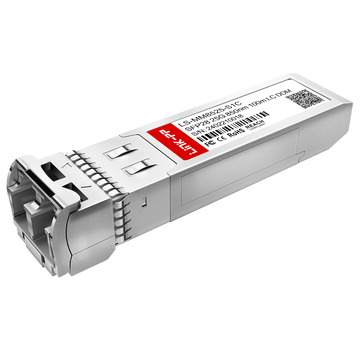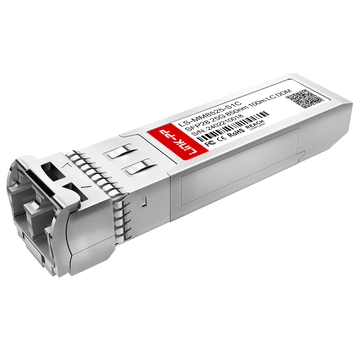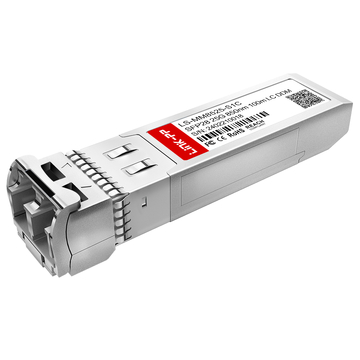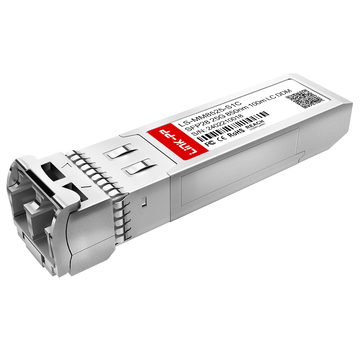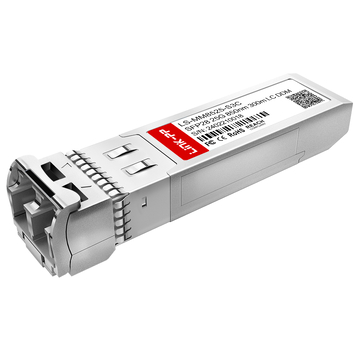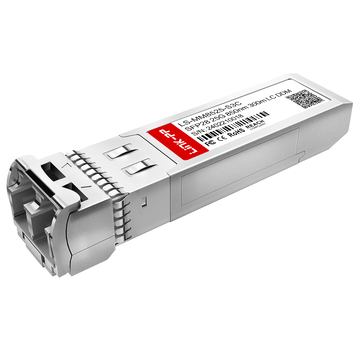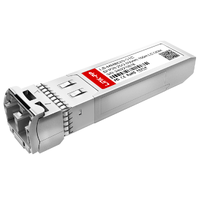
Ο UACC-OM-SFP28-SR είναι ο επίσημος πομποδέκτης πολλαπλών λειτουργιών 25GBASE-SR της Ubiquiti, συμβατός με το πρότυπο IEEE 802.3by, σχεδιασμένος για συνδέσεις backbone 100 μέτρων χρησιμοποιώντας λέιζερ VCSEL 850nm. Για μαζικές προμήθειες σε περιβάλλοντα UniFi υψηλής πυκνότητας, οι υπεύθυνοι IT θα πρέπει να περιορίσουν τις αγορές μονάδων SR αυστηρά σε συνδέσεις μεταξύ rack χρησιμοποιώντας οπτική ίνα OM4. Η αντικατάσταση των συνδέσεων διακομιστή μηδενικής απόστασης, εντός rack, με καλώδια DAC 25G εξαλείφει την θερμική επιβάρυνση και μειώνει το κόστος φυσικού επιπέδου έως και 85%. Για μεγάλης κλίμακας εγκαταστάσεις, η προμήθεια οπτικών κυκλωμάτων τρίτων κατασκευαστών με κωδικοποίηση Ubiquiti, συμβατών με MSA, παρακάμπτει τα σημεία συμφόρησης της εφοδιαστικής αλυσίδας OEM, ενώ παράλληλα μειώνει τις κεφαλαιουχικές δαπάνες κατά πάνω από 60%.
Καθώς τα κέντρα δεδομένων επιχειρήσεων και τα δίκτυα πανεπιστημιουπόλεων αναβαθμίζουν τα βασικά επίπεδα μεταγωγής από 10G σε 25G, η συμπλήρωση του φυσικού επιπέδου απαιτεί σχολαστικό σχεδιασμό του Πίνακα Υλικών (BOM). Η αναβάθμιση της υποδομής δεν αφορά απλώς την εναλλαγή μεταγωγέων. Κατά τον εξοπλισμό υλικού υψηλής πυκνότητας, όπως το UniFi Switch Pro Aggregation ή το Enterprise XG 24, το κόστος των οπτικών πομποδεκτών συχνά υπερβαίνει το κόστος του ίδιου του υλικού δικτύωσης.
Για τους διαχειριστές προμηθειών IT, η μαζική απόκτηση του UACC-OM-SFP28-SR περιλαμβάνει την εξισορρόπηση αυστηρών απαιτήσεων αξιοπιστίας OEM με απαιτητικούς προϋπολογισμούς IT. Στα 25 Gbps, οι αρχιτέκτονες δικτύου πρέπει να λαμβάνουν υπόψη την αυστηρή φυσική του φυσικού επιπέδου που δεν υπήρχε στα 10G — συγκεκριμένα τη διασπορά των τρόπων παραγωγής, τις αυστηρές απαιτήσεις διόρθωσης σφαλμάτων προς τα εμπρός (RS-FEC) και τα συνολικά θερμικά φορτία διακόπτη.
Ορισμός Όρου: Η μαζική προμήθεια σε εταιρικά δίκτυα αναφέρεται στη στρατηγική απόκτηση τυποποιημένων στοιχείων υλικού (συνήθως 50+ μονάδες) για την εγκατάσταση ενός νέου κέντρου δεδομένων, εξασφαλίζοντας πανομοιότυπη συμπεριφορά υλικολογισμικού, βελτιστοποιημένη εξοικονόμηση χρημάτων και εκπτώσεις σε τιμές όγκου.
Βασικές Προβλέψεις Προμηθειών για Δίκτυα UniFi 25G
Πριν από την εκτέλεση μιας παραγγελίας αγοράς μεγάλου όγκου για οπτικά συστήματα μικρής εμβέλειας 25G, οι ομάδες προμηθειών πρέπει να αξιολογήσουν τις ακόλουθες αρχιτεκτονικές και οικονομικές μετρήσεις:
- Συμμόρφωση με τα πρότυπα: Πρέπει να πληροί τις προδιαγραφές IEEE 802.3by 25GBASE-SR για να διασφαλιστεί η συμβατότητα μεταξύ προμηθευτών.
- Περιορισμοί Θερμικού Φορτίου: Το UACC-OM-SFP28-SR καταναλώνει έως και 1.2 Watt. Η πλήρης πλήρωση ενός διακόπτη 28 θυρών συγκεντρώνει πάνω από 33 Watt θερμότητας στο μπροστινό πλαίσιο, απαιτώντας αυστηρή συγκράτηση ζεστού/κρύου διαδρόμου.
- Αναβαθμίσεις εγκαταστάσεων οπτικών ινών: Το 25GBASE-SR απαιτεί υψηλής ποιότητας οπτικές ίνες πολλαπλών λειτουργιών (MMF) OM4 για την επίτευξη του πλήρους ορίου απόστασης των 100 μέτρων χωρίς απώλεια πακέτων.
- Κίνδυνος κλειδώματος προμηθευτή: Το λειτουργικό σύστημα UniFi της Ubiquiti δεν μπλοκάρει εγγενώς τα οπτικά κυκλώματα τρίτων κατασκευαστών, παρουσιάζοντας μια τεράστια ευκαιρία εξοικονόμησης κόστους για τους αγοραστές χύμα που χρησιμοποιούν πομποδέκτες συμβατούς με MSA.
Αυτός ο τεχνικός οδηγός προμηθειών παρέχει μια ολοκληρωμένη ανάλυση του UACC-OM-SFP28-SR. Στις επόμενες ενότητες, θα αναλύσουμε κρίσιμες συγκρίσεις τιμολόγησης μεταξύ μονάδων OEM και τρίτων κατασκευαστών, θα ορίσουμε πότε πρέπει να εγκαταλείψουμε πλήρως τα οπτικά υπέρ των καλωδίων Direct Attach Copper (DAC) και θα προσφέρουμε ένα στρατηγικό πλαίσιο για τη βελτιστοποίηση του προϋπολογισμού σας για το UniFi IT 25G.
🟣 Τι είναι η μονάδα UACC-OM-SFP28-SR Ubiquiti SFP28;
Ο UACC-OM-SFP28-SR είναι ο ιδιόκτητος οπτικός πομποδέκτης μικρής εμβέλειας (SR) 25 Gbps της Ubiquiti. Χρησιμοποιώντας έναν συντελεστή μορφής SFP28 και ένα λέιζερ VCSEL 850nm, μεταδίδει δεδομένα μέσω οπτικής ίνας πολλαπλών λειτουργιών (MMF) έως και 100 μέτρα. Συμβατός με το πρότυπο IEEE 802.3by 25GBASE-SR, έχει σχεδιαστεί ειδικά για να παρέχει συνδέσεις ανόδου χωρίς συμφόρηση μεταξύ εταιρικών διακοπτών UniFi και συμπλεγμάτων διακομιστών υψηλής απόδοσης στο ίδιο περιβάλλον κέντρου δεδομένων.
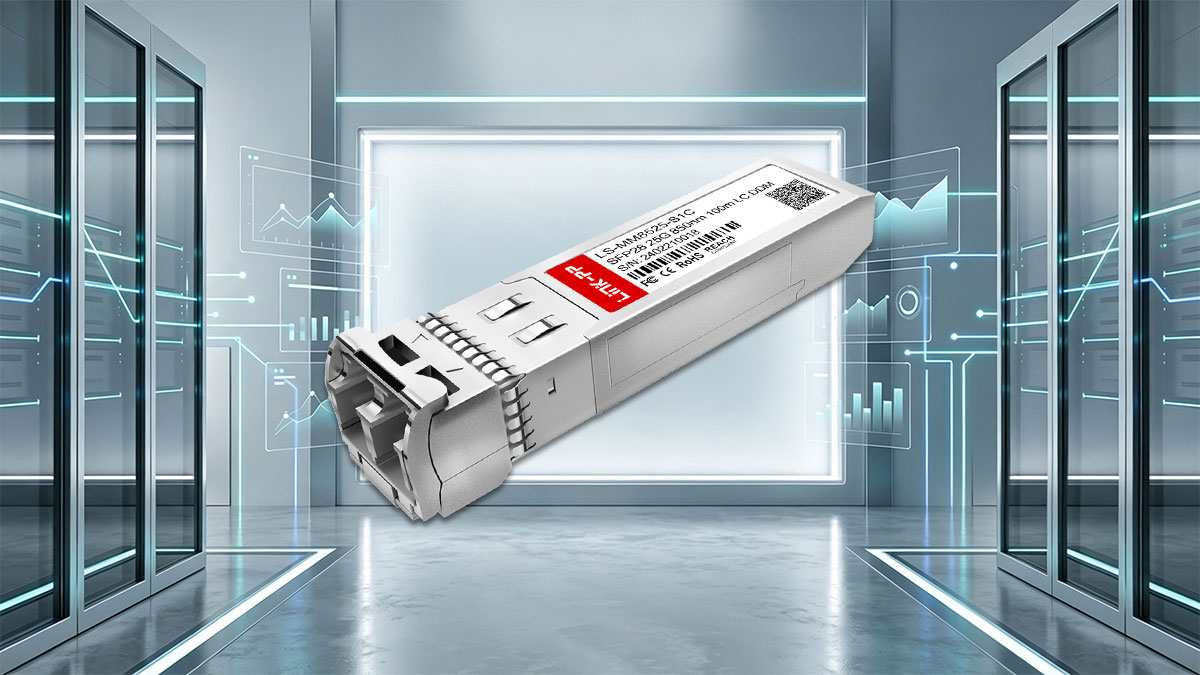
Για τους αρχιτέκτονες πληροφορικής που συντάσσουν έναν Πίνακα Υλικών (BOM) δικτύου υψηλής πυκνότητας, η κατανόηση των ακριβών φυσικών και λογικών παραμέτρων του UACC-OM-SFP28-SR είναι το πρώτο βήμα για την επιτυχή προμήθεια. Αυτή η ενότητα αποτελεί το θεμελιώδες δομικό στοιχείο για την υποδομή UniFi 25G μικρών αποστάσεων, χρησιμεύοντας ως ο κύριος οπτικός σύνδεσμος για υλικό όπως το UniFi Switch Pro Aggregation.
Τεχνική Αρχιτεκτονική και Ενσωμάτωση UniFi
Η μετάβαση από το 10G στο 25G απαιτεί μια θεμελιώδη αλλαγή στην οπτική επεξεργασία. Ενώ το φυσικό αποτύπωμα του SFP28 είναι πανομοιότυπο με τις παλαιότερες μονάδες 10G SFP+, τα εσωτερικά κυκλώματα του UACC-OM-SFP28-SR έχουν αναβαθμιστεί σημαντικά. Επεξεργάζεται μία μόνο ηλεκτρική λωρίδα 25.78 Gbps, χρησιμοποιώντας προηγμένη τεχνολογία Clock and Data Recovery (CDR) για τη διατήρηση της ακεραιότητας του σήματος σε εξαιρετικά υψηλές συχνότητες.
Ένα κρίσιμο πλεονέκτημα του επίσημου προτύπου UACC-OM-SFP28-SR (ή ενός τέλεια κωδικοποιημένου ισοδύναμου συμβατού με MSA) είναι η εγγενής ενσωμάτωσή του με τον ελεγκτή δικτύου UniFi. Η μονάδα υποστηρίζει το πρότυπο SFF-8472 DOM (Ψηφιακή Οπτική Παρακολούθηση).
Το DOM (Ψηφιακή Οπτική Παρακολούθηση) είναι ένα πρότυπο διεπαφής που επιτρέπει στους διαχειριστές δικτύου να παρακολουθούν την τηλεμετρία φυσικού επιπέδου σε πραγματικό χρόνο — όπως τη θερμοκρασία του λέιζερ, την τάση λειτουργίας και την ισχύ οπτικής μετάδοσης/λήψης — απευθείας μέσα στον πίνακα ελέγχου του UniFi OS, βελτιστοποιώντας την απομακρυσμένη αντιμετώπιση προβλημάτων.
Πίνακας προδιαγραφών πυρήνα UACC-OM-SFP28-SR
Για να διασφαλιστεί η αυστηρή τήρηση των απαιτήσεων σχεδιασμού της επιχείρησης, οι ομάδες προμηθειών πρέπει να επαληθεύσουν τις ακόλουθες παραμέτρους φυσικού επιπέδου σε σχέση με τις υπάρχουσες δυνατότητες των εγκαταστάσεων οπτικών ινών:
| Παράμετρος | Προδιαγραφές Μηχανικής |
|---|---|
| Πρότυπο βιομηχανίας | IEEE 802.3 από 25GBASE-SR |
| Form Factor | SFP28 (Συμβατό με παλαιότερες εκδόσεις με 10G SFP+) |
| Ρυθμός δεδομένων | 25.78 Gbps |
| Πομπός λέιζερ | 850nm VCSEL (Λέιζερ επιφανειακής εκπομπής κάθετης κοιλότητας) |
| Υποστηριζόμενος τύπος ινών | Multi-Mode Fiber (MMF) |
| Μέγιστη Προσέγγιση | 70 μέτρα πάνω από OM3 / 100 μέτρα πάνω από OM4 |
| Διασύνδεση συνδετήρων | Διπλή LC Duplex UPC (Εξαιρετικά Φυσική Επαφή) |
| Εύρος ισχύος Tx | -8.4 dBm έως +2.4 dBm |
| Κατανάλωση Max Power | 1.2 Watt (Τυπικό εύρος λειτουργίας) |
Σημείωση Μηχανικής: Ενώ το UACC-OM-SFP28-SR είναι φυσικά συμβατό με θύρες 10G SFP+ (όπως αυτές σε ένα UDM-Pro), η εισαγωγή αυτής της μονάδας 25G σε μια θύρα 10G θα προκαλέσει την αυτόματη διαπραγμάτευση του ρυθμού ρολογιού από το switch ASIC στα 10 Gbps. Και τα δύο άκρα της σύνδεσης οπτικών ινών πρέπει να τερματίζονται σε υλικό 25G SFP28 για να επιτευχθεί η πλήρης απόδοση των 25.78 Gbps.
🟣 Το δίλημμα προμήθειας αρχιτεκτονικής 25G: UACC-OM-SFP28-SR vs. DAC
Για συνδέσεις εντός rack κάτω των 3 μέτρων, προμηθευτείτε καλώδια 25G DAC (Direct Attach Copper) για να μειώσετε το κόστος φυσικού επιπέδου έως και 85% και να εξαλείψετε τα θερμικά έξοδα. Θα πρέπει να προμηθευτείτε μόνο το UACC-OM-SFP28-SR για συνδέσεις μεταξύ rack ή από δωμάτιο σε δωμάτιο που εκτείνονται σε απόσταση 3 έως 100 μέτρων. Η χρήση ακριβών οπτικών πομποδεκτών για συνδέσεις μηδενικής απόστασης σε servers είναι η πιο συνηθισμένη αιτία σπατάλης προϋπολογισμού IT σε αναπτύξεις 25G.
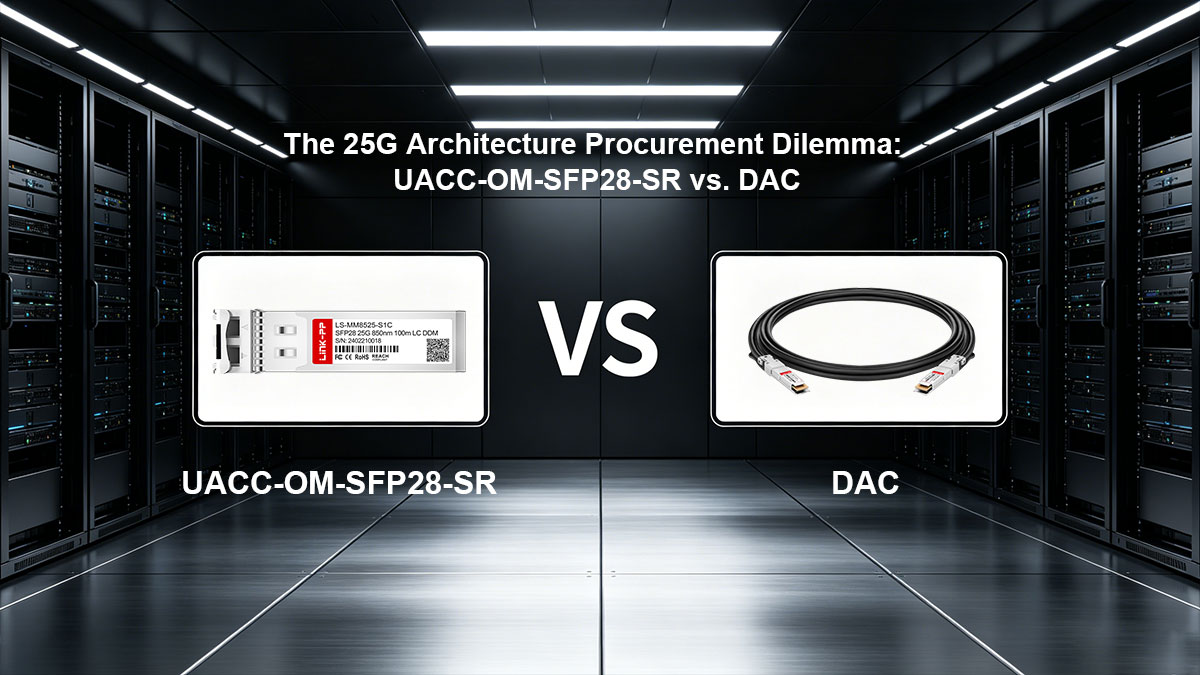
Κατά τον έλεγχο των δεδομένων ανάπτυξης και των σχολίων της κοινότητας IT σχετικά με τις αναβαθμίσεις του UniFi 25G, προκύπτει ένα επίμονο αρχιτεκτονικό σφάλμα: οι διαχειριστές δικτύου συχνά υπερβάλλουν στις προδιαγραφές του φυσικού τους επιπέδου. Είναι μια κοινή εσφαλμένη αντίληψη ότι η μετάβαση σε ένα δίκτυο κορμού 25 Gbps επιβάλλει τη χρήση οπτικών ινών για κάθε θύρα.
Εάν οι εταιρικοί διακομιστές σας (εξοπλισμένοι με κάρτες δικτύου 25G, όπως το Mellanox ConnectX-4) είναι βιδωμένοι στο ίδιο ακριβώς rack διακομιστή με το UniFi Switch Pro Aggregation, η προμήθεια του UACC-OM-SFP28-SR είναι οικονομικά και τεχνικά αναποτελεσματική.
Κατανόηση της εναλλακτικής λύσης DAC
Ένα καλώδιο DAC (Direct Attach Copper) είναι ένα υψηλής ταχύτητας συγκρότημα twinax χαλκού που διαθέτει άκρα πομποδέκτη SFP28 μόνιμα εργοστασιακά τερματισμένα στο καλώδιο. Μεταδίδει ηλεκτρικά σήματα απευθείας χωρίς να τα μετατρέπει σε οπτικό φως, καθιστώντας το το βιομηχανικό πρότυπο για εξαιρετικά σύντομες συνδέσεις κέντρων δεδομένων.
Για να παρέχουμε εφαρμόσιμη υποστήριξη αποφάσεων στις ομάδες προμηθειών πληροφορικής, πρέπει να συγκρίνουμε την οικονομική και φυσική πραγματικότητα και των δύο μέσων.
Σύγκριση κόστους και φυσικής: SR Optics vs. DAC
- Η Στρατηγική Οπτικής Σύνδεσης SR:
- Απαιτούμενο υλικό: Δύο μονάδες UACC-OM-SFP28-SR (~$99 η καθεμία) + ένα καλώδιο patch LC duplex OM4 (~$10).
- Συνολικό Εκτιμώμενο Κόστος: ~208$ ανά σύνδεσμο.
- Ισχύς & Θερμότητα: Καταναλώνει περίπου 2.4 Watt ανά σύνδεσμο. Παράγει σημαντική τοπική θερμότητα στο πλαίσιο του διακόπτη.
- Πλεονεκτήματα & Μειονεκτήματα: Εξαιρετικά ευέλικτο για μελλοντικές αλλαγές απόστασης, αλλά άσκοπα ακριβό και απαιτητικό για χρήση εντός rack.
- Η στρατηγική σύνδεσης DAC 25G:
- Απαιτούμενο υλικό: Ένα καλώδιο DAC 25G SFP28 (π.χ., Ubiquiti UACC-DAC-SFP28 ή ισοδύναμο συμβατό με MSA).
- Συνολικό Εκτιμώμενο Κόστος: ~20$ έως 30$ ανά σύνδεσμο.
- Ισχύς & Θερμότητα: Καταναλώνει λιγότερο από 0.1 Watt ανά σύνδεσμο. Παράγει μηδενική θερμότητα. Εξαιρετικά χαμηλή καθυστέρηση.
- Πλεονεκτήματα & Μειονεκτήματα: Τεράστια εξοικονόμηση CAPEX (κεφαλαιουχικών δαπανών) και θερμική ανακούφιση, αλλά αυστηρά περιορισμένη σε μέγιστη βιώσιμη απόσταση 3 έως 5 μέτρων. Τα καλώδια είναι επίσης παχύτερα και πιο δύσκολο να περαστούν από τα καλώδια οπτικών ινών.
Το Θερμικό Επιχείρημα για τις Προμήθειες
Πέρα από τις κεφαλαιουχικές δαπάνες, οι διαχειριστές προμηθειών πρέπει να λαμβάνουν υπόψη το συνολικό θερμικό φορτίο. Τα ASIC μεταγωγής 25G λειτουργούν εξαιρετικά θερμά. Εάν γεμίσετε πλήρως έναν μεταγωγέα 28 θυρών με μονάδες UACC-OM-SFP28-SR, εισάγετε πάνω από 33 Watt συγκεντρωμένης θερμότητας απευθείας στη διαδρομή εισόδου του μεταγωγέα. Εάν η ψύξη του rack δεν είναι η βέλτιστη, αυτή η θερμότητα θα προκαλέσει θερμικό στραγγαλισμό, οδηγώντας σε αυξημένα ποσοστά σφάλματος bit (BER) και απώλεια πακέτων.
Αντικαθιστώντας τις οπτικές μονάδες με καλώδια DAC για τις τοπικές συνδέσεις uplink διακομιστών, οι διαχειριστές μειώνουν δραστικά τη θερμική καταπόνηση στο υλικό δικτύωσης, επεκτείνοντας έτσι τον μέσο χρόνο μεταξύ βλαβών (MTBF) ολόκληρου του rack.
Ο Τελικός Κανόνας Προμήθειας: Τυποποιήστε τον Πίνακα Υλικών (BOM) σας με βάση την απόσταση. Εάν η απόσταση είναι κάτω από 3 μέτρα, αγοράστε έναν DAC. Εάν η απόσταση απαιτεί δρομολόγηση μέσω εναέριων σχάρων καλωδίων σε διαφορετικό rack (3m έως 100m), εκδώστε την παραγγελία αγοράς για την οπτική ίνα UACC-OM-SFP28-SR και OM4.
🟣 Κόστος οπτικών ινών: Γιατί το OM4 είναι κρίσιμο για το 25GBASE-SR
Ενώ το UACC-OM-SFP28-SR είναι συμβατό με παλαιότερες οπτικές ίνες OM3, ο ρυθμός δεδομένων των 25 Gbps εισάγει σοβαρή διασπορά των μέσων μεταφοράς, περιορίζοντας τη μέγιστη αξιόπιστη απόσταση του OM3 στα 70 μέτρα. Η προμήθεια οπτικών ινών πολλαπλών λειτουργιών (MMF) OM4 παρέχει σημαντικά υψηλότερο αποτελεσματικό εύρος ζώνης (EMB), εγγυώμενη μετάδοση μηδενικής απώλειας πακέτων έως και 100 μέτρα και διασφαλίζοντας ότι οι αλγόριθμοι RS-FEC του διακόπτη UniFi λειτουργούν χωρίς υπερφόρτωση. Ο προϋπολογισμός για το OM4 είναι υποχρεωτικός για σταθερή ανάπτυξη 25G.
Κατά την αναβάθμιση ενός δικτύου κορμού από 10G σε 25G, οι ομάδες προμηθειών IT συχνά υποθέτουν ότι μπορούν να επαναχρησιμοποιήσουν την υπάρχουσα μονάδα οπτικών ινών της εγκατάστασης για να εξοικονομήσουν χρήματα. Πρόκειται για μια οικονομική υπόθεση υψηλού κινδύνου. Η απόδοση του UACC-OM-SFP28-SR καθορίζεται ουσιαστικά από το φυσικό οπτικό μέσο μέσω του οποίου μεταδίδει.
Στα 10 Gbps, η τυπική οπτική ίνα OM3 μπορεί εύκολα να προωθήσει δεδομένα έως και 300 μέτρα. Ωστόσο, όταν αυξήσετε τον ρυθμό ρολογιού στα 25.78 Gbps χρησιμοποιώντας ένα λέιζερ VCSEL 850nm, η φυσική της διάδοσης του φωτός αλλάζει δραματικά και οι παλαιές οπτικές ίνες καθίστανται κρίσιμο σημείο συμφόρησης.
Η Φυσική του 25G: Τροπική Διασπορά και Ηλεκτρομαγνητική Διασπορά (EMB)
Για να κατανοήσουν γιατί απαιτείται το OM4, οι διαχειριστές προμηθειών πρέπει να κατανοήσουν δύο συγκεκριμένες έννοιες του φυσικού επιπέδου: τη Διασπορά Τροπικών Ρυθμών και το Αποτελεσματικό Εύρος Ζώνης Τροπικών Ρυθμών (EMB).
Η διασπορά τρόπων λειτουργίας συμβαίνει όταν οι παλμοί φωτός LED ή λέιζερ ταξιδεύουν κατά μήκος του ευρέος πυρήνα (50µm) μιας οπτικής ίνας πολλαπλών τρόπων λειτουργίας μέσω διαφορετικών διαδρομών (τρόπων λειτουργίας). Σε μεγάλες αποστάσεις, αυτοί οι παλμοί επικαλύπτονται και θολώνουν μεταξύ τους, καθιστώντας αδύνατο για τον δέκτη του πομποδέκτη να διακρίνει μεμονωμένα bit.
Για να αντιμετωπίσουν αυτό το πρόβλημα στα 25 Gbps, οι κατασκευαστές οπτικών ινών ανέπτυξαν το OM4, το οποίο διαθέτει ένα εξαιρετικά εκλεπτυσμένο προφίλ πυρήνα σχεδιασμένο να διατηρεί τους παλμούς φωτός στενά ομαδοποιημένους. Αυτή η εκλεπτυσμένη ανάλυση μετριέται σε EMB.
| Πρότυπο οπτικών ινών | Χρώμα μπουφάν | Ηλεκτρομαγνητική ακτινοβολία (EMB) (στα 850nm) | Μέγιστη απόσταση 25G (UACC-OM-SFP28-SR) |
|---|---|---|---|
| Παλαιού τύπου OM2 | Πορτοκαλί | 500 MHz·km | Δεν υποστηρίζεται (Αποτυχία σύνδεσης) |
| OM3 | Aqua | 2000 MHz·km | 70 μέτρα (Αυστηρό όριο) |
| OM4 | Άκουα ή Έρικα Βιολέτα | 4700 MHz·km | Μέτρα 100 |
Ο παράγοντας RS-FEC
Για να διατηρηθεί ένας ρυθμός σφάλματος bit (BER) μικρότερος από 10-12 , το UACC-OM-SFP28-SR βασίζεται σε μεγάλο βαθμό στο RS-FEC (Reed-Solomon Forward Error Correction) που επεξεργάζεται ο διακόπτης UniFi ASIC. Εάν ένας διαχειριστής δικτύου επιχειρήσει να προωθήσει ένα σήμα 25G σε 80 μέτρα παλαιότερης οπτικής ίνας OM3, η διασπορά των τρόπων μεταφοράς υποβαθμίζει το σήμα πέρα από αυτό που μπορεί να διορθώσει μαθηματικά ο αλγόριθμος RS-FEC. Το αποτέλεσμα είναι σιωπηλές απορρίψεις πακέτων, αυξημένη καθυστέρηση και συνεχές πτερύγιο θύρας.
Στρατηγική Προμηθειών: Προϋπολογισμός για το OM4
Από την άποψη των κεφαλαιουχικών δαπανών, η διαφορά τιμών μεταξύ των καλωδίων patch OM3 και OM4 έχει ουσιαστικά εξατμιστεί. Ένα τυπικό καλώδιο patch διπλής όψης OM4 LC-LC μήκους 10 μέτρων κοστίζει μόνο 2 έως 5 δολάρια περισσότερο από το αντίστοιχο OM3.
Ο πραγματικός κίνδυνος κόστους έγκειται στην εργασία και την αντιμετώπιση προβλημάτων. Εάν οι ομάδες προμηθειών δεν καθορίσουν το OM4 κατά τη δημιουργία του αρχικού Καταλόγου Υλικών (BOM) και επιχειρήσουν να επαναχρησιμοποιήσουν τις υπάρχουσες σχάρες καλωδίων OM2/OM3, το κόστος εργασίας που απαιτείται για την αποσυναρμολόγηση και αντικατάσταση των ελαττωματικών συνδέσμων οπτικών ινών αργότερα θα επισκιάσει την αρχική εξοικονόμηση.
Ετυμηγορία Προμήθειας: Όταν αγοράζετε το UACC-OM-SFP28-SR χύμα, τυποποιήστε ολόκληρη την παραγγελία σας σε οπτική ίνα OM4. Καθορίστε το χρώμα θήκης Erika Violet για τα καλώδια OM4 σας για να διαφοροποιήσετε οπτικά το νέο σας δίκτυο κορμού 25G από τα παλαιότερα καλώδια 10G Aqua OM3 σε γεμάτα rack διακομιστών.
🟣 OEM έναντι Τρίτων: Ανάλυση Τιμολόγησης για Μαζική Προμήθεια
Για μαζικές προμήθειες, η χρήση οπτικών πομποδεκτών τρίτων κατασκευαστών που είναι συμβατοί με MSA και είναι "κωδικοποιημένοι από την Ubiquiti" μειώνει τις κεφαλαιουχικές δαπάνες (CAPEX) κατά περίπου 60% έως 65% σε σύγκριση με το επίσημο UACC-OM-SFP28-SR. Επειδή η Ubiquiti δεν δεσμεύει αυστηρά το υλικολογισμικό του διακόπτη UniFi από τον προμηθευτή, οι σωστά κωδικοποιημένες μονάδες τρίτων κατασκευαστών παρέχουν πανομοιότυπη απόδοση 25 Gbps και τηλεμετρία DOM. Οι μονάδες OEM θα πρέπει να προορίζονται αυστηρά για κρίσιμες συνδέσεις πυρήνα, όπου η απρόσκοπτη υποστήριξη Ubiquiti TAC (Κέντρο Τεχνικής Βοήθειας) αποτελεί υποχρεωτική απαίτηση SLA.
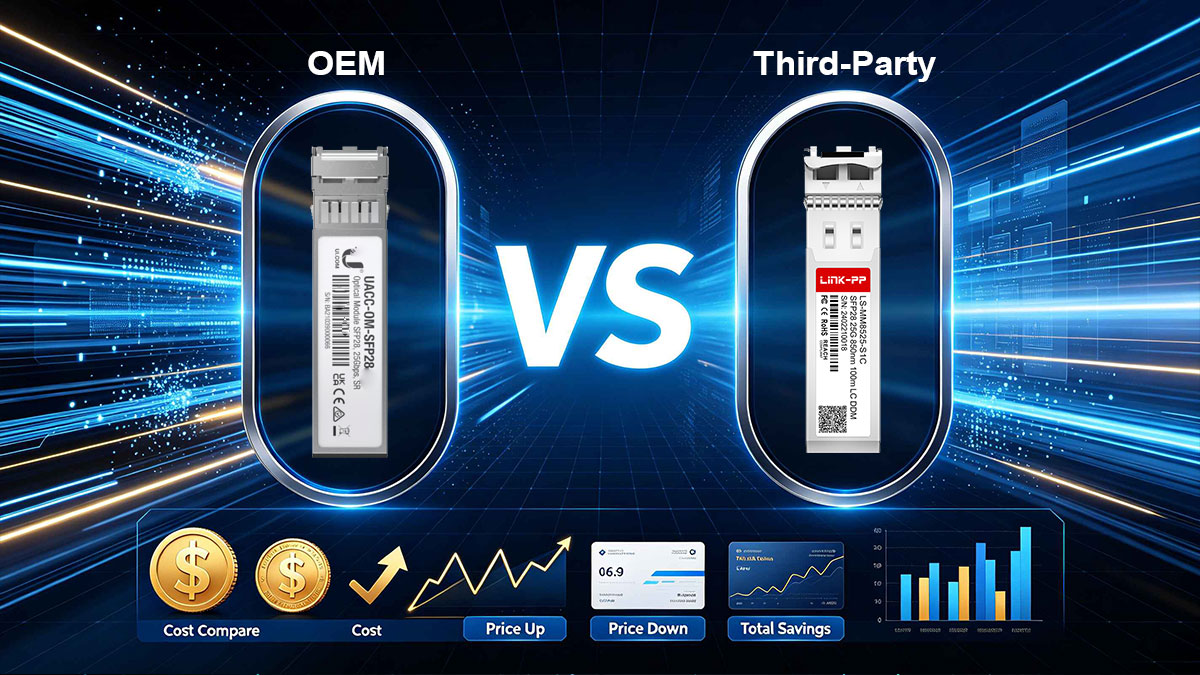
Στις προμήθειες πληροφορικής επιχειρήσεων, το κόστος των οπτικών πομποδεκτών αντιπροσωπεύει συχνά ένα δυσανάλογο ποσοστό του προϋπολογισμού δικτύωσης. Κατά την αρχιτεκτονική ενός δικτύου κορμού 25G, η οικονομική πραγματικότητα της χρήσης υλικού υψηλής πυκνότητας αναγκάζει τους διαχειριστές προμηθειών να αξιολογούν αυστηρά τα οπτικά OEM (Original Equipment Manufacturer - Κατασκευαστής Πρωτότυπου Εξοπλισμού) σε σχέση με εναλλακτικές λύσεις τρίτων.
Η Οικονομική Πραγματικότητα: Υπολογισμός Κεφαλαιουχικών Δαπανών 25G
Σκεφτείτε την ανάπτυξη ενός ενιαίου UniFi Switch Pro Aggregation , το οποίο διαθέτει 28 θύρες SFP28.
- Πλήρως συμπληρωμένο με OEM (UACC-OM-SFP28-SR): 28 θύρες × ~$99.00 = $2,772.00.
- Πλήρως συμπληρωμένο με Premium Τρίτους: 28 θύρες × ~$35.00 = $980.00.
Σε αυτό το σενάριο, το κόστος των οπτικών μονάδων OEM υπερβαίνει σημαντικά την προτεινόμενη τιμή λιανικής πώλησης (MSRP) του ίδιου του διακόπτη UniFi. Για ένα κέντρο δεδομένων που αναπτύσσει δεκάδες από αυτούς τους διακόπτες, η τυποποίηση σε οπτικά συστήματα τρίτων κατασκευαστών απελευθερώνει δεκάδες χιλιάδες δολάρια στον προϋπολογισμό IT - κεφάλαιο που μπορεί να ανακατανεμηθεί σε πλεονάζουσες διαδρομές οπτικών ινών ή σε πρόσθετους υπολογιστικούς κόμβους.
Η Τεχνική Πραγματικότητα: Υλικολογισμικό UniFi και Κλείδωμα Προμηθευτή
Ο κύριος δισταγμός που αντιμετωπίζουν οι ομάδες προμηθειών κατά την αγορά οπτικών ινών τρίτων είναι ο φόβος του κλειδώματος σε έναν προμηθευτή — μια συνήθης πρακτική όπου οι παλαιοί προμηθευτές (όπως η Cisco ή η HPE) χρησιμοποιούν υλικολογισμικό για να απενεργοποιήσουν μη αναγνωρισμένους πομποδέκτες.
Τεχνικό Γεγονός: Η Ubiquiti δεν επιβάλλει αυστηρό κλείδωμα προμηθευτή οπτικών προϊόντων στο λειτουργικό σύστημα UniFi.
Η οπτική επικοινωνία βασίζεται σε τυποποιημένη φυσική και πρωτόκολλα. Τόσο η επίσημη UACC-OM-SFP28-SR όσο και οι υψηλής ποιότητας συμβατές εναλλακτικές λύσεις χρησιμοποιούν τα ίδια ακριβώς εσωτερικά εξαρτήματα: ένα λέιζερ VCSEL 850nm, έναν φωτοανιχνευτή PIN και ένα τσιπ I2C EEPROM. Εφόσον ο τρίτος κατασκευαστής προγραμματίσει την EEPROM ώστε να συμμορφώνεται με τη Συμφωνία Πολλαπλών Πηγών (MSA) SFF-8472 και εισάγει συγκεκριμένους κωδικούς προμηθευτών Ubiquiti, ο διακόπτης UniFi θα αρχικοποιήσει τη μονάδα, θα περάσει άψογα την κίνηση 25 Gbps και θα αναφέρει ακριβή θερμοκρασία και τηλεμετρία Tx/Rx στον ελεγκτή.
Πίνακας Αποφάσεων Προμηθειών: OEM έναντι Τρίτου Μέρους
Για να παρέχουμε σαφή υποστήριξη λήψης αποφάσεων στους αγοραστές πληροφορικής, ακολουθεί η συγκριτική ανάλυση και των δύο οδών προμηθειών:
| Μετρικός | OEM (UACC-OM-SFP28-SR) | Premium Τρίτου Μέρους (Κωδικός Ubiquiti) |
|---|---|---|
| Εκτιμώμενη τιμή μονάδας | ~ $ 99.00 | ~$30.00 - $40.00 |
| Φυσική Απόδοση | 25.78 Gbps έως 100 μέτρα (OM4) | 25.78 Gbps έως 100 μέτρα (OM4) |
| Υποστήριξη τηλεμετρίας DOM | Εγγενές / Εγγυημένο | Πλήρως υποστηριζόμενο (Απαιτείται σωστή κωδικοποίηση EEPROM) |
| Εγγύηση & Υποστήριξη Τριβή | Μηδενική τριβή. Το TAC υποστηρίζει πλήρως τον σύνδεσμο. | Μέτρια τριβή. Το TAC ενδέχεται να ζητήσει αντικατάσταση με μια μονάδα OEM για διαγνωστικά RMA. |
Στρατηγική Ετυμηγορία Προμηθειών
Η επιλογή μεταξύ οπτικών OEM και τρίτων κατασκευαστών είναι μια άσκηση διαχείρισης κινδύνου έναντι της βελτιστοποίησης του προϋπολογισμού.
Πότε να αγοράσετε OEM: Προμηθευτείτε μια μικρή παρτίδα επίσημων μονάδων UACC-OM-SFP28-SR για τις πιο κρίσιμες συνδέσεις uplink πυρήνα (π.χ., την κύρια σύνδεση μεταξύ του δρομολογητή τοποθεσίας και του διακόπτη συνάθροισης πυρήνα). Επιπλέον, κρατήστε δύο μονάδες OEM στο κιτ ανταλλακτικών IT σας. Εάν μια θύρα διακόπτη αποτύχει, μπορείτε να τοποθετήσετε τα οπτικά OEM για να αποδείξετε στην Ubiquiti TAC ότι το υλικό—όχι ο πομποδέκτης τρίτου κατασκευαστή—φταίει.
Πότε να αγοράσετε εξαρτήματα τρίτων: Για το υπόλοιπο 90% του δικτύου σας —συμπεριλαμβανομένων των συνδέσεων uplink διακομιστών υψηλής πυκνότητας, των δευτερευόντων διανομέων και της γενικής μαζικής συγκέντρωσης— προμηθευτείτε οπτικά συστήματα υψηλής ποιότητας, συμβατά με MSA. Η τεράστια μείωση των κεφαλαιουχικών δαπανών υπερτερεί κατά πολύ της μικρής ταλαιπωρίας που συνεπάγεται η διατήρηση μερικών ανταλλακτικών διαγνωστικών OEM.
🟣 Εφοδιαστική Αλυσίδα και Αποθέματα: Ασφάλεια Μονάδων SFP28 SR για UniFi
Η επίσημη αλυσίδα εφοδιασμού της Ubiquiti αντιμετωπίζει συχνά κύκλους αποθεμάτων με αυξομειώσεις και πτώσεις, καθιστώντας τις μεγάλης κλίμακας προμήθειες B2B του UACC-OM-SFP28-SR εξαιρετικά απρόβλεπτες. Για να διασφαλιστούν τα χρονοδιαγράμματα των έργων, οι υπεύθυνοι προμηθειών IT θα πρέπει να πιστοποιήσουν τους κατασκευαστές οπτικών ινών τρίτης κατηγορίας. Αυτοί οι εξειδικευμένοι προμηθευτές διατηρούν βαθιά, παγκόσμια αποθέματα πομποδεκτών 25GBASE-SR συμβατών με MSA, κωδικοποιημένων με Ubiquiti, επιτρέποντας την εκπλήρωση μαζικών παραγγελιών την επόμενη ημέρα και εξαλείφοντας τα σημεία συμφόρησης που εκκρεμούν.
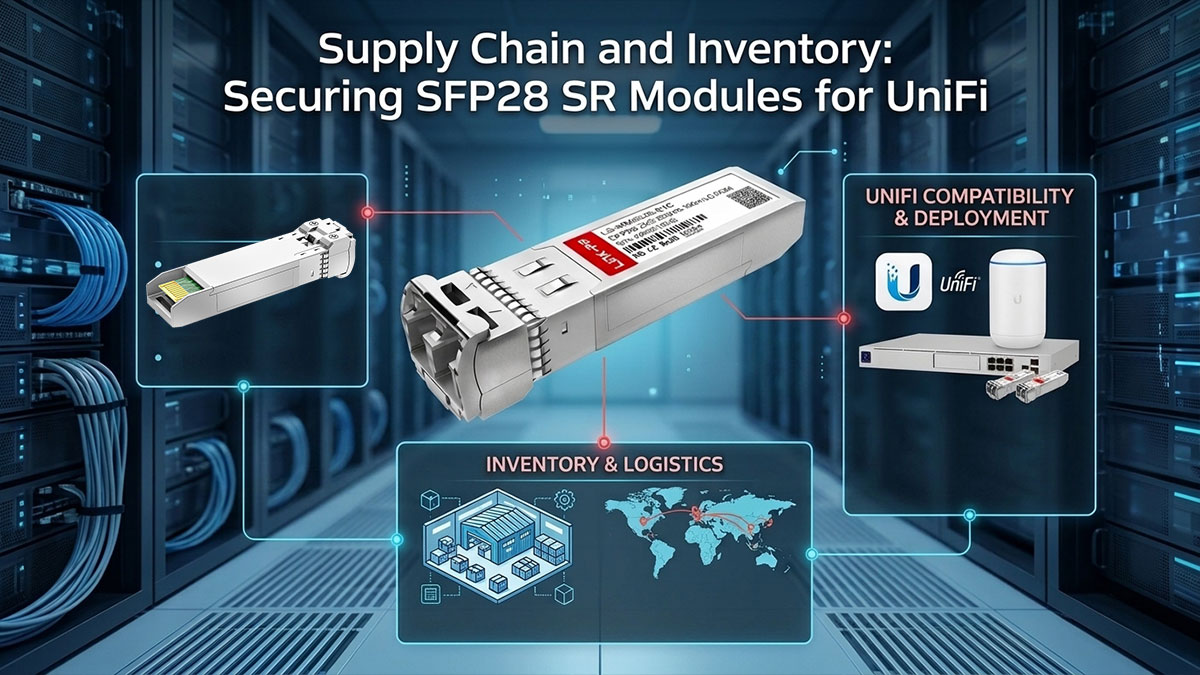
Στη διαχείριση έργων πληροφορικής σε επιχειρήσεις, ακόμη και η πιο σχολαστικά σχεδιασμένη αρχιτεκτονική δικτύου είναι άχρηστη εάν το φυσικό υλικό δεν μπορεί να προμηθευτεί εγκαίρως. Η αναβάθμιση μιας πανεπιστημιούπολης ή ενός κέντρου δεδομένων σε ένα δίκτυο 25G απαιτεί αυστηρή τήρηση των χρονοδιαγραμμάτων ανάπτυξης. Δυστυχώς, οι οπτικοί πομποδέκτες είναι ιστορικά ένα από τα πιο ασταθή στοιχεία στην αλυσίδα εφοδιασμού δικτύων.
Το σημείο συμφόρησης διαθεσιμότητας OEM
Οι ομάδες προμηθειών που προσπαθούν να προμηθευτούν το επίσημο UACC-OM-SFP28-SR συχνά αντιμετωπίζουν σημαντικά εμπόδια μέσω άμεσων καναλιών. Το επίσημο ηλεκτρονικό κατάστημα της Ubiquiti λειτουργεί με βάση ένα μοντέλο απευθείας από τον καταναλωτή/επαγγελματία καταναλωτή που συχνά δυσκολεύεται να υποστηρίξει αγορές σε εταιρική κλίμακα.
- Κύκλοι άνθησης και ύφεσης: Ο εξοπλισμός UniFi υψηλής τεχνολογίας, ιδίως οι διακόπτες 25G Enterprise XG και οι αντίστοιχες οπτικές μονάδες τους, συχνά εξαντλούνται για εβδομάδες ή μήνες κάθε φορά.
- Περιορισμοί Ποσότητας: Κατά τη διάρκεια περιόδων υψηλής ζήτησης, το επίσημο κατάστημα συχνά επιβάλλει αυστηρά όρια αγορών (π.χ., μέγιστο 4 μονάδες ανά πελάτη). Για έναν υπεύθυνο IT που προσπαθεί να συμπληρώσει έναν διακόπτη Pro Aggregation 28 θυρών, αυτοί οι περιορισμοί καθιστούν την μαζική προμήθεια σχεδόν αδύνατη.
- Προσαυξήσεις Scalper: Όταν εξαντλούνται τα αποθέματα OEM, μη εξουσιοδοτημένοι μεταπωλητές και scalpers κατακλύζουν τις δευτερογενείς αγορές, αυξάνοντας την προτεινόμενη λιανική τιμή του UACC-OM-SFP28-SR κατά 30% έως 50%, καταστρέφοντας ολοσχερώς τον προϋπολογισμό IT.
Η Στρατηγική Αξία των Εφοδιαστικών Αλυσίδων Τρίτων
Για την προστασία των χρονοδιαγραμμάτων ανάπτυξης από την αστάθεια του αποθέματος των OEM, οι επαγγελματίες ολοκληρωτές συστημάτων και οι διαχειριστές προμηθειών χρησιμοποιούν αξιόπιστους τρίτους κατασκευαστές οπτικών (όπως FS, LINK-PPή Πρόσθετα Δίκτυα).
Αυτοί οι κατασκευαστές ειδικεύονται αποκλειστικά σε υποδομές οπτικών ινών. Επειδή ολόκληρο το επιχειρηματικό τους μοντέλο βασίζεται στην ικανοποίηση των απαιτήσεων B2B, προσφέρουν ξεχωριστά πλεονεκτήματα στην εφοδιαστική αλυσίδα:
- Βαθύ απόθεμα: Οι προμηθευτές οπτικών προϊόντων πρώτης βαθμίδας διατηρούν τεράστιες αποθήκες γεμάτες με "κενές" μονάδες SFP28 συμβατές με MSA.
- Κωδικοποίηση κατ' απαίτηση: Όταν ένας υπεύθυνος IT υποβάλλει μια παραγγελία αγοράς για 100 μονάδες συμβατές με Ubiquiti, ο προμηθευτής χρησιμοποιεί αυτοματοποιημένες μηχανές flash EEPROM για να κωδικοποιήσει άμεσα τους κενούς πομποδέκτες με το ακριβές αναγνωριστικό προμηθευτή Ubiquiti.
- Ταχεία Εκπλήρωση: Αυτό το μοντέλο «κωδικού-προς-παραγγελία» επιτρέπει σε τρίτους προμηθευτές να εκπληρώνουν μαζικές παραγγελίες και να τις αποστέλλουν εντός μιας νύχτας, διασφαλίζοντας ότι το υλικό φτάνει ακριβώς την ώρα που οι τεχνικοί εγκατάστασης έχουν προγραμματιστεί να βρίσκονται επί τόπου.
Πιστοποίηση τρίτου προμηθευτή
Δεν είναι όλα τα οπτικά τρίτων κατασκευαστών ίδια. Κατά τη μετατόπιση των μαζικών προμηθειών από τους κατασκευαστές πρωτότυπου εξοπλισμού (OEM), οι αγοραστές πληροφορικής πρέπει να εφαρμόσουν μια αυστηρή διαδικασία πιστοποίησης. Ένας αξιόπιστος προμηθευτής οπτικών πρέπει να παρέχει:
- Εγγυήσεις εφ' όρου ζωής: Εγγύηση ότι εάν μια μονάδα παρουσιάσει βλάβη ή παρουσιάσει υψηλά ποσοστά σφάλματος bit (BER), θα αντικατασταθεί αμέσως.
- Εγγυημένη Συμβατότητα: Γραπτή διαβεβαίωση ότι οι μονάδες είναι 100% συμβατές με το λειτουργικό σύστημα UniFi και δεν θα ενεργοποιήσουν σφάλματα "μη υποστηριζόμενου πομποδέκτη".
- Αναφορές Δοκιμών Παρτίδας: Οι προμηθευτές υψηλής ποιότητας θα πρέπει να είναι σε θέση να παρέχουν αναφορές οπτικών δοκιμών (που να επαληθεύουν τη σταθερότητα μήκους κύματος 850nm και τα εύρη ισχύος Tx/Rx) για τη συγκεκριμένη παρτίδα πομποδεκτών που αποστέλλονται.
Ετυμηγορία Προμηθειών: Η αποκλειστική εξάρτηση από το επίσημο κατάστημα Ubiquiti για μαζική αγορά οπτικών 25G συνεπάγεται απαράδεκτο κίνδυνο για τα χρονοδιαγράμματα των έργων. Με την επιλογή ενός αξιόπιστου τρίτου προμηθευτή οπτικών, οι υπεύθυνοι IT διασφαλίζουν μια ανθεκτική αλυσίδα εφοδιασμού, εγγυημένο απόθεμα και ένα εξαιρετικά προβλέψιμο χρονοδιάγραμμα ανάπτυξης.
🟣 Συμβουλές για μαζικές προμήθειες για έργα δικτύου UniFi
Για την άψογη υλοποίηση του UniFi 25G, οι υπεύθυνοι προμηθειών πρέπει να τυποποιήσουν τον Πίνακα Υλικών (BOM) τους. Καθορίστε καλώδια DAC 25G για συνδέσεις εντός rack και οπτικά συστήματα συμβατά με UACC-OM-SFP28-SR για συνδέσεις μεταξύ rack. Να συνδυάζετε πάντα τις μαζικές παραγγελίες μονάδων με premium καλώδια οπτικών ινών OM4 και να επιβάλλετε ένα απόθεμα ψύξης 5% έως 10% στις εγκαταστάσεις σας. Τέλος, ελέγξτε την ικανότητα ψύξης rack του κέντρου δεδομένων για να βεβαιωθείτε ότι μπορεί να χειριστεί το συνολικό θερμικό φορτίο 1.2W ανά μονάδα που παράγεται από την υψηλής πυκνότητας μεταγωγή 25G.
Η εκτέλεση μιας αναβάθμισης δικτύου 25 Gbps σε μια εταιρική πανεπιστημιούπολη ή κέντρο δεδομένων περιλαμβάνει πολύπλοκη εφοδιαστική. Κατά την παραγγελία υλικού χύμα, μια μεμονωμένη αρχιτεκτονική παράλειψη - όπως η παραγγελία λανθασμένου περιβλήματος οπτικών ινών ή η υποεκτίμηση της θερμικής εξόδου - μπορεί να καθυστερήσει την ανάπτυξη κατά εβδομάδες και να επιφέρει τεράστιες εργατικές ποινές.
Για τη βελτιστοποίηση τόσο των κεφαλαιουχικών δαπανών (CAPEX) όσο και της μακροπρόθεσμης λειτουργικής αποδοτικότητας, οι ομάδες προμηθειών IT θα πρέπει να τηρούν την ακόλουθη στρατηγική λίστα ελέγχου κατά την προμήθεια οπτικών 25GBASE-SR για περιβάλλοντα UniFi.
1. Τυποποιήστε το BOM με βάση την απόσταση
Ο πιο αποτελεσματικός τρόπος για την προστασία του προϋπολογισμού IT είναι να αποτρέψετε την υπερβολική προδιαγραφή του οπτικού υλικού. Μην παραγγέλνετε πομποδέκτες SR για κάθε θύρα 25G στο δίκτυο.
- 0 έως 3 μέτρα (εντός rack): Προμηθευτείτε καλώδια 25G SFP28 DAC (άμεση σύνδεση χαλκού). Κοστίζουν περίπου 25 δολάρια το καθένα, καταναλώνουν σχεδόν μηδενική ισχύ και δεν παράγουν θερμότητα.
- 3 έως 100 μέτρα (Inter-Rack / Inter-Room): Προμηθευτείτε μονάδες UACC-OM-SFP28-SR (ή ισοδύναμα με κωδικοποίηση Ubiquiti) μαζί με αντίστοιχα καλώδια οπτικών ινών OM4.
2. Υποχρεώστε αναβαθμίσεις οπτικών ινών OM4
Μην βασίζεστε ποτέ σε παλαιότερες οπτικές ίνες για την ανάπτυξη μιας νέας τεχνολογίας 25G. Ενώ η οπτική ίνα OM3 υποστηρίζει τεχνικά 25GBASE-SR έως και 70 μέτρα, η διασπορά των 25 Gbps δεν αφήνει κανένα περιθώριο σφάλματος σχετικά με βρώμικες συνδέσεις ή σφιχτές καμπύλες καλωδίων.
Ενέργεια Προμήθειας: Κάθε φορά που κάνετε μια μαζική παραγγελία για πομποδέκτες SR 25G, εκδώστε ταυτόχρονα μια παραγγελία αγοράς για καλώδια patch Duplex LC UPC OM4 (Erika Violet/Aqua). Η τυποποίηση στο OM4 εγγυάται πλήρη εμβέλεια 100 μέτρων, βέλτιστο ενεργό εύρος ζώνης (EMB) και διασφαλίζει ότι οι αλγόριθμοι RS-FEC του διακόπτη UniFi λειτουργούν άψογα χωρίς να χάνονται πακέτα.
3. Εφαρμόστε μια αυστηρή στρατηγική εξοικονόμησης
Τα εταιρικά δίκτυα απαιτούν υψηλή διαθεσιμότητα (HA). Κατά την αγορά οπτικών υλών τρίτων ή OEM χύμα (π.χ., 50 έως 100+ μονάδες), η προμήθεια πρέπει να λαμβάνει υπόψη ένα τοπικό απόθεμα ψυχρής άντλησης.
- Ο κανόνας του 5-10%: Να παραγγέλνετε πάντα 5% έως 10% περισσότερες μονάδες από ό,τι απαιτείται για τον αριθμό των ενεργών θυρών. Εάν μια δίοδος λέιζερ υποβαθμιστεί στις 2:00 π.μ. την Κυριακή, ο μηχανικός σε ετοιμότητα πρέπει να έχει μια πανομοιότυπη μονάδα διαθέσιμη στο ντουλάπι IT.
- Εφεδρικό "OEM Diagnostic": Ακόμα κι αν καλύψετε το 95% του δικτύου σας με εξαιρετικά οικονομικά οπτικά εξαρτήματα τρίτων κατασκευαστών, να προμηθεύεστε πάντα τουλάχιστον δύο επίσημες μονάδες UACC-OM-SFP28-SR. Φυλάξτε τις στο κιτ ανταλλακτικών. Εάν παρουσιαστεί σοβαρό πρόβλημα με τον διακόπτη, μπορείτε να αντικαταστήσετε τις μονάδες OEM για να αποδείξετε στο Ubiquiti TAC (Κέντρο Τεχνικής Βοήθειας) ότι το πρόβλημα δεν προκαλείται από υλικό τρίτων κατασκευαστών.
4. Θερμική χωρητικότητα ραφιού ελέγχου
Στα 10G, η οπτική παραγωγή θερμότητας ήταν σε μεγάλο βαθμό μια δεύτερη σκέψη. Στα 25G, αποτελεί κρίσιμο μηχανικό περιορισμό. Το UACC-OM-SFP28-SR καταναλώνει έως και 1.2 Watt ισχύος ανά μονάδα.
Εάν συμπληρώσετε πλήρως ένα UniFi Switch Pro Aggregation με 28 από αυτές τις μονάδες, εισάγετε πάνω από 33 Watt συγκεντρωμένης θερμότητας απευθείας στο μπροστινό πλαίσιο του διακόπτη.
Ενέργεια Προμήθειας: Πριν από την οριστικοποίηση της παραγγελίας, συμβουλευτείτε τον υπεύθυνο εγκατάστασης για να βεβαιωθείτε ότι τα rack διακομιστών διαθέτουν αυστηρή συγκράτηση θερμού/ψυχρού διαδρόμου. Εάν το rack δεν διαθέτει επαρκή ροή αέρα από την μπροστινή πλευρά, οι οπτικές μονάδες θα υπερβούν γρήγορα το εμπορικό όριο λειτουργίας τους των 70°C, με αποτέλεσμα θερμικό στραγγαλισμό, μετατόπιση μήκους κύματος και πρόωρη βλάβη υλικού.
5. Επαληθεύστε τις πολιτικές επιστροφής προμηθευτή και RMA
Όταν αγοράζετε από τρίτους προμηθευτές οπτικών, εξασφαλίστε γραπτές εγγυήσεις σχετικά με τη διαδικασία Εξουσιοδότησης Επιστροφής Εμπορευμάτων (RMA). Ένας προμηθευτής πρώτης βαθμίδας θα πρέπει να προσφέρει εγγύηση εφ' όρου ζωής για τον πομποδέκτη και μια πολιτική επιστροφών χωρίς προβλήματα σε περίπτωση που οι μονάδες δεν αρχικοποιηθούν σωστά εντός του Ελεγκτή Δικτύου UniFi.
🟣 Συχνές ερωτήσεις: Ερωτήσεις αγοραστή UACC-OM-SFP28-SR

1. Μπορώ να χρησιμοποιήσω παλιά καλώδια οπτικών ινών 10G για το 25G UACC-OM-SFP28-SR;
Ναι, αλλά με αυστηρούς περιορισμούς. Εάν η παλαιότερη οπτική ίνα σας είναι OM3 (Aqua jacket), το UACC-OM-SFP28-SR θα λειτουργήσει, αλλά η μέγιστη αξιόπιστη απόσταση μετάδοσης μειώνεται από 100 μέτρα σε ακριβώς 70 μέτρα λόγω της διασποράς των τρόπων μεταφοράς στα 25 Gbps. Εάν η παλαιότερη οπτική ίνα σας είναι OM1 ή OM2 (Orange jacket), δεν διαθέτει το απαιτούμενο ενεργό εύρος ζώνης (EMB) και δεν θα υποστηρίξει αξιόπιστα μια σύνδεση 25G. Για νέες αναπτύξεις, συνιστάται ανεπιφύλακτα η αναβάθμιση σε οπτική ίνα OM4.
2. Απαιτεί ο διακόπτης UniFi Pro Aggregation πομποδέκτες OEM;
Όχι. Η Ubiquiti δεν επιβάλλει αυστηρό κλειδωμένο πάροχο οπτικών ινών. Σε αντίθεση με τους παλαιότερους εταιρικούς προμηθευτές που απενεργοποιούν ενεργά τα οπτικά συστήματα τρίτων μέσω υλικολογισμικού, τα switches UniFi χρησιμοποιούν ανοιχτά πρότυπα MSA (Συμφωνία Πολλαπλών Πηγών). Εφόσον προμηθευτείτε πομποδέκτες τρίτων κατασκευαστών υψηλής ποιότητας που είναι σωστά κωδικοποιημένοι για την Ubiquiti, το switch θα αρχικοποιήσει τη σύνδεση, θα περάσει κίνηση 25 Gbps και θα αναφέρει ακριβή τηλεμετρία Ψηφιακής Οπτικής Παρακολούθησης (DOM) στον Ελεγκτή UniFi.
3. Μπορώ να συνδέσω μια μονάδα SFP28 25G σε μια θύρα SFP+ 10G;
Ναι. Ο συντελεστής μορφής SFP28 είναι φυσικά συμβατός με το SFP+. Εάν τοποθετήσετε το UACC-OM-SFP28-SR σε μια παλαιότερη θύρα 10G (όπως η θύρα WAN σε ένα UDM-Pro ή έναν τυπικό διακόπτη USW-Aggregation), το εσωτερικό ASIC θα διαπραγματευτεί αυτόματα τη μείωση του ρυθμού ρολογιού και η μονάδα θα λειτουργεί άψογα ως τυπικός πομποδέκτης 10GBASE-SR.
4. Ποια είναι η διαφορά μεταξύ του SFP28 SR και του LR;
Η διαφορά έγκειται στην απόσταση και στη φυσική του λέιζερ. Το SR (μικρής εμβέλειας) χρησιμοποιεί ένα λέιζερ VCSEL 850nm μέσω οπτικής ίνας πολλαπλών λειτουργιών (MMF) για τη μετάδοση δεδομένων έως και 100 μέτρα. Είναι ιδανικό για συνδέσεις εντός κτιρίου. Το LR (μεγάλης εμβέλειας) χρησιμοποιεί ένα λέιζερ DFB 1310nm μέσω οπτικής ίνας μονής λειτουργίας (SMF) για τη μετάδοση δεδομένων έως και 10 χιλιόμετρα. Απαιτείται για τη σύνδεση ξεχωριστών κτιρίων σε μια πανεπιστημιούπολη.
5. Γιατί η σύνδεση 25G SFP28 μου χάνει πακέτα ή παρουσιάζει κυματισμούς;
Εάν μια πρόσφατα εγκατεστημένη σύνδεση UACC-OM-SFP28-SR είναι ασταθής, ελέγξτε δύο κρίσιμους παράγοντες: 1. Ρυθμίσεις RS-FEC: Βεβαιωθείτε ότι η διόρθωση σφαλμάτων προς τα εμπρός (FEC) είναι ενεργοποιημένη και στις δύο θύρες διακόπτη. Η μετάδοση 25G απαιτεί FEC για τη διόρθωση εγγενών σφαλμάτων bit. 2. Καθαριότητα: Ένα σήμα 25G είναι ιδιαίτερα ευαίσθητο στη σκόνη. Βεβαιωθείτε ότι τα άκρα των οπτικών ινών LC έχουν καθαριστεί σωστά με ένα καθαριστικό στυλό οπτικών ινών πριν από την εισαγωγή. Ένας βρώμικος σύνδεσμος προκαλεί τεράστια απώλεια εισαγωγής, καταστρέφοντας τον προϋπολογισμό οπτικής ισχύος.
🟣 Συμπέρασμα: Πώς να βελτιστοποιήσετε τον προϋπολογισμό σας για το 25G UniFi IT
Η βελτιστοποίηση ενός προϋπολογισμού IT UniFi 25G απαιτεί στρατηγικές αρχιτεκτονικές επιλογές, όχι μόνο την εύρεση της χαμηλότερης τιμής μονάδας. Αντικαθιστώντας τα οπτικά με καλώδια DAC 25G για συνδέσεις εντός rack, τυποποιώντας την οπτική ίνα OM4 για την αποφυγή επανακατασκευής που απαιτεί πολλή εργασία και αξιοποιώντας πομποδέκτες τρίτων κατασκευαστών συμβατούς με MSA για συνδέσεις μεταξύ rack, οι ομάδες προμηθειών μπορούν να μειώσουν το συνολικό κόστος φυσικού επιπέδου έως και 65%, διατηρώντας παράλληλα την ίδια απόδοση μηδενικής απώλειας πακέτων και την εγγενή ενσωμάτωση του λειτουργικού συστήματος UniFi.
Η μετάβαση ενός εταιρικού κεντρικού δικτύου από 10G σε 25G αποτελεί ένα σημαντικό ορόσημο που απαιτεί αυστηρό σχεδιασμό φυσικού επιπέδου. Όπως έχουμε διαπιστώσει σε αυτόν τον οδηγό προμηθειών, ο UACC-OM-SFP28-SR είναι ένας εξαιρετικά ικανός πομποδέκτης συμβατός με το πρότυπο IEEE 802.3by, ο οποίος χρησιμεύει ως η ραχοκοκαλιά για αναπτύξεις UniFi σε μικρές αποστάσεις.
Ωστόσο, η τυφλή προσθήκη οπτικών εξαρτημάτων υψηλής πυκνότητας, όπως το UniFi Switch Pro Aggregation, αποκλειστικά σε οπτικά εξαρτήματα OEM, αποτελεί αναποτελεσματική χρήση του κεφαλαίου πληροφορικής. Η πραγματική βελτιστοποίηση του προϋπολογισμού επιτυγχάνεται όταν οι ομάδες προμηθειών ευθυγραμμίζουν τον Πίνακα Υλικών (BOM) με τις συγκεκριμένες φυσικές πραγματικότητες του κέντρου δεδομένων τους.
Τελική Σύνοψη Στρατηγικής Προμηθειών
Για να υλοποιήσετε μια οικονομικά αποδοτική και τεχνικά ορθή ανάπτυξη του 25G, συνοψίστε τη στρατηγική αγορών σας γύρω από αυτούς τους τρεις πυλώνες:
- Επιλογή μέσου με βάση την απόσταση: Μην αγοράζετε ποτέ οπτικό πομποδέκτη για σύνδεση μηδενικής απόστασης. Χρησιμοποιήστε καλώδια DAC 25G για όλες τις συνδέσεις uplink του διακομιστή εντός του ίδιου rack για να εξαλείψετε το θερμικό φορτίο και να μειώσετε το κόστος ανά θύρα κατά 85%.
- Προστατέψτε το εργοστάσιο ινών για το μέλλον: Μην κάνετε συμβιβασμούς στην καλωδίωση. Κατά τον προϋπολογισμό για οπτικά συστήματα SR, υπολογίστε ταυτόχρονα τον προϋπολογισμό για οπτικές ίνες πολλαπλών λειτουργιών OM4 (Erika Violet) για να εγγυηθείτε πλήρη εμβέλεια 100 μέτρων και βέλτιστη απόδοση RS-FEC.
- Υιοθετήστε οπτικά συστήματα τρίτων για μαζικές αναπτύξεις: Επειδή η Ubiquiti δεν επιβάλλει δέσμευση προμηθευτή υλικολογισμικού, δεν είστε υποχρεωμένοι να πληρώσετε την προμήθεια OEM για κάθε θύρα. Κρατήστε επίσημες μονάδες UACC-OM-SFP28-SR για τους πιο κρίσιμους κεντρικούς συνδέσμους και τα ανταλλακτικά διαγνωστικών. Για την υπόλοιπη μαζική ανάπτυξη, χρησιμοποιήστε οπτικά συστήματα συμβατά με MSA υψηλής ποιότητας για να εξοικονομήσετε δεκάδες χιλιάδες δολάρια σε κεφαλαιουχικές δαπάνες.
Κλιμακώστε το δίκτυό σας UniFi 25G με έξυπνο τρόπο
Η εκτέλεση μιας αναβάθμισης δικτύου μεγάλης κλίμακας απαιτεί μια αλυσίδα εφοδιασμού στην οποία μπορείτε να εμπιστευτείτε. Χρειάζεστε εγγυημένο απόθεμα, βαθιά τεχνική συμβατότητα και ολοκλήρωση παραγγελιών εν μία νυκτί, για να διασφαλίσετε ότι οι τεχνικοί εγκατάστασης δεν θα περιμένουν ποτέ σε εκκρεμότητα τον εξοπλισμό.
Αν είστε έτοιμοι να ολοκληρώσετε το BOM των 25G σας και θέλετε να μειώσετε σημαντικά τις κεφαλαιουχικές σας δαπάνες χωρίς να θυσιάσετε ούτε ένα megabit απόδοσης, επισκεφθείτε την ιστοσελίδα LINK-PP Επίσημο κατάστημα Για συμβατά οπτικά συστήματα UACC-OM-SFP28-SR. Ασφαλείς, πλήρως ελεγμένοι πομποδέκτες 25GBASE-SR με κωδικοποίηση Ubiquiti, που υποστηρίζονται από ολοκληρωμένες εγγυήσεις και μεγάλη διαθεσιμότητα σε μεγάλες ποσότητες. Κατασκευάστε το δίκτυο κορμού UniFi επόμενης γενιάς εγκαίρως, σύμφωνα με τις προδιαγραφές και αυστηρά εντός προϋπολογισμού.