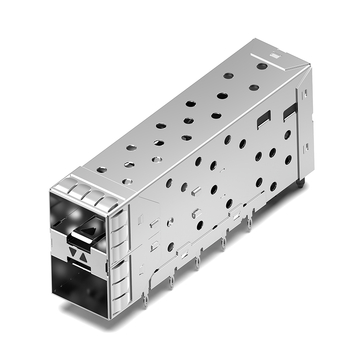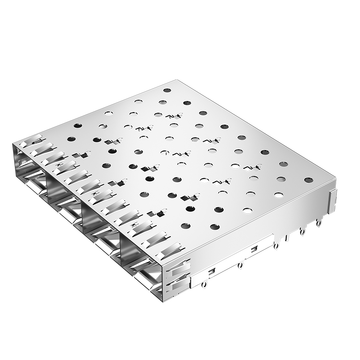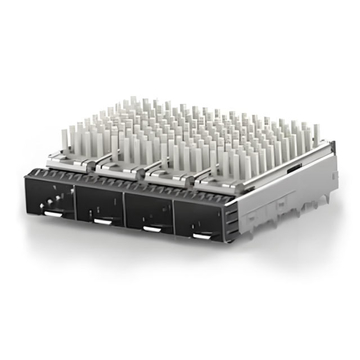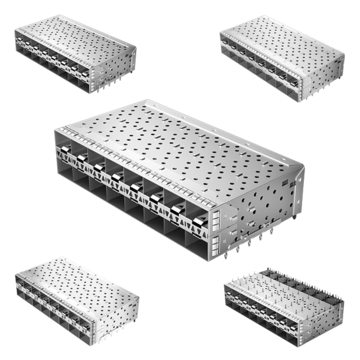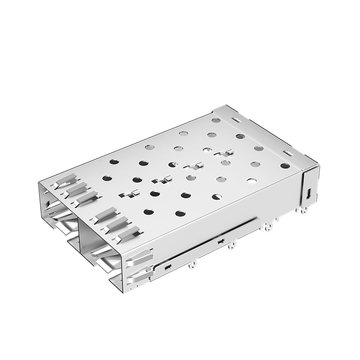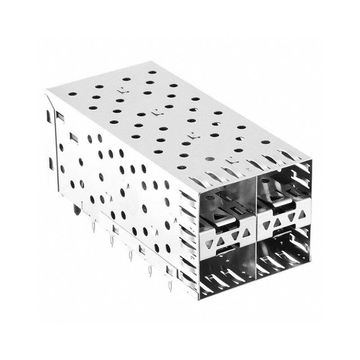
Μπορεί το υλικό δικτύου σας να παραμείνει απόλυτα σταθερό όταν οι θερμοκρασίες περιβάλλοντος κυμαίνονται από το μηδέν σε πολύ χαμηλές θερμοκρασίες έως την καυτή βιομηχανική ζέστη; Η ανάπτυξη ενός βιομηχανικού κλωβού SFP σε εξωτερικούς σταθμούς βάσης, περιβλήματα στην τροχιά ή κόμβους στην άκρη της ερήμου εκθέτει τις συνδέσεις υψηλής ταχύτητας σε έντονη θερμική καταπόνηση που τα τυπικά εξαρτήματα απλά δεν μπορούν να αντέξουν. Όταν οι συνθήκες μεταβάλλονται μεταξύ -55°C και +105°C, ακόμη και η παραμικρή φυσική στρέβλωση μπορεί να προκαλέσει άμεσα απώλεια πακέτων και δαπανηρό χρόνο διακοπής λειτουργίας του δικτύου.
Γιατί τα συνηθισμένα σχέδια υλικού αποτυγχάνουν να προστατεύσουν τα σήματα υψηλής συχνότητας υπό τόσο σοβαρές συνθήκες; Η ταχεία διαστολή και συστολή συχνά χαλαρώνουν τις φυσικές ακίδες, προκαλούν ρωγμές στις συνδέσεις συγκόλλησης και καταστρέφουν την κρίσιμη αντιστοίχιση σύνθετης αντίστασης 100Ω. Για να αντιμετωπιστούν αυτές οι μηχανικές και ηλεκτρικές διαταραχές κατά μέτωπο, LINK-PP ανασχεδιάζει το βιομηχανικό κλουβί SFP από την αρχή — εξαλείφοντας την υποβάθμιση του σήματος σε ολόκληρο το παράθυρο λειτουργίας των 160°C και διασφαλίζοντας άψογη ροή δεδομένων στα πιο αντίξοα περιβάλλοντα.
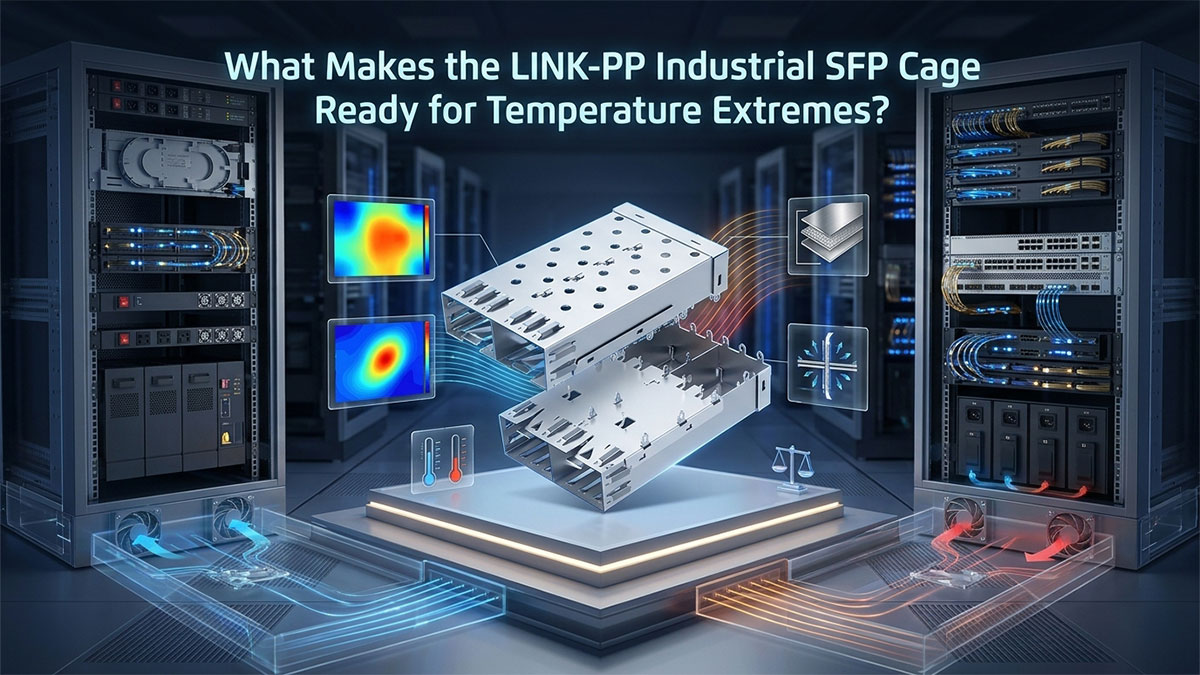
📝 Τι κάνει το LINK-PP Βιομηχανικό κλουβί SFP έτοιμο για ακραίες θερμοκρασίες;
Η πρόληψη της φυσικής στρέβλωσης, των χαλαρών ακίδων και των ραγισμένων αρμών συγκόλλησης που αναφέρθηκαν παραπάνω απαιτεί πολύ περισσότερα από την απλή πάχυνση ενός μεταλλικού σκελετού. Επειδή οι ακραίες διακυμάνσεις μεταξύ -55°C και +105°C επιβάλλουν ταυτόχρονα έντονη μηχανική διαστολή και ηλεκτρική καταπόνηση, η επιβίωση του υλικού βασίζεται σε μια συντονισμένη άμυνα σε επίπεδο συστήματος. LINK-PP αντιμετωπίζει αυτά τα σημεία περιβαλλοντικής αστοχίας μέσω τεσσάρων βασικών μηχανικών πυλώνων: αντίστοιχη θερμική διαστολή, κράματα χαλκού υψηλής αντοχής, ενεργή θερμική απαγωγή και συμβατή τοποθέτηση με πρεσάρισμα.
Αντιστοιχισμένη θερμική διαστολή για να σταματήσει η παραμόρφωση της δομής
Όταν οι θερμοκρασίες κυμαίνονται σε ένα δέλτα 160°C, οι διαφορετικοί ρυθμοί διαστολής μεταξύ των πλακετών κυκλωμάτων, των εσωτερικών συνδέσμων και των μεταλλικών περιβλημάτων δημιουργούν σοβαρές εσωτερικές διατμητικές δυνάμεις. Τα τυπικά περιβλήματα συχνά λυγίζουν ή στρίβουν υπό αυτήν την τάση, μετατοπίζοντας το κρίσιμο βήμα των ακίδων των 0.8 mm και προκαλώντας ανακλάσεις σήματος υψηλής συχνότητας.
LINK-PP λύνει αυτό το πρόβλημα ευθυγραμμίζοντας τον Συντελεστή Θερμικής Διαστολής (CTE) των υλικών του κλωβού με τα τυπικά υποστρώματα PCB και τα κελύφη οπτικών μονάδων. Αυτή η μηχανική ισορροπία αποτρέπει την παραμόρφωση της θύρας και διατηρεί τα χρυσά δάχτυλα του πομποδέκτη τέλεια ομοεπίπεδα με τις επαφές του συνδετήρα για να ασφαλίσει τις κρίσιμες ανοχές σήματος στη θέση τους.
Κράμα χαλκού υψηλής ποιότητας με αντιοξειδωτική επίστρωση
Οι θερμοκρασίες υπό το μηδέν συνήθως καθιστούν τις σφραγισμένες λαμαρίνες εύθραυστες, ενώ η συνεχής θερμότητα κοντά στους +105°C μαλακώνει τα τυπικά κράματα χαλκού και υποβαθμίζει την κανονική τους δύναμη συγκράτησης. Επιπλέον, η παρατεταμένη θερμική έκθεση επιταχύνει την οξείδωση της επιφάνειας, η οποία αυξάνει ραγδαία την αντίσταση επαφής σε κρίσιμες ραφές γείωσης.
Για να αντέξει σε αυτά τα σκληρά κυκλικά περιβάλλοντα, LINK-PP κατασκευάζει τα βιομηχανικά της κλουβιά από ένα άκαμπτο κράμα χαλκού πάχους 0.25 mm, με φινίρισμα από πυκνό στρώμα φραγμού νικελίου. Αυτή η μεταλλουργική στοίβα αποτρέπει τη χαλάρωση της τάσης σε συνθήκες ψύξης και εμποδίζει τη διάχυση ατόμων χαλκού στην μέγιστη θερμότητα, διατηρώντας τόσο τη μηχανική δύναμη του ελατηρίου όσο και τη θωράκιση RF χαμηλής αντίστασης.
Ενσωματωμένες ψύκτρες για την αποφυγή υπερθέρμανσης
Οι οπτικοί πομποδέκτες SFP υψηλής ταχύτητας παράγουν συγκεντρωμένη εσωτερική θερμότητα που δεν μπορεί να διαλυθεί εύκολα μέσα σε σφραγισμένα, εξωτερικά περιβλήματα χωρίς ανεμιστήρα. Εάν παγιδευτεί, αυτή η θερμική ενέργεια ωθεί τις θερμοκρασίες των συνδέσεων λέιζερ πέρα από τα λειτουργικά όρια, με αποτέλεσμα την μετατόπιση του κεντρικού μήκους κύματος και τις πτώσεις των συνδέσεων.
LINK-PP Ενσωματώνει ψύκτρες με προσαρμοσμένα προφίλ πτερυγίων που πιέζουν σταθερά στο περίβλημα της μονάδας πομποδέκτη μέσω ελατηριωτών κλιπ. Αυτή η οδός χαμηλής θερμικής αντίστασης οδηγεί τη θερμότητα απευθείας στη ροή αέρα του πλαισίου και στα επίπεδα γείωσης της πλακέτας τυπωμένου κυκλώματος, καταστέλλοντας τις εσωτερικές θερμοκρασίες της μονάδας για να διατηρούνται τα οπτικά εξαρτήματα εντός ασφαλών ορίων.
Στερέωση με πίεση για την εξάλειψη των ρωγμών στις αρθρώσεις συγκόλλησης
Η επαναλαμβανόμενη θερμική διαστολή και συστολή κατά μήκος του άξονα Z της πλακέτας τυπωμένου κυκλώματος (PCB) ασκεί συνεχή τάση κόπωσης στις παραδοσιακές συνδέσεις επιφανειακής τοποθέτησης και στις συνδέσεις διαμπερούς οπής. Με την πάροδο του χρόνου, αυτός ο θερμικός κύκλος αναπόφευκτα ραγίζει τα εύθραυστα μεσομεταλλικά υλικά της συγκόλλησης, διακόπτοντας τις επιστροφές γείωσης και προκαλώντας διαλείπουσα απώλεια πακέτων.
LINK-PP εξαλείφει τις ευάλωτες συνδέσεις συγκόλλησης από τη διεπαφή κλωβού-πλακέτας χρησιμοποιώντας ελαστικούς πείρους πρεσαριστής τοποθέτησης τύπου «μάτι της βελόνας». Αυτοί οι εύκαμπτοι πείροι ασκούν συνεχή ακτινική τάση ελατηρίου μέσα στις επιμεταλλωμένες διαμπερείς οπές για να απορροφούν δυναμικά τη διαστολή του υποστρώματος, διατηρώντας παράλληλα έναν αδιάσπαστο, αεροστεγή ηλεκτρικό δεσμό.
📝 Γιατί η διαφορική αντίσταση παραμένει σταθερή σε ένα βιομηχανικό κλουβί SFP;
Η επιβίωση σε ακραίες καιρικές συνθήκες είναι μόνο η μισή μάχη — η μετατόπιση της εσωτερικής γεωμετρίας μπορεί να καταστρέψει άμεσα δεδομένα υψηλής ταχύτητας, ακόμη και όταν το εξωτερικό κέλυφος αντέχει. Ακραίες διακυμάνσεις από συνθήκες μηδενικής θερμοκρασίας -55°C έως +105°C θερμότητα περιβάλλοντος αναγκάζουν τα υλικά να διαστέλλονται και να συστέλλονται με διαφορετικούς ρυθμούς, απειλώντας την ακριβή φυσική απόσταση που απαιτείται για μετάδοση υψηλής συχνότητας. LINK-PP Το βιομηχανικό κλουβί SFP αποτρέπει αυτό το πρόβλημα κλειδώνοντας τις ηλεκτρικές οδούς στη θέση τους, διατηρώντας τη διαφορική αντίσταση σταθερή, έτσι ώστε τα σήματα να περνούν καθαρά χωρίς υποβάθμιση.

Διακοπή θερμικής διαστολής από κινούμενες ακίδες επαφής
Όταν οι θερμοκρασίες περιβάλλοντος πέφτουν στους -55°C, τα πλαστικά περιβλήματα συστέλλονται, ενώ η αύξηση των +105°C προκαλεί ταχεία διαστολή των μετάλλων και των μονωτών. Στο τυπικό υλικό, αυτή η λειτουργία ώθησης και έλξης μετατοπίζει το μικροσκοπικό βήμα της ακίδας των 0.8 mm, αλλάζοντας το φυσικό κενό μεταξύ των διαφορικών γραμμών και παραμορφώνοντας τα δεδομένα υψηλής ταχύτητας.
The LINK-PP Το βιομηχανικό κλουβί SFP διατηρεί την ακριβή γεωμετρία των ακίδων χρησιμοποιώντας διάφορα ειδικά κατασκευασμένα μηχανικά χαρακτηριστικά:
- Άκαμπτες νευρώσεις οδηγών ακροδεκτών: Οι χυτευμένες πολυμερείς τροχιές εμποδίζουν φυσικά τις ακίδες να γέρνουν ή να περιπλανώνται υπό θερμότητα.
- Ισορροπημένη προφόρτιση επαφής: Τα εσωτερικά ελατήρια απορροφούν τη θερμική κίνηση ενώ διατηρούν σταθερή την κανονική δύναμη στα μαξιλαράκια του πομποδέκτη.
- Αντιστοιχισμένοι ρυθμοί διαστολής: Η διαστολή του κλωβού ταιριάζει με τη θερμική συμπεριφορά της πλακέτας τυπωμένου κυκλώματος (PCB) μέσω σχεδιασμού με πίεση, εμποδίζοντας τις ακίδες να στρίψουν εκτός θέσης.
Διατήρηση του στόχου των 100Ω χωρίς απόκλιση σήματος
Τα κανάλια υψηλής ταχύτητας απαιτούν αυστηρή διαφορική αντίσταση 100Ω για να αποτρέψουν την ανάκρουση των πακέτων δεδομένων ως θόρυβο. Όταν το παγωμένο κρύο συρρικνώνει τα κενά αέρα ή η ακραία θερμότητα μαλακώνει τα πλαστικά διηλεκτρικά, η χωρητικότητα μεταξύ των ζευγών σημάτων μετατοπίζεται, προκαλώντας απότομες πτώσεις ή αιχμές στην αντίσταση.
Η εσωτερική αρχιτεκτονική του βιομηχανικού κλωβού SFP σταθεροποιεί αυτό το προφίλ 100Ω σε αυστηρά όρια θερμοκρασίας:
- Μηχανικά σχεδιασμένη απόσταση μεταξύ κοιλοτήτων αέρα: Αντισταθμίζει τις αλλαγές στην πλαστική διαπερατότητα μεταξύ -55°C και +105°C.
- Ελεγχόμενη απόσταση από το επίπεδο γείωσης: Διατηρεί μια ακριβή φυσική απόσταση μεταξύ των ακίδων σήματος υψηλής ταχύτητας και της γείωσης του πλαισίου.
- Ομοιόμορφες ζώνες μετάβασης ίχνους: Διατηρεί το ηλεκτρικό όριο απρόσκοπτο στα σημεία επαφής της οπτικής μονάδας με την πλακέτα κεντρικού υπολογιστή.
Μείωση της απώλειας επιστροφής και της απώλειας εισαγωγής σε όρια θερμοκρασίας
Η υπερβολική θερμότητα αυξάνει φυσικά την ηλεκτρική αντίσταση του αγωγού, ενώ το πάγωμα αλλάζει το βάθος της μεταλλικής επικάλυψης, δύο παράγοντες που ενισχύουν την εξασθένηση του σήματος σε ρυθμούς 10G και 25G. Μια κακώς ταιριασμένη σύνδεση υπό υψηλή θερμότητα δημιουργεί ασυνέχειες σύνθετης αντίστασης, οδηγώντας σε υψηλή απώλεια επιστροφής που αντανακλά την ενέργεια πίσω στον πομπό.
The LINK-PP Το βιομηχανικό κλωβό SFP αποτρέπει αυτές τις απώλειες εξασφαλίζοντας σταθερή αντίσταση επαφής και βελτιστοποιημένες διαδρομές θωράκισης RF. Αυτή η δομική σταθερότητα διατηρεί τις καμπύλες απώλειας επιστροφής επίπεδες και περιορίζει την απώλεια εισαγωγής, διασφαλίζοντας ότι οι οπτικοί πομποδέκτες παρέχουν πλήρη ισχύ σήματος χωρίς αιχμές εξασθένησης σε ντουλάπια δίπλα στο δρόμο ή σε δάπεδα θερμών εγκαταστάσεων.
Διατήρηση του περιθωρίου του ματιού σήματος κατά τη διάρκεια γρήγορων μεταβατικών θερμοκρασιών
Οι ξαφνικές θερμοκρασιακές διαταραχές, όπως ένα κρύο εξωτερικό σύστημα που ενεργοποιείται σε πλήρη εσωτερική θερμότητα, συχνά θερμαίνουν τη μία πλευρά ενός συνδέσμου πιο γρήγορα από την άλλη. Αυτή η ανομοιόμορφη θερμική διαστολή προκαλεί διαφορική ασυμμετρία, όπου το ένα μισό του ζεύγους σημάτων υστερεί σε σχέση με το άλλο και κλείνει το περιθώριο όρασης του δέκτη.
Ένα σταθερό βιομηχανικό κλουβί SFP διατηρεί καθαρά τα ανοίγματα του διαγράμματος των ματιών κατά τη διάρκεια αυτών των γρήγορων θερμικών διακυμάνσεων:
- Συμμετρική διάταξη καναλιού: Εξασφαλίζει ότι και οι δύο αγωγοί σε ένα ζεύγος υψηλής ταχύτητας έχουν την ίδια θερμική μάζα και θερμότητα.
- Μηδενική ασυμμετρία εντός ζεύγους: Διατηρεί τα διαφορικά σήματα να φτάνουν ταυτόχρονα για να αποτρέψει το χρονικό τρεμούλιασμα.
- Καθαρή απόσταση από το ύψος του ματιού: Παρέχει μεγάλα κατακόρυφα και οριζόντια περιθώρια τάσης επαρκή για την αποτροπή πτώσεων πακέτων και σφαλμάτων bit σε περίπτωση θερμικών μεταβατικών φαινομένων στη χειρότερη περίπτωση.
📝 Προηγμένα Υλικά Τροφοδοτούν το Βιομηχανικό Κλωβό SFP
Το κλείδωμα της διαφορικής σύνθετης αντίστασης και της ευθυγράμμισης των επαφών υπό σοβαρή θερμοκρασιακή καταπόνηση απαιτεί μια φυσική βάση κατασκευασμένη από εξειδικευμένα βασικά υλικά. Τα τυπικά εμπορικά μέταλλα μαλακώνουν υπό την μέγιστη θερμότητα και τα συνηθισμένα πλαστικά γίνονται εύθραυστα σε βαθιά κατάψυξη, προκαλώντας ηλεκτρική απώλεια και μηχανική δέσμευση. LINK-PP Το βιομηχανικό κλουβί SFP βασίζεται σε μια προηγμένη μεταλλουργική και πολυμερική αρχιτεκτονική σχεδιασμένη ειδικά για να διατηρεί τις φυσικές διαστάσεις και την ηλεκτρική συνέχεια άθικτες από -55°C έως +105°C.

Κράματα χαλκού βηρυλλίου υψηλής αντοχής που διατηρούν καλή επαφή με τα ελατήρια
Ο συμβατικός φωσφορούχος μπρούντζος χάνει την εσωτερική τάση του ελατηρίου όταν εκτίθεται σε συνεχή βιομηχανική θερμότητα, προκαλώντας χαλαρές επαφές και διαλείπουσες πτώσεις σήματος. Για να διατηρηθεί η μη διαρρέουσα δύναμη σύσφιξης, ο βιομηχανικός κλωβός SFP χρησιμοποιεί κράματα υψηλής απόδοσης βηρυλλίου-χαλκού (BeCu) που αντέχουν σε σοβαρή θερμική χαλάρωση χωρίς μόνιμη μηχανική παραμόρφωση.
Η δομική συμπεριφορά αυτού του κράματος υπογραμμίζει γιατί ξεπερνά τα τυπικά μέταλλα επαφής υπό ακραίες λειτουργικές καταπονήσεις:
| Μετρική απόδοσης | Φωσφόρος Bronze | Βηρύλλιο Χαλκός (BeCu) | Επιχειρησιακός αντίκτυπος σε ακραίες συνθήκες |
| Κανονική δύναμη επαφής συγκράτησης | Πτώση κατά >35% πάνω από τους +85°C | Διατηρεί >90% της αρχικής δύναμης έως τους +105°C | Σταματά την μικροτριβή επαφών και τις πτώσεις σήματος |
| Αντοχή σε θραύση σε χαμηλή θερμοκρασία | Γίνεται εύθραυστο κοντά στους -40°C | Διατηρεί την ολκιμότητα έως και -55°C | Αποτρέπει το σπάσιμο των ελατηρίων κατά τη διάρκεια παγώματος |
| Ηλεκτρική αγωγιμότητα | ~15% – 20% ΟΣΔΕ | ~18% – 25% ΟΣΔΕ | Μειώνει την αντίσταση του βρόχου γείωσης για καθαρότερες διαδρομές ρεύματος επιστροφής |
Πλαστικά υψηλής θερμοκρασίας που αντιστέκονται στο ράγισμα και στο μπλοκάρισμα του μανδάλου
Τα τυπικά πλαστικά κλουβιών τείνουν να γίνονται εύθραυστα και να ραγίζουν κατά τη διάρκεια σοβαρών εξωτερικών θερμοκρασιών υπό το μηδέν ή να παραμορφώνονται και να παραμορφώνονται σε κλειστό πλαίσιο διακόπτη που φτάνει τους +105°C. Όταν το πλαστικό του συνδετήρα χαλαρώνει ή στρίβει υπό θερμότητα, οι οδηγοί της μονάδας πομποδέκτη μπλοκάρουν και τα μάνδαλα ασφάλισης παγώνουν στη θέση τους.
The LINK-PP Το βιομηχανικό κλουβί SFP ενσωματώνει υψηλής ποιότητας ενώσεις πολυμερών υγρών κρυστάλλων (LCP) ενισχυμένες με ίνες γυαλιού. Αυτό το υλικό διατηρεί άκαμπτη δομική συμμετρία σε ολόκληρο το εύρος θερμοκρασιών από -55°C έως +105°C, εξαλείφοντας πλήρως τις ρωγμές στο περίβλημα, το μπλοκάρισμα του μανδάλου και τις εσωτερικές μετατοπίσεις διαστάσεων.
Επιχρυσωμένη επένδυση και ανθεκτικές υποστρώματα που αντέχουν στη φθορά
Οι επαναλαμβανόμενες εναλλαγές θερμοκρασίας αναγκάζουν τα γειτονικά μέταλλα να μετατοπίζονται συνεχώς το ένα έναντι του άλλου σε μικροσκοπικό επίπεδο, δημιουργώντας καταστροφική φθορά λόγω τριβής. Χωρίς ισχυρά στρώματα φραγμού, τα άτομα βάσης χαλκού μεταναστεύουν μέσω μικροπόρων στην επιφάνεια στους +105°C, οξειδώνοντας γρήγορα και υποβαθμίζοντας την ηλεκτρική αγωγιμότητα.
Για να αποφευχθεί αυτή η υποβάθμιση του σήματος, το βιομηχανικό κλουβί SFP χρησιμοποιεί ένα μηχανικά σχεδιασμένο σύστημα πολυστρωματικής επιμετάλλωσης:
- Πυκνή υποστρωματική πλάκα νικελίου: Λειτουργεί ως μη πορώδες φράγμα διάχυσης που εμποδίζει τη μετανάστευση χαλκού υπό συνεχείς υψηλές θερμοκρασίες.
- Σκληρό χρυσό φινίρισμα επιφάνειας: Παρέχει μια επιφάνεια ζευγαρώματος χαμηλής αντοχής, χωρίς διάβρωση, που αντέχει σε διαβρωτικές βιομηχανικές ατμόσφαιρες.
- Έλεγχος πόρων υπομικρών διαστάσεων: Προστατεύει τα υποκείμενα στρώματα επαφής από την ατμοσφαιρική οξείδωση κατά τη διάρκεια των γρήγορων μεταβολών της θερμοκρασίας.
Ομαλή εισαγωγή και αξιόπιστη διάρκεια ζωής ζευγαρώματος σε πολλούς κύκλους
Το ακραίο κρύο μπορεί να σκληρύνει τις εσωτερικές επιφάνειες επαφής, ενώ οι παρατεταμένες υψηλές θερμοκρασίες προκαλούν τριβή και φθορά των υποβαθμισμένων επιφανειακών επιστρώσεων κατά την αντικατάσταση μονάδων. Όταν οι μηχανικοί πεδίου αντικαθιστούν πομποδέκτες σε αντίξοα περιβάλλοντα, οι κατεστραμμένες γραμμές επαφής οδηγούν απευθείας σε μη εδραζόμενες μονάδες και πτώση συνδέσμων.
The LINK-PP Το βιομηχανικό κλουβί SFP συνδυάζει την ακριβή λοξοτομή ακμών με εξειδικευμένες επεξεργασίες επιφανειών χαμηλής τριβής:
- Απόδοση Εισαγωγής Αποδεδειγμένη στο Πεδίο: Οι γωνίες εισαγωγής με ακριβή σφράγιση και η ισορροπημένη γεωμετρία ελατηρίου μειώνουν τη δύναμη εισαγωγής έως και 25% σε σύγκριση με τους τυπικούς μέσους όρους του κλάδου, εγγυώμενες πάνω από 100 κύκλους ζευγαρώματος χωρίς χαραγές στην τροχιά, λυγισμένες ακίδες ή φθορά της διεπαφής σήματος σε όλα τα βιομηχανικά όρια θερμοκρασίας.
📝 Πώς μπλοκάρει το βιομηχανικό κλουβί SFP EMI σε ακραίες θερμοκρασίες;
Ενώ τα ανθεκτικά βασικά υλικά αποτρέπουν την εσωτερική τριβή και τη στρέβλωση των ακροδεκτών, πρέπει επίσης να προστατεύουν τις συνδέσεις υψηλής ταχύτητας από τις περιβάλλουσες ηλεκτρομαγνητικές παρεμβολές. Οι δραστικές μετατοπίσεις μεταξύ -55°C και +105°C δημιουργούν ανομοιόμορφη θερμική διαστολή μεταξύ του μεταλλικού κλωβού και του κεντρικού πλαισίου, απειλώντας να διακόψουν τη συνέχεια της επαφής και να δημιουργήσουν σχισμές διαρροής RF. LINK-PP Το βιομηχανικό κλουβί SFP σταματά την ηλεκτρομαγνητική διαρροή πριν ξεκινήσει, διατηρώντας συνεχή σύνδεση γείωσης χαμηλής σύνθετης αντίστασης καθ' όλη τη διάρκεια των ακραίων θερμοκρασιακών κύκλων.

Διατήρηση σταθερής επαφής γείωσης σε παγωμένο κρύο
Θερμοκρασίες υπό το μηδέν έως και -55°C προκαλούν συστολή των μεταλλικών περιβλημάτων, σκληραίνοντας τα ελατήρια και αυξάνοντας τις ανοχές του κενού επαφής κατά μήκος του ανοίγματος της στεφάνης. Εάν οι γλωττίδες γείωσης χάσουν την ελαστική τους συμμόρφωση κατά τη διάρκεια παγώματος, η ηλεκτρική αντίσταση επαφής αυξάνεται απότομα, μετατρέποντας τη ραφή του κλωβού με το πάνελ σε μια ακούσια υποδοχή κεραίας.
The LINK-PP Το βιομηχανικό κλουβί SFP υπερνικά τη συστολή σε χαμηλή θερμοκρασία μέσω βελτιστοποιημένης μηχανικής γεωμετρίας:
- Προφίλ ελατηρίων υψηλής παραμόρφωσης: Διασφαλίστε ότι οι γλωττίδες γείωσης παραμένουν μηχανικά συμπιεσμένες έναντι της οπής του πλαισίου ακόμη και υπό μέγιστη ψυχρή συστολή.
- Ολκιμότητα χαμηλής θερμοκρασίας: Αποτρέπει την ακαμψία ή το σπάσιμο των μεταλλικών δακτύλων γείωσης όταν εισάγονται πομποδέκτες σε ερμάρια πεδίου υπό το μηδέν.
- Αντίσταση γείωσης υπο-milliohm: Εγγυάται μια άμεση διαδρομή χαμηλής αντίστασης προς τη γείωση του πλαισίου για την άμεση διάχυση των ηλεκτροστατικών φορτίων.
Πρόληψη του μαλακώματος των δακτύλων την άνοιξη σε υψηλή θερμότητα
Όταν οι εσωτερικές θερμοκρασίες λειτουργίας εκτοξεύονται στους +105°C, τα τυπικά κράματα χαλκού υποφέρουν από χαλάρωση τάσης, χάνοντας μόνιμα την εξωτερική μηχανική ελατηριωτή τους δύναμη. Μόλις αυτές οι γλωττίδες χαλαρώσουν και αποκολληθούν από το πλαίσιο του πλαισίου, ο ηλεκτρομαγνητικός θόρυβος υψηλής συχνότητας διαφεύγει σε γειτονικά κανάλια ή συνδέεται με τις γραμμές δεδομένων.
Το βιομηχανικό κλουβί SFP χρησιμοποιεί κράματα χαλκού υψηλής ποιότητας με ανώτερη θερμική αντοχή για την καταπολέμηση αυτής της θερμικής υποβάθμισης:
| Παράμετρος θωράκισης | Τυπικά δάχτυλα από κράμα χαλκού | LINK-PP Δάχτυλα ελατηρίου υψηλής θερμοκρασίας | Επίδραση στην απόδοση στους +105°C |
| Διατήρηση τάσης ελατηρίου | Μειώνεται κατά >40% μετά από παρατεταμένη θερμότητα | Διατηρεί >92% της αρχικής προς τα έξω δύναμης | Διατηρεί μηδενική επαφή με το πλαίσιο του πάνελ |
| Μετατόπιση αντίστασης επαφής | Αιχμές >15mΩ λόγω χαλάρωσης | Παραμένει σταθερό σε <2mΩ | Αποτρέπει τη διαφυγή των ακτινοβολούμενων εκπομπών |
| Ελαστική Ανάκτηση | Μόνιμη ρύθμιση/πτώση μετά από θερμή ζευγάρωμα | Ανακτά πλήρως την αρχική γεωμετρία | Εξασφαλίζει αξιοπιστία θωράκισης πολλαπλών κύκλων |
Γείωση 360 μοιρών για προστασία από στερεό θόρυβο
Η γείωση σημείου επαφής αφήνει ευρείες φυσικές ραφές που επιτρέπουν στην ενέργεια RF μικρού μήκους κύματος να παρακάμψει την θωράκιση. LINK-PP Το βιομηχανικό κλουβί SFP περιβάλλει τον οπτικό πομποδέκτη σε μια συνεχή περίμετρο 360 μοιρών από δάκτυλα γείωσης πολλαπλών σημείων, δημιουργώντας ένα αδιάσπαστο κλουβί Faraday γύρω από ολόκληρο το σώμα της μονάδας.
Αυτό το συνεχές περίβλημα εξασφαλίζει ομοιόμορφη κατανομή ρεύματος στα όρια του πλαισίου, ανεξάρτητα από τον θερμικό κύκλο. Διατηρώντας επικαλυπτόμενα σημεία επαφής γύρω από κάθε πλευρά του ανοίγματος, το κλουβί κλείνει εντελώς τις διαδρομές διαρροής RF και προστατεύει τους ευαίσθητους πομποδέκτες από γειτονικά τροφοδοτικά μεταγωγής και κινητήρες.
Διατήρηση καθαρών σημάτων υψηλής ταχύτητας 10G και 25G
Υψηλότεροι ρυθμοί δεδομένων λειτουργούν σε θεμελιώδεις συχνότητες όπου κενά μεγέθους χιλιοστού επιτρέπουν σε αρμονικές υψηλής ενέργειας να διεισδύσουν στις λωρίδες σήματος. Εάν ο ηλεκτρομαγνητικός θόρυβος συζευχθεί σε διαφορικά ζεύγη 10G ή 25G, προκαλεί διακύμανση φάσης, συρρικνώνει το άνοιγμα του οφθαλμού δεδομένων και αυξάνει τον ρυθμό σφάλματος bit (BER).
Το βιομηχανικό κλουβί SFP διατηρεί αυστηρά περιθώρια σήματος προς θόρυβο σε ακραίες θερμικές περιοχές μέσω εστιασμένων μηχανισμών θωράκισης:
- Περιορισμός μεγέθους διαφράγματος: Περιορίζει τις οπές εξαερισμού του κλωβού σε διαστάσεις κατώτερες του μήκους κύματος για να εμποδίζει τις ακτινοβολούμενες παρεμβολές από 10GHz έως 28GHz.
- Απομόνωση αλληλοεπικάλυψης: Προσφέρει πάνω από 60dB απομόνωσης από θύρα σε θύρα στα 10GHz σε συστοιχίες πολλαπλών θυρών, εξαλείφοντας τη σύζευξη θορύβου μεταξύ λωρίδων.
- Καταστολή τρεμοπαίγματος: Διατηρεί καθαρές μεταβάσεις σήματος και μεγάλα περιθώρια όρασης του δέκτη, εξαλείφοντας την απώλεια πακέτων σε θορυβώδη βιομηχανικά περιβάλλοντα.
📝 Καλύτερη θερμική διαχείριση μέσα στο βιομηχανικό κλουβί SFP που προστατεύει τα οπτικά συστήματα
Ενώ η ισχυρή θωράκιση εμποδίζει τις ηλεκτρομαγνητικές παρεμβολές, ένα περίβλημα δεν πρέπει να παγιδεύει θερμότητα γύρω από ευαίσθητους εσωτερικούς πομποδέκτες. Τα οπτικά λέιζερ και τα τσιπ DSP υποβαθμίζονται γρήγορα όταν οι θερμοκρασίες του πυρήνα ανεβαίνουν πέρα από τα ασφαλή λειτουργικά όρια, προκαλώντας μετατόπιση μήκους κύματος και απώλεια μετάδοσης. LINK-PP Το βιομηχανικό κλουβί SFP λειτουργεί ως ενεργή θερμική γέφυρα, διοχετεύοντας αποτελεσματικά τη θερμότητα μακριά από τα κλειστά οπτικά στοιχεία για να διατηρεί αξιόπιστη απόδοση σήματος σε ακραία περιβάλλοντα από -55°C έως +105°C.

Γρήγορη μεταφορά θερμότητας από τον πομποδέκτη στο πλαίσιο
Οι πομποδέκτες υψηλής ταχύτητας παράγουν τοπικές ροές θερμότητας που καθίστανται επικίνδυνες μέσα σε ερμητικά σφραγισμένα βιομηχανικά περιβλήματα. Εάν η θερμότητα δεν μπορεί να διαφύγει από το περίβλημα της μονάδας, οι εσωτερικές δίοδοι λέιζερ απομακρύνονται από τα βαθμονομημένα κεντρικά μήκη κύματος τους, προκαλώντας σοβαρή εξασθένηση της σύνδεσης και σφάλματα bit.
The LINK-PP Το βιομηχανικό κλουβί SFP επιλύει αυτό το πρόβλημα μέσω τοιχωμάτων από κράμα υψηλής αγωγιμότητας και επιφανειών θερμικής επαφής με ελατήριο. Μεγιστοποιώντας την φυσική επαφή της επιφάνειας με το κέλυφος του πομποδέκτη, το κλουβί άγει θερμική ενέργεια κατευθείαν στο πλαίσιο και στα χάλκινα επίπεδα και τις θερμικές οπές της μητρικής πλακέτας με ελάχιστη θερμική αντίσταση.
Επιλογές ψύκτρας για συστήματα υψηλής πυκνότητας
Οι βιομηχανικοί διακόπτες πολλαπλών θυρών που είναι εξοπλισμένοι με πυκνούς οπτικούς πομποδέκτες SFP 10G ή 25G υποφέρουν από σοβαρή θερμική συσσώρευση, όπου οι γειτονικές θύρες θερμαίνονται η μία την άλλη. Χωρίς ειδικές διαδρομές ψύξης, οι κεντρικές θύρες σε ένα κλουβί πολλαπλών θυρών θα υπερθερμανθούν πολύ πριν τα εξωτερικά κανάλια φτάσουν στη μέγιστη χωρητικότητα.
Για να λύσει αυτήν την πρόκληση, το βιομηχανικό κλουβί SFP υποστηρίζει ενσωματωμένες ψύκτρες στο πάνω μέρος με προσαρμοσμένες γεωμετρίες πτερυγίων για ροή αέρα συστήματος από εμπρός προς τα πίσω και από πλευρά σε πλευρά. Οι μηχανισμοί τοποθέτησης με ελατήρια διατηρούν σταθερή προς τα κάτω πίεση στο σώμα της μονάδας, εξασφαλίζοντας συνεχή θερμική απαγωγή ακόμη και όταν οι θερμοκρασίες περιβάλλοντος φτάνουν τους +105°C.
Πρόληψη συσσώρευσης θερμότητας για διακοπή της υπερθέρμανσης της μονάδας
Τα μη αεριζόμενα κλουβιά δημιουργούν τοπικές παγίδες θερμότητας όπου ο στάσιμος ζεστός αέρας ασφυκτιά στα οπτικά εξαρτήματα. Κατά τη διάρκεια της αιχμής της καλοκαιρινής λειτουργίας ή του υψηλού ηλεκτρικού φόρτου εργασίας, αυτή η παγιδευμένη θερμότητα οδηγεί τις θερμοκρασίες των συνδέσεων πέρα από το όριο όπου η οπτική ισχύς του πομπού μειώνεται απότομα.
Το βιομηχανικό κλουβί SFP διαθέτει εγκοπές ροής αέρα με ακριβή σήμανση που προάγουν τη φυσική συναγωγή, διατηρώντας παράλληλα τα μεγέθη των ανοιγμάτων πολύ κάτω από τα κρίσιμα μήκη κύματος για τη διατήρηση της θωράκισης RF υψηλής συχνότητας. Με τη συνεχή εξαέρωση του παγιδευμένου θερμού αέρα μακριά από τη μύτη του πομποδέκτη και τη διεπαφή του συνδετήρα, το κλουβί αποτρέπει τον σχηματισμό τοπικών θερμών σημείων σε μη αεριζόμενα ερμάρια δίπλα στο δρόμο.
Μείωση των εσωτερικών θερμοκρασιών για παράταση της διάρκειας ζωής της μονάδας
Η παρατεταμένη θερμική έκθεση είναι η κύρια αιτία πρόωρης βλάβης του πομπού, καθώς κάθε αύξηση της θερμοκρασίας της επαφής λέιζερ κατά 10°C μειώνει τη διάρκεια ζωής της μονάδας στο μισό. Σε εξωτερικές εφαρμογές όπου παραλείπονται ανεμιστήρες ψύξης για την αποφυγή εισρόφησης σκόνης, η παθητική θερμική μεταφορά είναι η μόνη άμυνα κατά της πρόωρης εξάντλησης του υλικού.
Μειώνοντας τις θερμοκρασίες λειτουργίας στο εσωτερικό της μονάδας κατά 8°C έως 12°C σε σύγκριση με τα συμβατικά μεταλλικά κελύφη, το LINK-PP Το βιομηχανικό κλωβό SFP προστατεύει τους ευαίσθητους εσωτερικούς ημιαγωγούς από θερμική κόπωση. Αυτή η θερμική μείωση διατηρεί σταθερή την ισχύ εξόδου λέιζερ σε σοβαρούς κύκλους ψύξης-απόψυξης, εξασφαλίζοντας δεκαετίες αδιάλειπτης λειτουργίας σε κρίσιμα εξωτερικά δίκτυα.
📝 Η τοποθέτηση με πίεση διατηρεί το κλουβί βιομηχανικού SFP σταθερά στην πλακέτα τυπωμένου κυκλώματος
Ενώ οι αποτελεσματικές θερμικές διαδρομές κατευθύνουν την υπερβολική θερμότητα κατευθείαν στην πλακέτα κυκλώματος, η φυσική σύνδεση που συνδέει το κλουβί με την πλακέτα τυπωμένου κυκλώματος πρέπει να υποστεί σοβαρή μηχανική καταπόνηση. Ο επαναλαμβανόμενος θερμικός κύκλος μεταξύ -55°C και +105°C προκαλεί τη διαστολή των στρωμάτων χαλκού και των υποστρωμάτων FR-4 με διαφορετικούς ρυθμούς, καταπονώντας τις παραδοσιακές βάσεις. LINK-PP Το βιομηχανικό κλουβί SFP ξεπερνά αυτήν την ευπάθεια σε επίπεδο πλακέτας χρησιμοποιώντας ισχυρή τεχνολογία πρεσαριστής προσαρμογής, σχηματίζοντας έναν αεροστεγή μηχανικό δεσμό που παραμένει άκαμπτος χωρίς βλάβες στις αρθρώσεις που παραμορφώνουν το σήμα.

Πιεστικές καρφίτσες έναντι παραδοσιακής συγκόλλησης υπό θερμική καταπόνηση
Η παραδοσιακή συγκόλληση με κύματα ή επανακυκλοφορία αφήνει εύθραυστες διαμεταλλικές οριακές ζώνες που δεν μπορούν να αντέξουν τη συνεχή ώθηση και έλξη της θερμικής διαστολής. Αντίθετα, η τεχνολογία πρεσσαρίσματος αντικαθιστά τις άκαμπτες συνδέσεις συγκόλλησης με ελαστικές, ψυχρής συγκόλλησης πείρους συμμόρφωσης που κάμπτονται δυναμικά κατά μήκος της πλακέτας.
Αυτή η μηχανική διεπαφή προσφέρει θεμελιώδη πλεονεκτήματα σε σχέση με τις συγκολλημένες βάσεις κατά την αντιμετώπιση ακραίων διακυμάνσεων θερμοκρασίας:
- Μηδενικό θερμικό σοκ κατασκευής: Εξαλείφει τη στρέβλωση της πλακέτας τυπωμένου κυκλώματος (PCB) και την κακή ευθυγράμμιση των ακροδεκτών του συνδετήρα που προκαλούνται από την έντονη θερμότητα συγκόλλησης κατά τη συναρμολόγηση.
- Δυναμική ελαστική συμμόρφωση: Η γεωμετρία της καρφίτσας "μάτι-της-βελόνας" κάμπτεται προς τα έξω έναντι των επιμεταλλωμένων διαμπερών οπών, απορροφώντας τις διαστατικές μεταβολές του υποστρώματος από -55°C έως +105°C.
- Συνεχής κανονική δύναμη συγκράτησης: Συγκρατεί τον πείρο σταθερά στον επιμεταλλωμένο κύλινδρο της οπής, αποτρέποντας τα διαλείποντα ανοιχτά κυκλώματα υπό θερμική καταπόνηση.
Πρόληψη ρωγμών στις αρθρώσεις συγκόλλησης κατά τη διάρκεια των κύκλων ψύξης και θέρμανσης
Υπό συνεχείς διακυμάνσεις πεδίου μεταξύ παγωμένων νυχτών και καυστικών ημερών, οι συγκολλημένες συνδέσεις αναπόφευκτα υποφέρουν από θερμική κόπωση χαμηλού κύκλου. Τα κράματα συγκόλλησης γίνονται εύθραυστα σε θερμοκρασίες υπό το μηδέν και σέρνονται υπό υψηλή θερμότητα, τελικά ραγίζοντας κατά μήκος των ορίων των πέλματος και διακόπτοντας τις διαδρομές επιστροφής υψηλής ταχύτητας.
The LINK-PP Το βιομηχανικό κλουβί SFP αποφεύγει εντελώς αυτόν τον μηχανισμό βλάβης, εξαλείφοντας εντελώς την κόλληση. Οι συμβατές ακίδες πρεσαριστής εφαρμογής παράγουν μια συνεχή ακτινική δύναμη επαφής που παραμένει άθικτη κατά τη διάρκεια εκατοντάδων γρήγορων θερμικών σοκ, διασφαλίζοντας ότι οι οδοί γείωσης και οι βρόχοι διαφορικής επιστροφής δεν θα ραγίσουν ή δεν θα χαλαρώσουν ποτέ.
Στερεό κράτημα ενάντια σε ισχυρούς κραδασμούς και μηχανικούς κραδασμούς
Οι σκληρές βιομηχανικές εφαρμογές σε σιδηροδρομικές γραμμές σηματοδότησης, εξοπλισμό εξόρυξης και ανεμογεννήτριες υποβάλλουν συνεχώς το υλικό δικτύωσης σε αδυσώπητους φυσικούς κραδασμούς και αρμονικές δονήσεις. Οι συγκολλήσεις που εκτίθενται σε αυτές τις συνθήκες συχνά αναπτύσσουν μικρορωγμές, ειδικά όταν επιβαρύνονται από βαριές οπτικές μονάδες και ψύκτρες που τοποθετούνται στο πάνω μέρος.
Ο βιομηχανικός κλωβός SFP παρέχει εξαιρετική μηχανική αντοχή για την αποσύνδεση των δομικών φορτίων από κρίσιμα ηλεκτρικά ίχνη υψηλής ταχύτητας:
- Υψηλή δύναμη συγκράτησης: Προσφέρει μηχανική συγκράτηση ώθησης άνω των 40N ανά πείρο για να διατηρεί τα κλουβιά πολλαπλών θυρών αγκυρωμένα κατά τη διάρκεια κρούσεων υψηλού G.
- Απόκριση αρμονικών με απόσβεση: Απορροφά τους δομικούς κραδασμούς ευρείας ζώνης, αποτρέποντας την αναπήδηση της επαφής του συνδετήρα και τις μικροαποσυνδέσεις.
- Ανακούφιση τάσης για λωρίδες σήματος: Αποτρέπει τη σχετική μικροκίνηση μεταξύ του αποτυπώματος του συνδετήρα και της πλακέτας τυπωμένου κυκλώματος, προστατεύοντας τα επιφανειακά τοποθετημένα μαξιλαράκια πομποδέκτη υψηλής συχνότητας από τις καταπονήσεις που προκαλούνται από τα ρυμουλκούμενα καλωδίων και τους κραδασμούς του περιβλήματος.
Σταθερή αντίσταση επαφής για πολλά χρόνια λειτουργίας
Οι διαβρωτικοί ατμοσφαιρικοί ρύποι, η υγρασία και οι υψηλές θερμοκρασίες περιβάλλοντος οξειδώνουν εύκολα τις εκτεθειμένες ηλεκτρικές συνδέσεις, προκαλώντας απότομη αύξηση της αντίστασης επαφής με την πάροδο του χρόνου. Όταν η αντίσταση επαφής κυμαίνεται κατά μήκος των βρόχων γείωσης, αποσταθεροποιεί τις τάσεις αναφοράς και εισάγει διακύμανση φάσης στα κανάλια 10G και 25G.
Οι συμβατές καρφίτσες του LINK-PP Το βιομηχανικό κλουβί SFP δημιουργεί μια πραγματική αεροστεγή διεπαφή με τα επιμεταλλωμένα βαρέλια διαμπερών οπών PCB:
- Αδιαπέραστη ζώνη φραγμού: Σφραγίζει την υγρασία, τα διαβρωτικά βιομηχανικά αέρια και τις ενώσεις θείου για να σταματήσει την οξείδωση στα όρια στους +105°C.
- Σταθερότητα υπο-χιλιοστοώμ: Διατηρεί τις διακυμάνσεις της αντίστασης επαφής εντός ενός στενού περιβλήματος 0.5mΩ για δεκαετίες επιτόπιας χρήσης.
- Αδιάλειπτη ακεραιότητα σύνδεσης: Αποτρέπει την απόκλιση του επιπέδου αναφοράς και διατηρεί αυστηρά περιθώρια σήματος προς θόρυβο σε ακραίες περιβαλλοντικές διάρκειες ζωής.
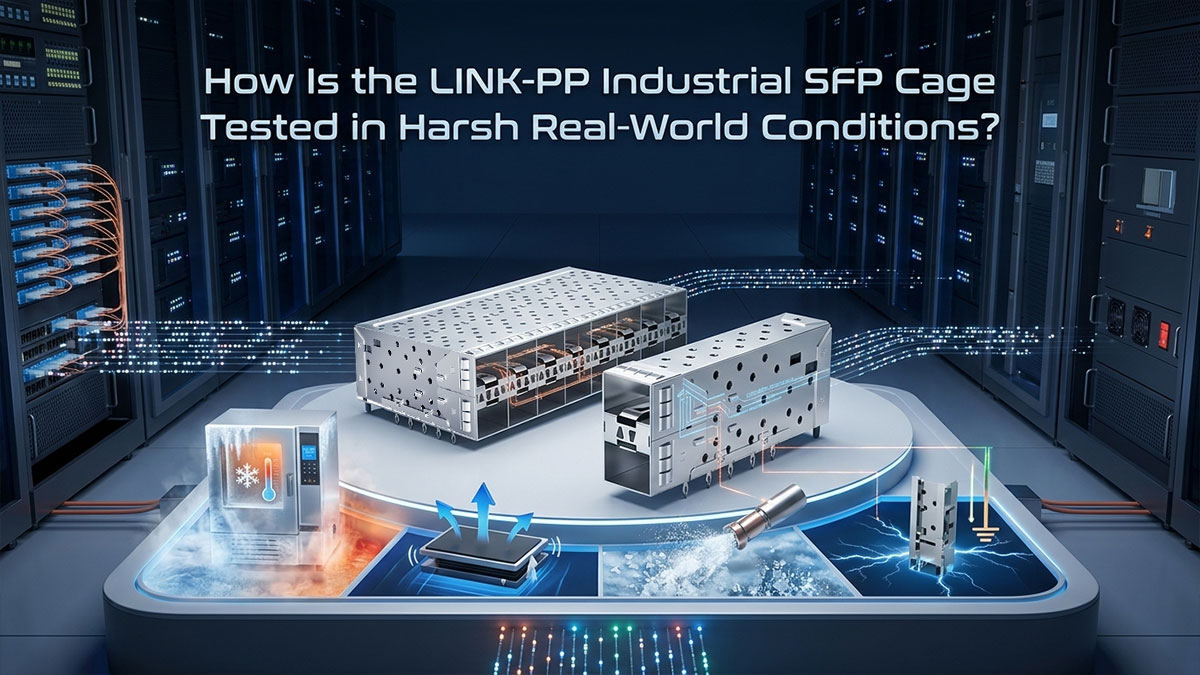
📝 Πώς είναι το LINK-PP Βιομηχανικό κλουβί SFP που δοκιμάστηκε σε σκληρές πραγματικές συνθήκες;
Οι θεωρητικές προσομοιώσεις και οι υψηλής ποιότητας βάσεις στήριξης με πρεσάρισμα παρέχουν τη βάση για ανθεκτικότητα, αλλά η αξιοπιστία στον πραγματικό κόσμο απαιτεί αυστηρή φυσική επικύρωση υπό αυξανόμενη περιβαλλοντική καταπόνηση. Η επικύρωση συνεχούς μετάδοσης δεδομένων υψηλής ταχύτητας σε εύρος λειτουργίας από -55°C έως +105°C απαιτεί δοκιμή υλικού πολύ πέραν των ονομαστικών προδιαγραφών βάσης. LINK-PP Υποβάλλει κάθε βιομηχανικό σχεδιασμό κλωβού SFP σε εκτεταμένες περιβαλλοντικές και ζωντανές εφαρμογές καταπόνησης RF για να εγγυηθεί μηδενική υποβάθμιση σήματος στο πεδίο.
Δοκιμές σοκ σε ψυχρή και θερμή θερμοκρασία
Η παθητική θερμική έκθεση δεν αποκαλύπτει τις στιγμιαίες μηχανικές καταπονήσεις που προκαλούνται από τις γρήγορες μεταβάσεις στις εξωτερικές καιρικές συνθήκες. Για την αναπαραγωγή των πιο σοβαρών εφαρμογών στο πεδίο, τα κλουβιά τοποθετούνται σε περιβαλλοντικούς σταθμούς διπλού θαλάμου που εναλλάσσονται μεταξύ συνθηκών πήξης -55°C και θερμότητας περιβάλλοντος +105°C μέσα σε δευτερόλεπτα.
Αυτή η ταχεία μεταφορά προκαλεί άμεση διαστολή και συστολή σε διαφορετικά υλικά, δοκιμάζοντας τη δομική συνοχή στα φυσικά όρια:
- Θερμικές μεταβάσεις κάτω του λεπτού: Εκθέτει τον κλωβό σε άμεσες μετατοπίσεις δέλτα 160°C με σύντομους χρόνους παραμονής για να αποκαλύψει ρωγμές στο περίβλημα ή κόπωση μετάλλου.
- Συνεχής μηχανική ακεραιότητα: Επιβεβαιώνει ότι οι εσωτερικές νευρώσεις των ακροδεκτών και τα ελατήρια επαφής διατηρούν τη βασική τους γεωμετρία χωρίς να χαλαρώνουν.
- Έλεγχοι διαστατικής σταθερότητας: Επαληθεύει ότι οι μηχανισμοί ασφάλισης των μονάδων και οι ράγες οδήγησης λειτουργούν ομαλά μετά από εκατοντάδες κύκλους θερμικού σοκ.
Πληρώντας αυστηρά πρότυπα αξιοπιστίας τηλεπικοινωνιών και βιομηχανίας
Οι βιομηχανικές εξωτερικές εγκαταστάσεις πρέπει να συμμορφώνονται με αυστηρά κριτήρια ανθεκτικότητας τηλεπικοινωνιών και αυτοματισμού. Αντί να βασίζεται σε εμπορικά καταναλωτικά κριτήρια, ο βιομηχανικός κλωβός SFP υποβάλλεται σε αξιολογήσεις συμμόρφωσης που διέπονται από πρότυπα όπως οι μέθοδοι περιβαλλοντικών δοκιμών Telcordia GR-63-CORE, GR-1217-CORE και IEC 60068.
Αυτά τα πλαίσια απαιτούν παρατεταμένη έκθεση σε αλατούχο ομίχλη, κυκλικές δοκιμές υγρής θερμότητας στους 85°C με 85% σχετική υγρασία και τριαξονική μηχανική καταγραφή κραδασμών. Η επιτυχής ολοκλήρωση αυτών των ολοκληρωμένων σειρών αποδεικνύει ότι ο κλωβός διατηρεί αεροστεγείς δεσμούς ακροδεκτών, διατηρεί την ακεραιότητα της επιχρυσωμένης επένδυσης και αντιστέκεται στην οξείδωση επαφής σε δεκαετίες βιομηχανικής λειτουργίας στο πεδίο.
Δοκιμή ποιότητας σήματος και διαγραμμάτων ματιών εντός του θαλάμου
Οι δοκιμές σε πάγκο μετά την ψύξη ενός δείγματος συχνά παραβλέπουν παροδικές ηλεκτρικές ανωμαλίες που εμφανίζονται μόνο κατά τη διάρκεια ακραίων μέγιστων θερμοκρασιών. LINK-PP Διεξάγει ενεργές μετρήσεις ακεραιότητας σήματος σε πραγματικό χρόνο χρησιμοποιώντας παλμογράφους πραγματικού χρόνου και BERT υψηλής συχνότητας, ενώ ο βιομηχανικός κλωβός SFP παραμένει πλήρως ενεργοποιημένος μέσα στον θερμικό θάλαμο.
Οι μηχανικοί παρακολουθούν συνεχώς τις κρίσιμες μετρήσεις φυσικής στρώσης σε ολόκληρη τη θερμική ράμπα:
- Άνοιγμα ματιών σε πραγματικό χρόνο: Μετρά το ύψος και τα περιθώρια του εσωτερικού πλάτους του ματιού σε ρυθμούς 10G και 25G, ενώ παραμένει σε ακραίες θερμοκρασίες -55°C και +105°C.
- Συνολική παρακολούθηση τρεμοπαίγματος: Εξασφαλίζει ότι το τυχαίο και ντετερμινιστικό τρέμουλο παραμένει σταθερό χωρίς μικροδυσλειτουργίες κατά τη διάρκεια γρήγορων θερμικών διακυμάνσεων.
- Σαρώσεις ορίων σύνθετης αντίστασης: Χρησιμοποιεί ανακλασιμετρία χρονικού πεδίου (TDR) μέσω των τοιχωμάτων του περιβαλλοντικού θαλάμου για να επαληθεύσει ότι η διαφορική σύνθετη αντίσταση παραμένει κλειδωμένη στα 100Ω.
Αποδεικνύοντας μηδενική απώλεια πακέτων σε κρίσιμες εξωτερικές αναπτύξεις
Η συμμόρφωση με το εργαστήριο εξυπηρετεί τελικά έναν στόχο: να διασφαλίσει ότι τα κρίσιμα για την αποστολή δίκτυα δεν θα χάσουν ποτέ κανένα πλαίσιο σε αντίξοες εξωτερικές συνθήκες. Οι εξωτερικοί πύργοι κινητής τηλεφωνίας, οι διακόπτες σιδηροδρόμων και οι κόμβοι στα όρια της ερήμου δεν μπορούν να ανεχθούν διακοπές σήματος που οφείλονται σε μικροαποσυνδέσεις συνδετήρων που προκαλούνται από τη θερμοκρασία.
The LINK-PP Το βιομηχανικό κλουβί SFP εγγυάται άψογη συνεχή απόδοση υπό συνδυασμένο πλήρες ηλεκτρικό φορτίο και εξωτερικές θερμικές ακραίες συνθήκες:
- Απόδοση χωρίς σφάλματα bit: Επιτυγχάνει λειτουργία χωρίς σφάλματα με ρυθμό σφάλματος bit (BER) καλύτερο από 10⁻¹² σε μέγιστα φορτία κυκλοφορίας καναλιού.
- Πρόληψη απώλειας πλαισίων: Εξαλείφει τις απώλειες πακέτων που προκαλούνται από αναπήδηση επαφής, παροδική ασύμμετρη φάση ή τοπική υπερθέρμανση.
- Αξιοπιστία για την ετοιμότητα ανάπτυξης: Παρέχει ασυμβίβαστη αξιοπιστία συνδέσεων για κρίσιμες υποδομές που λειτουργούν σε συνθήκες παγετού στην Αρκτική και σε μη ελεγχόμενες ερημικές περιοχές.
📝 Συμπέρασμα: Συνεργαστείτε με LINK-PP για λύσεις κλωβού SFP υψηλής απόδοσης για βιομηχανικές εφαρμογές

Ο σχεδιασμός υποδομών κρίσιμης σημασίας απαιτεί έναν συνεργάτη οπτικής διασύνδεσης που κατανοεί τις μηχανικές και ηλεκτρικές πραγματικότητες των ακραίων περιβαλλόντων. LINK-PP Παρέχει ειδικά σχεδιασμένες βιομηχανικές λύσεις SFP cage που εξαλείφουν την απώλεια σήματος υψηλής ταχύτητας, την τριβή επαφών και τη θερμική παραμόρφωση σε όλο το εύρος λειτουργίας από -55°C έως +105°C. Δεκαετίες εξειδικευμένης κατασκευαστικής εμπειρίας και αυστηρών περιβαλλοντικών δοκιμών διασφαλίζουν ότι κάθε σύνδεσμος διατηρεί κλειδωμένη σύνθετη αντίσταση 100Ω και αδιάσπαστη ακεραιότητα σύνδεσης υπό έντονη βιομηχανική καταπόνηση.
Συνεργασία με LINK-PP παρέχει στους μηχανικούς υλικού πρόσβαση σε αποδεδειγμένα σχέδια συνδέσμων, προσαρμοσμένες επιλογές ψύκτρας και άμεση μηχανική υποστήριξη για ανθεκτικές εφαρμογές. Επισκεφθείτε το LINK-PP Επίσημο κατάστημα για να εξερευνήσετε επιλογές βιομηχανικού κλωβού SFP υψηλής αξιοπιστίας και να εξοπλίσετε τους εξωτερικούς σταθμούς βάσης επόμενης γενιάς, τα συστήματα παρατρόχιας γραμμής και τους απομακρυσμένους κόμβους άκρων με συνδεσιμότητα μηδενικών απωλειών.