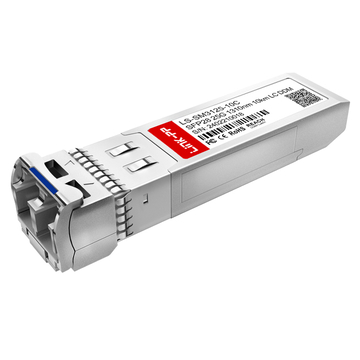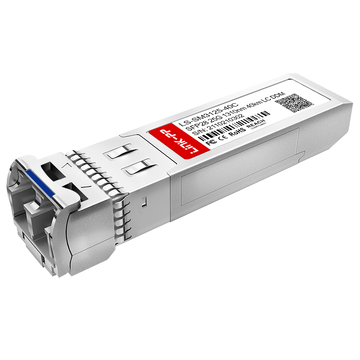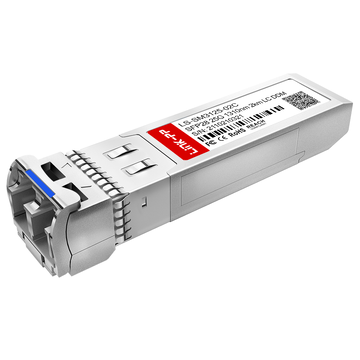
Καθώς οι υποδομές δικτύου συνεχίζουν να εξελίσσονται προς υψηλότερο εύρος ζώνης και χαμηλότερη καθυστέρηση, το Ethernet 25Gbps έχει γίνει μια σημαντική επιλογή συνδεσιμότητας για εταιρικά δίκτυα, κέντρα δεδομένων και πλατφόρμες ασφαλείας. Οι οπτικοί πομποδέκτες όπως ο Fortinet FG-TRAN-SFP28-LR βοηθούν στην υποστήριξη συνδέσεων οπτικών ινών μεγάλων αποστάσεων παρέχοντας αξιόπιστη μετάδοση 25G μέσω μονοτροπικής οπτικής ίνας, καθιστώντας τους κατάλληλους για περιβάλλοντα δικτύου υψηλής απόδοσης.
Με την αυξανόμενη ζήτηση για ευέλικτες επιλογές ανάπτυξης και συντήρησης, η κατανόηση των προδιαγραφών, των εφαρμογών και των απαιτήσεων συμβατότητας του FG-TRAN-SFP28-LR έχει καταστεί απαραίτητη. Η αξιολόγηση μιας κατάλληλης συμβατής αντικατάστασης απαιτεί προσεκτική εξέταση της οπτικής απόδοσης, της αναγνώρισης συσκευών και των απαιτήσεων υποδομής δικτύου. LINK-PP Οι συμβατές λύσεις παρέχουν μια εναλλακτική προσέγγιση για οργανισμούς που αναζητούν αξιόπιστη οπτική συνδεσιμότητα 25G.
Αυτό το άρθρο παρέχει μια λεπτομερή ανάλυση του Fortinet FG-TRAN-SFP28-LR, συμπεριλαμβανομένων:
- Τεχνικές προδιαγραφές και οπτικά χαρακτηριστικά
- Συνήθη σενάρια ανάπτυξης και περιβάλλοντα εφαρμογών
- Βασικοί παράγοντες συμβατότητας για την επιλογή μιας λύσης αντικατάστασης
Εξερευνώντας αυτές τις πτυχές, αυτός ο οδηγός βοηθά τους επαγγελματίες δικτύων να κατανοήσουν καλύτερα το FG-TRAN-SFP28-LR και να λαμβάνουν τεκμηριωμένες αποφάσεις κατά τον σχεδιασμό ή την επέκταση των αναπτύξεων δικτύου 25G.
🏆 Τι είναι το Fortinet FG-TRAN-SFP28-LR;
Ο Fortinet FG-TRAN-SFP28-LR είναι ένας οπτικός πομποδέκτης μεγάλης εμβέλειας 25G SFP28 σχεδιασμένος για να παρέχει συνδεσιμότητα οπτικών ινών υψηλής ταχύτητας για συμβατές συσκευές δικτύου Fortinet. Χρησιμοποιεί τεχνολογία μήκους κύματος 1310nm μέσω μονοτροπικής οπτικής ίνας (SMF) και υποστηρίζει αποστάσεις μετάδοσης έως και 10 km, καθιστώντας τον κατάλληλο για εταιρικά δίκτυα, κέντρα δεδομένων και υποδομές ασφαλείας που απαιτούν αξιόπιστες συνδέσεις Ethernet μεγάλων αποστάσεων 25Gbps.
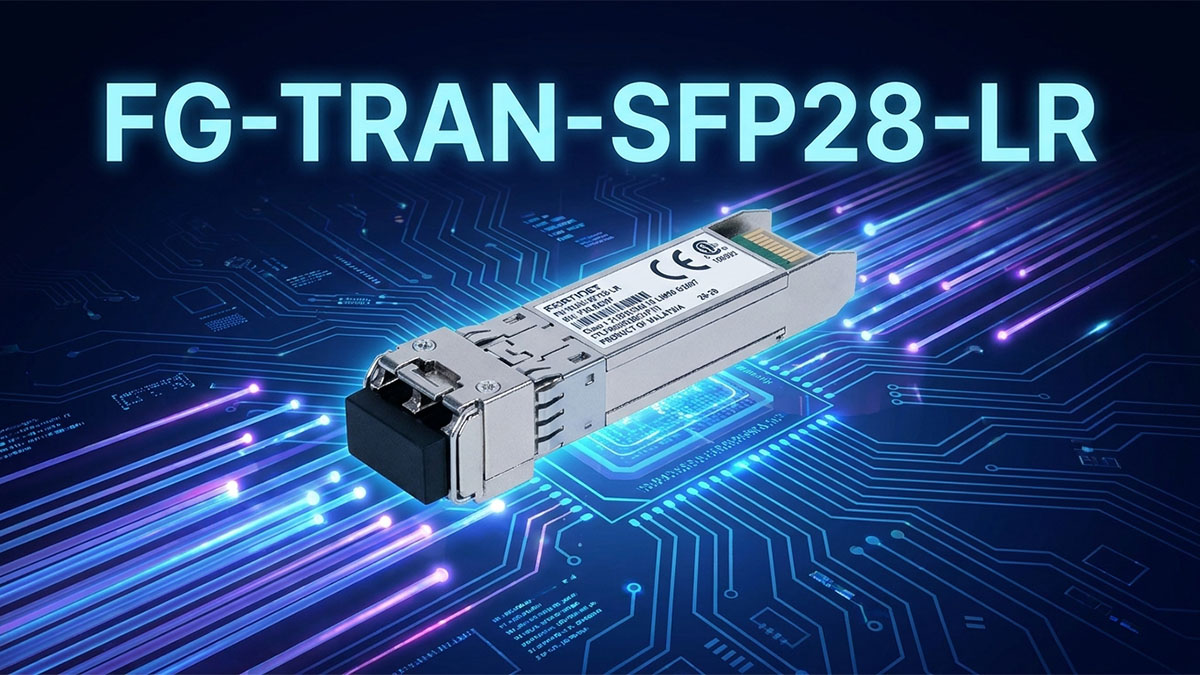
Επισκόπηση του Fortinet FG-TRAN-SFP28-LR
Το Fortinet FG-TRAN-SFP28-LR είναι μια οπτική μονάδα με δυνατότητα σύνδεσης που βασίζεται στον συντελεστή μορφής SFP28 και έχει σχεδιαστεί για εφαρμογές Ethernet 25GBASE-LR. Επιτρέπει επικοινωνία υψηλού εύρους ζώνης μεταξύ συσκευών δικτύου, διατηρώντας παράλληλα το συμπαγές μέγεθος και την ενεργειακή απόδοση που απαιτείται στα σύγχρονα περιβάλλοντα μεταγωγής και ασφάλειας.
Τα βασικά χαρακτηριστικά του FG-TRAN-SFP28-LR περιλαμβάνουν:
- Συντελεστής μορφής SFP28 για εξοπλισμό Ethernet 25G
- Υποστήριξη για μετάδοση δεδομένων 25Gbps
- Οπτικό μήκος κύματος 1310nm για επικοινωνία μεγάλων αποστάσεων
- Συμβατότητα με μονοτροπικές οπτικές ίνες για εκτεταμένη εμβέλεια
- Διεπαφή σύνδεσης διπλής όψης LC για τυπικές συνδέσεις οπτικών ινών
- Απόσταση μετάδοσης έως και 10 χλμ. υπό κατάλληλες συνθήκες οπτικής ίνας
Αυτός ο συνδυασμός ταχύτητας, εμβέλειας και συμβατότητας καθιστά το FG-TRAN-SFP28-LR ένα σημαντικό στοιχείο συνδεσιμότητας για δίκτυα που απαιτούν μεγαλύτερο εύρος ζώνης από τις λύσεις 10G, διατηρώντας παράλληλα την υπάρχουσα υποδομή οπτικών ινών.
Ο ρόλος του FG-TRAN-SFP28-LR στην σύγχρονη υποδομή δικτύου
Το FG-TRAN-SFP28-LR διαδραματίζει κρίσιμο ρόλο στη σύνδεση συσκευών δικτύου υψηλής απόδοσης όπου οι οπτικές μονάδες μικρής εμβέλειας δεν μπορούν να ανταποκριθούν στις απαιτήσεις απόστασης. Η δυνατότητα μεγάλης εμβέλειας επιτρέπει στους οργανισμούς να δημιουργούν σταθερές συνδέσεις 25G σε μεγαλύτερες φυσικές περιοχές, διατηρώντας παράλληλα αποτελεσματική μετάδοση δεδομένων.
Οι συνήθεις ρόλοι δικτύου του FG-TRAN-SFP28-LR περιλαμβάνουν:
- Σύνδεση συσκευών ασφαλείας Fortinet με διακόπτες upstream ή downstream
- Υποστήριξη ανοδικών ζεύξεων υψηλής ταχύτητας σε περιβάλλοντα εταιρικού δικτύου
- Επέκταση συνδέσεων οπτικών ινών μεταξύ εξοπλισμού κέντρου δεδομένων
- Παροχή αξιόπιστης επικοινωνίας μεταξύ κατανεμημένων τοποθεσιών δικτύου
Καθώς η κίνηση στο δίκτυο συνεχίζει να αυξάνεται λόγω των υπηρεσιών cloud, της εικονικοποίησης και των εφαρμογών ασφαλείας, οι οπτικές μονάδες 25G όπως η FG-TRAN-SFP28-LR παρέχουν μια πρακτική διαδρομή μετάβασης από συνδέσεις χαμηλότερης ταχύτητας, υποστηρίζοντας παράλληλα τις μελλοντικές απαιτήσεις εύρους ζώνης.
Για τους οργανισμούς που αξιολογούν συμβατές εναλλακτικές λύσεις, η κατανόηση των προδιαγραφών και του σκοπού ανάπτυξης της αρχικής ενότητας είναι το πρώτο βήμα για τον εντοπισμό μιας κατάλληλης λύσης αντικατάστασης.
🏆 Τεχνικές Προδιαγραφές Fortinet FG-TRAN-SFP28-LR
Ο Fortinet FG-TRAN-SFP28-LR είναι ένας οπτικός πομποδέκτης SFP28 25GBASE-LR σχεδιασμένος για μετάδοση Ethernet μεγάλων αποστάσεων μέσω μονοτροπικής οπτικής ίνας. Οι βασικές προδιαγραφές του περιλαμβάνουν μετάδοση δεδομένων 25Gbps, λειτουργία μήκους κύματος 1310nm, συνδεσιμότητα LC διπλής όψης και μέγιστη απόσταση μετάδοσης 10km, καθιστώντας τον κατάλληλο για ανάπτυξη δικτύων υψηλής ταχύτητας σε επιχειρήσεις και κέντρα δεδομένων.
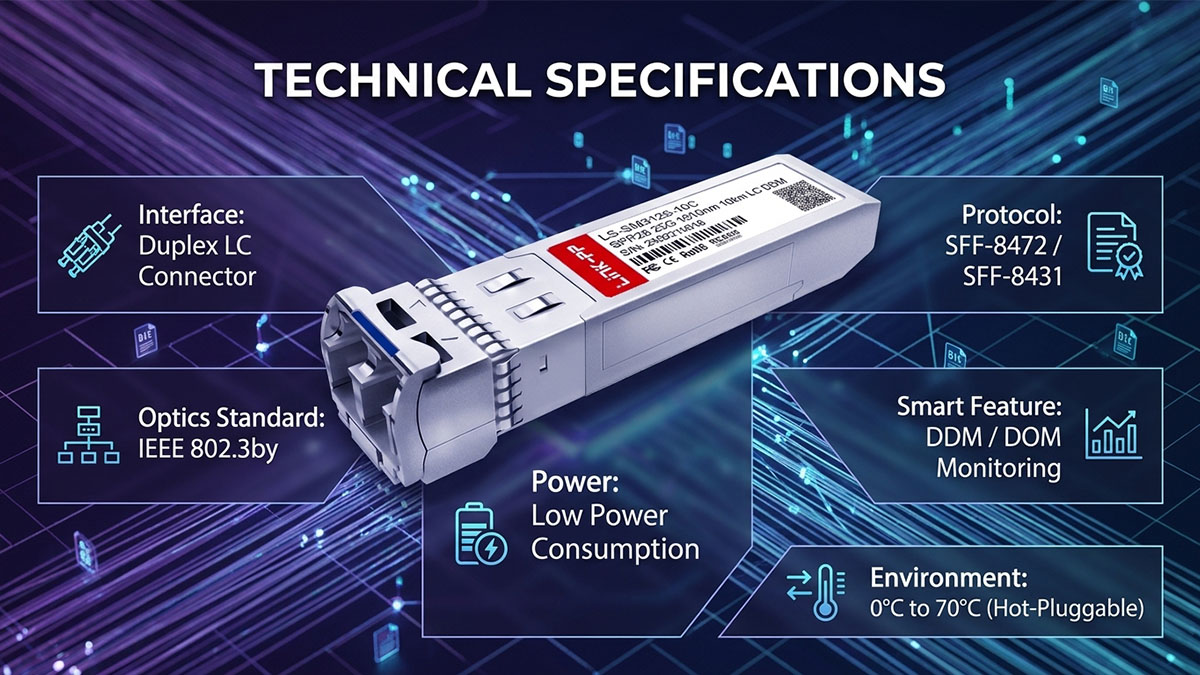
Παράμετροι οπτικής απόδοσης
Τα οπτικά χαρακτηριστικά του FG-TRAN-SFP28-LR καθορίζουν την ικανότητα μετάδοσης, τις απαιτήσεις οπτικών ινών και τη συμβατότητά του με την υπάρχουσα οπτική υποδομή. Αυτές οι παράμετροι είναι ιδιαίτερα σημαντικές κατά την αξιολόγηση μιας συμβατής αντικατάστασης, καθώς η εναλλακτική μονάδα πρέπει να διατηρεί παρόμοια οπτική απόδοση για να διασφαλίζει σταθερή λειτουργία σύνδεσης.
Οι κύριες οπτικές προδιαγραφές του FG-TRAN-SFP28-LR περιλαμβάνουν:
| Παράμετρος | Χαρακτηριστικά |
|---|---|
| Οπτικό πρότυπο | 25GBASE-LR |
| Ρυθμός δεδομένων | 25.78Gbps |
| Μήκος κύματος | 1310nm |
| Τύπος ινών | Μονότροπη ίνα (SMF) |
| Απόσταση μετάδοσης | Έως 10km |
| Τύπος συνδέσμου | Διπλό LC |
| Οπτική παρακολούθηση | Ψηφιακή Διαγνωστική Παρακολούθηση (DOM) |
Το μήκος κύματος των 1310nm είναι βελτιστοποιημένο για μετάδοση οπτικών ινών μονής λειτουργίας σε μεγάλες αποστάσεις, ενώ η εμβέλεια των 10km καθιστά το FG-TRAN-SFP28-LR κατάλληλο για συνδέσεις που απαιτούν μεγαλύτερη κάλυψη από τις λύσεις πολλαπλών λειτουργιών μικρής εμβέλειας. Κατά την ανάπτυξη μιας συμβατής μονάδας, θα πρέπει επίσης να λαμβάνονται υπόψη παράγοντες όπως η ποιότητα των οπτικών ινών, η απώλεια σύνδεσης και ο προϋπολογισμός οπτικής ισχύος, για τη διατήρηση αξιόπιστης απόδοσης.
Ηλεκτρικά χαρακτηριστικά και χαρακτηριστικά διεπαφής
Το FG-TRAN-SFP28-LR χρησιμοποιεί τον παράγοντα μορφής SFP28 για να παρέχει μια συμπαγή διεπαφή Ethernet 25G για συμβατές πλατφόρμες Fortinet. Η ηλεκτρική διεπαφή έχει σχεδιαστεί για να υποστηρίζει μετάδοση δεδομένων υψηλής ταχύτητας διατηρώντας παράλληλα τα χαρακτηριστικά χαμηλής ισχύος που απαιτούνται για πυκνές αναπτύξεις δικτύου.
Σημαντικά ηλεκτρικά και τεχνικά χαρακτηριστικά περιλαμβάνουν:
- Συνδεόμενος συντελεστής μορφής SFP28 για εξοπλισμό δικτύου 25G
- Υποστήριξη για μετάδοση δεδομένων Ethernet 25Gbps
- Σχεδιασμός με δυνατότητα σύνδεσης εν ώρα λειτουργίας για απλοποιημένη εγκατάσταση και συντήρηση
- Υποστήριξη σειριακής ταυτότητας PROM για την αναγνώριση συσκευών
- Δυνατότητα ψηφιακής παρακολούθησης για επιχειρησιακές πληροφορίες σε πραγματικό χρόνο
- Χαμηλή κατανάλωση ενέργειας κατάλληλη για εφαρμογές υψηλής πυκνότητας
Η διεπαφή SFP28 επιτρέπει στους παρόχους δικτύου να ενσωματώνουν οπτικές συνδέσεις υψηλότερης ταχύτητας σε υπάρχουσα υποδομή χωρίς να απαιτούνται μεγαλύτερες μορφές οπτικών μονάδων. Αυτό καθιστά το FG-TRAN-SFP28-LR κατάλληλο για εφαρμογές όπου η πυκνότητα θυρών και η ενεργειακή απόδοση είναι σημαντικά ζητήματα.
Πληροφορίες για τα Πρότυπα και τη Συμμόρφωση
Το FG-TRAN-SFP28-LR ακολουθεί τις προδιαγραφές των βιομηχανικών προτύπων για την υποστήριξη της διαλειτουργικότητας μεταξύ οπτικών μονάδων και εξοπλισμού δικτύου. Η συμμόρφωση με τα αναγνωρισμένα οπτικά και μηχανικά πρότυπα βοηθά στη διασφάλιση της συνεπούς απόδοσης σε διαφορετικά περιβάλλοντα ανάπτυξης.
Τα κύρια χαρακτηριστικά που σχετίζονται με τη συμμόρφωση περιλαμβάνουν:
- Υποστήριξη προτύπου IEEE 802.3by για Ethernet 25GBASE-LR
- Μηχανικές προδιαγραφές SFP28
- Συμβατότητα ψηφιακής διαγνωστικής παρακολούθησης SFF-8472
- Σχεδιασμός συμβατός με συμφωνίες πολλαπλών πηγών (MSA)
- Περιβαλλοντική συμμόρφωση με την RoHS
Αυτά τα πρότυπα παρέχουν τη βάση για αξιόπιστη επικοινωνία μεταξύ συμβατών συσκευών. Όταν επιλέγετε ένα LINK-PP Συμβατή αντικατάσταση για το FG-TRAN-SFP28-LR, η επαλήθευση αυτών των προδιαγραφών βοηθά να διασφαλιστεί ότι η μονάδα μπορεί να ικανοποιήσει τις ίδιες απαιτήσεις δικτύου.
Λειτουργικά και Περιβαλλοντικά Χαρακτηριστικά
Το λειτουργικό περιβάλλον επηρεάζει άμεσα τη σταθερότητα και τη διάρκεια ζωής των οπτικών πομποδεκτών. Το FG-TRAN-SFP28-LR έχει σχεδιαστεί για τυπικά περιβάλλοντα κέντρων δεδομένων και εταιρικών δικτύων με εμπορικό εύρος θερμοκρασίας.
Βασικά περιβαλλοντικά χαρακτηριστικά περιλαμβάνουν:
- Εύρος θερμοκρασίας λειτουργίας: 0°C έως 70°C
- Υποστήριξη hot-plug για ευκολότερη συντήρηση
- Υποστήριξη για συνεχή μετάδοση δεδομένων υψηλής ταχύτητας
- Σχεδιασμένο για σενάρια ανάπτυξης σε επιχειρήσεις και κέντρα δεδομένων
Αυτές οι περιβαλλοντικές προδιαγραφές επιτρέπουν στο FG-TRAN-SFP28-LR να λειτουργεί αξιόπιστα σε ελεγχόμενα περιβάλλοντα δικτύου. Για τον σχεδιασμό αντικατάστασης, ο έλεγχος των απαιτήσεων θερμοκρασίας και των συνθηκών εγκατάστασης βοηθά στην πρόληψη προβλημάτων απόδοσης μετά την ανάπτυξη.
🏆 Εφαρμογές Fortinet FG-TRAN-SFP28-LR σε περιβάλλοντα δικτύου
Το Fortinet FG-TRAN-SFP28-LR χρησιμοποιείται κυρίως για οπτικές συνδέσεις μεγάλων αποστάσεων 25GBASE-LR σε εταιρικά δίκτυα, κέντρα δεδομένων και υποδομές ασφαλείας. Με δυνατότητα μετάδοσης 25Gbps, υποστήριξη μονοτροπικής οπτικής ίνας 1310nm και εμβέλεια έως και 10 χλμ., επιτρέπει αξιόπιστη επικοινωνία υψηλής ταχύτητας μεταξύ συσκευών δικτύου που απαιτούν μεγαλύτερη απόσταση και εύρος ζώνης από ό,τι μπορούν να παρέχουν οι οπτικές λύσεις μικρής εμβέλειας.
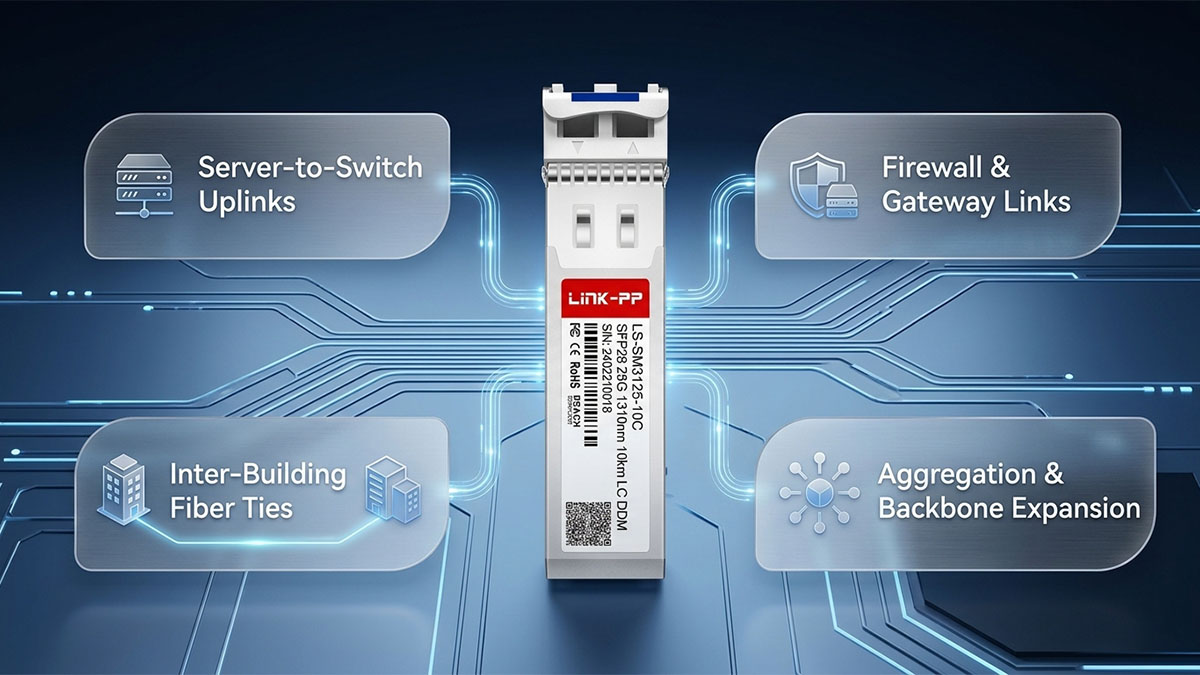
Συνδεσιμότητα Κέντρου Δεδομένων Επιχείρησης
Το FG-TRAN-SFP28-LR αναπτύσσεται ευρέως σε κέντρα δεδομένων επιχειρήσεων για την υποστήριξη συνδέσεων υψηλού εύρους ζώνης μεταξύ διακοπτών, συσκευών ασφαλείας και συστημάτων συγκέντρωσης. Η δυνατότητα μετάδοσης 10 χλμ. επιτρέπει στους οργανισμούς να επεκτείνουν συνδέσμους 25G πέρα από τις παραδοσιακές συνδέσεις κέντρων δεδομένων μικρής απόστασης, χρησιμοποιώντας παράλληλα την τυπική υποδομή οπτικών ινών μονής λειτουργίας.
Τυπικές εφαρμογές κέντρων δεδομένων για επιχειρήσεις περιλαμβάνουν:
- Σύνδεση συσκευών ασφαλείας Fortinet με διακόπτες πυρήνα ή συγκέντρωσης
- Υποστήριξη ανοδικών ζεύξεων υψηλής ταχύτητας μεταξύ επιπέδων δικτύου
- Παροχή συνδεσιμότητας οπτικών ινών σε διαφορετικές περιοχές κέντρων δεδομένων
- Ενεργοποίηση εφαρμογών που απαιτούν μεγάλο εύρος ζώνης, όπως υπηρεσίες cloud και πλατφόρμες εικονικοποίησης
Σε αυτά τα περιβάλλοντα, το FG-TRAN-SFP28-LR βοηθά τους διαχειριστές δικτύων να βελτιώσουν την χωρητικότητα σύνδεσης χωρίς να αντικαταστήσουν την υπάρχουσα καλωδίωση οπτικών ινών. Παρέχει μια πρακτική λύση για οργανισμούς που μεταβαίνουν από δίκτυα 10G σε αρχιτεκτονικές Ethernet 25G.
Αναπτύξεις Υποδομών Ασφαλείας
Το FG-TRAN-SFP28-LR έχει επίσης σχεδιαστεί για περιβάλλοντα ασφαλείας υψηλής απόδοσης όπου οι πλατφόρμες Fortinet απαιτούν σταθερές οπτικές συνδέσεις για επιθεώρηση κυκλοφορίας και προστασία δικτύου. Η Fortinet παραθέτει το FG-TRAN-SFP28-LR ως πομποδέκτη μεγάλης εμβέλειας 25G SFP28 για συστήματα εξοπλισμένα με διεπαφές SFP28, καθιστώντας το κατάλληλο για συνδεσιμότητα συσκευών ασφαλείας υψηλής ταχύτητας.
Τα συνηθισμένα σενάρια υποδομής ασφαλείας περιλαμβάνουν:
- Συνδέσεις uplink από firewall σε switch
- Υλοποιήσεις πύλης ασφαλείας υψηλής απόδοσης
- Περιβάλλοντα τμηματοποίησης δικτύου
- Επέκταση αρχιτεκτονικής ασφάλειας κέντρου δεδομένων
Καθώς τα φόρτα εργασίας ασφαλείας αυξάνονται λόγω της κρυπτογραφημένης ανάλυσης κίνησης, της προηγμένης προστασίας από απειλές και της παρακολούθησης εφαρμογών, οι οπτικές συνδέσεις υψηλότερης ταχύτητας αποκτούν ολοένα και μεγαλύτερη σημασία. Το FG-TRAN-SFP28-LR βοηθά στη διατήρηση επαρκούς χωρητικότητας δικτύου μεταξύ των συσκευών ασφαλείας και της ευρύτερης υποδομής.
Σύνδεσμοι Δικτύου Πανεπιστημιούπολης και Μητροπολιτικής Περιοχής
Το FG-TRAN-SFP28-LR είναι κατάλληλο για περιβάλλοντα δικτύων πανεπιστημιουπόλεων και μητροπολιτικών περιοχών όπου οι συσκευές είναι κατανεμημένες σε πολλά κτίρια ή τοποθεσίες. Ο συνδυασμός εύρους ζώνης 25Gbps και μετάδοσης οπτικών ινών μονής λειτουργίας 10 χιλιομέτρων επιτρέπει στις ομάδες δικτύου να δημιουργούν αποτελεσματικές οπτικές συνδέσεις σε εκτεταμένες αποστάσεις.
Τα συνηθισμένα σενάρια ανάπτυξης περιλαμβάνουν:
- Συνδέσεις οπτικών ινών μεταξύ κτιρίων
- Σύνδεσμοι κορμού πανεπιστημιούπολης
- Συνδέσεις κατανεμημένου εταιρικού δικτύου
- Επεκτάσεις δικτύου απομακρυσμένων εγκαταστάσεων
Σε σύγκριση με τις πολυτροπικές μονάδες μικρής εμβέλειας, η προδιαγραφή LR παρέχει μεγαλύτερη ευελιξία όταν οι αποστάσεις των οπτικών ινών υπερβαίνουν τις τυπικές απαιτήσεις rack ή δωματίου σε επίπεδο κέντρου δεδομένων. Αυτό την καθιστά κατάλληλη επιλογή για οργανισμούς που διαχειρίζονται μεγαλύτερα φυσικά περιβάλλοντα δικτύου.
Σενάρια επέκτασης δικτύου υψηλού εύρους ζώνης
Το FG-TRAN-SFP28-LR μπορεί να υποστηρίξει έργα επέκτασης δικτύου όπου η υπάρχουσα υποδομή χρειάζεται επιπλέον χωρητικότητα εύρους ζώνης. Χρησιμοποιώντας συνδεσιμότητα 25G που βασίζεται στο SFP28, οι οργανισμοί μπορούν να αυξήσουν την απόδοση του δικτύου διατηρώντας παράλληλα τη συμβατότητα με τις σύγχρονες πλατφόρμες μεταγωγής και ασφάλειας.
Τυπικές εφαρμογές επέκτασης περιλαμβάνουν:
- Αναβάθμιση συνδέσεων Ethernet από 10G σε 25G
- Αύξηση της χωρητικότητας του δικτύου συγκέντρωσης
- Υποστήριξη των αυξανόμενων απαιτήσεων για κίνηση δεδομένων
- Προετοιμασία υποδομής για μελλοντικές απαιτήσεις εύρους ζώνης
Κατά την ανάπτυξη του FG-TRAN-SFP28-LR ή μιας συμβατής λύσης αντικατάστασης, οι διαχειριστές δικτύου θα πρέπει να αξιολογούν παράγοντες όπως η συμβατότητα των συσκευών, η διαθεσιμότητα οπτικών ινών, ο προϋπολογισμός οπτικής ισχύος και η απόσταση μετάδοσης, για να διασφαλίζουν σταθερή μακροπρόθεσμη λειτουργία. Αυτές οι παράμετροι είναι ιδιαίτερα σημαντικές κατά την ενσωμάτωση. LINK-PP συμβατές εναλλακτικές λύσεις σε υπάρχοντα περιβάλλοντα δικτύου που βασίζονται στο Fortinet.
🏆 Γιατί να εξετάσετε ένα LINK-PP Συμβατό ανταλλακτικό για FG-TRAN-SFP28-LR;
A LINK-PP Η συμβατή αντικατάσταση για το Fortinet FG-TRAN-SFP28-LR παρέχει μια ευέλικτη επιλογή οπτικής συνδεσιμότητας για οργανισμούς που χρειάζονται να διατηρήσουν την απόδοση του δικτύου 25G, βελτιώνοντας παράλληλα την ευελιξία ανάπτυξης. Μια σωστά προσαρμοσμένη συμβατή μονάδα έχει σχεδιαστεί για να διατηρεί βασικές προδιαγραφές όπως μετάδοση 25Gbps, λειτουργία μήκους κύματος 1310nm, υποστήριξη οπτικής ίνας single-mode και εμβέλεια 10km, επιτρέποντάς της να ενσωματώνεται σε υπάρχοντα περιβάλλοντα δικτύου όταν επαληθεύονται οι απαιτήσεις συμβατότητας.
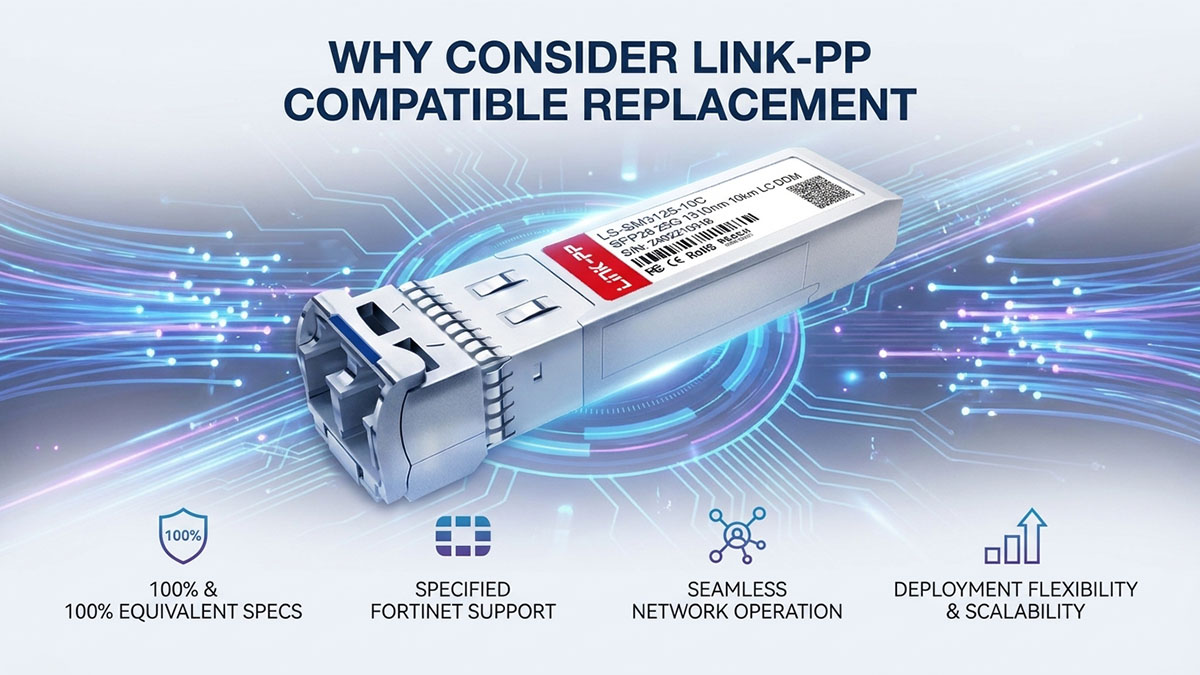
Οφέλη από Συμβατές Οπτικές Λύσεις
Μια συμβατή εναλλακτική λύση FG-TRAN-SFP28-LR (LINK-PP Το LS-SM3125-10C) μπορεί να βοηθήσει τους οργανισμούς να απλοποιήσουν την επέκταση και τη συντήρηση του δικτύου παρέχοντας μια πρόσθετη επιλογή προμήθειας για οπτική συνδεσιμότητα 25G. Η κύρια αξία προέρχεται από τη διατήρηση της απαιτούμενης τεχνικής απόδοσης, υποστηρίζοντας παράλληλα πιο ευέλικτο σχεδιασμό υποδομών.
Βασικά οφέλη ενός LINK-PP συμβατή λύση περιλαμβάνει:
- Υποστήριξη για εφαρμογές Ethernet 25GBASE-LR με ισοδύναμες απαιτήσεις μετάδοσης
- Σχεδιασμός με επίκεντρο τη συμβατότητα για περιβάλλοντα δικτύου Fortinet
- Υποστήριξη για συνδέσεις οπτικών ινών μονής λειτουργίας 1310nm έως 10km
- Ενσωμάτωση τύπου SFP28 με υπάρχοντα εξοπλισμό δικτύου
- Διαθεσιμότητα πρόσθετων επιλογών για επέκταση δικτύου και σχεδιασμό αντικατάστασης
Για τα εταιρικά δίκτυα και τα κέντρα δεδομένων, η επιλογή μιας συμβατής οπτικής μονάδας δεν αφορά μόνο την αντιστοίχιση της φυσικής διεπαφής. Οι οπτικές προδιαγραφές, η αναγνώριση συσκευών και η λειτουργική σταθερότητα πρέπει να λαμβάνονται υπόψη για να διασφαλιστεί η αξιόπιστη επικοινωνία μετά την ανάπτυξη.
Σύγκριση μεταξύ πρωτότυπων και συμβατών ενοτήτων
Ένα κατάλληλο ανταλλακτικό συμβατό με FG-TRAN-SFP28-LR θα πρέπει να παρέχει τεχνικά χαρακτηριστικά που ευθυγραμμίζονται με τις απαιτήσεις της αρχικής μονάδας. Η αντιστοίχιση βασικών παραμέτρων βοηθά στην ελαχιστοποίηση πιθανών προβλημάτων συμβατότητας και υποστηρίζει τη συνεπή απόδοση του δικτύου.
Οι κύριες τεχνικές ομοιότητες που πρέπει να αξιολογηθούν περιλαμβάνουν:
| Χαρακτηριστικό | Fortinet FG-TRAN-SFP28-LR | LINK-PP LS-SM3125-10C |
|---|---|---|
| Συντελεστής μορφής | SFP28 | SFP28 |
| Πρότυπο Ethernet | 25GBASE-LR | 25GBASE-LR |
| Ρυθμός δεδομένων | 25Gbps | 25Gbps |
| Μήκος κύματος | 1310nm | 1310nm |
| Τύπος ινών | Ίνες μονής λειτουργίας | Ίνες μονής λειτουργίας |
| Απόσταση μετάδοσης | Έως 10km | Έως 10km |
Αυτές οι προδιαγραφές αντιπροσωπεύουν τις βασικές απαιτήσεις για οπτική συνδεσιμότητα 25G μεγάλης εμβέλειας. Πριν από την ανάπτυξη, οι ομάδες δικτύου θα πρέπει επίσης να επαληθεύσουν τη συμβατότητα των συσκευών, την αναγνώριση υλικολογισμικού και την οπτική απόδοση, για να διασφαλίσουν ότι η λύση αντικατάστασης λειτουργεί σωστά εντός του περιβάλλοντος-στόχου.
Βελτίωση της ευελιξίας ανάπτυξης
Η χρήση μιας συμβατής λύσης αντικατάστασης μπορεί να προσφέρει μεγαλύτερη ευελιξία κατά τον σχεδιασμό αναβαθμίσεων δικτύου, δραστηριοτήτων συντήρησης ή επέκτασης υποδομής. Αντί να βασίζονται σε μία μόνο πηγή μονάδων, οι οργανισμοί μπορούν να αξιολογήσουν λύσεις με βάση τις τεχνικές απαιτήσεις, τη διαθεσιμότητα και τις συνθήκες ανάπτυξης.
Συνήθεις περιπτώσεις όπου μπορεί να ληφθεί υπόψη μια συμβατή εναλλακτική λύση FG-TRAN-SFP28-LR περιλαμβάνουν:
- Επέκταση υφιστάμενων συνδέσεων δικτύου 25G
- Αντικατάσταση οπτικών μονάδων κατά τη διάρκεια συντήρησης δικτύου
- Τυποποίηση λύσεων πομποδέκτη σε πολλαπλά περιβάλλοντα
- Υποστήριξη μακροπρόθεσμων στρατηγικών διαχείρισης υποδομών
Μια ευέλικτη στρατηγική πομποδέκτη επιτρέπει στους διαχειριστές δικτύου να ανταποκρίνονται πιο αποτελεσματικά στις μεταβαλλόμενες απαιτήσεις εύρους ζώνης, διατηρώντας παράλληλα τη συμβατότητα με τα υπάρχοντα οπτικά συστήματα.
🏆 Ζητήματα συμβατότητας για αντικατάσταση FG-TRAN-SFP28-LR
Ένα κατάλληλο ανταλλακτικό FG-TRAN-SFP28-LR πρέπει να ταιριάζει τόσο με τις οπτικές απαιτήσεις της αρχικής μονάδας όσο και με τις λειτουργικές απαιτήσεις της πλατφόρμας Fortinet. Η αναγνώριση συσκευής, η υποδομή οπτικών ινών, η απόσταση μετάδοσης και η οπτική απόδοση θα πρέπει να επαληθεύονται πριν από την ανάπτυξη, για να μειωθεί ο κίνδυνος αστάθειας σύνδεσης ή προβλημάτων συμβατότητας.
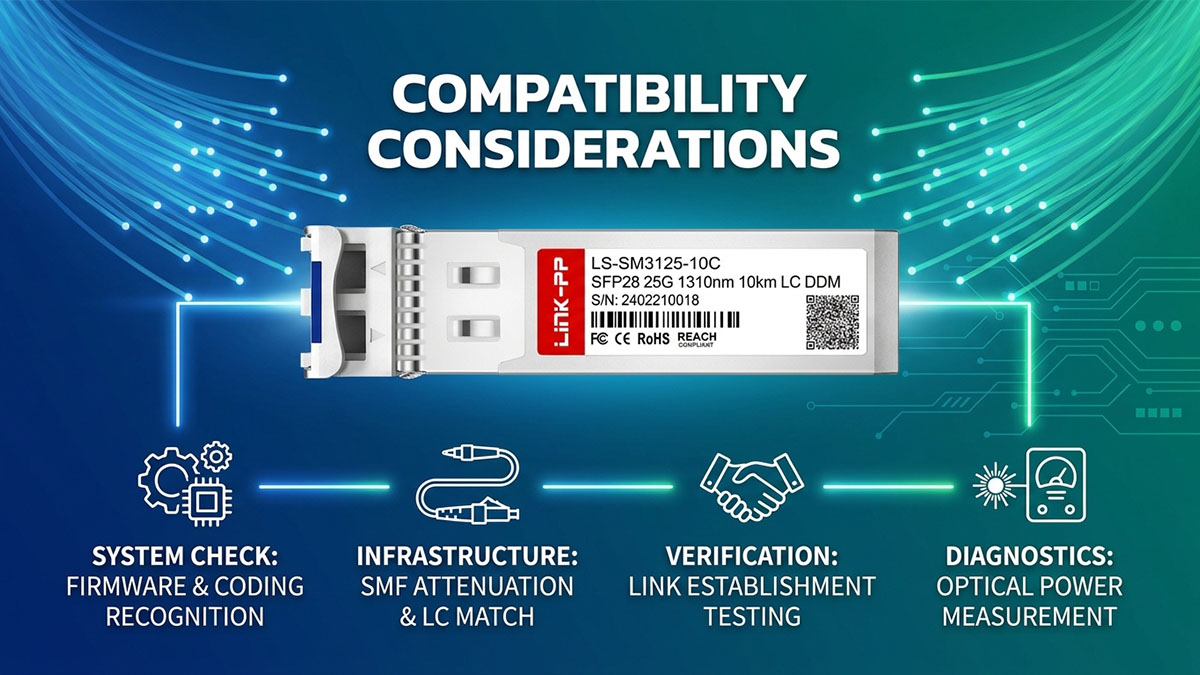
Συμβατότητα πλατφόρμας Fortinet
Ο πρώτος έλεγχος συμβατότητας είναι εάν η μονάδα αντικατάστασης αναγνωρίζεται και υποστηρίζεται από τη συσκευή-στόχο Fortinet. Η αντιστοίχιση του συντελεστή μορφής SFP28 και των οπτικών προδιαγραφών από μόνη της δεν εγγυάται την επιτυχή λειτουργία, επειδή ο εξοπλισμός δικτύου μπορεί επίσης να χρησιμοποιήσει πληροφορίες αναγνώρισης και κωδικοποίησης μονάδας για την επικύρωση των εγκατεστημένων πομποδεκτών.
Πριν από την ανάπτυξη, οι διαχειριστές δικτύου θα πρέπει να ελέγξουν:
- Το ακριβές μοντέλο διακόπτη, τείχους προστασίας ή συσκευής ασφαλείας Fortinet
- Διαθεσιμότητα διεπαφής SFP28 στη συσκευή-στόχο
- Απαιτήσεις κωδικοποίησης πομποδέκτη και αναγνώρισης συσκευής
- Συμβατότητα υλικολογισμικού και λογισμικού
- Υποστήριξη ψηφιακής διαγνωστικής παρακολούθησης
- Απαιτήσεις επικύρωσης ειδικά για τον προμηθευτή
A LINK-PP Συνεπώς, η συμβατή λύση FG-TRAN-SFP28-LR θα πρέπει να αξιολογείται σε σχέση με την συγκεκριμένη πλατφόρμα Fortinet και όχι να αντιμετωπίζεται ως καθολικά συμβατή με κάθε συσκευή που χρησιμοποιεί θύρα SFP28. Η επιβεβαίωση της συμβατότητας της πλατφόρμας πριν από την εγκατάσταση βοηθά στην αποφυγή καταστάσεων όπου η φυσική σύνδεση έχει δημιουργηθεί αλλά ο πομποδέκτης δεν αναγνωρίζεται σωστά.
Απαιτήσεις Υποδομής Οπτικών Ινών
Η υπάρχουσα υποδομή οπτικών ινών πρέπει επίσης να ταιριάζει με τα οπτικά χαρακτηριστικά του αντικαταστάτη FG-TRAN-SFP28-LR. Επειδή η προδιαγραφή LR προορίζεται για μετάδοση μεγάλων αποστάσεων μέσω μονοτροπικής οπτικής ίνας, η χρήση του σωστού τύπου οπτικής ίνας, σύνδεσης και αρχιτεκτονικής σύνδεσης είναι απαραίτητη για αξιόπιστη επικοινωνία 25G.
Οι κύριες απαιτήσεις υποδομής περιλαμβάνουν:
- Μονότροπη οπτική ίνα (SMF) για την οπτική σύνδεση
- Διπλές υποδοχές LC συμβατές με τη διεπαφή του πομποδέκτη
- Απόσταση σύνδεσης εντός του ονομαστικού εύρους μετάδοσης της μονάδας
- Αποδεκτή εξασθένηση ινών και απώλεια εισαγωγής
- Σωστά καθαρισμένοι και επιθεωρημένοι οπτικοί σύνδεσμοι
- Κατάλληλα πάνελ σύνδεσης, προσαρμογείς και εξαρτήματα διανομής οπτικών ινών
Η ποιότητα της οπτικής ίνας αποκτά ολοένα και μεγαλύτερη σημασία καθώς αυξάνεται η απόσταση μετάδοσης. Ακόμα και όταν η μονάδα αντικατάστασης ταιριάζει με το απαιτούμενο μήκος κύματος και ρυθμό δεδομένων, η υπερβολική εξασθένηση, η κατεστραμμένη οπτική ίνα ή οι μολυσμένες υποδοχές μπορούν να εμποδίσουν την αξιόπιστη λειτουργία της οπτικής σύνδεσης.
Επαλήθευση απόδοσης δικτύου
Η συμβατότητα θα πρέπει τελικά να επιβεβαιώνεται μέσω της πραγματικής απόδοσης του δικτύου και όχι μόνο της φυσικής εγκατάστασης. Μετά την εγκατάσταση ενός ανταλλακτικού FG-TRAN-SFP28-LR, οι διαχειριστές θα πρέπει να επαληθεύσουν ότι η μονάδα δημιουργεί την αναμενόμενη σύνδεση 25G και λειτουργεί εντός αποδεκτών οπτικών και δικτυακών παραμέτρων.
Μια πρακτική διαδικασία επαλήθευσης θα πρέπει να περιλαμβάνει:
- Επιβεβαιώστε ότι η πλατφόρμα Fortinet αναγνωρίζει τον εγκατεστημένο πομποδέκτη.
- Ελέγξτε την κατάσταση της διεπαφής και την ταχύτητα διαπραγμάτευσης σύνδεσης.
- Εξετάστε τις διαθέσιμες ψηφιακές διαγνωστικές πληροφορίες.
- Μετρήστε ή ελέγξτε την οπτική ισχύ μετάδοσης και λήψης όταν είναι απαραίτητο.
- Παρακολουθήστε τα σφάλματα πακέτων, τα σφάλματα CRC και τα πτερύγια σύνδεσης κατά τη λειτουργία.
- Δοκιμή κυκλοφορίας σε ολόκληρη τη διαδρομή οπτικής ίνας.
Αυτοί οι έλεγχοι βοηθούν στον εντοπισμό προβλημάτων που προκαλούνται από την αναγνώριση μονάδων, την απώλεια οπτικών ινών, τις συνθήκες σύνδεσης ή την μη φυσιολογική οπτική ισχύ. Για τα δίκτυα παραγωγής, η δοκιμή ολόκληρης της σύνδεσης πριν από την ευρύτερη ανάπτυξη παρέχει μεγαλύτερη σιγουριά ότι μια συμβατή αντικατάσταση μπορεί να παρέχει σταθερή συνδεσιμότητα 25G υπό κανονικές συνθήκες κυκλοφορίας.
🏆 Πώς να αξιολογήσετε μια αντικατάσταση συμβατή με Fortinet FG-TRAN-SFP28-LR
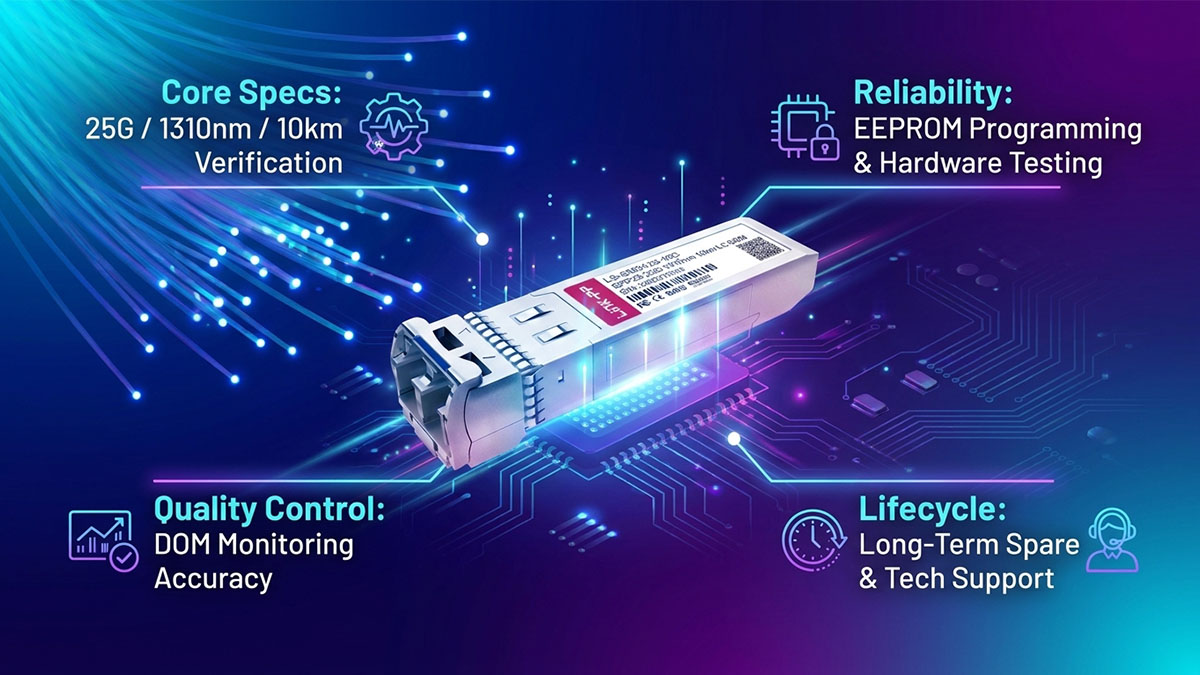
Μια μονάδα αντικατάστασης συμβατή με Fortinet FG-TRAN-SFP28-LR θα πρέπει να αξιολογηθεί συγκρίνοντας τις βασικές οπτικές προδιαγραφές, τη συμβατότητα της πλατφόρμας και τις απαιτήσεις μακροπρόθεσμης ανάπτυξης με τις ανάγκες του υπάρχοντος δικτύου. Μια μονάδα που ταιριάζει με τα απαιτούμενα χαρακτηριστικά 25GBASE-LR αλλά δεν πληροί τις απαιτήσεις αναγνώρισης συσκευής ή λειτουργίας ενδέχεται να μην αποτελεί πρακτική αντικατάσταση.
Επαλήθευση Βασικών Τεχνικών Προδιαγραφών
Το πρώτο βήμα είναι να επιβεβαιωθεί ότι η συμβατή μονάδα ταιριάζει με τα βασικά χαρακτηριστικά μετάδοσης που απαιτούνται από το δίκτυο. Αυτές οι προδιαγραφές καθορίζουν άμεσα εάν η αντικατάσταση μπορεί να υποστηρίξει την υπάρχουσα οπτική σύνδεση 25G.
Οι κύριες παράμετροι που πρέπει να επαληθευτούν περιλαμβάνουν:
- Δυνατότητα μετάδοσης δεδομένων 25Gbps
- Υποστήριξη Ethernet 25GBASE-LR
- Μήκος κύματος λειτουργίας 1310nm
- Συμβατότητα μονότροπων οπτικών ινών
- Απόσταση μετάδοσης έως 10 χλμ.
- Συντελεστής μορφής SFP28
- Διπλή οπτική διεπαφή LC
- Κατάλληλη οπτική ισχύς και ευαισθησία δέκτη
Αυτές οι παράμετροι θα πρέπει να αξιολογούνται μαζί και όχι μεμονωμένα. Για παράδειγμα, μια μονάδα SFP28 25G που λειτουργεί σε διαφορετικό μήκος κύματος ή έχει σχεδιαστεί για πολυτροπική ίνα ενδέχεται να μην αποτελεί κατάλληλο υποκατάστατο για μια εφαρμογή LR, ακόμη και αν χρησιμοποιεί τον ίδιο φυσικό παράγοντα μορφής.
Ελέγξτε την αναγνώριση και την αξιοπιστία της συσκευής
Η αναγνώριση της συσκευής είναι μια άλλη σημαντική παράμετρος, επειδή η αντικατάσταση πρέπει να λειτουργεί σωστά εντός της προβλεπόμενης πλατφόρμας Fortinet. Η φυσική εγκατάσταση από μόνη της δεν επιβεβαιώνει τη συμβατότητα. Η συσκευή δικτύου πρέπει να αναγνωρίζει τη μονάδα και να παρέχει κανονική λειτουργία διεπαφής.
Σημαντικοί παράγοντες αξιολόγησης περιλαμβάνουν:
- Συμβατότητα με το συγκεκριμένο μοντέλο συσκευής Fortinet
- Σωστή αναγνώριση πομποδέκτη μέσω πληροφοριών EEPROM
- Υποστήριξη για ψηφιακή οπτική παρακολούθηση
- Σταθερή αρχικοποίηση διεπαφής
- Συνεπής δημιουργία συνδέσμων
- Αξιόπιστη λειτουργία υπό συνεχή κυκλοφορία
Μια σωστά προγραμματισμένη συμβατή μονάδα θα πρέπει να παρέχει τις πληροφορίες αναγνώρισης που απαιτούνται από την κεντρική συσκευή, διατηρώντας παράλληλα τα οπτικά χαρακτηριστικά που αναμένονται για την εφαρμογή. Η δοκιμή της μονάδας στην πραγματική πλατφόρμα-στόχο πριν από την ανάπτυξη σε μεγάλη κλίμακα μπορεί να βοηθήσει στον εντοπισμό προβλημάτων αναγνώρισης ή που σχετίζονται με το υλικολογισμικό.
Αξιολόγηση των μακροπρόθεσμων απαιτήσεων ανάπτυξης
Η μακροπρόθεσμη καταλληλότητα εξαρτάται από περισσότερα από την αρχική συμβατότητα συνδέσμων. Μια στρατηγική αντικατάστασης θα πρέπει επίσης να λαμβάνει υπόψη την επέκταση του δικτύου, τις απαιτήσεις συντήρησης, τη διαθεσιμότητα μονάδων και την τεχνική υποστήριξη, έτσι ώστε η επιλεγμένη λύση να παραμείνει πρακτική καθ' όλη τη διάρκεια του κύκλου ζωής της υποδομής.
Οι διαχειριστές δικτύου θα πρέπει να αξιολογούν:
- Διαθεσιμότητα ανταλλακτικών μονάδων για μελλοντική συντήρηση
- Συνέπεια των προδιαγραφών σε πολλαπλές ενότητες
- Υποστήριξη για την προγραμματισμένη επέκταση του δικτύου 25G
- Απαιτήσεις θερμοκρασίας λειτουργίας
- Δυνατότητες διαγνωστικής παρακολούθησης
- Διασφάλιση ποιότητας και διαδικασίες δοκιμών
- Τεχνική υποστήριξη και τεκμηρίωση προϊόντος
Αυτοί οι παράγοντες αποκτούν ιδιαίτερη σημασία όταν πολλαπλές συσκευές Fortinet χρησιμοποιούν την ίδια οπτική μονάδα. Η τυποποίηση συμβατών πομποδεκτών μπορεί να απλοποιήσει τη διαχείριση και τη συντήρηση αποθεμάτων, μειώνοντας παράλληλα την πολυπλοκότητα της μελλοντικής επέκτασης του δικτύου.
Πριν από την ανάπτυξη, η τελική αξιολόγηση θα πρέπει επομένως να συνδυάζει την αντιστοίχιση προδιαγραφών, τη συμβατότητα της πλατφόρμας Fortinet, τον έλεγχο οπτικών συνδέσεων και τις μακροπρόθεσμες παραμέτρους εφοδιασμού. Αυτή η προσέγγιση παρέχει μια πιο αξιόπιστη βάση για τον προσδιορισμό του κατά πόσον ένα LINK-PP Η συμβατή αντικατάσταση FG-TRAN-SFP28-LR είναι κατάλληλη για το προβλεπόμενο περιβάλλον δικτύου.
🏆 Συχνές ερωτήσεις
Ποιος είναι ο κύριος σκοπός του Fortinet FG-TRAN-SFP28-LR;
Το Fortinet FG-TRAN-SFP28-LR έχει σχεδιαστεί για να παρέχει οπτική συνδεσιμότητα μεγάλης εμβέλειας 25G για συμβατές συσκευές δικτύου Fortinet, υποστηρίζοντας επικοινωνία υψηλής ταχύτητας μέσω μονοτροπικής οπτικής ίνας.
Είναι το FG-TRAN-SFP28-LR κατάλληλο για αναβάθμιση από δίκτυα 10G;
Ναι. Το FG-TRAN-SFP28-LR μπορεί να υποστηρίξει αναβαθμίσεις δικτύου από 10G σε 25G Ethernet όταν η υπάρχουσα υποδομή και οι συνδεδεμένες συσκευές υποστηρίζουν διεπαφές SFP28.
Ποιος τύπος σύνδεσης χρησιμοποιείται από το FG-TRAN-SFP28-LR;
Το FG-TRAN-SFP28-LR χρησιμοποιεί μια διεπαφή διπλής σύνδεσης LC για σύνδεση με συμβατά συστήματα καλωδίωσης οπτικών ινών μονής λειτουργίας.
Απαιτείται κωδικοποίηση ειδική για τη συσκευή για μια συμβατή αντικατάσταση FG-TRAN-SFP28-LR;
Ναι. Η μονάδα αντικατάστασης θα πρέπει να περιλαμβάνει κατάλληλη κωδικοποίηση συμβατότητας και πληροφορίες αναγνώρισης για να διασφαλιστεί η σωστή αναγνώριση από την πλατφόρμα-στόχο Fortinet.
Μπορεί το FG-TRAN-SFP28-LR να χρησιμοποιηθεί με πολυτροπική ίνα;
Όχι. Το FG-TRAN-SFP28-LR έχει σχεδιαστεί για εφαρμογές μονοτροπικών οπτικών ινών και δεν προορίζεται για αναπτύξεις πολυτροπικών οπτικών ινών.
Ποιος είναι ο πιο σημαντικός παράγοντας κατά την επιλογή ενός ανταλλακτικού FG-TRAN-SFP28-LR;
Ο πιο σημαντικός παράγοντας είναι η αντιστοίχιση των οπτικών προδιαγραφών της μονάδας αντικατάστασης και των απαιτήσεων συμβατότητας συσκευών με το υπάρχον περιβάλλον δικτύου Fortinet.
🏆 Συμπέρασμα
Ο Fortinet FG-TRAN-SFP28-LR είναι ένας οπτικός πομποδέκτης SFP28 25GBASE-LR σχεδιασμένος για επικοινωνία μονοτροπικής οπτικής ίνας μεγάλων αποστάσεων, παρέχοντας συνδεσιμότητα 25Gbps σε αποστάσεις έως και 10 km με τεχνολογία μήκους κύματος 1310nm. Για οργανισμούς που αξιολογούν μια αντικατάσταση συμβατή με FG-TRAN-SFP28-LR, η αντιστοίχιση των οπτικών προδιαγραφών, η συμβατότητα της πλατφόρμας Fortinet και οι απαιτήσεις ανάπτυξης είναι απαραίτητες για τη διατήρηση αξιόπιστης απόδοσης δικτύου. LINK-PP Οι συμβατές εναλλακτικές λύσεις παρέχουν μια πρακτική επιλογή για την υποστήριξη σύγχρονων δικτυακών περιβαλλόντων 25G, διατηρώντας παράλληλα τα απαιτούμενα χαρακτηριστικά συνδεσιμότητας.
Τα βασικά σημεία που καλύπτονται σε αυτόν τον οδηγό περιλαμβάνουν:
- Το FG-TRAN-SFP28-LR υποστηρίζει μετάδοση Ethernet 25G μέσω διεπαφών SFP28.
- Η μονάδα χρησιμοποιεί τεχνολογία μήκους κύματος 1310nm και αμφίδρομη συνδεσιμότητα LC για συνδέσεις οπτικών ινών μονής λειτουργίας.
- Οι συμβατές αντικαταστάσεις θα πρέπει να πληρούν τις βασικές προδιαγραφές, όπως ο ρυθμός δεδομένων, ο τύπος οπτικής ίνας, η απόσταση μετάδοσης και οι απαιτήσεις αναγνώρισης συσκευών.
- Η σωστή αξιολόγηση της συμβατότητας της πλατφόρμας, της υποδομής οπτικών ινών και της λειτουργικής απόδοσης βοηθά στη διασφάλιση της σταθερής ανάπτυξης.
Για τις ομάδες δικτύου που σχεδιάζουν αναβαθμίσεις, συντήρηση ή επέκταση υποδομής 25G, η επιλογή μιας αξιόπιστης συμβατής οπτικής λύσης είναι ένα σημαντικό βήμα προς την επίτευξη αποτελεσματικής και κλιμακούμενης συνδεσιμότητας. LINK-PP Επίσημο κατάστημα Παρέχει μια σειρά από συμβατές λύσεις οπτικών πομποδεκτών που έχουν σχεδιαστεί για να υποστηρίζουν διάφορες απαιτήσεις εταιρικής δικτύωσης, βοηθώντας τους οργανισμούς να δημιουργήσουν αξιόπιστη συνδεσιμότητα οπτικών ινών με μεγαλύτερη ευελιξία.