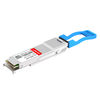
The demand for reliable industrial-grade optical transceivers continues to grow as modern networks expand into automation, transportation systems, and industrial Ethernet infrastructures. Among widely deployed 1G modules, the Moxa SFP-1GSXLC-T has become a commonly referenced model due to its stability, compatibility with Moxa networking equipment, and proven performance in harsh environments.
From a procurement perspective, however, network operators and system integrators are increasingly evaluating alternative supply options. The focus is no longer only on technical compatibility but also on price efficiency, long-term availability, and supply chain flexibility. This shift has made LINK-PP compatible solutions a key consideration when sourcing replacements or second-source modules for the Moxa SFP-1GSXLC-T.
In practical deployment scenarios, three core concerns typically drive purchasing decisions: cost optimization, stable inventory access, and guaranteed interoperability. As industrial networks scale, relying solely on OEM modules can introduce constraints such as higher unit pricing and variable lead times. This is where compatible transceivers from established manufacturers like LINK-PP offer a structured alternative strategy without compromising network performance.
This article provides a structured breakdown of the Moxa SFP-1GSXLC-T, its industrial use cases, and a detailed evaluation of LINK-PP alternative solutions, focusing on pricing structure, stock availability, and real-world deployment value.
🧭 Overview of Moxa SFP-1GSXLC-T in Industrial Networks
The Moxa SFP-1GSXLC-T is a widely used 1Gbps industrial SFP optical transceiver designed for stable fiber connectivity in demanding environments. In practical terms, it is primarily used to extend Ethernet links over multimode fiber while maintaining reliable performance in industrial automation and mission-critical systems.
Its main value lies in combining standard Gigabit Ethernet compatibility with ruggedized industrial design, making it suitable for deployments where commercial-grade modules would typically fail.

Core Specifications and Functional Role
The Moxa SFP-1GSXLC-T is built around standardized optical and electrical parameters that ensure stable and predictable performance in Gigabit Ethernet industrial networks. As a short-range multimode fiber transceiver, its design focuses on reliable data transmission, consistent optical behavior, and interoperability with industrial switches.
Before reviewing the detailed technical specifications, it is important to understand that each parameter directly influences key network characteristics such as link stability, transmission distance, and compatibility within Moxa-based infrastructures.
To present the core technical profile more clearly, the key specifications are summarized below:
| Specification Item |
Technical Value |
| Data Rate |
1.25Gbps (Gigabit Ethernet compliant) |
| Wavelength |
850nm (SX multimode operation) |
| Connector Type |
LC duplex interface |
| Maximum Transmission Distance |
Up to 550m over OM2/OM3 fiber |
| Digital Diagnostic Monitoring (DDM) |
Supported for real-time diagnostics |
After reviewing these parameters, it becomes clear that the module is engineered to deliver stable short-reach optical performance while maintaining full compliance with Gigabit Ethernet standards. The inclusion of DDM functionality further enhances operational visibility by enabling real-time monitoring of optical power levels and system conditions.
In addition to these measurable specifications, the Moxa SFP-1GSXLC-T is also optimized for stable optical power output and high receiver sensitivity. This ensures consistent signal integrity even in electrically noisy industrial environments, making it suitable for continuous 24/7 operation where network downtime is not acceptable.
Key Application Scenarios
The Moxa SFP-1GSXLC-T is primarily deployed in industrial and infrastructure-level networks where reliability and deterministic performance are more important than cost alone.
Its usage is typically concentrated in environments requiring long-term stability and resistance to harsh physical conditions.
Common application areas include:
- Industrial automation networks connecting PLCs, controllers, and sensors
- Transportation systems such as railway signaling and traffic control networks
- Power utility substations requiring isolated and EMI-resistant communication links
- Factory Ethernet backbones supporting IIoT and real-time monitoring systems
In these scenarios, fiber-based Gigabit links help eliminate electromagnetic interference issues commonly found in high-voltage or heavy machinery environments, ensuring consistent communication reliability.
Limitations Driving Alternative Demand
Although the Moxa SFP-1GSXLC-T is widely trusted in industrial deployments, it presents several practical limitations that influence procurement decisions, especially in large-scale projects.
Understanding these constraints is important for evaluating why alternative solutions, such as LINK-PP compatible modules, are increasingly considered.
- Higher OEM pricing compared to third-party compatible transceivers
- Limited stock availability in certain regions or during supply chain disruptions
- Dependency on authorized distribution channels, reducing procurement flexibility
- Potential lead time variability in large-volume industrial projects
From a procurement and operations perspective, these factors can significantly affect project timelines and total cost of ownership. As a result, many organizations begin exploring compatible alternatives that maintain performance while improving availability and cost efficiency.
🧭 Why Consider LINK-PP Alternatives
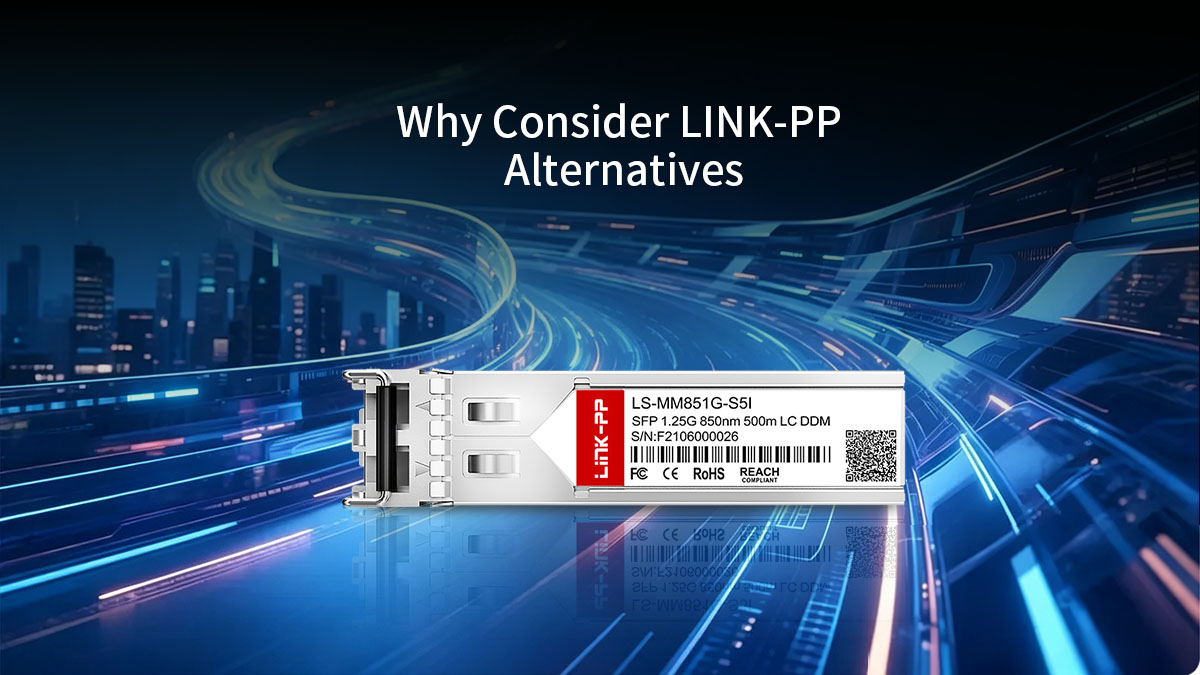
LINK-PP compatible transceivers are increasingly considered as practical alternatives to the Moxa SFP-1GSXLC-T because they address three critical procurement needs at once: compatibility with existing Moxa hardware, significant cost reduction, and improved stock availability. In most industrial networking projects, these three factors directly influence deployment speed and total lifecycle cost.
Rather than replacing the original architecture, LINK-PP solutions are designed to function as drop-in compatible modules, making them a strategic sourcing option for scaling networks efficiently.
Compatibility with Moxa Equipment
LINK-PP alternatives to the Moxa SFP-1GSXLC-T are designed to ensure full interoperability with Moxa industrial switches and routers, which is the primary requirement in most replacement or expansion scenarios.
Before listing the key compatibility aspects, it is important to emphasize that modern industrial networks depend heavily on seamless plug-and-play behavior to avoid configuration downtime.
- Fully coded EEPROM matching Moxa system recognition requirements
- Compliance with IEEE 802.3 Gigabit Ethernet standards
- Plug-and-play installation without firmware modification
- Stable link establishment across Moxa-managed industrial switches
- Support for DDM functions similar to OEM modules
These compatibility features ensure that LINK-PP modules can be deployed as direct replacements in most industrial environments, reducing integration risk while maintaining network stability.
From a practical standpoint, this compatibility minimizes engineering effort during upgrades or large-scale replacements, especially in distributed industrial networks.
Cost Efficiency Compared to OEM Modules
One of the strongest reasons for considering LINK-PP alternatives is the significant cost advantage over the original Moxa SFP-1GSXLC-T. In large deployments, this difference becomes a key factor in budget optimization.
Before reviewing specific cost-related benefits, it is important to understand that industrial procurement decisions often prioritize total cost of ownership rather than just unit price.
Key cost efficiency advantages include:
- Lower unit pricing compared to OEM Moxa transceivers
- Reduced procurement cost in bulk network deployments
- More flexible pricing structure for project-based purchasing
- Lower overall capital expenditure for network expansion projects
- Better cost predictability in long-term infrastructure planning
These advantages allow system integrators and enterprise users to allocate budget more efficiently, especially when scaling fiber networks across multiple sites.
Over time, the accumulated savings from compatible modules can significantly reduce the financial burden of maintaining and upgrading industrial Ethernet infrastructure.
Quality and Reliability Assurance
Although cost is a major factor, LINK-PP alternatives are also evaluated based on reliability and industrial-grade performance, which are essential for mission-critical networks.
Before listing specific quality aspects, it is important to note that industrial environments require stable long-term operation under temperature fluctuations, vibration, and electrical noise.
Key reliability characteristics include:
- Industrial temperature range support suitable for harsh environments
- Rigorous optical testing including signal stability and error rate validation
- Compliance with RoHS and international industrial standards
- Aging and stress testing for long-term operational reliability
- Consistent optical performance under continuous 24/7 operation
These quality controls ensure that LINK-PP modules maintain stable performance levels comparable to OEM modules in real-world deployments.
In addition, standardized testing processes help reduce failure rates and improve confidence in large-scale industrial installations, where downtime can lead to significant operational disruption.
🧭 LINK-PP Alternative Pricing Analysis
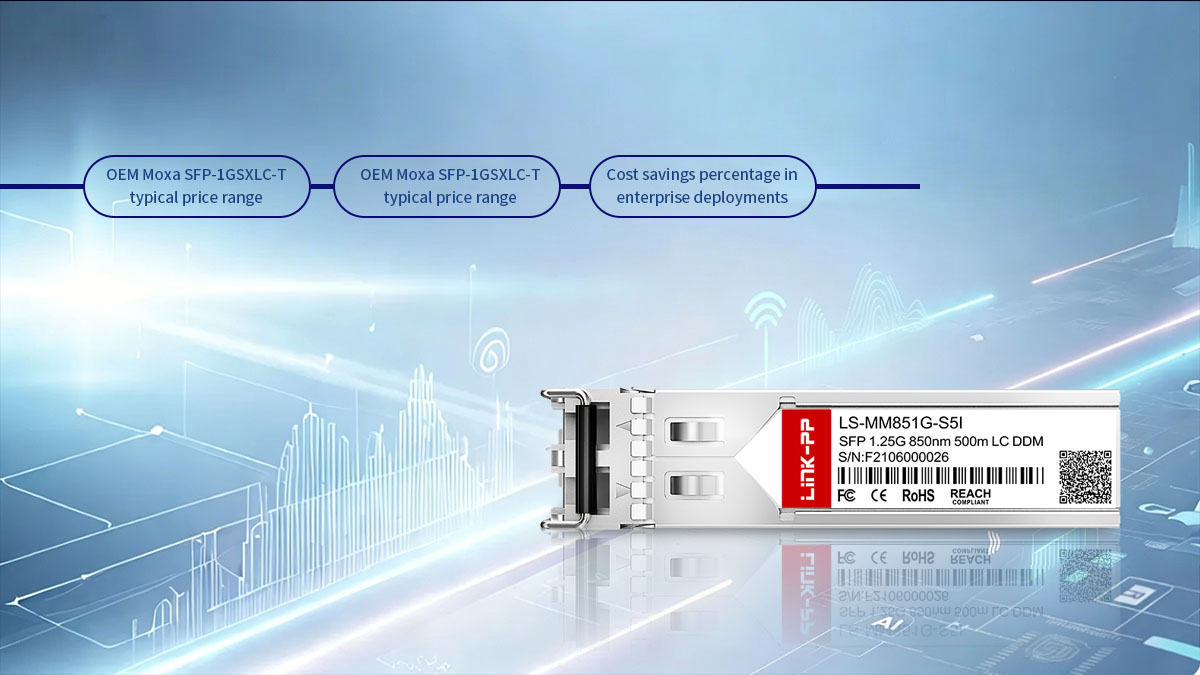
The pricing of LINK-PP compatible transceivers for the Moxa SFP-1GSXLC-T shows a significant cost advantage compared to OEM modules, making it a key consideration in industrial procurement strategies. In most cases, the value proposition is not only lower unit price but also improved flexibility in sourcing and deployment scalability.
From a network planning perspective, understanding the cost structure difference between OEM and compatible modules is essential for optimizing large-scale infrastructure budgets.
Key Factors Affecting Price
The price of both OEM Moxa SFP-1GSXLC-T modules and LINK-PP alternatives is influenced by several technical and supply chain variables. These factors determine why compatible modules can be offered at substantially lower prices while maintaining industrial-grade performance.
Before listing the key drivers, it is important to note that optical transceivers are highly standardized components, meaning much of the cost difference comes from branding, distribution, and validation layers rather than core functionality.
- Optical components sourcing (laser diode, photodiode quality)
- Manufacturing scale and production efficiency
- Firmware coding and compatibility programming costs
- Industrial certification and extended temperature testing
- Distribution channel and OEM branding premiums
These factors collectively explain why OEM modules are typically priced significantly higher than equivalent compatible versions. In industrial environments, certification and brand assurance often account for a large portion of the final price rather than hardware differences alone.
Price Comparison: OEM vs Compatible
A direct comparison between OEM Moxa SFP-1GSXLC-T and LINK-PP compatible modules clearly shows a large pricing gap, which becomes more significant in multi-site deployments.
Before reviewing the comparison, it is important to understand that both options generally deliver similar technical specifications (1Gbps SX, 850nm, LC interface, 550m reach), meaning the price difference is primarily commercial rather than functional.
| Cost Factor |
Moxa SFP-1GSXLC-T (OEM) |
LINK-PP Compatible Module |
| Typical unit price |
~USD 8–12 range |
~USD 3–5 range depending on supplier |
| Pricing model |
Brand-premium + authorized distribution |
Direct manufacturing + flexible sourcing |
| Availability |
Often limited stock or lead time variation |
Readily available global inventory |
| Deployment cost impact |
High in large-scale rollouts |
Significantly reduced CAPEX |
This pricing structure highlights why LINK-PP alternatives are frequently selected in cost-sensitive industrial projects. Even at moderate deployment scales, the savings can become substantial when multiplied across hundreds of network nodes.
After evaluating the table, the key takeaway is that performance parity combined with drastic cost reduction is the main driver behind the shift toward compatible transceivers in industrial Ethernet networks.
Long-Term Cost Benefits
Beyond initial purchase price, LINK-PP alternatives provide long-term financial advantages that affect the total cost of ownership (TCO) in industrial network infrastructure.
Before listing these benefits, it is important to emphasize that industrial networks often operate over multi-year lifecycles, where maintenance and expansion costs matter as much as initial procurement.
- Reduced budget pressure for network expansion projects
- Lower spare parts inventory cost for maintenance teams
- Easier scaling across multiple industrial sites
- Minimized dependency on single OEM supply chains
- Improved procurement flexibility for urgent replacements
These benefits become increasingly important in large-scale deployments such as smart factories, utility grids, and transportation networks, where downtime or delayed provisioning can lead to operational inefficiencies.
In summary, while OEM modules like the Moxa SFP-1GSXLC-T provide strong brand assurance, LINK-PP alternatives deliver a more cost-optimized and scalable financial model without sacrificing core optical performance requirements.
🧭 Stock Availability and Supply Chain Advantages
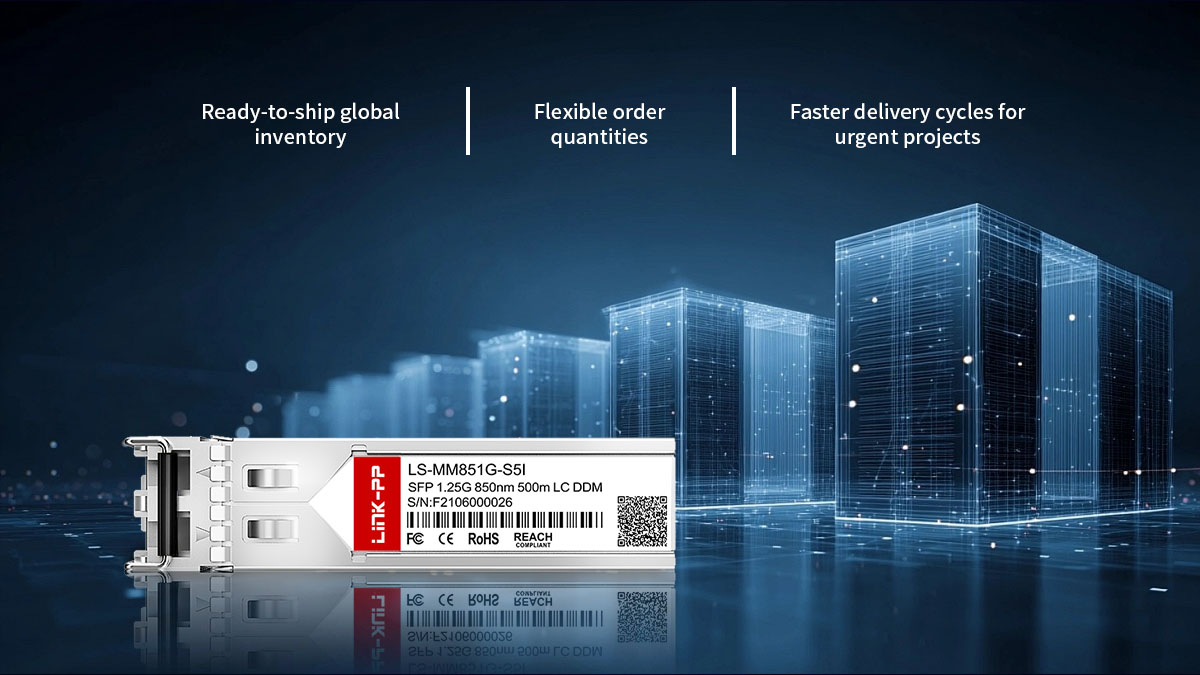
The availability of Moxa SFP-1GSXLC-T and its LINK-PP compatible alternatives plays a critical role in procurement decisions, especially in industrial projects where deployment timelines are strict. In practice, supply chain reliability often becomes just as important as price or technical compatibility.
From a network operations perspective, consistent stock availability directly reduces project delays, minimizes downtime risk, and ensures predictable expansion of industrial Ethernet infrastructure.
Challenges with OEM Availability
The original Moxa SFP-1GSXLC-T module is generally reliable in performance, but its availability can fluctuate depending on region, distributor, and global supply conditions. These limitations often become more visible in large-scale or time-sensitive deployments.
Before listing the main constraints, it is important to understand that OEM supply chains are typically more controlled and region-dependent compared to open-market compatible alternatives.
Key availability challenges include:
- Variable lead times depending on authorized distributor inventory
- Regional stock shortages during high-demand industrial cycles
- Dependency on OEM-certified supply channels only
- Limited flexibility for urgent or unplanned procurement needs
- Potential delays in multi-site or large-volume rollouts
These factors can create bottlenecks in industrial projects where network expansion is tightly scheduled. Even when the product is technically available, procurement lead time uncertainty can impact installation planning.
LINK-PP Inventory Strength
LINK-PP compatible transceivers provide a different supply chain model focused on scalability, global distribution, and ready-to-ship inventory. This makes them a practical alternative for organizations that require fast deployment cycles.
Before outlining specific advantages, it is important to note that industrial buyers often prioritize availability certainty over brand exclusivity when managing large infrastructure rollouts.
Key inventory advantages include:
- Large-scale ready stock availability across multiple regions
- Faster fulfillment for urgent replacement or expansion needs
- Flexible order quantities for both small and bulk deployments
- Reduced dependency on single-source OEM supply chains
- More predictable procurement cycles for project planning
These strengths allow system integrators and enterprises to maintain continuous deployment schedules without waiting for OEM replenishment cycles. In time-sensitive environments such as factory automation or utility upgrades, this flexibility can significantly reduce operational risk.
Impact on Project Timelines
Beyond simple availability, supply chain performance directly affects how quickly industrial networks can be deployed, expanded, or repaired. Delays in transceiver delivery can stall entire segments of infrastructure rollout.
Before listing the key impacts, it is important to emphasize that optical modules like the Moxa SFP-1GSXLC-T are often small components, but they are critical dependencies in network commissioning.
Key impacts on project execution include:
- Reduced network deployment delays in multi-site projects
- Faster replacement cycles for failed or aging modules
- Improved coordination between procurement and engineering teams
- Lower risk of schedule disruption in industrial upgrades
- More efficient spare-part management strategies
In large-scale industrial Ethernet environments, even small improvements in supply chain speed can translate into significant operational efficiency gains. LINK-PP alternatives, with their stronger inventory availability and shorter fulfillment cycles, help ensure that network infrastructure projects remain on schedule without being constrained by OEM lead times.
🧭 Performance Comparison and Technical Validation
Performance and technical validation are essential when evaluating LINK-PP alternatives to the Moxa SFP-1GSXLC-T. In industrial networks, compatibility alone is not sufficient—optical stability, error performance, and environmental resilience determine whether a transceiver can sustain long-term deployment under real operating conditions.
From a practical engineering standpoint, LINK-PP modules are designed to match OEM-level performance while maintaining cost and supply chain advantages, making technical validation a key decision factor.

Optical Performance Metrics
The optical performance of a transceiver directly determines signal quality, transmission stability, and effective link distance. In the case of LINK-PP alternatives to Moxa SFP-1GSXLC-T, the goal is to maintain equivalent Gigabit Ethernet optical behavior under standardized conditions.
Before listing specific metrics, it is important to understand that industrial fiber networks rely heavily on stable TX/RX power balance and low bit error rates to ensure uninterrupted communication.
Key optical performance characteristics include:
- Transmit power typically aligned with 850nm SX multimode standards
- Receiver sensitivity designed to maintain stable link margins
- Bit Error Rate (BER) within IEEE 802.3 Gigabit Ethernet compliance
- Link distance support up to 550m over OM2/OM3 fiber
- Stable optical output under continuous operation conditions
These metrics ensure that LINK-PP modules operate within the same functional envelope as OEM Moxa transceivers. In real deployments, this means no measurable degradation in standard industrial Ethernet performance when properly installed and matched with compatible fiber infrastructure.
Environmental and Industrial Reliability
Industrial environments impose significantly higher stress on optical modules compared to enterprise or data center environments. Temperature fluctuations, vibration, and electromagnetic interference are common challenges that must be addressed during design and validation.
Before reviewing reliability characteristics, it is important to note that industrial-grade certification is a key requirement for modules used in automation, energy, and transportation systems.
Key environmental reliability features include:
- Extended operating temperature range suitable for industrial deployment
- Resistance to electromagnetic interference (EMI) in high-voltage environments
- Mechanical stability under vibration and physical stress conditions
- Long-term operational stability in 24/7 continuous networks
- Compliance with industrial safety and environmental standards (e.g., RoHS)
These characteristics ensure that LINK-PP alternatives remain stable even in harsh operating conditions such as substations, factory floors, and transportation control systems. This level of robustness is critical for minimizing downtime and maintenance intervention.
Real-World Deployment Feedback
Beyond laboratory testing and specification matching, real-world deployment performance is a key validation step for LINK-PP alternatives to the Moxa SFP-1GSXLC-T. Industrial users often evaluate performance based on stability over time rather than short-term benchmark results.
Before summarizing deployment feedback, it is important to highlight that consistent interoperability with Moxa switches is a primary requirement in most field applications.
Observed real-world performance characteristics include:
- Stable plug-and-play operation in Moxa-managed industrial switches
- Consistent link uptime in continuous production environments
- Reliable performance in multi-site industrial Ethernet deployments
- No significant packet loss or link instability under normal operating loads
- Effective operation in mixed-vendor network infrastructures
These deployment results indicate that LINK-PP modules can function as practical substitutes in most industrial scenarios where OEM Moxa SFP-1GSXLC-T modules are traditionally used.
Overall, technical validation demonstrates that when properly manufactured and tested, compatible transceivers can deliver performance parity while offering additional advantages in cost and availability.
🧭 How to Choose the Right Alternative
Selecting the right compatible replacement for the Moxa SFP-1GSXLC-T is not only a pricing decision but also a technical and supply chain evaluation. In industrial Ethernet environments, the wrong transceiver choice can lead to link instability, interoperability issues, or long-term maintenance risks.
From a procurement perspective, the goal is to balance compatibility, reliability, and availability while ensuring the alternative integrates seamlessly into existing Moxa-based infrastructure.
Key Selection Criteria
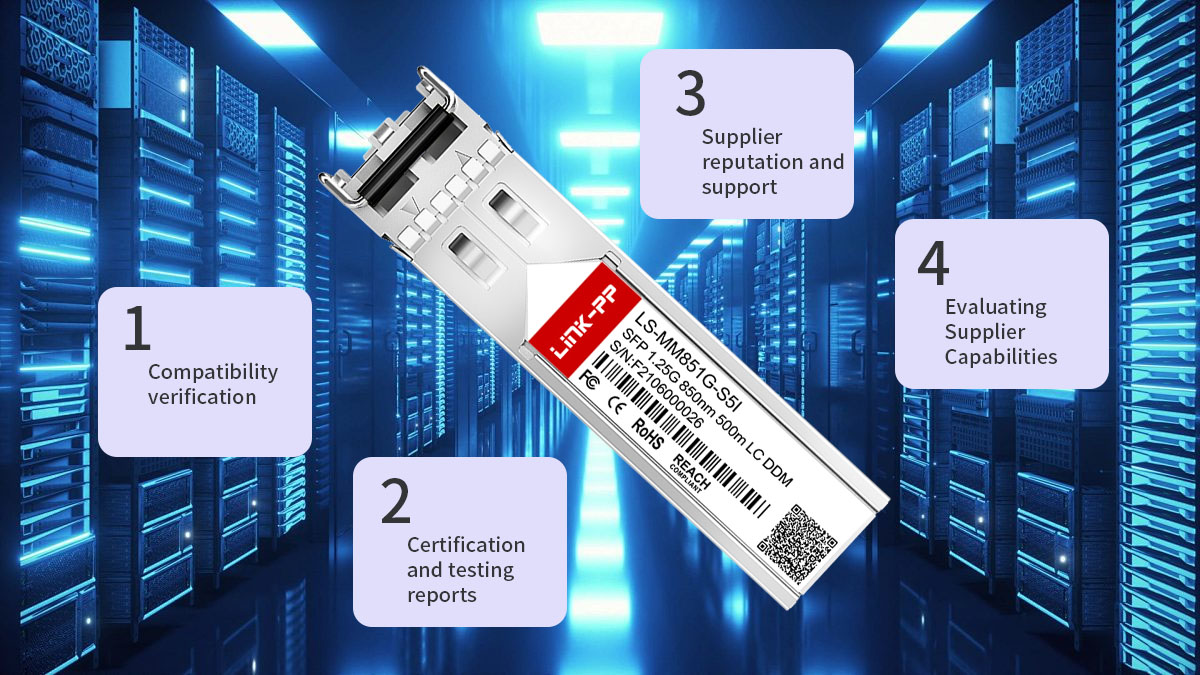
A structured evaluation framework is essential when choosing a LINK-PP or other compatible alternative. Instead of focusing only on specifications, industrial buyers should assess the full operational profile of the module.
Before listing the criteria, it is important to note that most compatibility issues arise not from optical standards but from coding, firmware recognition, and quality control differences.
Key selection criteria include:
- Verified compatibility with Moxa switches and routers
- Accurate EEPROM coding to ensure system recognition
- Compliance with IEEE 802.3 Gigabit Ethernet standards
- Industrial-grade temperature and environmental tolerance
- Availability of test reports (DDM, BER, aging tests)
These criteria ensure that the selected module can operate reliably in existing network environments without requiring configuration changes or system modifications. In practice, this significantly reduces deployment risk.
Evaluating Supplier Capabilities
Beyond the product itself, the capability of the supplier plays a decisive role in ensuring long-term stability and support. In industrial procurement, supplier reliability often determines the consistency of supply and quality assurance.
Before reviewing specific evaluation points, it is important to recognize that optical transceivers are part of a long-term infrastructure investment, not a one-time purchase.
Key supplier evaluation factors include:
- Manufacturing experience in optical transceiver production
- Quality control systems and ISO-level process management
- Availability of batch testing and traceability documentation
- Technical support responsiveness for compatibility verification
- Global logistics capability and delivery consistency
A supplier like LINK-PP, with established production and testing processes, typically provides higher assurance for industrial-scale deployments compared to non-specialized vendors. This reduces uncertainty in both performance and procurement continuity.
Risk Mitigation Strategies
Even when a compatible alternative appears technically equivalent, industrial users should still apply structured risk mitigation practices to ensure network stability and avoid unexpected failures.
Before listing these strategies, it is important to emphasize that industrial networks often operate continuously, meaning even small compatibility issues can lead to operational disruption.
Key risk mitigation approaches include:
- Conducting sample testing before large-scale deployment
- Validating interoperability with specific Moxa hardware models
- Reviewing DDM parameters during initial installation
- Ensuring firmware and coding consistency across batches
- Confirming warranty and replacement support policies
These steps help ensure that LINK-PP alternatives perform reliably in real-world conditions before full-scale adoption. In large deployments, this approach minimizes both technical and operational risks.
Overall, choosing the right alternative to the Moxa SFP-1GSXLC-T requires a combination of technical validation, supplier assessment, and controlled deployment testing to ensure stable long-term network performance.
🧭 Deployment Best Practices for LINK-PP Modules
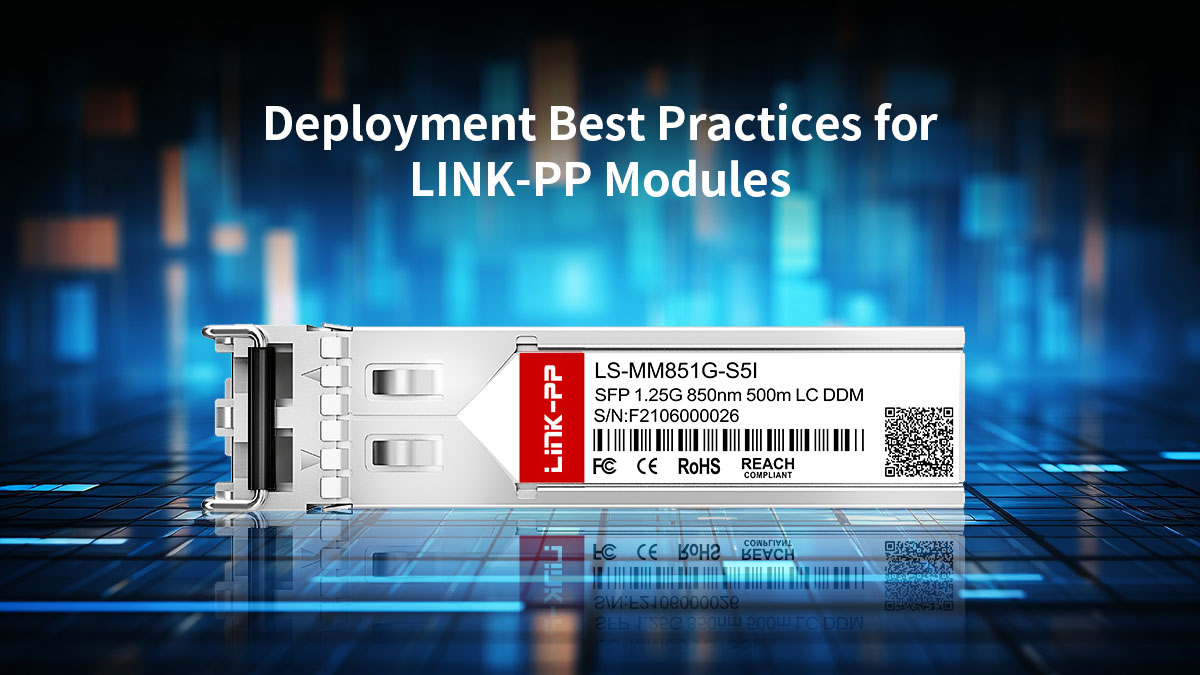
Proper deployment of LINK-PP compatible modules for the Moxa SFP-1GSXLC-T is essential to ensure stable optical performance and long-term reliability in industrial networks. Even when the module is fully compatible, incorrect installation or poor fiber management can still lead to link instability or reduced transmission quality.
From a practical operations standpoint, following standardized installation and maintenance procedures helps ensure that LINK-PP modules perform at the same level as OEM transceivers in real-world industrial environments.
Installation Guidelines
Correct installation is the foundation of stable optical communication. In industrial deployments, small handling errors can significantly impact signal quality or even cause link failure.
Before listing key practices, it is important to emphasize that SFP modules are sensitive optical components that require proper handling and interface cleanliness.
Key installation best practices include:
- Ensure proper ESD (electrostatic discharge) protection before handling modules
- Insert the module firmly into the SFP slot until it locks securely
- Use only compatible LC duplex fiber connectors matching SX multimode standards
- Clean fiber connectors before insertion to avoid signal degradation
- Avoid bending or stressing fiber cables near the transceiver interface
These steps help maintain optimal optical alignment and minimize insertion loss. In industrial environments, where vibration and dust are common, proper installation significantly improves long-term link stability.
Network Optimization Tips
Beyond physical installation, optimizing network configuration and monitoring optical parameters is critical for ensuring stable operation of LINK-PP modules in Moxa-based systems.
Before reviewing optimization techniques, it is important to note that industrial Ethernet networks often run continuously, making real-time monitoring a key factor in preventing failures.
Key optimization practices include:
- Regular monitoring of DDM parameters (temperature, voltage, TX/RX power)
- Ensuring proper link budget calculation for fiber distance and quality
- Using high-quality OM2 or OM3 multimode fiber for consistent performance
- Avoiding mixed-quality fiber patch cords in critical links
- Verifying port configuration compatibility on Moxa switches
These practices help maintain stable optical margins and prevent gradual performance degradation. In large-scale deployments, proactive monitoring is especially important for identifying early warning signs of link stress.
Maintenance and Troubleshooting
Even with correct installation and configuration, ongoing maintenance is necessary to ensure long-term reliability of LINK-PP modules used in place of Moxa SFP-1GSXLC-T transceivers.
Before listing maintenance practices, it is important to recognize that most optical network issues are caused by physical layer problems rather than module failure.
Key maintenance and troubleshooting steps include:
- Periodically inspect fiber connectors for dust or contamination
- Re-seat modules if intermittent connectivity is detected
- Check DDM readings for abnormal temperature or power levels
- Replace damaged or aging fiber cables promptly
- Use loopback or diagnostic tools to isolate link issues
These steps help quickly identify whether a problem originates from the transceiver, fiber infrastructure, or switch configuration. In industrial environments, structured troubleshooting reduces downtime and improves overall network resilience.
🧭 Conclusion
The Moxa SFP-1GSXLC-T remains a widely deployed 1Gbps industrial optical transceiver, valued for its stable performance and strong compatibility within Moxa networking environments. However, when evaluated from a broader procurement and deployment perspective, factors such as pricing pressure, supply chain variability, and large-scale scalability increasingly drive interest toward compatible alternatives.
LINK-PP alternative modules provide a practical replacement strategy by maintaining technical compatibility with Moxa systems while significantly improving cost efficiency and stock availability. In addition, their industrial-grade design, standardized optical performance, and validated interoperability make them suitable for demanding environments such as automation systems, power infrastructure, and transportation networks.
To summarize the most important points discussed throughout this article:
- The Moxa SFP-1GSXLC-T delivers stable industrial 1G fiber connectivity but comes with higher OEM cost and limited sourcing flexibility
- LINK-PP compatible modules offer strong cost advantages while maintaining IEEE-compliant optical performance
- Stock availability and supply chain flexibility are major advantages of LINK-PP in large-scale deployments
- Proper installation and network validation ensure OEM-equivalent stability in real-world industrial environments
- Technical testing and deployment best practices are essential for long-term reliability
For organizations scaling industrial Ethernet infrastructure, the decision is no longer limited to OEM versus compatibility, but rather to total lifecycle efficiency, procurement agility, and deployment reliability. LINK-PP alternatives effectively address these requirements without compromising core network performance expectations.
For verified sourcing, technical consultation, and consistent inventory support, users can explore solutions directly through the LINK-PP Official Store, which provides industrial-grade compatible transceivers designed for stable integration into Moxa-based network architectures.